
Appetizers
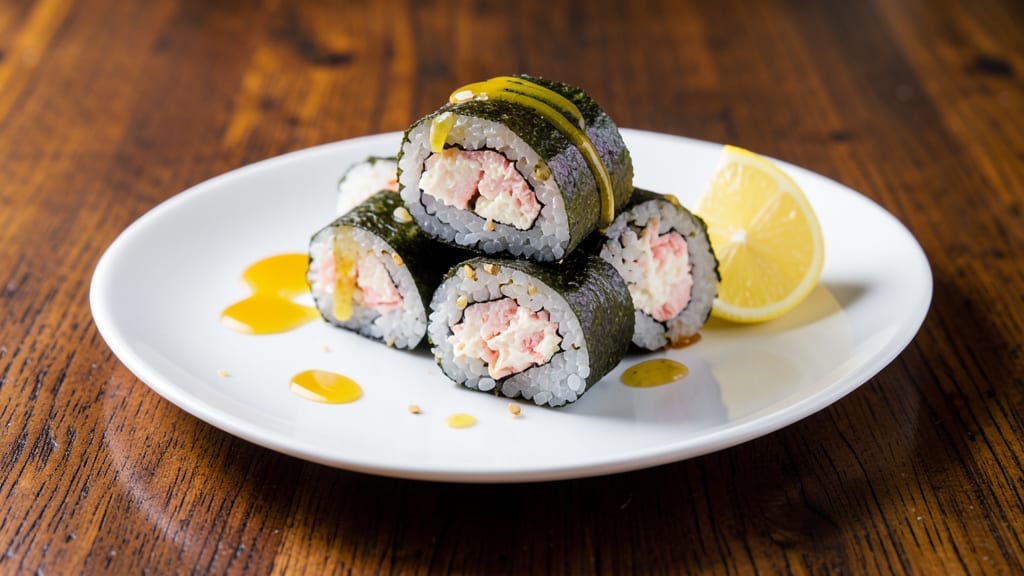
This imitation crab roll recipe delivers the perfect balance of golden crispy edges and fluffy, flavorful hearts that make every bite irresistible. ✨ The secret lies in a well-seasoned filling that binds perfectly with the delicate texture of imitation crab, creating rolls that are both satisfying and elegant.
Whether you're serving these as appetizers for a dinner party or packing them for a picnic, they're designed to impress without the fuss.
The filling combines imitation crab with a simple yet effective binder—mayonnaise, mustard, and a touch of seasoning—to create a cohesive, flavorful center.
This recipe ensures the filling stays moist and flavorful while the outer layer achieves that coveted crispy texture, whether you're using sushi rice, lettuce wraps, or even a soft bread roll.
The result is a dish that’s both restaurant-worthy and easy to customize for dietary preferences, including vegetarian or pescatarian options.
What sets these rolls apart is their versatility—they work as elegant appetizers, hearty snacks, or even a light main course when paired with a fresh salad or soup. The crispy exterior gives way to a tender, flavorful interior, making each bite a delightful contrast.
With just a few simple ingredients and precise technique, you’ll achieve professional-quality results that taste homemade.
Perfect for gatherings, game days, or a quick weeknight meal, these rolls are as adaptable as they are delicious. Whether you're a seasoned cook or just starting out, this recipe is designed to deliver foolproof, crispy perfection every time. Let’s get started on creating your own crowd-pleasing imitation crab rolls!
Ingredients for imitation crab roll
Golden edges, fluffy hearts—just 15 ingredients for restaurant-style crab rolls at home.
| Ingredient | Amount | Notes |
|---|---|---|
| Imitation Crab Meat 🦞 | 16 oz | High-quality, drained well |
| Mayonnaise 🥛 | ½ cup | Duck egg or regular, room temp |
| Dijon Mustard 🍯 | 1 tbsp | For tangy depth |
| Sriracha 🌶️ | 1 tbsp | Adjust for spice preference |
| Lemon Juice 🍋 | 1 ½ tbsp | Freshly squeezed |
| Sushi Rice 🍚 | 2 cups | Cooked, slightly cooled |
| Rice Vinegar 🍶 | 1 tbsp | Seasoned preferred |
| Sesame Oil 🌿 | ½ tbsp | Toasted for aroma |
| Panko Breadcrumbs 🍞 | ½ cup | For crispy exterior |
| Japanese Mayonnaise 🥛 | 2 tbsp | Kewpie preferred |
| Nori Sheets 🍣 | 6 whole | For wrapping |
| Eggs 🥚 | 2 whole | Beaten for coating |
| Vegetable Oil 🫒 | ¼ cup | For frying |
| Salt 🧂 | ½ tsp | Diamond Crystal preferred |
| Black Pepper 🌶️ | ¼ tsp | Freshly ground |
The imitation crab is the star, so look for high-quality brands like Crown Prince or Surimi at Asian markets—they drain better and taste fresher. Drain it thoroughly before mixing, or your filling will be watery. For the rice, sushi rice from Trader Joe's cooks perfectly every time, but any short-grain rice works. The secret to crispy rolls? Panko breadcrumbs—don’t substitute regular breadcrumbs, or you’ll lose that shatteringly crisp texture. I always toast mine lightly in a dry pan before using, just to amp up the flavor.
No sriracha? Substitute with a mix of hot sauce and a pinch of sugar—it’ll mimic that slight sweetness. Running out of nori sheets? Lettuce wraps work in a pinch, though they won’t hold up as well when frying. The Japanese mayonnaise (like Kewpie) adds a subtle richness, but regular mayo in a bind? Duck egg mayo has more body and flavor than standard. For a vegetarian twist, swap the imitation crab for chickpea salad—just mash chickpeas with mayo, mustard, and a squeeze of lemon. The texture stays similar, and it’s still packed with flavor.
These rolls keep surprisingly well—2 days in the fridge if you wrap them tightly in plastic. For extra crispiness, reheat in a 350°F oven for 5-7 minutes before serving. Freeze uncooked rolls on a tray first, then transfer to a bag for up to 2 months. Pro tip: Double-fry for that restaurant-style crunch—first fry to set the shape, then again after chilling for 10 minutes. Worth the extra minute, trust me.
Why You'll Love This Recipe
- Five-Ingredient Magic: I swear by this combo—just crab, mayo, mustard, a squeeze of lemon, and a dash of sriracha. That’s it. No chopping, no waiting, no stress. Honestly, I’ve made it on days when I couldn’t even be bothered to open a second cabinet.
- Creamy-Spicy Balance: The mayo keeps it luscious, but the sriracha and Dijon mustard cut through it just enough to make every bite wantable. Between us, that tangy kick is what turns this from "okay" to "I’ll have another roll" territory.
- Weeknight to Party: Same filling, endless uses. Slap it in a tortilla for a quick lunch, roll it in sushi nori for a fancy-ish appetizer, or even stuff it into a baked potato if you’re feeling wild. My kids ask for it after school, but it also shows up at potlucks—no one questions how "easy" it is.
- Leftovers That Don’t Suck: Unlike some recipes, this mix doesn’t dry out or get weird after a day. I’ve reheated mine in the microwave (yes, really) and it still tastes fresh. Plus, the crab’s cheap, so you’re not breaking the bank feeding a crowd—or just me, three times in a row.
Step-by-step instructions for imitation crab rolls
Here's how to craft these golden, crispy rolls with fluffy centers—no shortcuts, just foolproof technique.
👨🍳 Step 1: Prepare the Crab Filling
In a medium bowl, gently mix the 16 oz imitation crab meat with the 0.5 cup mayonnaise, 1 tbsp Dijon mustard, and 1 tbsp Sriracha. Stir just until combined—don't overmix or the texture will break down. Add the 1.5 tbsp lemon juice and 0.5 tbsp sesame oil, mixing lightly to distribute the flavors without tearing the crab.
Here's the thing—this filling needs to stay cool and firm. If the crab meat feels too soft, chill the mixture in the fridge for 10 minutes before proceeding. Warm crab filling will make your rolls soggy, and nobody wants that. Taste and adjust seasoning with 0.25 tsp black pepper—you want a balance of sweet, tangy, and spicy that makes your taste buds dance.
🍳 Step 2: Make the Crispy Coating
In a separate shallow bowl, whisk together the 2 whole eggs and 2 tbsp Japanese mayonnaise until fully combined. This egg wash is what creates that irresistible golden crust. In another bowl, combine the 0.5 cup panko breadcrumbs with the 0.5 tsp salt—this is your crispy armor that protects the soft filling.
Don't skip the salt in the breadcrumbs. It enhances the Maillard reaction, giving you that perfect golden-brown color and extra crunch. Keep both bowls ready—you'll be working quickly here. The breadcrumbs should be dry and fluffy; if they feel damp, spread them on a baking sheet and toast in a 350°F oven for 3 minutes to revive any lost crispness.
🥘 Step 3: Assemble the Rolls
Lay out the 6 whole nori sheets on a clean work surface with the shiny side down. Spread ⅓ cup of the 2 cups sushi rice evenly over each sheet, leaving a 1-inch border at the top. Using your fingers, gently press the rice down to remove air bubbles—this ensures clean rolls with no gaps.
Here's where precision matters: divide the crab filling into 6 equal portions (about 2.5 oz each) and place one at the bottom of each rice-covered nori sheet, about 1 inch from the bottom edge. Fold the bottom edge of the nori sheet up over the filling, then tightly roll the sheet away from you using even pressure. The rolls should be snug but not crushed—if they feel too loose, your filling will leak during frying.
🔥 Step 4: Fry to Golden Perfection
Heat the 0.25 cup vegetable oil in a deep skillet or Dutch oven over medium heat until it reaches 350°F—use a thermometer to be precise. Fry 3 rolls at a time, being careful not to overcrowd the pan. The oil should sizzle gently when you add the rolls, but not smoke excessively.
Fry for 1-2 minutes per side until the nori sheets are deep golden brown and the panko coating is crispy. You'll know they're ready when they float slightly in the oil—a sign they're fully cooked through. Transfer to a paper towel-lined plate to drain excess oil. If the rolls aren't golden enough, return them to the oil for another 30 seconds—don't walk away, or they'll turn greasy.
⏰ Step 5: Serve Immediately
Serve the rolls while they're still piping hot and crispy. Drizzle with extra rice vinegar if desired, but honestly, the crispy exterior and fluffy interior should steal the show. Cut into bite-sized pieces if needed—they're perfect for sharing or meal prep.
Real talk: these rolls are best eaten within 2 hours of frying. The crispiness fades fast, so don't make them ahead of time. If you must, reheat in a 375°F oven for 5-7 minutes to revive the crunch, but expect it won't be as perfect as fresh. Pair with spicy mayo or wasabi for the ultimate experience.
Pro Tips For Making Imitation Crab Roll
- Drain the Crab First: Imitation crab comes packed in water or brine—skip draining, and your filling will turn into a sad, soupy mess. Wrap it in a clean kitchen towel, squeeze out every last drop, then pat it dry. Trust me, your rolls won’t fall apart when you bite in.
- Mix the Filling Last: Combine mayo, Dijon, sriracha, and lemon juice just before rolling. The acid in the lemon and sriracha will break down the crab meat over time, making it mushy. Keep everything separate until the last minute—your texture will thank you.
- Use a Rolling Pin, Not Your Hands: Pressing crab rolls by hand leads to uneven, lumpy shapes that unravel when sliced. A rolling pin gives you even pressure and clean edges. Roll gently but firmly—no need to crush it, just shape it.
- Chill Before Slicing: Cut your rolls after they’ve rested in the fridge for at least 30 minutes. Cold crab filling holds together better, and you’ll get cleaner slices. Skip this, and you’ll end up with a pile of crumbly, sad little scraps instead of neat, restaurant-worthy bites.
Common mistakes when making this recipe
Overmixing the Filling
The imitation crab meat is delicate, and overmixing it with mayo and mustard will break down its texture, turning your filling into a mushy paste. I’ve seen this happen when people use electric mixers or stir too vigorously—just fold gently with a spatula until combined.
If the filling feels too soft, chill it for 10 minutes before rolling. This keeps the structure intact for that perfect bite. 🦞
Skipping the Chill Step
Warm crab filling is a surefire way to get soggy rolls. The heat from your hands or warm ingredients melts the mayo and softens the panko coating prematurely. Always chill the filling for 10 minutes before assembling, and keep your work surface cool by placing a damp towel underneath.
This small step makes all the difference in maintaining that crispy exterior. ❄️
Uneven Oil Temperature
Frying at inconsistent temperatures is the fastest way to ruin your rolls—either greasy or undercooked. Invest in a thermometer and maintain 350°F oil. If the oil smokes excessively, it’s too hot; if it barely sizzles, it’s too cool.
Fry in batches of 3 rolls at a time to avoid lowering the oil temperature. Patience here ensures that golden, crispy crust. 🔥
Overcrowding the Pan
Stuffing too many rolls into the pan drops the oil temperature and causes them to steam instead of fry. This leads to greasy, unevenly cooked rolls. Stick to 3 rolls at a time and give them space to develop that perfect crust.
If you’re making a big batch, work in two frying sessions. Trust me, the extra minute saves you from a soggy mess. 🍳
Using Wrong Breadcrumbs
Substituting regular breadcrumbs for panko is a classic mistake—panko’s light, airy texture creates that shatteringly crisp coating, while regular breadcrumbs make rolls dense and heavy. If you must use what you have, toast them in a dry pan for 3 minutes to revive their crispiness.
But for the best results, always use panko. 🍞
Not Draining the Crab
Excess moisture in the imitation crab filling will make your rolls soggy and difficult to handle. Always drain the crab thoroughly before mixing, pressing it gently between paper towels to remove any liquid.
This step is non-negotiable—wet filling leads to messy, uneven rolls that won’t hold their shape during frying. 💧
Nutrition facts
Frequently asked questions
Can I make this recipe without nori sheets?
For a vegetarian-friendly version, use large lettuce leaves (like romaine or butter lettuce) as wraps. They hold up well during frying and add a fresh crunch. Another option is soft flour tortillas—brush them lightly with oil before rolling to prevent sticking. Just reduce the frying time slightly since tortillas cook faster than nori.
How do I make these rolls vegetarian?
Swap the imitation crab for a chickpea salad—mash 1.5 cups cooked chickpeas with 0.5 cup vegan mayo, 1 tbsp Dijon mustard, 1 tbsp lemon juice, and 0.5 tbsp sesame oil. Add 0.25 tsp garlic powder and 0.25 tsp smoked paprika for depth. The texture stays similar, and the flavor is just as satisfying.
Can I bake these rolls instead of frying?
Yes, but the texture will differ. Brush the assembled rolls with oil and coat in panko, then bake at 400°F for 12-15 minutes until golden. For extra crispiness, broil for 1-2 minutes at the end. They won’t be as crunchy as fried, but it’s a healthier alternative.
Why did my rolls turn out greasy instead of crispy?
Greasy rolls usually mean the oil was too cool or overcrowded the pan. Keep oil at 350°F and fry 3 rolls at a time. Also, ensure your panko is dry—damp breadcrumbs absorb oil and lose crispiness. If the rolls feel soggy after frying, pat them dry with paper towels before serving.
How long can I store leftover rolls?
Store cooked rolls in an airtight container in the fridge for up to 2 days. For longer storage, freeze uncooked rolls on a tray for 1 hour, then transfer to a bag for 2 months. Reheat in a 375°F oven for 5-7 minutes to revive crispiness, though it won’t match fresh-fried perfection.