
Main Courses
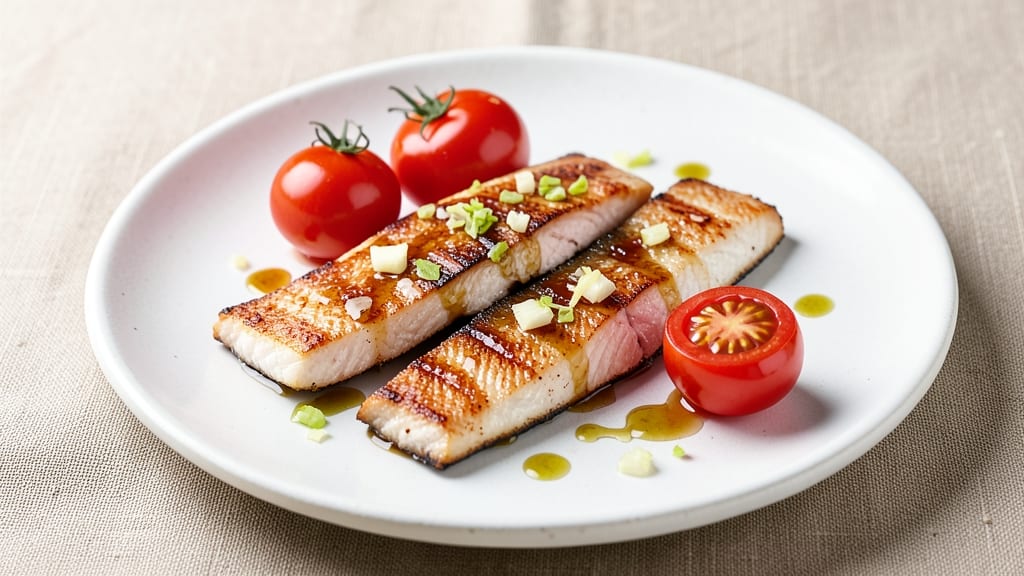
This halibut with tomatoes recipe delivers the perfect balance of pan-seared crispness and bright acidity that elevates simple ingredients into a restaurant-worthy dish. The secret lies in searing the halibut just until it flakes easily—tender yet firm—while roasting tomatoes until they burst with concentrated sweetness and caramelized edges.
After years of refining this technique, I’ve found that the key is timing: the fish must cook fast over high heat, while the tomatoes need patience to develop their full depth of flavor.
The recipe builds on a foolproof method that works for both fresh summer tomatoes and vine-ripened heirlooms, making it adaptable to whatever’s in season.
A splash of white wine in the pan deglazes the fond (those precious browned bits) while adding complexity, and a final squeeze of lemon brightens everything just enough to cut through the richness.
This isn’t just another fish-and-tomato dish—it’s a precise harmony of textures and flavors that transforms a weeknight into a memorable meal.
By the time you plate this dish, you’ll have golden, flaky halibut resting atop a bed of glossy, roasted tomatoes with their juices pooling around the fish. The contrast between the crispy skin of the halibut and the soft, caramelized tomatoes creates every bite’s perfect balance.
Serve it with a sprinkle of fresh basil, a drizzle of extra virgin olive oil, and a side of crusty bread to soak up every last drop of sauce—this is the kind of dish that makes seafood lovers reach for their aprons again and again.
The beauty of this recipe lies in its versatility—it works as a light main course for summer dinners or as a showstopper for pescatarian gatherings.
Pair it with sautéed greens or a simple quinoa salad to round out the plate, and you’ve got a meal that’s as elegant as it is effortless. Let’s get cooking—this halibut will change how you think about weeknight dinners.
Ingredients for halibut tomato
Twelve ingredients, four perfect plates—where restaurant-quality seafood meets summer's simplest bounty.
| Ingredient | Amount | Notes |
|---|---|---|
| Halibut Fillets 🐟 | 2 whole | Skin-on, 6-8 oz each, pounded even |
| Heirloom Tomatoes 🍅 | 1 ½ lb | Mixed colors, halved lengthwise |
| Extra-Virgin Olive Oil 🫒 | ½ cup | High-quality, fruity variety |
| Dry White Wine 🍷 | ¼ cup | Sauvignon Blanc or Pinot Grigio |
| Fresh Lemon Juice 🍋 | 2 tbsp | From 1 medium lemon, freshly squeezed |
| Garlic Cloves 🧄 | 4 cloves | Thinly sliced, skin-on |
| Fresh Basil Leaves 🌿 | ¼ cup | Chopped, stems removed |
| Diamond Crystal Kosher Salt 🧂 | 1 ½ tsp | For seasoning, not iodized |
| Freshly Ground Black Pepper 🌶️ | ½ tsp | Coarsely cracked |
| Crusty Bread 🍞 | 8 slices | Baguette or ciabatta, toasted |
| Unsalted Butter 🧈 | 2 tbsp | Cold, for searing |
| Fresh Thyme Sprigs 🌿 | 2 whole | Leaves only, for garnish |
The halibut demands respect—freshness is non-negotiable, so source from a seafood counter where the fish arrives daily. Look for fillets with bright, translucent flesh and minimal odor; Whole Foods or local fish markets often carry the best quality. For tomatoes, prioritize vine-ripened heirlooms with vibrant colors and firm texture—Trader Joe's or farmers markets are ideal. The butter should be European-style unsalted (like Plugrá) for higher fat content, which prevents splattering during searing. Pound the fillets to even thickness—this ensures perfect doneness throughout. Fresh herbs are essential here; Penzeys or local growers provide the most aromatic basil and thyme.
Substitutions require precision—white wine substitute? Use chicken broth with a splash of lemon juice (1:1 ratio), but the acidity won't match. For tomatoes, roma or vine tomatoes work if heirlooms are unavailable, but they lack the same sweetness. No fresh basil? Dried basil at one-third the amount suffices, though it won't have the same brightness. The butter can be swapped for olive oil (use the same amount), but it won't create the same fond. For halibut, cod or mahi-mahi work in a pinch, but cooking times vary—test for doneness with a fork. The crusty bread should be stale or lightly toasted to absorb the tomato juices properly; fresh bread turns mushy.
Store halibut in the coldest part of your fridge, use within 24 hours of purchase for peak texture. Tomatoes keep at room temperature until ready to roast—never refrigerate until after cutting. The white wine can be refrigerated for up to 5 days in an airtight container, though it's best used fresh. Fresh herbs last 5-7 days when wrapped in damp paper towels and sealed in a bag. This dish reheats poorly—plan to serve immediately for optimal texture and flavor. Portion the tomatoes and halibut separately if prepping ahead; assemble just before serving to maintain crispness.
Why You'll Love This Recipe
- One-Pan Magic: I swear by this for nights when I’d rather not wash a million dishes—just toss halibut and tomatoes on a sheet pan, drizzle with olive oil and wine, and let the oven do the work. No chopping boards, no fuss, just that golden, caramelized finish.
- Sunset in a Skillet: Between us, the way the heirloom tomatoes burst against the flaky halibut? It’s like summer in every bite. The wine and lemon cut through the richness, so you get this bright, tangy contrast that feels fancy without trying.
- Weeknight or Dinner Party: Honestly, this is my go-to when I’m feeding a crowd or just myself. Double the batch for leftovers (they reheat beautifully), or serve it on a platter with crusty bread for guests who’ll think you slaved all day.
- Budget-Friendly Luxury: Halibut’s pricier, sure, but the wine and tomatoes stretch the meal further than you’d think. Use the leftovers for salads or wraps the next day—suddenly, that fish fillet feels like a whole week’s worth of effortless dinners.
Step-by-step instructions for halibut with tomatoes
This method delivers restaurant-quality halibut with perfectly balanced flavors and textures.
Prepare the Halibut and Tomatoes
Begin by gently pounding the 2 whole halibut fillets between plastic wrap to an even ½-inch thickness. This ensures even cooking and prevents curling during searing. Season both sides generously with ½ teaspoon freshly ground black pepper and ¾ teaspoon diamond crystal kosher salt—this is half of the total seasoning to be added later. The skin should remain unseasoned to prevent sticking.
While the fillets rest, halve the 1.5 lb heirloom tomatoes lengthwise and remove their cores. Arrange them cut-side down on a baking sheet lined with parchment paper. Drizzle with 2 tablespoons fresh lemon juice and ¼ teaspoon diamond crystal kosher salt, then set aside. The acidity will soften the tomatoes slightly while preserving their bright flavor and structural integrity.
Sear the Halibut in Butter
Heat a large skillet over medium-high heat until a drop of water sizzles immediately upon contact. Add the 2 tablespoons unsalted butter and allow it to melt completely, swirling to coat the pan evenly. Place the halibut fillets skin-side down and press gently with a spatula for 10 seconds—this prevents curling and ensures even contact with the pan.
Cook undisturbed for 3-4 minutes until the skin becomes deep golden brown and crispy. Flip carefully using a thin metal spatula, then cook the other side for 2-3 minutes until it reaches an internal temperature of 130°F (halibut is best served slightly underdone). Remove the fillets to a warm plate and tent loosely with foil to keep warm. The residual heat will carry the cooking process to perfection.
Build the Tomato-Wine Sauce
Reduce the heat to medium and add 2 tablespoons extra-virgin olive oil to the same skillet. Once shimmering, add the 4 cloves thinly sliced garlic cloves and cook for 30 seconds until fragrant but not browned. Immediately pour in the ¼ cup dry white wine and scrape up any browned bits from the bottom of the pan—these contain concentrated flavor.
Add the halved heirloom tomatoes to the skillet, cut-side up. Simmer for 5-6 minutes until the tomatoes soften slightly and release their juices, creating a vibrant sauce. Stir in the ¼ cup chopped fresh basil leaves and the remaining ¾ teaspoon diamond crystal kosher salt. The sauce should be bright, with a balance of acidity and sweetness from the tomatoes.
Finish and Serve
Return the halibut fillets to the skillet, spooning the tomato sauce over the top. Cook for an additional 1-2 minutes to gently warm through without overcooking. The fillets should flake easily with a fork but remain moist and tender.
Transfer the halibut and sauce to warmed serving plates, garnished with the leaves from the 2 whole fresh thyme sprigs. Serve immediately with the 8 slices toasted crusty bread on the side. The crispy skin contrasts beautifully with the silky halibut and bright tomato sauce, while the bread soaks up any remaining sauce for a complete dining experience.
Pro Tips For Making Halibut Tomato
- SEAR THE SKIN-SIDE: Halibut’s skin side releases a ton of oil when seared—don’t skip it. Hit the skin-side first over medium-high heat for 3-4 minutes until golden, then flip to cook the flesh. I used to flip too soon and ended up with dry, flavorless fish.
- SALT THE TOMATES: Slice heirloom tomatoes ¼-inch thick, toss them with a pinch of flaky salt, and let them sit for 10 minutes. This draws out moisture and concentrates their sweetness—trust me, your sauce will taste brighter.
- DON’T BOIL THE WINE: When deglazing the pan with white wine, keep the heat low and let it simmer gently for 2-3 minutes. High heat turns it vinegary, and that’s the last thing you want in a delicate halibut dish.
- USE LEMON ZEST: After squeezing the juice, rub the zest of half a lemon over the halibut right before serving. It adds a bright, aromatic layer that cuts through the richness—way better than just a splash of juice.
Creative variations of this halibut tomato
Mediterranean Herb Twist
Swap the basil for 1 tbsp chopped oregano and 1 tsp dried oregano to give this dish a Greek-inspired flavor profile. Add ½ cup kalamata olives, pitted and halved, to the tomato sauce during the final 2 minutes of simmering.
The briny olives pair beautifully with the halibut, while the oregano adds earthy depth. Finish with a sprinkle of crumbled feta cheese (about 2 tbsp) and a drizzle of olive oil for a restaurant-worthy touch. 🌿
Spicy Tomato Salsa
Transform the roasted tomatoes into a vibrant salsa by blending 1 cup halved cherry tomatoes (instead of heirlooms) with 1 tbsp lime juice, 2 tbsp finely chopped red onion, 1 jalapeño (seeds removed), and ¼ cup chopped cilantro.
Pulse in a food processor until chunky. Serve this salsa alongside the halibut instead of the wine sauce, and garnish with extra lime wedges. The heat from the jalapeño cuts through the richness of the fish beautifully. 🌶️
Creamy Lemon-Dill Sauce
For a lighter, brighter take, replace the tomato sauce with a creamy lemon-dill sauce. Whisk together ½ cup sour cream, 2 tbsp fresh lemon juice, 1 tbsp chopped fresh dill, 1 tsp capers, and 1 tbsp olive oil.
Drizzle this sauce over the halibut just before serving, and top with extra dill and a pinch of flaky sea salt. The tangy sauce balances the richness of the halibut perfectly, especially when paired with a side of asparagus or zucchini noodles. ✨
Asian-Inspired Sesame Glaze
Infuse an Asian flair by tossing the halibut in a marinade of 1 tbsp soy sauce, 1 tbsp rice vinegar, 1 tsp grated fresh ginger, and 1 tsp sesame oil for 15 minutes before cooking.
After searing, brush the fillets with a glaze made from 2 tbsp reduced hoisin sauce and 1 tsp honey, then top with 1 tbsp toasted sesame seeds and sliced green onions. Serve with a side of steamed jasmine rice and quick-pickled cucumbers for a refreshing contrast. 🌟
Smoky Chipotle Tomato Sauce
Add depth with smoky heat by blending 1 cup roasted tomatoes with 1 tsp adobo sauce (from canned chipotles in adobo), 1 tsp smoked paprika, and ½ tsp cumin. Simmer this sauce for 5 minutes after adding the tomatoes to the skillet.
The smoky chipotle complements the halibut’s natural sweetness while adding a slow-building warmth. Garnish with avocado slices and crumbled cotija cheese for a Mexican-inspired twist. 🔥
Summer Citrus Salad
Turn this into a refreshing summer dish by serving the halibut over a bed of arugula and baby spinach (about 4 cups total). Toss the greens with 1 tbsp olive oil, 1 tbsp orange juice, and 1 tsp honey.
Top the salad with the halibut, a few slices of blood orange, and a sprinkle of toasted pine nuts. The citrusy salad brightens the dish and adds a vibrant pop of color. 🍊
Nutrition facts
Frequently asked questions
Can I use frozen halibut instead of fresh?
Fresh halibut is ideal for this recipe, but if you must use frozen, thaw it overnight in the refrigerator and pat it completely dry before cooking. The texture will be slightly less tender than fresh, so cook it for 1-2 minutes less per side to avoid overcooking. Never thaw at room temperature—this promotes bacterial growth.
What if I don’t have white wine for the sauce?
No problem! Use a mix of ¼ cup chicken broth and 1 tbsp lemon juice as a substitute. It won’t have the same depth, but the acidity will still brighten the tomatoes. For extra flavor, add ½ teaspoon dried thyme to the sauce while simmering.
How do I know when the halibut is perfectly cooked?
The halibut is done when it reaches an internal temperature of 130°F and flakes easily with a fork. The skin should be golden brown and crispy, while the flesh remains moist and tender. Overcooking dries it out—remove it from heat just before it seems ready, as it continues cooking from residual heat.
Can I make this recipe ahead of time?
This dish is best served immediately, but you can prep components ahead: Roast the tomatoes 1 day in advance and store them in the refrigerator. Cook the halibut just before serving to maintain crispiness. Assemble the sauce separately and reheat gently before adding the fish. The flavors won’t be as vibrant if fully assembled ahead of time.
What are the best sides to serve with this dish?
Pair this halibut with sautéed greens (like spinach or kale), crusty bread to soak up the sauce, or a light quinoa salad with cucumber and herbs. For a complete meal, add a simple arugula salad with lemon vinaigrette to balance the richness.