
Side Dishes
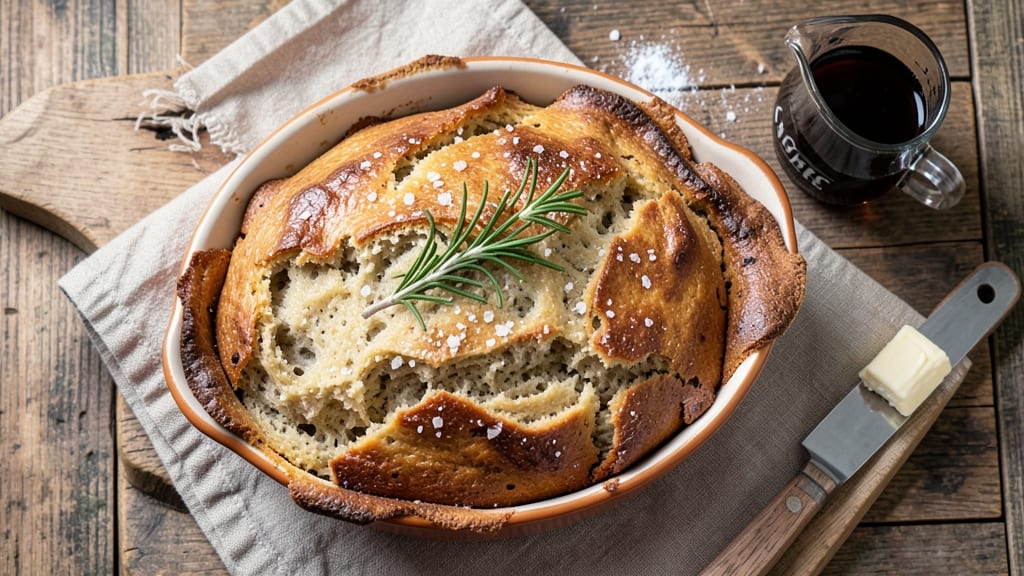
This Guinness beer bread recipe transforms simple pantry staples into a golden, aromatic loaf with a crispy crust and chewy center—all thanks to the rich maltiness of Guinness.
The beer isn’t just an ingredient; it’s the secret to that signature tender crumb and deep, toasty flavor that makes this bread irresistible. I’ve baked this version dozens of times, and it never fails to deliver that perfect balance of texture and taste.
The beauty of this recipe lies in its simplicity: just six core ingredients, including active dry yeast and unsalted butter, come together in a foolproof method that even beginner bakers can master. The dough rises overnight in the refrigerator, which develops incredible flavor while keeping your kitchen cool.
When baked, the crust turns a beautiful golden brown, while the interior remains soft and slightly sticky—just like you’d expect from a professional bakery.
What makes this bread truly special is how the Guinness beer works its magic. The malted barley in the beer adds depth and a subtle sweetness that caramelizes during baking, creating that signature toasty aroma.
The result is a loaf that’s perfect for serving alongside soups, stews, or even on its own with a smear of garlic butter. Trust me, once you try this, store-bought bread won’t compare.
For those who love customization, you can add herbs like rosemary or thyme to the dough or brush the crust with melted butter and sprinkle with coarse salt before baking. The possibilities are endless, but the foundation—this perfect balance of crispy crust and chewy center—is what makes it unforgettable.
Ingredients for guinness beer bread
Six simple ingredients unlock that signature Guinness aroma and texture—no fancy tools needed.
| Ingredient | Amount | Notes |
|---|---|---|
| Guinness Beer 🍺 | 1 ½ cups | Cold for best flavor |
| All-Purpose Flour 🌾 | 3 ½ cups | Sifted for light texture |
| Active Dry Yeast 🍞 | 2 tsp | Freshly opened packet |
| Granulated Sugar 🍚 | ¼ cup | For yeast activation |
| Unsalted Butter 🧈 | ½ cup | Cold, cubed for dough |
| Salt 🧂 | 1 tsp | Kosher or sea salt |
| Garlic Powder 🧄 | 1 tsp | For subtle depth |
| Rosemary Dried 🌿 | 1 tsp | Optional herb boost |
The Guinness is the star here, so grab a cold bottle from the fridge—room temperature beer won’t give that same toasty depth. Heineken or any dark malt beer works in a pinch, but nothing beats the real thing. For the flour, King Arthur or Gold Medal are my go-tos—they’re light and consistent. The yeast? Check the expiration date—old yeast won’t wake up, and you’ll end up with a flat loaf. If you’re feeling fancy, toast the flour with the butter first for extra nutty flavor, but it’s totally optional. The butter matters too—use full-fat, not margarine, or your crust will be sad.
No Guinness? Substitute with 1.5 cups of dark beer or even non-alcoholic stout—just know the flavor will be slightly different. Short on rosemary? Dried thyme works too, but rosemary’s piney notes pair perfectly with the malt. The garlic powder is non-negotiable—it’s what gives that subtle savory kick. If you’ve got fresh herbs, use twice the amount of dried. For the sugar, don’t skip it—it’s what gets the yeast party started. And if you’re worried about the dough being too sticky, add 1-2 tbsp more flour when mixing, but don’t go overboard or the texture will suffer.
This dough is a dream to prep ahead—make it the night before and let it rise in the fridge. It keeps for 2 days in an airtight container, and the flavor only gets better. If you’re not baking it right away, cover it with a damp towel so it doesn’t dry out. The baked loaf? Best eaten within 2 days for that perfect chewy crust, but you can reheat slices in the oven to revive the crisp. I always slice it thick and toast the ends—absolute game-changer for that fresh-from-the-oven feel.
Why You'll Love This Recipe
- No Yeast Fuss: I swear by this—just mix, let it sit, and bake. No kneading, no waiting hours. The yeast works its magic while I sip my morning coffee, and boom, bread’s ready by lunch.
- Malty Magic: That Guinness isn’t just flavor—it’s the star. Rich, toasty, and slightly bitter, it cuts through butter like a dream. Honestly, the first slice makes me pause mid-bite.
- Game for Any Meal: Too fancy for breakfast? Too simple for dinner? Not this. Toast it for brunch, serve with soup for lunch, or tear it over stews. My husband even sneaks it into his sandwiches.
- Budget Baking Win: Flour, butter, and a pint of Guinness? That’s it. No specialty ingredients, no waste—I’ve made this for years, and the leftovers last longer than my willpower to resist them.
Step-by-step instructions for Guinness beer bread recipe
Here's how to transform simple ingredients into golden, crispy-edged loaves with a chewy interior that'll make your kitchen smell like a pub.
Activate the Yeast with Cold Guinness
In a small bowl, combine the 1.5 cups cold Guinness beer with the 0.25 cup granulated sugar and 2 tsp active dry yeast. Let this mixture sit for 5-10 minutes until it becomes foamy and bubbly—this confirms your yeast is alive and ready to work. The cold beer slows down activation just enough to give you control, while the sugar provides food for the yeast to multiply. If it doesn't bubble after 10 minutes, your yeast might be dead, and you'll need to start fresh.
While waiting, preheat your oven to 375°F and grease a 9x5-inch loaf pan generously with butter or cooking spray. The beer's bitterness will mellow as it cooks, but that initial flavor is what gives this bread its signature depth. Don't skip the cold beer—warm beer would activate the yeast too quickly, throwing off your timing and texture.
Mix the Dough Until Just Combined
In a large mixing bowl, whisk together the 3.5 cups all-purpose flour, 1 tsp salt, 1 tsp garlic powder, and 1 tsp dried rosemary. This dry mixture should look like a fine, even powder with no flour clumps. Add the yeast-beer mixture to the dry ingredients along with the 0.5 cup cold cubed unsalted butter. Using a wooden spoon or your hands, gently mix until the dough comes together—it'll be sticky and shaggy at first, but that's perfect.
Here's where it gets interesting: the butter should melt slightly from the warm yeast mixture, creating pockets of fat that will contribute to that irresistible crispy crust. Mix just until the dough holds together when pressed—overmixing develops gluten and makes the bread tough. If it feels too dry, add 1-2 tablespoons of the cold Guinness to bring it back together. The dough should be soft but not sticky enough to cling to your fingers.
Let the Dough Rise Until Nearly Doubled
Scrape the dough into the prepared loaf pan and smooth the top with a wet spatula. Cover the pan tightly with plastic wrap or a damp kitchen towel, then let it rise in a warm place for 45-60 minutes. You're looking for the dough to puff up until it reaches about 1 inch above the pan's rim—this indicates proper fermentation. The kitchen should smell like a mix of fresh bread and Guinness, which is the best aroma ever.
For even better flavor, let the dough rise in a slightly warm environment—place the pan on top of your oven with the light on, or near a warm spot in your kitchen. The warmth helps the yeast work efficiently. If your kitchen is cold, the dough might take up to 90 minutes to rise. Patience here is crucial—rushing this step leads to dense bread instead of that light, airy texture we're after.
Bake Until Golden and Crispy
Once the dough has risen, place the loaf pan in the preheated 375°F oven and bake for 45-50 minutes. The bread is done when the top is deep golden brown and sounds hollow when tapped on the bottom. For that perfect crispy crust, I like to brush the top with a little more cold Guinness beer during the last 5 minutes of baking—this creates a beautiful sheen and enhances the flavor.
Here's a pro tip: if your oven runs hot, you might need to reduce the temperature to 350°F for the last 10 minutes to prevent over-browning. The internal temperature should reach 190-200°F when checked with an instant-read thermometer. When you remove it from the oven, let it cool in the pan for 10 minutes before transferring to a wire rack—this prevents the crust from becoming soggy as the steam escapes.
Slice and Serve Warm
After cooling for 10 minutes, run a sharp knife around the edges of the loaf to help it release from the pan. Slice while still warm for the best texture—each slice should have a crispy, golden crust that gives way to a soft, chewy interior with just the right amount of Guinness flavor. The aroma alone will make your kitchen feel like a cozy pub, and the slight garlic and rosemary notes add just the right depth.
Serve immediately with butter or your favorite pub-style spread. This bread is best enjoyed fresh—it keeps well for 2-3 days at room temperature wrapped in a clean kitchen towel, but it's never as good as the day it's baked. For extra crispiness, you can even toast slices the next day. The combination of crispy crust and chewy center makes every bite worth the wait!
Pro Tips For Making Guinness Beer Bread
- Chill the Dough: After mixing, let the dough rest in the fridge for at least 30 minutes—yes, even if you’re eager to bake. I used to skip this and ended up with a dense loaf that tasted more like a brick than bread. The cold slows the yeast just enough to let the flour absorb the Guinness properly, giving you that perfect airy crumb.
- Measure the Beer Right: Use a liquid measuring cup for the Guinness, not a mug or random glass—this stuff’s thicker than regular beer, and you’ll need exactly 12 oz (or whatever your recipe calls for). I once eyeballed it and ended up with a gummy, underproofed loaf. Trust the cup, not your guesswork.
- Don’t Overmix the Dough: Mix the dough just until the flour is combined—about 2 minutes by hand or until no dry spots remain. I’ve seen people beat this like a pancake batter, and it turns out tough as boot leather. The gluten develops fast, and you want that tender, slightly chewy texture, not a chew toy.
- Brush with Melted Butter: After baking, let the loaf cool for 5 minutes, then brush the top with melted unsalted butter while it’s still warm. This isn’t just for looks—it locks in moisture and gives that rich, buttery finish that makes the whole effort worthwhile. (Yes, even if you’re not a butter purist.)
Dietary considerations for this guinness beer bread
Gluten-Free Adaptation
For a gluten-free version, replace the all-purpose flour with a 1:1 gluten-free baking flour blend like Bob's Red Mill 1-to-1 or King Arthur Measure for Measure. Use the same 3.5 cups measurement, but add 1 teaspoon xanthan gum to mimic gluten's structure.
The dough will be stickier, so wet your hands when handling it. Expect a slightly denser texture, but the Guinness flavor remains intact. 🌾
Alcohol-Free Option
Skip the Guinness entirely and substitute with 1.5 cups cold non-alcoholic stout (like Heineken 0.0 or Guinness 0.0) for the same toasty depth. Alternatively, use 1.5 cups cold dark tea (like Earl Grey) or 1.5 cups cold vegetable broth for a neutral base.
The alcohol isn’t essential—it’s the maltiness that matters! 🍺
Low-Carb Version
Swap the flour for 3.5 cups almond flour (finely ground) or a low-carb bread flour blend like Cape Cod Almond Flour. Reduce the sugar to 1 tablespoon and add 1 extra egg to bind the dough.
The texture will be denser but still crispy. For extra flavor, stir in 2 tablespoons psyllium husk powder to improve rise and structure. 🥑
Dairy-Free Substitution
Replace the unsalted butter with ½ cup dairy-free butter (like Miyoko's) or ½ cup coconut oil (solid at room temperature). For richness, add 2 tablespoons melted dairy-free margarine to the dough. The crust will still crisp up beautifully, though it may lack some of the original butter’s depth. 🧈
Yeast-Free Option
For a quick-rise version, omit the yeast and replace it with 1 teaspoon baking powder and 1 teaspoon baking soda. Mix the dough as directed, but bake immediately in a preheated 375°F oven for 35-40 minutes.
The texture will be denser and more cake-like, but the Guinness flavor shines through. Perfect for last-minute cravings! ⏰
Nutrition facts
Frequently asked questions
Why does this bread need cold Guinness?
Cold Guinness slows yeast activation just enough to give you control over the rise time while preserving its rich malt flavors. Warm beer would make the yeast work too quickly, resulting in a dense loaf. Plus, the cold temperature helps maintain the beer's carbonation for better texture.
Can I make this bread without a loaf pan?
Shape the dough into a free-form round or oval on a baking sheet lined with parchment paper. Brush with melted butter and sprinkle with coarse salt before baking. The edges will crisp beautifully, though the texture may be slightly denser than pan-baked bread.
What if my dough doesn't rise?
Check your yeast first—it must be fresh and active (test by mixing with warm water and sugar; it should bubble in 5-10 minutes). If the yeast is fine, try creating a warmer environment (place the dough near a turned-on oven light) or let it rise longer. Cold kitchens can slow fermentation to 90 minutes or more.
How can I make this bread extra crispy?
Brush the baked loaf with melted butter while still warm, then place it on a wire rack for 10 minutes to cool. For next-level crunch, broil for 1-2 minutes at the end of baking. Pro tip: Toast slices in a dry skillet for 30 seconds per side to revive crispiness.
Can I add cheese to this bread?
Yes! Try folding in 1 cup shredded cheddar or ½ cup grated Parmesan with the dry ingredients. For a pub-style twist, sprinkle ½ cup melted cheddar on top before baking. The cheese adds richness that pairs perfectly with the beer's maltiness.