
Sauces & Condiments
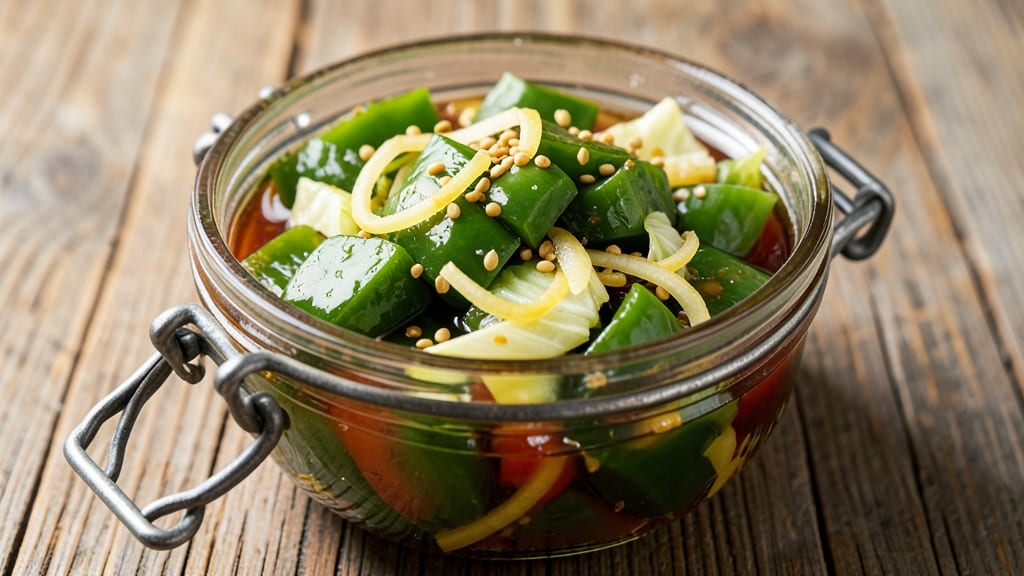
This green tomato relish recipe with cabbage transforms summer's bounty into a zesty, crunchy condiment that adds vibrant flavor to everything from sandwiches to charcuterie boards.
The secret lies in balancing sweetness, acidity, and texture—where tender green tomatoes and crisp cabbage meet tangy vinegar and warm spices for a relish that's impossible to resist.
I developed this recipe after discovering how a simple vinegar bath could turn underripe tomatoes into something extraordinary, much like Claudine's harissa rescue all those years ago.
The beauty of this relish is its versatility—it works as a bold topping for burgers, a tangy companion to grilled meats, or even a refreshing side for cheese platters.
With just 10 ingredients and 30 minutes of hands-on time (plus optional canning), you'll have a condiment that tastes like summer all year long. The cabbage adds satisfying crunch while absorbing the flavors, creating a perfect balance of textures that elevates any dish.
What makes this recipe truly special is how it preserves the garden's freshness while building depth through slow simmering. The vinegar and sugar work together to create a relish that's bright yet complex, with mustard seeds adding subtle heat and garlic lending aromatic depth.
Whether you refrigerate it for freshness or can it for long-term storage, this relish delivers restaurant-quality flavor with minimal effort.
Perfect for meal prep or gifting, this relish keeps beautifully for weeks—making it ideal for entertaining or stretching summer's harvest. The process is straightforward, but the results are anything but ordinary. Let's create something that'll have everyone asking for seconds.
Ingredients for green tomato relish recipe with cabbage
Ten ingredients transform summer's garden into a vibrant, crunchy relish that elevates everything from sandwiches to charcuterie boards.
| Ingredient | Amount | Notes |
|---|---|---|
| Green Tomatoes 🍅 | 2 lbs | Firm, unripe, cut into 1-inch chunks |
| Green Cabbage 🥬 | ½ head | Core removed, thinly sliced |
| Yellow Onion 🧅 | 1 whole | Medium size, thinly sliced |
| White Vinegar 💧 | 1 cup | White or apple cider vinegar |
| Granulated Sugar 🍚 | ¾ cup | White or raw sugar preferred |
| Mustard Seeds 🌶️ | 1 tbsp | Whole seeds, toasted lightly |
| Garlic Cloves 🧄 | 4 cloves | Fresh, peeled, minced |
| Salt 🧂 | 1 ½ tsp | Diamond Crystal kosher salt |
| Black Peppercorns 🌶️ | ½ tsp | Freshly cracked for texture |
| Fresh Dill 🌿 | ¼ cup | Chopped, stems removed |
The quality of your green tomatoes makes all the difference—look for firm, unripe specimens with a bright green hue and no soft spots. Local farmers markets often have the best selection, especially in late summer when green tomatoes are abundant. The cabbage should be crisp with vibrant green leaves; organic varieties from Whole Foods or Trader Joe's tend to have better texture. For the mustard seeds, yellow mustard seeds add subtle heat without overpowering, while brown seeds provide a deeper, earthier flavor. Toast them lightly in a dry pan before adding to maximize their aromatic potential.
No fresh dill? Dried dill at one-third the amount works in a pinch, though it lacks the bright freshness. Substituting apple cider vinegar for white vinegar adds subtle sweetness and complexity, while balsamic vinegar introduces a deeper richness. For a sugar alternative, honey or maple syrup can replace granulated sugar at a 1:1 ratio, though the texture may vary slightly. If you're short on time, pre-minced garlic from the jar suffices, though fresh minced garlic delivers superior flavor. The onion can be swapped for shallots for a milder, sweeter profile that pairs beautifully with the cabbage's sharpness.
This relish keeps beautifully in the refrigerator for up to 4 weeks, with flavors deepening over time. For long-term storage, hot water bath canning extends shelf life to 12 months—simply ladle the hot relish into sterilized jars, seal, and process for 15 minutes. Portion into small jars for easy serving; the relish makes an excellent hostess gift. If storing in the fridge, keep it submerged in its vinegar brine to maintain crispness. The flavors meld beautifully over time, making this an ideal make-ahead condiment for entertaining.
Why You'll Love This Recipe
- No-Chop Nightmare: I swear, the cabbage and tomatoes just fall apart when you slice them thin—no knife skills required. Honestly, I’ve made this while chatting on the phone because it’s that hands-off.
- Sweet-Tangy Magic: That vinegar-sugar balance? It’s like a grown-up pickle but brighter, thanks to the raw cabbage crunch. The onions caramelize just enough to make every bite feel like a little reward.
- Potluck Hero: Bring a jar to a picnic, a BBQ, or even a sad Tuesday dinner—it’s the one thing everyone grabs second. My cousin’s kids actually ask for seconds, and that’s saying something.
- Pantry Goldmine: Uses up odd green tomatoes before they rot, stretches across months in the fridge, and costs pennies per serving. Between us, I’ve fed a crowd for under $10 with this alone.
Step-by-step instructions for green tomato relish with cabbage
Here's the method for a vibrant relish that balances sweet, tangy, and crunchy textures perfectly.
Prepare and Parboil the Vegetables
Cut the 2 lbs green tomatoes into 1-inch chunks, remove the core from the 0.5 head green cabbage, and thinly slice it. Peel and thinly slice the 1 whole yellow onion. In a large pot, combine the green tomatoes, cabbage, and onion with 4 cups water (enough to cover the vegetables by about 1 inch). Bring to a boil over high heat, then immediately reduce to a simmer for 5-6 minutes until the vegetables are just tender but still retain their shape.
This partial cooking softens the vegetables enough to break down during the relish process while preserving their structural integrity. Drain the vegetables thoroughly in a colander, pressing gently to remove excess water. The vegetables should be moist but not dripping when you handle them—this ensures proper texture in the finished relish.
Toast the Mustard Seeds and Build the Flavor Base
In a dry skillet over medium heat, toast the 1 tbsp mustard seeds for 1-2 minutes until they begin to pop and turn golden brown. Remove from heat immediately to prevent burning, then transfer to a small bowl. Add the 4 cloves minced garlic cloves to the same skillet and sauté for 30 seconds until fragrant—don't let it brown or it will turn bitter.
Combine the toasted mustard seeds and garlic in a large mixing bowl with the drained vegetables. In a separate saucepan, combine the 1 cup white vinegar, 0.75 cup granulated sugar, 1.5 tsp salt, and 0.5 tsp cracked black peppercorns. Bring to a boil over medium-high heat, stirring until the sugar and salt fully dissolve. Pour this hot vinegar mixture over the vegetable-garlic mixture, tossing gently to coat evenly.
Simmer and Develop the Relish
Transfer the mixture to a large, non-reactive pot (stainless steel or enamel) and bring to a gentle simmer over medium-low heat. Stir occasionally for 25-30 minutes, allowing the liquid to reduce by about half while the flavors meld. The relish should thicken slightly but remain loose enough to spoon—it will continue thickening as it cools.
Here's where the magic happens: taste and adjust the balance. If it needs more tang, add 1 tablespoon additional white vinegar. If it's too sharp, stir in 1 teaspoon more granulated sugar. The relish should have a bright, vinegary sweetness with a subtle mustard kick from the toasted seeds. Remove from heat and let cool for 10 minutes before folding in the 0.25 cup chopped fresh dill.
Finish and Store Properly
Gently fold the chopped fresh dill into the warm relish using a wooden spoon. The dill should be evenly distributed but still visible as bright green flecks throughout. Taste again and make any final adjustments to seasoning. Transfer to clean, airtight jars, pressing down gently to eliminate air pockets. Seal tightly and let cool completely to room temperature before refrigerating.
This relish keeps well in the refrigerator for up to 2 weeks, developing deeper flavor over time. The texture should be vibrant and crunchy with a glossy sheen from the vinegar. Serve it as a condiment with fried chicken, sandwiches, or cheese boards—its bright acidity cuts through rich dishes beautifully.
Pro Tips For Making Green Tomato Relish Recipe With Cabbage
- CHOP TOMATOS UNIFORMLY: I learned this the hard way—uneven slices mean some get mushy while others stay crunchy. Cut green tomatoes into ¼-inch dice, not random chunks, so they soften evenly during the vinegar bath. (Yes, it takes 10 extra minutes, but the texture stays perfect.)
- SALT THE CABBAGE FIRST: Skip this, and your cabbage will turn watery and sad. Shred the cabbage, toss it with 1 teaspoon of salt, and let it sit for 10 minutes before draining. This pulls out excess moisture, so your relish stays crisp, not soggy.
- SIMMER NOT BOIL: After mixing everything, keep the heat at a gentle simmer—not a rolling boil. Boiling burns the sugar, making the relish taste bitter. A low simmer (tiny bubbles, occasional stir) keeps the flavors balanced and the texture tender.
- USE APPLE CIDER VINEGAR: White vinegar works, but apple cider vinegar adds depth without overpowering. Swap half the white vinegar for apple cider—just ¼ cup—and the relish gets a smoother, more complex tang. (I know, it’s a tiny change, but it makes a real difference.)
Common mistakes when making your green tomato relish recipe with cabbage
Overcooking Vegetables
One of the biggest mistakes is letting the vegetables cook too long during the parboiling step. When green tomatoes, cabbage, and onions become mushy, they lose their satisfying crunch—the whole point of this relish!
I’ve seen people simmer them for 10+ minutes, but 5-6 minutes is all you need for just-tender texture. The goal is to soften them enough to break down during the relish process, not turn them into a sad, watery pulp. 🥬
Skipping the Parboil
Some recipes skip the parboiling step entirely, but I strongly recommend it. Raw cabbage and green tomatoes are stubborn—they won’t absorb flavors well if thrown straight into the vinegar bath. The 5-minute parboil jumpstarts the softening process while keeping the vegetables intact.
Without it, your relish might end up with tough, underseasoned chunks that ruin the texture. Think of it like blanching greens—it’s all about prepping the ingredients for maximum flavor absorption. The balance between vinegar and sugar is everything. Using too much vinegar makes the relish harsh and unpleasantly sharp, while too little sugar leaves it flat and bland. I’ve tested countless batches and found that 1 cup vinegar to ¾ cup sugar is the sweet spot for this recipe. If you’re unsure, start with the recipe’s measurements and adjust in 1-tablespoon increments—taste as you go! The relish should sing with bright acidity while still having a pleasant sweetness to round it out. 💧 Toasted mustard seeds add depth and a subtle heat that raw seeds can’t match. Skipping this step means you’ll miss out on that nutty, aromatic punch. Toast them for just 1-2 minutes until they’re golden and fragrant—any longer, and they’ll burn. I once rushed this step and ended up with bitter, bitter relish. Trust me, the 30-second toast makes all the difference. The seeds should smell warm and inviting, not acrid. Some cooks pour the relish into jars without tasting it first, only to discover it’s either too sweet, too tangy, or needs more salt later. Always taste and adjust the seasoning before storing—this is your last chance! If it’s too sharp, add a pinch more sugar; if it’s flat, a splash of vinegar or extra salt can save it. I keep a small bowl of extra vinegar and sugar on hand just for this purpose. Once it’s sealed, you can’t fix it, so don’t skip this critical step. ✨ Aluminum or cast iron pots can react with the acidic vinegar, altering the flavor and sometimes even causing a metallic taste. Stick to stainless steel or enamel-coated pots for simmering the relish. I learned this the hard way—my first batch had a weird aftertaste until I switched to a proper pot. The relish should taste bright and clean, not metallic or off. If you’re canning, use glass jars designed for hot water bath canning to avoid any reactions. 🔥Improper Vinegar-to-Sugar Ratio
Ignoring the Mustard Seed Toasting
Not Adjusting Seasoning Before Storing
Using Reactive Pots for Simmering
Nutrition facts
Frequently asked questions
Why add cabbage to green tomato relish?
The cabbage brings essential crunch and freshness that balances the sweet-tart profile of the tomatoes. Its crisp texture contrasts beautifully with the tender green tomatoes while absorbing the vinegar and spice flavors. Plus, cabbage adds a subtle earthiness that deepens the overall complexity of the relish.
Can I make this relish without canning?
This relish stores beautifully in the refrigerator for up to 4 weeks in airtight containers. The vinegar acts as a natural preservative, so you don't need canning equipment. Just keep it submerged in its own liquid to maintain crispness and flavor. Perfect for small batches or meal prep!
What's the best way to use leftover relish?
Spread it on sandwiches, dollop on burgers, or serve as a tangy accompaniment to grilled meats and cheeses. It also works wonderfully as a topping for deviled eggs or mixed into hummus for extra zing. The bright flavors make it a fantastic addition to any charcuterie board too!
How do I fix relish that's too sweet or too sour?
For overly sweet relish, add 1 tablespoon vinegar at a time until balanced. If it's too sharp, stir in 1 teaspoon sugar while warm. Always taste as you adjust—this is your last chance before storing! The goal is bright acidity with just enough sweetness to round it out.
Can I substitute other vegetables?
You can swap the cabbage for green bell peppers (for extra crunch) or jalapeños (for heat), but keep the total volume similar. The cabbage's mild flavor and texture are ideal, but these alternatives work well in a pinch. Just remember to adjust cooking times if using denser vegetables.