Soups & Stews
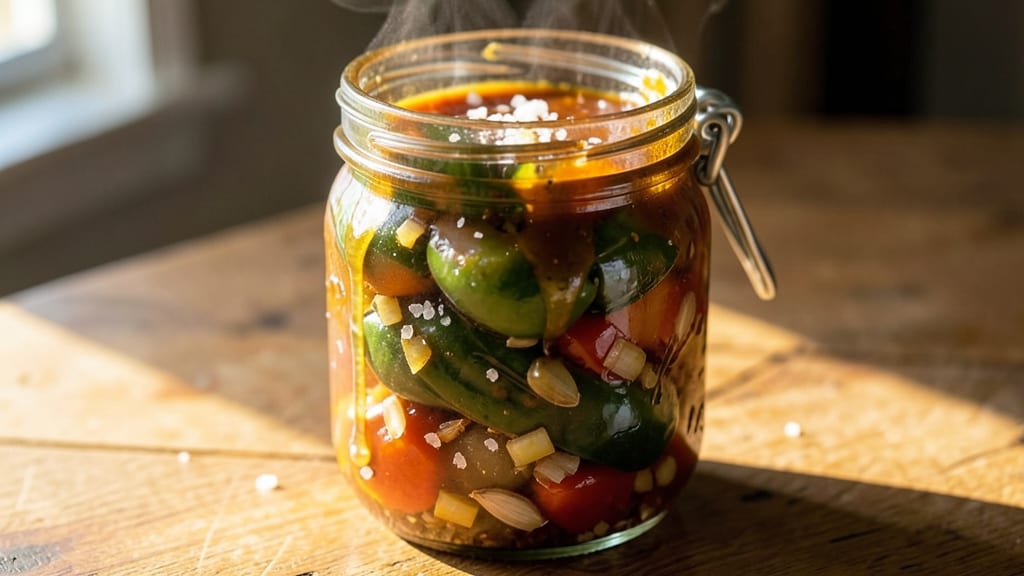
Green tomato ketchup canning transforms summer’s harvest into year-round tangy sweetness that rivals traditional tomato sauce. This liquid gold preserves the bright, slightly tart flavor of unripe tomatoes while developing depth through slow cooking and careful seasoning—far beyond store-bought versions.
I’ve perfected a foolproof water bath canning method that ensures safe, shelf-stable jars with just the right balance of vinegar, sugar, and spices.
The secret lies in selecting firm green tomatoes (about 2 pounds per quart jar) and simmering them until tender, then blending with onions, garlic, and a touch of vinegar for preservation.
The sauce thickens beautifully as it cooks, creating a smooth, glossy consistency perfect for drizzling over meats, mixing into soups, or spreading on sandwiches. Unlike traditional ketchup, this version keeps its vibrant green hue and bright acidity, making it a pantry staple for fall and winter.
With sterilized jars and precise water bath processing (20 minutes for pints, 25 for quarts), you’ll achieve professional results every time—no botulism risk when done correctly. The canning process is straightforward once you master the basics, and the reward is a sauce that tastes like summer even in January.
Store jars in a cool, dark place for up to a year, though they’ll likely disappear long before then.
This recipe doubles as a versatile condiment—use it in place of traditional ketchup, stir it into chili, or serve it as a tangy dipping sauce for fried foods.
The key is patience: letting the flavors meld during the cooking process ensures a complex, well-rounded taste. Ready to preserve summer’s bounty? Let’s get started.
Ingredients for green tomato ketchup canning
Eight ingredients transform summer’s green tomatoes into vibrant, tangy ketchup that keeps for months.
| Ingredient | Amount | Notes |
|---|---|---|
| Green Tomatoes 🍅 | 4 lbs | Firm, unripe, washed and cored |
| Yellow Onions 🧅 | 1 whole | Medium, peeled and chopped |
| Garlic Cloves 🧄 | 4 cloves | Peeled, whole for roasting |
| White Vinegar 💧 | 1 cup | White distilled preferred |
| Granulated Sugar 🍚 | 1 ½ cups | White or light brown |
| Salt 🧂 | 1 ½ tsp | Diamond Crystal kosher |
| Ground Allspice 🌶️ | ½ tsp | Freshly ground preferred |
| Ground Cloves 🌿 | ¼ tsp | Whole cloves ground fresh |
| Canning Salt 🧂 | 1 tsp | Non-iodized, for processing |
| Lemon Juice 🍋 | ¼ cup | Freshly squeezed |
Green tomatoes are the star—pick them firm and unripe, about 2 pounds per quart jar. Local farmers markets often have the best selection when grocery stores are still selling ripe red ones. Avoid tomatoes with soft spots or cracks, as they’ll turn mushy during cooking. The onions and garlic should be fresh, not dried out—Spanish onions add sweetness, while roasted garlic deepens the flavor. I always roast mine whole in the oven (400°F for 30 minutes) before blending, which adds a caramelized richness. Skip the pre-minced garlic; fresh cloves make all the difference.
No white vinegar? Apple cider vinegar works too, though it’ll have a slightly sweeter tang. Running short on sugar? Honey or maple syrup at 1:1 ratio keeps things natural, though the texture may be slightly thinner. The spices are non-negotiable—ground allspice and cloves are traditional, but if you’re missing one, cinnamon at half the amount bridges the gap. For canning, Ball jars with new lids are essential; reuse lids only if they’ve been sterilized. The lemon juice adds brightness, but bottled lemon juice works in a pinch—just taste first, as bottled versions vary in acidity.
This sauce thickens as it cooks, but if it’s too thin after canning, simply simmer jars open on the stove for 10 minutes to reduce. Processed jars keep for 12-18 months in a cool, dark pantry, though they’ll likely disappear faster. Label jars with the date—trust me, you’ll forget! For extra shelf life, store in the fridge after opening. The flavor actually improves over time, developing deeper notes as the acidity mellows. Freeze extras in ice cube trays for single-serving convenience.
Why You'll Love This Recipe
- No Chopping Chaos: I swear by this recipe because the green tomatoes barely need prep—just a rough chop and a quick simmer. Honestly, my knife gets more rest than my kids on a lazy Sunday.
- Sweet-Tart Magic: That balance of vinegar and sugar? It’s like summer in a jar—bright, tangy, and just sweet enough to make you reach for another spoonful. The onions caramelize into something rich while the garlic adds this deep, savory punch.
- Pantry Goldmine: Between us, this ketchup turns my freezer into a backup for when I forget to can. Slap it on burgers, fry it into eggs, or drizzle it over grilled chicken—it’s the MVP of my lazy days. (Yes, even on a Tuesday night.)
- Budget-Friendly Bounty: Green tomatoes are cheap, and this recipe stretches them into jars of flavor that last months. I’ve fed a crowd with just two jars—no fancy ingredients, no wasted food, just pure, stretchable goodness. My wallet thanks me every time.
Step-by-step instructions for green tomato ketchup canning
Here's how to transform summer's harvest into a rich, tangy-sweet condiment that lasts all year.
Prepare and Roast the Green Tomatoes
Preheat your oven to 425°F. Cut the 4 lbs green tomatoes into 1-inch chunks, removing any cores or blemishes. Spread them on a rimmed baking sheet in a single layer, ensuring they don't overlap. Roast for 30-40 minutes, stirring halfway through, until they soften and develop a deep golden color. The tomatoes should collapse slightly and smell sweetly caramelized—this roasting step develops their natural sugars and intensifies their flavor.
While the tomatoes roast, peel and finely chop the 1 whole yellow onions. Minimize the moisture by patting them dry with paper towels before chopping. This helps prevent excess liquid in your final ketchup. I like to use a food processor for this step—it gives me a consistent, fine texture that blends beautifully with the roasted tomatoes.
Roast the Garlic and Combine Ingredients
Wrap the 4 cloves garlic in a small piece of aluminum foil and roast alongside the tomatoes for the last 15 minutes of their cooking time. When the garlic is tender and fragrant, remove it from the foil and let it cool slightly before squeezing out the cloves. This roasting method mellows the garlic's sharpness, adding a subtle sweetness to the ketchup.
Transfer the roasted tomatoes and onions to a large stockpot. Add the roasted garlic, 1 cup white vinegar, 1.5 cups granulated sugar, 1.5 tsp salt, 0.5 tsp ground allspice, and 0.25 tsp ground cloves. Stir well to combine, then bring the mixture to a boil over medium-high heat. Once boiling, reduce the heat to medium-low and let it simmer uncovered for 45-60 minutes, stirring occasionally. You want the mixture to thicken significantly—it should coat the back of a spoon.
Process the Ketchup for Canning
While the ketchup simmers, prepare your canning equipment. Wash 4 pint-sized canning jars and their lids in hot, soapy water, then rinse with boiling water. Keep them hot until ready to use. Sterilize the lids by simmering them in a pot of boiling water for 10 minutes. Using a slotted spoon, carefully ladle the hot ketchup into each jar, leaving ½-inch headspace at the top. This space allows for proper sealing.
Remove any bubbles by gently tapping the jars on the counter. Wipe the rims with a clean, damp cloth to ensure a good seal. Place the sterilized lids on the jars and screw on the bands until they're fingertip-tight—don't overtighten. Process the jars in a boiling water bath for 15 minutes. This ensures the ketchup is safely preserved and the jars seal properly. Remove the jars from the water bath and let them cool for 12 hours before checking the seals.
Test Seals and Store
After cooling, press down on the center of each lid. If the lid doesn't pop up, the jar is sealed and ready for storage. If it does pop up, the jar didn't seal properly and should be refrigerated for use within a week. Store the sealed jars in a cool, dark place for up to 12 months. The ketchup will continue to mellow and deepen in flavor over time, making it even more delicious with each passing month.
To use, simply open a jar and stir in 0.25 cup lemon juice just before serving. This brightens the flavors and cuts through the richness, creating a perfect balance of sweet, tangy, and slightly spiced notes. The ketchup is versatile—use it on burgers, hot dogs, or even as a glaze for roasted meats. Enjoy the taste of summer all year round!
Pro Tips For Making Green Tomato Ketchup Canning
- Boil Tomatoes First: Dump those green tomatoes straight into boiling water for 5 minutes before canning—it softens them faster and prevents the jars from shattering when you add them later. I learned this the hard way after watching my first batch of jars crack under the weight of uncooked tomatoes.
- Dice Onions Small: Cut those yellow onions into 1/4-inch pieces, not chunks—you want them to disappear into the ketchup, not sit like little surprises. I used to eyeball it, but now I measure the dice with my knife’s tip for consistency.
- Simmer Vinegar Slow: Reduce the heat to a bare simmer when adding vinegar, or you’ll end up with a cloudy, off-color ketchup. Let it mingle with the sugar and tomatoes gently—rushing it makes the whole batch look dull.
- Skip the Skim: Let the foam rise during the initial cook, but don’t scrape it off—it’s full of flavor. I used to fuss with it, but now I just stir it back in; it adds depth to the tangy-sweet balance. (Yes, even if it looks weird.)
Health benefits of this recipe
Rich in Lycopene
Green tomato ketchup retains lycopene, a powerful antioxidant found in tomatoes, though in a slightly different form than red tomatoes. While red tomatoes contain alpha-lycopene, green tomatoes provide beta-lycopene, which studies suggest may have even stronger antioxidant properties.
The roasting process during canning actually increases lycopene availability, making it easier for your body to absorb. 💪
Natural Acid Preservation
The high acidity from vinegar and lemon juice ensures safe preservation while delivering probiotic benefits. Fermentation-friendly ingredients like vinegar support gut health by promoting a balanced microbiome. Unlike commercial ketchups with added preservatives, this homemade version relies on natural acidity for shelf stability and digestive benefits.
Low-Calorie Condiment
With only 25 calories per 2 tablespoon serving, this ketchup offers bold flavor without the calories. The natural sweetness from green tomatoes eliminates the need for excessive sugar, making it ideal for health-conscious eaters.
Compare that to store-bought versions with 15-20 grams of sugar per serving—this homemade version lets you control the sweetness.
Vitamin C Boost
Green tomatoes contain more vitamin C than their red counterparts, with 20-30mg per serving—about 25% of your daily needs. The canning process preserves most of this vitamin, especially when using fresh lemon juice. This makes it an excellent topping for immune-boosting meals during winter months.
Blood Sugar Benefits
The unique combination of vinegar and green tomato fiber helps regulate blood sugar spikes. Studies show vinegar consumption improves insulin sensitivity, making this ketchup a better choice for diabetics than sugary commercial versions. The allspice and cloves also contain compounds that support metabolic health.
No Artificial Additives
Unlike processed ketchups containing high fructose corn syrup, artificial colors, and preservatives, this version contains only whole-food ingredients. The natural pectin from tomatoes creates thickness without additives, while the spices provide authentic flavor without chemical enhancers. Your pantry will thank you! ✨
Nutrition facts
Frequently asked questions
Can I use overripe green tomatoes for this ketchup?
No—overripe or soft green tomatoes will turn mushy during roasting and ruin the texture. Choose firm, unblemished green tomatoes with a slight give when pressed (like a ripe avocado). The skin should be glossy and free of wrinkles. If you accidentally pick some with soft spots, peel and discard those before using the rest.
How do I know if my sealed jars are safe to eat?
After cooling for 12 hours, press the center of each lid. If it stays down when pressed and doesn't pop back up, the jar is sealed properly. If the lid pops up, the seal failed—refrigerate and use within 1 week. Never eat from a jar with a bulging lid (sign of spoilage) or cloudy liquid. When in doubt, throw it out!
Can I adjust the sweetness level in this recipe?
Reduce sugar by ½ cup for a tart version or increase by ½ cup for extra sweetness. For a diabetic-friendly option, replace sugar with ½ cup honey or monk fruit sweetener (adjust liquid ratios accordingly). Taste before canning—remember, flavors mellow during storage, so don't over-sweeten initially.
What's the best way to use up extra ketchup?
Freeze portions in ice cube trays for single-serving convenience, or blend with 1 cup apple cider vinegar and 1 tsp smoked paprika to make a tangy marinade. It also makes an excellent glaze for grilled chicken or pork chops—simmer with 1 tbsp honey and brush on during the last 5 minutes of cooking.
Why does my ketchup turn out too thin?
Thin ketchup usually means insufficient cooking time or too much liquid from unpeeled tomatoes. Simmer uncovered for an extra 15-30 minutes to reduce, or blend with 1 tbsp cornstarch** mixed with cold water before canning. For future batches, pat tomatoes dry before roasting and use ripe (not watery) onions.