
Salads
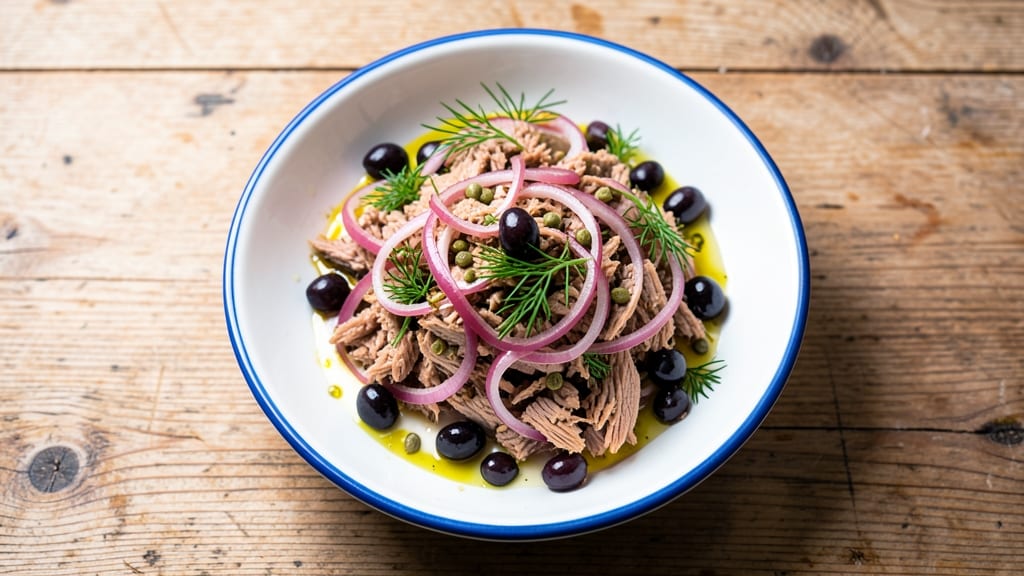
This Greek tuna salad recipe transforms simple ingredients into a vibrant, protein-packed dish that balances Mediterranean flavors with fresh, bright notes. The secret lies in the perfect harmony of briny olives, tangy lemon, and rich olive oil—elements my grandmother swore by for any seafood salad.
I’ve refined her approach over years of testing, ensuring every bite delivers that restaurant-quality crunch and zing without the fuss.
The magic happens in the dressing: extra-virgin olive oil, fresh lemon juice, and a touch of red wine vinegar create a base that clings to flaked tuna, chopped vegetables, and crumbled feta. Traditional elements like Kalamata olives and red onion add depth, while fresh dill and parsley brighten the palette.
This isn’t just a side—it’s a complete meal, packed with protein and flavor that holds up for lunches or light dinners.
What you’ll end up with is a salad that’s creamy yet crisp, tangy yet balanced, and satisfying enough to serve as a main dish with crusty bread or over greens.
The texture is where it shines: tender tuna, briny olives, and creamy feta all come together in a way that feels both nostalgic and fresh. Ready in just 15 minutes, it’s the kind of recipe that proves weeknight cooking can still feel special.
For those watching their diet, this is a pescatarian powerhouse—high in protein, low in carbs, and packed with healthy fats from the olive oil. Serve it as a standalone lunch, a side for grilled meats, or even stuffed into pita pockets for a handheld meal.
The possibilities are endless, but the foundation stays true to its roots: bold, bright, and impossible to resist.
Ingredients for greek tuna salad
Bright Mediterranean flavors come together with these simple, quality ingredients for a restaurant-worthy tuna salad.
| Ingredient | Amount | Notes |
|---|---|---|
| Canned Tuna in Olive Oil 🐟 | 2 cans | High-quality, drained well |
| Extra-Virgin Olive Oil 🫒 | ½ cup | Light, fruity variety preferred |
| Fresh Lemon Juice 🍋 | ¼ cup | Freshly squeezed, strained |
| Red Wine Vinegar 🍷 | 1 tbsp | Dry, full-bodied |
| Kalamata Olives 🫒 | ½ cup | Pitted, sliced lengthwise |
| Red Onion 🧅 | ¼ cup | Finely chopped, mild bite |
| Crumbled Feta Cheese 🧀 | ½ cup | High-quality, crumbled |
| Fresh Dill 🌿 | ¼ cup | Chopped, stems removed |
| Fresh Parsley 🌿 | ¼ cup | Chopped, flat-leaf preferred |
| Garlic Cloves 🧄 | 2 cloves | Minced, fresh preferred |
| Salt 🧂 | ½ tsp | Sea salt, fine grain |
| Black Pepper 🌶️ | ¼ tsp | Freshly ground, coarse |
| Crusty Bread 🍞 | 4 slices | For serving, crusty varieties |
The tuna is the foundation, so opt for high-quality brands like Wild Planet or Starkist in olive oil—the flavor difference is noticeable. Fresh dill and parsley are non-negotiable for that authentic Greek brightness; grab them from the grocery store’s refrigerated section and use them within 48 hours. Kalamata olives should be plump and briny—look for them in the olive aisle or Mediterranean section. For the feta, buy a block and crumble it yourself—pre-shredded versions contain anti-caking agents that make it taste artificial. Red wine vinegar adds depth, but if you’re out, balsamic vinegar in a pinch works surprisingly well.
No fresh dill? Dried dill at one-third the amount is a decent swap, though it lacks the same freshness. Out of Kalamata olives? Green olives or capers add a similar briny punch. The olive oil matters here—use something light and fruity like Colavita or Bertolli, not the heavy, peppery varieties. For extra crunch, add chopped celery or cucumber (about 0.25 cup each). If you’re serving this as a main, consider adding hard-boiled eggs or avocado slices for extra protein.
This salad keeps beautifully for 3-4 days in the fridge, though the bread should be added fresh to avoid sogginess. Store the dressing components separately if prepping ahead—mix just before serving. For meal prep, portion into glass containers with tight lids to maintain freshness. The flavor actually improves after sitting for an hour, as everything melds together. Serve chilled or at room temperature with your crusty bread slices on the side.
Why You'll Love This Recipe
- Five-Ingredient Magic: I swear by this one—just toss in the tuna (still in its oil, no draining needed), a splash of bright lemon, a few olives, and a drizzle of olive oil. That’s it. No chopping, no fuss, and no last-minute grocery runs.
- Briny, Bright, Addictive: The red wine vinegar and lemon cut through the richness of the tuna, while the Kalamata olives add that salty punch. Honestly, it’s the kind of flavor that makes you want to eat it straight from the bowl—no sandwich required.
- Lunchbox Hero: Pack this for work or school—it stays fresh for days in the fridge, and the texture holds up perfectly. I’ve sent it with crusty bread, in wraps, or even over greens, and it’s always a hit. (Yes, even on a Tuesday night.)
- Budget-Friendly Powerhouse: Canned tuna and pantry staples mean this costs pennies per serving. Between us, I’ve made this for $3 a batch and never once felt like I was skipping a thing. Plus, leftovers? They’re my secret weapon for quick dinners.
Step-by-step instructions for Greek tuna salad
Here's the method for a vibrant, flavor-packed Greek tuna salad that balances rich tuna with bright citrus and briny olives.
Prepare the Base Ingredients
In a medium mixing bowl, open the 2 cans of canned tuna in olive oil and drain them thoroughly, pressing gently on the tuna to remove excess liquid. The olive oil from the cans will contribute to the dressing, so don't discard it completely—just remove as much as possible. Add the 0.5 cup extra-virgin olive oil and the 0.25 cup fresh lemon juice to the bowl. Stir well to combine, creating a smooth base.
This step is where the flavors begin to meld. The olive oil from the tuna and the extra-virgin olive oil create a rich foundation, while the lemon juice adds immediate brightness. You'll notice the mixture lighten in color as the lemon juice incorporates—this is your first indication that the flavors are coming together.
Add Aromatics and Herbs
Finely chop the 0.25 cup red onion and add it to the bowl. Then, mince the 2 cloves garlic cloves and stir them in. The onion should be small enough to disappear into the salad, providing a mild bite without overwhelming the dish. Add the 0.5 cup kalamata olives, sliced lengthwise, and the 0.5 cup crumbled feta cheese. Fold these ingredients gently but thoroughly into the mixture.
Next, add the 0.25 cup fresh dill and 0.25 cup fresh parsley, both chopped. These herbs will bring freshness and texture to the salad. Stir in the 1 tablespoon red wine vinegar, which adds a touch of acidity that balances the richness of the tuna and olive oil. The mixture should now have a vibrant green hue from the herbs and a speckled appearance from the olives and feta.
Season and Combine
Season the salad with the 0.5 teaspoon salt and 0.25 teaspoon black pepper. Taste the mixture and adjust the seasoning if needed—this is where you can refine the balance of flavors. The salad should be bright, slightly tangy, and well-seasoned without being overpowering. If it needs more acidity, add a splash of the fresh lemon juice. If it needs more richness, drizzle in a bit more extra-virgin olive oil.
Give the salad one final stir to ensure all ingredients are evenly distributed. The texture should be creamy from the olive oil and tuna, with a pleasant contrast from the olives, feta, and herbs. The salad is now ready to be served, but the flavors will continue to develop as they rest for a few minutes.
Serve with Crusty Bread
Transfer the Greek tuna salad to a serving bowl or plate. Arrange the 4 slices of crusty bread on the side for dipping or serving alongside. The crusty bread provides the perfect vehicle for scooping up the flavorful salad, and its texture contrasts beautifully with the creamy, herby mixture.
Serve the salad immediately while the flavors are at their peak. The bright lemon and olive oil dressing will complement the rich tuna, and the kalamata olives and feta cheese add layers of briny and salty depth. This dish is best enjoyed fresh, so don't let it sit too long before serving.
Pro Tips For Making Greek Tuna Salad
- DRAIN THE TUNA WELL: That olive oil in the can? It’s not just flavor—it’s a pool of fat that’ll turn your salad greasy if you don’t handle it right. Drain the tuna for 10 minutes in a colander, pressing gently with a spoon to squeeze out excess oil. Trust me, your salad will thank you later.
- PICK THE OLIVES: Kalamata olives are the stars here, but not all are equal. Skip the shriveled ones and the ones floating in their brine—pick the plump, firm ones with a glossy sheen. A quick rinse in cold water removes excess salt, and chopping them just before mixing keeps them from turning mushy.
- ACIDIFY IN STAGES: Dumping all the lemon juice and vinegar at once? You’ll end up with a sad, watery mess. Start with half the lemon juice, taste, then add vinegar one teaspoon at a time. The salad should brighten without curdling the tuna—balance is everything.
- USE THE OIL FROM THE CAN: That olive oil the tuna came in? Don’t toss it. Stir in 1-2 tablespoons of it with the fresh olive oil—it adds depth and cuts through the acidity better than plain EVOO alone. (Yes, even if it’s not the fanciest oil.)
Dietary considerations for greek tuna salad
Pescatarian Powerhouse
This salad is a pescatarian dream—packed with 24 grams of protein per serving from the tuna alone, making it a satisfying main dish.
The extra-virgin olive oil provides heart-healthy monounsaturated fats, while the lemon juice adds vitamin C. I always serve this as my go-to lunch when I'm avoiding meat but still want something filling and flavorful. 🐟
Gluten-Free Friendly
Naturally gluten-free, this salad is perfect for anyone avoiding gluten. Just ensure your crusty bread is certified gluten-free if serving it on the side. I keep a stash of gluten-free baguette slices from my local bakery for these occasions.
The feta, olives, and tuna all remain safe for gluten-sensitive diets. ✨
Dairy-Free Adaptation
Skip the feta entirely and use vegan feta (like Violife or Follow Your Heart brands) for a dairy-free version. The flavor won't be identical, but it still delivers that briny, salty contrast.
I've also had success with marinated tofu cubes for extra texture if you want to boost protein further. The salad stays vibrant and satisfying without dairy. 🌱
Low-Carb Option
For a low-carb twist, omit the bread entirely and serve the salad over butter lettuce or arugula. The tuna, olives, and feta provide all the flavor without the carbs. I often double the portion size when making it this way—it's hearty enough to stand alone as a meal.
The red onion adds just enough sweetness to balance the richness. 🥗
Allergen Awareness
Watch for potential allergens: tuna (fish) and feta (dairy) are the primary concerns. If you're serving guests with allergies, offer a separate bowl without these ingredients. I always keep olive oil-based alternatives like avocado or hummus on hand for those who need substitutions.
The salad's bright flavors make it easy to adapt while keeping it delicious. 💡
Nutrition facts
Frequently asked questions
Can I use water-packed tuna instead of olive oil-packed?
The recipe calls for olive oil-packed tuna because it adds natural richness that complements the dressing. If you must use water-packed, replace the 0.5 cup extra olive oil in the recipe with 2 tablespoons of olive oil plus 1 tablespoon of lemon juice to compensate for the missing fat. The texture will be slightly lighter but still delicious.
How do I make this salad ahead of time?
Prepare everything except the fresh herbs and bread up to 2 days ahead. Store the salad in an airtight container with the dressing separated. When ready to serve, stir in the fresh dill, parsley, and add the bread fresh to prevent sogginess. The flavors actually improve as they meld together overnight.
What can I serve with this salad for a complete meal?
Pair it with warm pita bread, grilled lemon wedges, or a side of roasted Mediterranean vegetables like zucchini and bell peppers. For extra heartiness, add a small Greek salad with cucumbers and tomatoes. The bright flavors complement grilled meats like chicken or lamb too.
Why does my salad taste too salty?
This usually happens from over-salting the feta or using pre-salted olives. Taste as you go! If needed, balance the saltiness with more lemon juice or red wine vinegar (both add acidity). For a quick fix, stir in 1 tablespoon of plain yogurt or a splash of water to dilute the salt.
Can I make this recipe without feta?
Swap the feta for crumbled goat cheese (for tanginess) or avocado cubes (for creaminess). For a dairy-free option, use marinated artichoke hearts or extra olives. Just reduce the salt slightly since these alternatives may be saltier. The salad will still be vibrant and flavorful.