
Sauces & Condiments
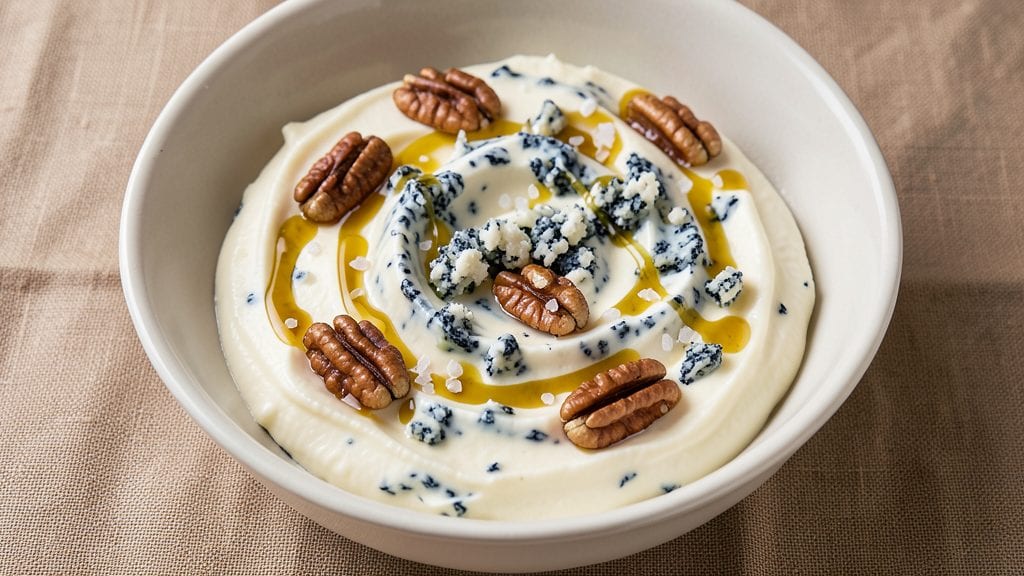
A gorgonzola butter recipe transforms simple meals into gourmet experiences with just three ingredients and 10 minutes of prep time. This rich, tangy spread elevates everything from toasted sourdough to tossed pasta—its creamy texture and bold blue cheese flavor make it a pantry essential.
I developed this version after years of testing, ensuring the perfect balance between sharpness and creaminess that never overpowers.
The secret lies in using room-temperature butter and aged gorgonzola, which blend into a velvety, spreadable consistency without turning grainy. Optional additions like toasted walnuts or honey can customize the flavor, but the classic version delivers restaurant-quality results with just these two base ingredients.
Most batches disappear within hours, so I always make a double portion.
What makes this recipe stand out is its versatility—use it as a bread dip, pasta sauce finishing touch, or sandwich spread. The rich, tangy flavor pairs beautifully with sweet or savory elements, making it a game-changer for any meal.
Once you try homemade gorgonzola butter, store-bought options will never compare again.
Store it in an airtight container in the refrigerator for up to 5 days, or freeze for longer shelf life. Let it sit at room temperature for 10 minutes before using to achieve that perfect spreadable texture.
This is the kind of condiment that transforms ordinary dishes into something extraordinary with minimal effort.
Ingredients for gorgonzola butter
Three core ingredients create this luxurious gorgonzola butter—rich, tangy, and restaurant-worthy.
| Ingredient | Amount | Notes |
|---|---|---|
| Unsalted Butter 🧈 | 1 cup | Room-temperature, European-style preferred |
| Aged Gorgonzola Cheese 🧀 | ½ cup | Crumbled, 100% gorgonzola (no mixes) |
| Extra-Virgin Olive Oil 🫒 | 1 tbsp | High-quality, fruity variety |
| Toasted Walnuts (Optional) 🥜 | ¼ cup | Chopped, lightly toasted |
| Honey (Optional) 🍯 | 1 tbsp | Wildflower or clover variety |
| Diamond Crystal Kosher Salt 🧂 | ¼ tsp | Fine grain for balance |
| Freshly Ground Black Pepper 🌶️ | ¼ tsp | Cracked peppercorns preferred |
The gorgonzola is non-negotiable—aged wheels from specialty cheese shops deliver the deepest flavor. Murray's Cheese or Whole Foods carry excellent options, but avoid pre-shredded blends. For butter, European-style brands like Plugrá or President yield a higher fat content, creating a more velvety texture. Room temperature is critical; let the butter sit for 30 minutes before mixing to prevent graininess. The olive oil acts as a natural emulsifier, so don't skip it—California Olive Ranch or Colavita are reliable choices for that fruity punch.
No aged gorgonzola? Young gorgonzola with a splash of balsamic vinegar mimics the tang, though texture will differ slightly. Walnuts can be swapped for pecans or hazelnuts, but toast them first—raw nuts lack the depth. Honey preferences vary, but local wildflower adds complexity. For a salt-free version, omit the kosher salt entirely; the gorgonzola provides enough umami. The pepper should be freshly cracked—pre-ground loses its intensity. If you're feeling adventurous, a pinch of smoked paprika adds warmth without altering the core flavor profile.
This compound butter maintains peak freshness for 5 days when refrigerated in an airtight container, though I rarely let it last that long. For longer storage, portion into 1-tablespoon servings and freeze for up to 3 months10 minutes before using to achieve that ideal spreadable consistency. The rich flavor intensifies overnight, so making a double batch is wise—it disappears faster than you can say 'sourdough toast.'
Why You'll Love This Recipe
- No-Fuss Mix-In: I swear by this—just fold the crumbled gorgonzola into softened butter, a splash of olive oil, and maybe a drizzle of honey if I’m feeling fancy. No standing over a stove, no fancy techniques, just a quick mash and store.
- Umami Bomb: That aged gorgonzola? It’s like a flavor grenade—creamy, tangy, and just salty enough to make everything taste richer. The walnuts add a satisfying crunch that cuts through the richness perfectly.
- Party or Pantry: Slather it on crusty bread for guests, toss it with pasta, or even dollop it on grilled steak. Honestly, I’ve used it in everything from weeknight dinners to holiday appetizers, and it never lets me down.
- Lasts All Week: Make a big batch—it keeps for days in the fridge, and the butter doesn’t separate. Between us, this is my go-to for lazy mornings (hello, toast) or when I’m too tired to cook but still want something special.
Step-by-step instructions for gorgonzola butter
Here's the method for crafting a luxurious, balanced spread that elevates everything from crusty bread to fresh pasta.
Combine Butter and Cheese
In a medium mixing bowl, place the 1 cup unsalted butter at room temperature. I prefer European-style butter here—its higher fat content creates a richer, more stable compound butter. Using a rubber spatula, gently fold in the 0.5 cup aged gorgonzola cheese, breaking up any large clumps as you go. The cheese should distribute evenly throughout the butter, creating a marbled effect with blue streaks throughout.
Work quickly but deliberately—you want the cheese to melt slightly into the butter without turning the mixture grainy. If the butter feels too soft to handle, chill the bowl in the refrigerator for 5 minutes before continuing. The ideal texture should be thick enough to hold its shape when piped but still spreadable. This foundational blend carries the bold, tangy flavor that defines gorgonzola butter.
Incorporate Seasonings and Optional Additions
Add the 1 tablespoon extra-virgin olive oil, 0.25 teaspoon diamond crystal kosher salt, and 0.25 teaspoon freshly ground black pepper to the butter mixture. Fold these ingredients together using the rubber spatula, ensuring even distribution. The olive oil adds a fruity brightness that cuts through the richness of the gorgonzola, while the salt and pepper enhance the cheese's natural depth.
If using, fold in the 0.25 cup toasted walnuts and 1 tablespoon honey at this stage. The walnuts add a satisfying crunch and nutty contrast, while the honey introduces a subtle sweetness that balances the tang. For a smoother texture, pulse the walnuts briefly in a food processor before adding. If omitting either optional ingredient, simply skip this step—both the salted and peppered versions remain exceptional.
Achieve Perfect Consistency
Transfer the mixture to a food processor fitted with the metal blade attachment. Process on low speed for 30 seconds to fully emulsify the ingredients. This step ensures a silky, homogenous texture without overheating the butter. The food processor breaks down any remaining cheese clumps while maintaining the integrity of the fat.
Immediately transfer the processed butter to a small bowl and press plastic wrap directly onto the surface to prevent a skin from forming. Chill in the refrigerator for at least 2 hours, or until fully set. This resting period allows the flavors to meld completely and the texture to firm up for easy spreading. The butter should hold its shape when piped but still be soft enough to spread directly from the refrigerator.
Package and Store
Once fully chilled, transfer the gorgonzola butter to a small airtight container or piping bag. For a professional presentation, pipe the butter into decorative ramekins or spread directly onto serving plates. The butter should maintain its shape at room temperature for 1-2 hours, making it ideal for garnishing dishes just before serving.
Store any unused portions in the refrigerator for up to 1 week or freeze for up to 3 months. To use, simply let the butter soften at room temperature for 15-20 minutes before spreading. This luxurious compound butter keeps beautifully and transforms simple dishes into gourmet experiences—think fresh pasta, grilled vegetables, or warm crusty bread.
Pro Tips For Making Gorgonzola Butter
- Soften Butter First: DESCRIPTION: Cold butter from the fridge will fight you when mixing in crumbly gorgonzola—it’s like trying to fold in sand. Cut the block into small cubes and let them sit at room temperature for 15-20 minutes (yes, even if you’re impatient like me). The butter should be soft enough to press with a finger but not melted into a puddle.
- Grate the Gorgonzola: DESCRIPTION: I used to tear the cheese with my hands, thinking it’d save time. Big mistake—uneven chunks turn into clumps in the butter. Use a box grater or pulse in a food processor for fine, even crumbles. Aged gorgonzola is already crumbly, so no need to go powdery, just consistent.
- Mix Low and Slow: DESCRIPTION: Dump everything in a bowl and stir vigorously? That’s how you end up with butter that looks like gorgonzola soup. Fold the cheese into the softened butter gently with a fork or rubber spatula, pressing the mixture against the sides of the bowl to incorporate it smoothly. Patience here keeps the texture creamy, not greasy.
- Toast Walnuts Separately: DESCRIPTION: If you’re adding walnuts, don’t just toss them raw into the butter—they’ll taste bland and soggy. Dry-toast them in a skillet over medium heat for 3-4 minutes until golden and fragrant, then let them cool completely before mixing in. The aroma alone makes the difference.
Storing and reheating your leftovers
Refrigerator Storage
Store your gorgonzola butter in an airtight container lined with plastic wrap to prevent moisture absorption. I use glass ramekins with snap-on lids for portion control—these keep the butter fresh for up to 5 days in the refrigerator.
The rich flavors actually deepen overnight, so I often make a double batch. Always press plastic wrap directly onto the surface to avoid a skin forming. 🧈
Freezer Preservation
For longer storage, portion the butter into 1-tablespoon servings using a piping bag or small containers. Freeze for up to 3 months—the texture remains stable when thawed properly. To use, transfer the frozen portion to the refrigerator 4-6 hours before serving.
This gradual thawing prevents the butter from becoming too soft or greasy. Label containers with dates to track freshness. ❄️
Room Temperature Use
Let the butter sit at room temperature for 10-15 minutes before spreading to achieve that perfect spreadable consistency. If it feels too firm, place the container in a bowl of warm water for 1-2 minutes to soften gently.
Never microwave—this causes the butter to separate and lose its velvety texture. The ideal temperature for serving is just below 70°F, where it holds its shape when piped but spreads easily. 💡
Reviving Stale Butter
If your gorgonzola butter develops a skin or appears slightly separated, don't toss it! Place the container in a bowl of warm water for 3-4 minutes, then gently fold with a spatula. The heat reactivates the fat molecules, restoring that creamy texture.
For extra insurance, add ½ teaspoon warm olive oil while folding—this helps re-emulsify any separated components. Most "stale" butter revives beautifully with this method. 🔥
Portion Control Tips
Use 1-tablespoon portions for individual servings—this prevents waste and makes it easy to add to dishes like pasta or toast. I store these portions in small silicone molds or ice cube trays for perfect single-use servings.
When reheating, place the portion on a plate and let it soften at room temperature for 5 minutes before using. This method keeps the butter's integrity intact while making it ready to spread. 💛
Garnishing Tricks
For restaurant-style presentation, pipe the butter onto serving plates just before serving. Use a star tip for an elegant finish on soups or salads. Sprinkle with freshly cracked black pepper or toasted pine nuts right before eating to enhance aroma.
The butter maintains its shape beautifully at room temperature for 1-2 hours, making it perfect for last-minute garnishes. 🌟
Nutrition facts
Frequently asked questions
Can I use young gorgonzola instead of aged?
Yes, but the flavor will be milder and creamier rather than sharp and tangy. For best results, add 1 teaspoon balsamic vinegar to mimic aged gorgonzola's depth. Young gorgonzola works well in dishes where you want a subtle blue cheese flavor, like creamy sauces or mild spreads.
How do I prevent the butter from separating?
Use room-temperature butter and process the mixture briefly in a food processor (just 30 seconds) to emulsify. Chill for 2 hours before using, and avoid temperature fluctuations. If separation occurs, gently fold in ½ teaspoon warm olive oil to restore creaminess.
What are the best ways to use gorgonzola butter?
Spread it on warm sourdough toast, melt it over grilled steak or salmon, or finish tagliatelle pasta with a dollop. It also elevates roasted Brussels sprouts or grilled corn on the cob. For a showstopper, pipe it onto seared scallops or creamy polenta just before serving.
Why does my gorgonzola butter taste too strong?
Use aged gorgonzola sparingly—stick to the 0.5 cup measurement. If it's still overpowering, balance it with 1 extra tablespoon honey or 1 teaspoon lemon zest. For a milder flavor, reduce the gorgonzola to 0.375 cup and add 1 tablespoon cream cheese to mellow the tang.
Can I make this dairy-free?
Not traditionally, but you can create a vegan alternative using vegan butter (like Miyoko's) and vegan gorgonzola (like Violife). Replace the olive oil with avocado oil for better emulsification. The texture will be slightly softer, but the bold flavor remains. For extra richness, add 2 tablespoons cashew cream to the mix.