
Side Dishes
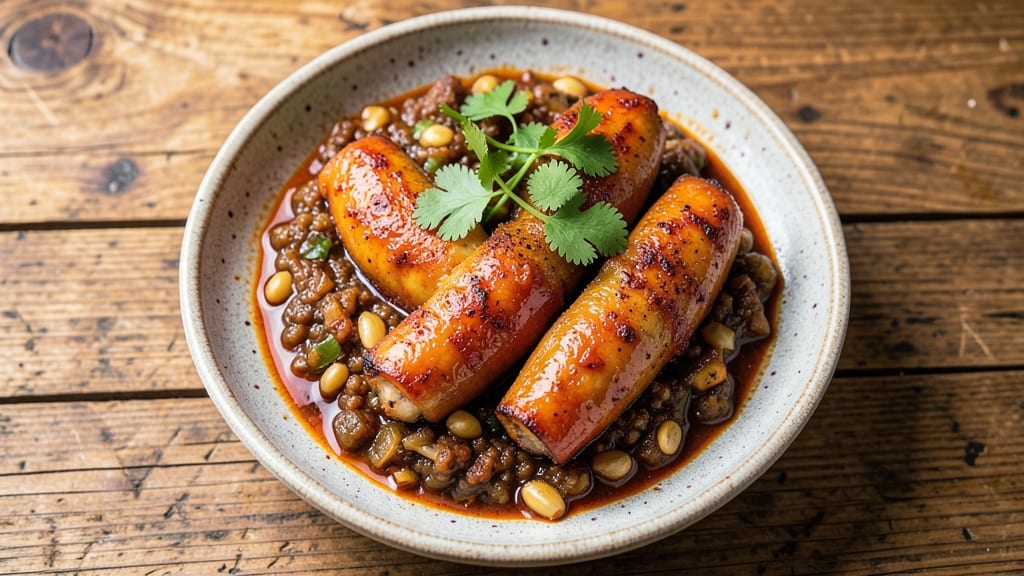
This gizzards Puerto Rican recipe braises them in adobo and achiote for a rich, savory dish that’s both comforting and deeply flavorful. This traditional recipe transforms tough gizzard meat into tender, aromatic bites perfect for family gatherings or festive meals.
The secret lies in marinating the gizzards overnight, allowing the spices to penetrate deeply before slow-braising in a fragrant sofrito base.
The process begins with thorough cleaning and marinating, a step that ensures tender meat and maximum flavor absorption. Achiote and adobo create that signature Puerto Rican warmth, while sofrito adds layers of vegetable depth.
This method transforms gizzards from an afterthought into a star dish, worthy of any table. The result is meat that falls apart easily, infused with smoky, earthy notes.
Serve these braised gizzards alongside white rice and tostones for the full Puerto Rican experience. The dish pairs beautifully with avocado slices or a fresh mango salad to balance its richness. Each bite carries the essence of island cooking—bold, aromatic, and impossible to resist.
For those new to gizzard preparation, don’t be intimidated by the cleaning step—it’s simpler than it sounds. With patience and the right techniques, you’ll achieve restaurant-quality results at home. Let’s get started on this flavorful journey.
Ingredients for gizzards puerto rican
Sixteen ingredients transform tough gizzards into Puerto Rican tender bites brimming with achiote and adobo essence.
| Ingredient | Amount | Notes |
|---|---|---|
| Chicken Gizzards 🍗 | 3 lb | Fresh, cleaned thoroughly |
| Achiote Powder 🌶️ | 2 tbsp | Pure, vibrant color |
| Adobo Seasoning 🌿 | 3 tbsp | Homemade or quality jarred |
| Sofrito 🧅 | 2 cups | Homemade or quality jarred |
| Garlic Cloves 🧄 | 8 cloves | Fresh, minced finely |
| Onion 🧅 | 1 whole | Yellow, chopped |
| Bell Pepper 🌶️ | 1 whole | Green, chopped |
| Tomato Paste 🍅 | ½ cup | San Marzano preferred |
| Olive Oil 🫒 | ½ cup | Extra-virgin, fruity |
| Bay Leaves 🌿 | 2 whole | Fresh, dried acceptable |
| Cumin Seeds 🌿 | 1 tsp | Toasted lightly |
| Ground Black Pepper 🌶️ | 1 tsp | Freshly ground |
| Salt 🧂 | 1 ½ tsp | Diamond Crystal kosher |
| Chicken Broth 💧 | 2 cups | Low-sodium preferred |
| Orange Juice 🍊 | ½ cup | Freshly squeezed |
The gizzards are the foundation—freshness is non-negotiable. Purchase from a trusted butcher or Latin market where they're cleaned and ready to use. Penzeys Spices carries authentic achiote powder that delivers that signature color and earthy depth. For adobo seasoning, homemade blends of garlic, oregano, and annatto work best, but Goya or La Preferida brands offer reliable jarred versions. The sofrito base is critical—homemade from tomatoes, peppers, onions, and cilantro provides superior flavor, but quality jarred versions like Bomba or La Preferida work in a pinch. Always check for vibrant color in your achiote and adobo—dull hues indicate stale spices.
No achiote powder? Substitute annatto seeds (soaked in warm oil for 10 minutes) or a mix of turmeric and smoked paprika at half the amount. Adobo seasoning unavailable? Create your own blend with 2 parts garlic powder, 1 part dried oregano, 1 part smoked paprika, and a pinch of salt. Fresh sofrito can be made from blanched tomatoes, green bell peppers, onions, garlic, and cilantro—simmer until reduced to a thick paste. For the cumin seeds, ground cumin at double the amount works but lacks depth. The orange juice adds brightness—bottled works but fresh is superior. If you're short on time, grapefruit juice at half the amount provides similar acidity.
Gizzards marinate best overnight in the fridge—use an airtight container to prevent drying. The braising liquid keeps for 5 days refrigerated or 3 months frozen in airtight containers. For longer storage, freeze the gizzards post-marinating in individual portions. Reheat gently on the stove with a splash of broth to maintain moisture. The sofrito base can be prepped ahead and stored separately for 1 week refrigerated or 6 months frozen. When reheating, add a splash of water or broth to prevent drying.
Why You'll Love This Recipe
- One-Pot Magic: I swear by this recipe because it’s all in one pan—no chopping mountains of veggies, no messy sauces to track. Just toss in the gizzards, dump the sofrito and adobo, and let the achiote work its golden-brown spell while you sip coffee.
- Deep Umami Bomb: That achiote powder? It’s the star—earthy, slightly sweet, with a warmth that clings to the gizzards like a hug. Add the garlic and sofrito, and suddenly, you’ve got layers of flavor that make store-bought seasoning packets look sad.
- Leftovers That Shine: Between us, this dish begs for seconds—and thirds. The flavors only get better the next day, whether you reheat them in a skillet or toss them into rice. Honestly, I’ve had my kids ask for it for breakfast (yes, even on a Tuesday night).
- Budget-Friendly Protein: Gizzards are the unsung hero of affordable meat—cheaper than chicken thighs but packed with flavor. A single batch feeds my whole family, and the leftovers stretch into lunches or even empanadas. My wallet and my taste buds thank me.
Step-by-step instructions for adobo-braised chicken gizzards
Transform tough gizzards into tender, flavorful bites using this Puerto Rican technique.
Prepare the Gizzards and Aromatics
Begin by thoroughly cleaning the 3 lb chicken gizzards under cold running water, removing any remaining connective tissue or excess fat. Rinse them well and pat completely dry with paper towels—this step is crucial for proper browning later. In a large bowl, combine the gizzards with 2 tbsp achiote powder, 3 tbsp adobo seasoning, 1.5 tsp salt, and 1 tsp ground black pepper. Massage the spices into the meat, ensuring an even coating that will infuse during cooking.
While the gizzards marinate, prepare the aromatics by finely mincing the 8 cloves garlic, chopping the 1 whole onion and 1 whole bell pepper into small dice. Lightly toast the 1 tsp cumin seeds in a dry skillet over medium heat for 30 seconds until fragrant, then transfer to a cutting board and let cool before adding to the braise. This toasting enhances their flavor without bitterness.
Sear the Gizzards for Depth of Flavor
Heat 0.5 cup olive oil in a large, heavy-bottomed Dutch oven over medium-high heat until shimmering but not smoking. Working in batches to avoid crowding, sear the gizzards for 3-4 minutes per side until deeply golden brown. The gizzards should develop a rich crust—this is where the foundational flavor forms. Remove them and set aside on a plate.
In the same Dutch oven, add the toasted cumin seeds and cook for 30 seconds until lightly browned. Immediately add the chopped onion, bell pepper, and garlic, cooking for 5-6 minutes until softened but not caramelized. Stir in the 2 cups sofrito and cook for another 2 minutes, allowing the flavors to meld. This aromatic base will form the heart of your braise.
Build the Braising Liquid
Reduce the heat to medium-low and stir in the 0.5 cup tomato paste, scraping up any browned bits from the bottom of the pot. These bits, known as fond, are packed with flavor. Cook for 3-4 minutes until the tomato paste darkens slightly and the mixture thickens into a paste-like consistency. This step deepens the sauce's complexity.
Pour in the 2 cups chicken broth and 0.5 cup orange juice, stirring to combine. Add the 2 whole bay leaves and return the seared gizzards to the pot, nestling them into the braising liquid. The liquid should come at least halfway up the gizzards—if not, add a splash of water. Bring to a gentle simmer, then reduce the heat to low to maintain a slow, steady bubble.
Braise Until Fork-Tender
Cover the Dutch oven and let the gizzards braise for 1.5-2 hours, stirring occasionally, until they are fork-tender and easily pull apart. The gizzards are done when they reach an internal temperature of 195°F—this low-and-slow method breaks down the tough connective tissue, transforming them into melt-in-your-mouth bites. Skim any foam or impurities that rise to the surface during cooking.
Once tender, remove the gizzards and strain the braising liquid through a fine-mesh sieve to remove bay leaves and any solids. Return the gizzards to the liquid and simmer uncovered for 5-10 minutes to reduce the sauce slightly and intensify its flavor. The gizzards should be coated in a glossy, aromatic sauce with a deep red hue from the achiote and adobo.
Serve with Confidence
Transfer the gizzards to a serving platter and ladle the braising sauce over the top. Serve immediately, accompanied by white rice or tostones to soak up the rich, spiced sauce. The gizzards should be tender, infused with smoky achiote and bright orange notes, and the sauce should cling beautifully to each bite. This method ensures a restaurant-quality result with minimal effort—just patience and attention to detail.
Pro Tips For Making Gizzards Puerto Rican
- SCORE THE GIZZARDS: Before you even think about seasoning, slice each gizzard crosswise to expose the meat—this lets the achiote and adobo penetrate deeper. I used to skip this, and the flavor stayed stuck in the middle like a stubborn secret.
- BROWN FIRST, SOFTEN LATER: Get your gizzards searing hot in a dry pan for 2-3 minutes per side before adding any liquid. This builds a crust that locks in flavor—skip this, and you’ll end up with mushy, pale gizzards that taste like they’re still raw inside.
- SOFTEN THE SOFRITO: Pulse your sofrito in a food processor until it’s almost paste-like, but don’t overdo it—you want texture, not soup. I learned this after burning the bottom of my pot trying to blend it on the fly. A quick 30-second pulse makes all the difference.
- LET THEM REST: After cooking, pile the gizzards on a plate, tent loosely with foil, and walk away for 10 minutes. Resisting the urge to dig in right away keeps them from falling apart when you plate them—trust me, your first bite will be worth the wait.
Serving suggestions for this recipe
Classic Puerto Rican Sides
Serve these braised gizzards with arroz blanco—Puerto Rican white rice cooked in sofrito and chicken broth. The grains should be tender but still hold their shape, soaking up the gizzards' rich sauce beautifully.
I like using Bomba rice for its firm texture, but any long-grain white rice works. For extra flavor, add a pinch of achiote oil to the cooking water. 🌶️
Tostones are a must—they provide the perfect crunchy contrast to tender gizzards. Double-fry green plantains until golden and crisp, then sprinkle with salt and garlic powder. Serve them alongside the gizzards so guests can use them to scoop up every last bite of sauce. For a smoky twist, brush them with olive oil before frying.
Fresh and Tangy Accompaniments
Add avocado slices drizzled with lime juice and salt to cut through the richness. The creamy texture and bright acidity balance the gizzards' deep, savory flavors perfectly. I also love serving mango salad—diced ripe mango tossed with red onion, cilantro, and a splash of orange juice.
This sweet-tangy combo refreshes the palate between bites. 🍊
Sauce Enhancements
For an extra layer of flavor, serve the gizzards with a side of quick-pickled onions. Thinly slice 1 red onion, soak in vinegar, sugar, and salt for 20 minutes, then drain. These add a bright, tangy crunch that elevates every forkful.
Another great option is aji dulce—a Puerto Rican sweet pepper sauce made with aji dulce peppers, garlic, and vinegar. It’s sweet, slightly spicy, and pairs wonderfully with the gizzards' smoky depth.
Beverage Pairings
Cool down the meal with a Medalla Light—Puerto Rico’s classic light beer. Its crisp, clean finish cleanses the palate after each rich bite. For a non-alcoholic option, try tamarind juice or hibiscus iced tea (known as jamaica). Both drinks complement the dish’s earthy, spiced notes beautifully. 🍺
Presentation Tips
Arrange the gizzards on a platter surrounded by rice and tostones, then drizzle the braising sauce generously over the top. Garnish with fresh cilantro leaves and a sprinkle of achiote powder for color.
For a restaurant-worthy touch, serve family-style in a cast-iron skillet or clay pot—it keeps everything warm and adds rustic charm. The key is making the dish look as inviting as it tastes! ✨
Nutrition facts
Frequently asked questions
Why do Puerto Rican gizzards recipes use achiote?
Achiote adds that signature vibrant red-orange color and earthy, slightly smoky flavor found in many Puerto Rican dishes. It’s made from the annatto seed and acts as a natural preservative while giving the gizzards their distinctive hue. The powder also contains antioxidants that help tenderize the meat during cooking.
Can I substitute chicken gizzards with other offal?
This recipe works best with chicken gizzards, but you could try turkey gizzards (similar texture) or even beef liver in a pinch. Pork gizzards require longer cooking. The marinating and braising method remains the same, but adjust cooking time—beef liver needs only 30-40 minutes while pork gizzards may take up to 2.5 hours.
What's the best way to clean gizzards before cooking?
Start by removing any excess fat or connective tissue with a sharp knife. Rinse thoroughly under cold water, then soak in ice water for 15 minutes to firm up the meat. Pat completely dry before seasoning—this prevents the spices from sticking and ensures proper browning. Never skip this step or the gizzards may turn out tough.
How do I know when the gizzards are fully cooked?
They're done when they reach an internal temperature of 195°F and easily pull apart with a fork. The meat should be fork-tender with no pink center. If using a meat thermometer, insert it into the thickest part. For extra assurance, cut into one gizzard—it should be moist and tender, not rubbery.
Can I make this recipe without a Dutch oven?
Yes! Use a heavy-bottomed pot with a tight-fitting lid. A 6-quart stainless steel pot works well. For even better results, cover with foil to trap steam. If your pot isn't deep enough, reduce the braising liquid slightly to ensure the gizzards stay submerged at least halfway. The cooking time may increase by 10-15 minutes.