
Sauces & Condiments
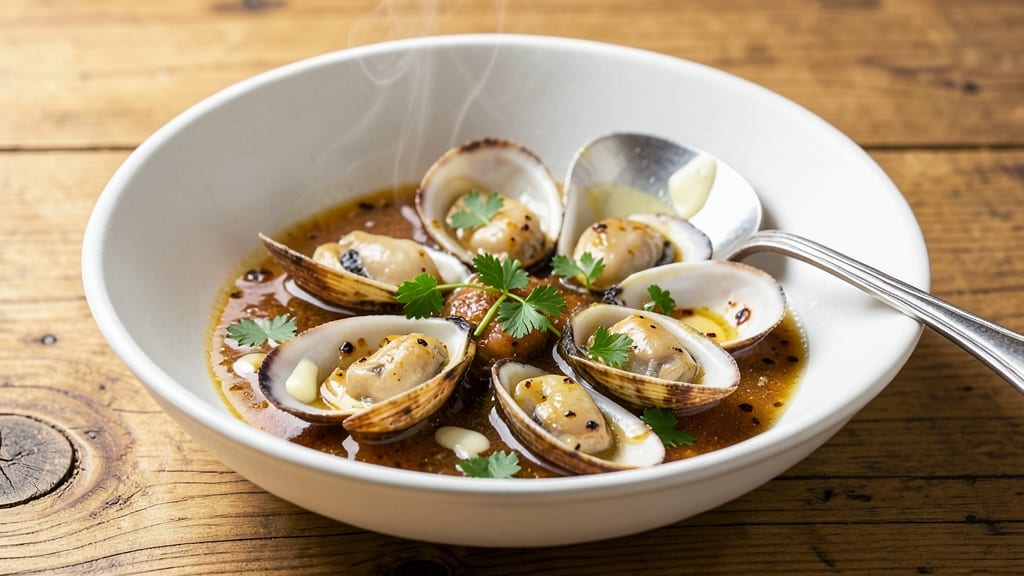
This fresh clam sauce recipe transforms simple seafood into a velvety, briny masterpiece that elevates any dish. The secret lies in balancing tender clams with rich butter, white wine, and aromatic herbs—creating a sauce so luxurious it belongs on bistro tables.
I developed this recipe after years of refining restaurant-style techniques at home, ensuring every spoonful delivers that perfect harmony of saltiness and richness.
The process is straightforward but precise: simmering clams in white wine until tender, then straining for a silky texture before finishing with cold butter and fresh herbs. This method preserves the sauce’s natural depth while adding a velvety finish that melts into every bite.
The result is a sauce that’s equally at home drizzled over linguine, spooned onto grilled fish, or served with crusty bread for dipping.
What makes this sauce truly special is its versatility—it’s bold enough to stand alone but adaptable enough to complement a variety of dishes. The briny clam flavor pairs beautifully with creamy pasta, flaky fish, or even roasted vegetables, making it a game-changer for seafood lovers.
Whether you're hosting a dinner party or simply craving a taste of the coast, this sauce delivers restaurant-quality richness in just 30 minutes.
The key to success is patience—letting the clams release their natural juices and the wine reduce gradually for maximum flavor. Once mastered, this sauce becomes a staple in your culinary arsenal, transforming ordinary meals into something extraordinary. Let’s get started on creating your own bistro-worthy clam sauce.
Ingredients for fresh clam sauce
Nine ingredients, bistro magic. The heart of this sauce is all about fresh clams and cold butter.
| Ingredient | Amount | Notes |
|---|---|---|
| Fresh Clams 🦪 | 1 ½ lb | Live, cleaned, medium-sized |
| Unsalted Butter 🧈 | ½ cup | Cold, cut into pieces |
| Dry White Wine 🍷 | 1 cup | Sauvignon Blanc or Pinot Grigio |
| Shallots 🧅 | 2 whole | Minced, about 2 tbsp |
| Garlic Cloves 🧄 | 4 cloves | Minced, about 1 tsp |
| Fresh Parsley 🌿 | ¼ cup | Chopped, stems removed |
| Fresh Chives 🌱 | 2 tbsp | Chopped, for garnish |
| Sea Salt 🧂 | 1 tsp | Kosher or fine grain |
| Black Pepper 🌶️ | ¼ tsp | Freshly ground |
| Lemon Juice 🍋 | 1 tbsp | Freshly squeezed |
Clams are the star here—freshness is non-negotiable. Hit up your local seafood market or the fish counter at Whole Foods for the best selection. Look for clams that are tightly closed or close when tapped; avoid any with broken shells. If you can't find fresh clams, canned clams in juice work in a pinch, but drain them well. The wine should be dry and crisp—Sauvignon Blanc or Pinot Grigio are my go-tos. For the butter, use unsalted (trust me on this), and keep it cold until the very end. The shallots and garlic? Freshly minced makes all the difference—no jarred shortcuts here. If you're short on time, a garlic press speeds this up.
No white wine? Substitute with clam juice or fish stock—just add a splash of lemon to brighten it up. Fresh herbs missing? Dried parsley at one-third the amount works, but it won’t have that same vibrant punch. The butter is non-negotiable for that velvety finish—don’t skip it. If you’re feeling fancy, add a pinch of saffron for extra depth (optional but divine). For a quicker version, use store-bought clam juice instead of simmering clams, but you’ll lose that briny richness. The lemon juice can also be swapped for white wine vinegar if you’re out, but fresh lemon is best.
This sauce is best made fresh, but it keeps well in the fridge for 3-4 days if stored in an airtight container. For longer storage, freeze in ice cube trays—just thaw and stir before using. The texture changes slightly when reheated (it’ll separate a bit), so finish with a pat of cold butter to restore that silky mouthfeel. Garnish with fresh herbs right before serving—they add that restaurant-quality touch. Leftovers? Toss them over pasta, drizzle on grilled fish, or serve with crusty bread for dipping.
Why You'll Love This Recipe
- No Wine? No Problem: I’ll be real—this sauce thrives on that bright white wine acidity, but even if you’re out, a splash of lemon juice and a pinch of sugar does the trick. The butter and shallots still sing, so it’s forgiving for those chaotic nights when the pantry’s half-empty.
- One-Pot Magic: Just clams, butter, and a splash of wine—no blenders, no strainers, no fuss. The clams steam right in the pan, releasing their briny sweetness while the shallots caramelize into golden bits. Honestly, it’s the kind of sauce that makes me question why I ever overcomplicated things.
- Weeknight to Date Night: Same sauce, endless uses. Toss it over linguine for a 20-minute dinner, drizzle it on grilled fish for a fancy-ish feel, or even slather it on toast with a sprinkle of parsley. My daughter’s friends think it’s “fancy,” but I know it’s just smart cooking.
- Leftovers That Lie: Between us, this sauce tastes better the next day. The flavors meld into this rich, velvety pool that’s perfect for reheating with a splash of water or milk. I make a double batch on Sundays—one for pasta, one to freeze for lazy Tuesdays. No one ever guesses it’s been sitting in the fridge.
Step-by-Step instructions for fresh clam sauce
Here's how to transform briny clams into velvety, wine-kissed sauce that tastes like a seaside bistro.
Sweat the Shallots and Garlic
Melt the 0.5 cup unsalted butter in a large, heavy-bottomed pot over medium-low heat. Add the 2 whole shallots and 4 cloves garlic cloves, stirring constantly for 5-6 minutes until the shallots turn translucent and the garlic releases its fragrant aroma. You're looking for softness—not browning—so keep the heat gentle.
Here's the thing—if the butter starts to foam or brown, you've gone too hot. Reduce the heat immediately and let it settle. The goal is a silky base, not crispy bits. Once the shallots are tender, push them to the sides of the pot and turn the heat to medium.
Steam the Clams and Deglaze
Add the 1.5 lb fresh clams to the pot, along with 1 teaspoon sea salt and 0.25 teaspoon black pepper. Cover tightly with a lid and let them steam for 4-5 minutes over medium heat until they open. You'll hear a satisfying popping sound as they release their briny juices—this is your cue they're ready.
Once the clams open, remove them from the pot using tongs and set them aside. Discard any clams that didn't open. Pour in the 1 cup dry white wine, scraping up any browned bits from the bottom of the pot. Let the wine simmer for 3-4 minutes until it reduces by half and the alcohol smell dissipates. This step builds the sauce's depth—don't rush it.
Build the Sauce Base
Return the clams to the pot, along with any accumulated juices. Add the 1 tablespoon lemon juice and stir gently to combine. The acidity brightens the sauce and balances the richness. Let the mixture simmer uncovered for 2-3 minutes until the clams absorb the flavors and the sauce thickens slightly.
Here's where it gets fun—taste the sauce. If it needs more salt, add a pinch more sea salt. If it's too acidic, a small splash of dry white wine will help. The sauce should coat the back of a spoon with a velvety texture, not be watery. If it's too thin, simmer for another minute to reduce it.
Finish with Herbs and Garnish
Remove the pot from heat and stir in the 0.25 cup fresh parsley and 2 tablespoons fresh chives. The herbs add freshness and color to the sauce. Let the mixture sit for 1-2 minutes to allow the flavors to meld. The sauce should now be rich, briny, and perfectly balanced.
Serve the sauce immediately over crusty bread, pasta, or with the clams still nestled in the sauce. Garnish with an extra sprinkle of fresh chives for a pop of color and freshness. The sauce will thicken as it cools, so don't worry if it looks slightly loose when you serve it.
Pro Tips For Making Fresh Clam Sauce
- Scald Clams First: Drop them into boiling water for 30 seconds—just until they float—then shock in ice water. This loosens the grit and tightens the meat, so your sauce stays clean and the clams hold together when they hit the pan. (Yes, it’s extra work, but your sauce will thank you.)
- Sweat Shallots Low: Cook them in butter over low heat until they’re translucent and just starting to caramelize—about 8-10 minutes. If you rush, they’ll turn bitter, and your sauce will taste like you microwaved it instead of simmering it. (I learned this the hard way with a bottle of Sauvignon Blanc.)
- Deglaze with Wine Heat: Pour the white wine into the pan after removing the clams, then immediately turn the heat to medium-high and let it reduce by half before adding the clams back. Cold wine in a hot pan = sad, watery sauce. Hot wine = rich, concentrated flavor. (This isn’t rocket science, but it makes a real difference.)
- Finish with Cold Butter: Stir in a pat of cold butter at the very end—it’ll melt instantly and coat everything, making the sauce glossy and luxurious. Room-temperature butter? It’ll just dissolve into the sauce like a sad, greasy afterthought. (Trust me, your guests won’t notice the effort, but they’ll notice the difference.)
Make-ahead tips for fresh clam sauce
Prep Ahead Components
Start by prepping your aromatics the night before. Mince the 2 shallots and 4 garlic cloves and store them in an airtight container in the fridge. This saves you 10 minutes of prep time the next day.
I also like to measure out the 1 cup white wine and 1 tablespoon lemon juice in advance—just pour them into small jars for easy pouring later. 🧅
Clam Prep Shortcut
If fresh clams aren't available, use 1 (14.5 oz) can of clams in juice—just drain them well and rinse under cold water. For extra brininess, add 1 tablespoon capers to the sauce during the simmer.
The canned clams won't have the same texture, but they work in a pinch for make-ahead convenience.
Sauce Base Prep
Make the sauce base up to Step 2 (after deglazing with wine) and refrigerate it in an airtight container for up to 2 days.
When ready to finish, simply reheat the sauce over medium-low heat for 5 minutes, then stir in the cold butter and herbs off the heat. This maintains that velvety texture without overcooking.
Butter Finishing Trick
Keep the 0.5 cup cold butter in the freezer until ready to finish the sauce. When you're ready to serve, quickly melt the butter in a small saucepan over low heat (it should foam but not brown), then whisk it into the warm sauce.
This creates that signature silky finish without breaking the sauce's emulsion. ✨
Garnish Prep
Chop the 0.25 cup parsley and 2 tablespoons chives ahead of time and store them in a separate airtight container in the fridge. These herbs lose potency when submerged in liquid, so adding them fresh at the end ensures maximum flavor.
I like to sprinkle them right before serving for that restaurant-quality presentation. 🌿
Storage and Reheating
Store finished sauce in an airtight container in the fridge for 3-4 days. To reheat, warm over low heat with a splash of white wine or broth to restore moisture.
For a quick fix, microwave in 30-second bursts, stirring between each, then finish with cold butter. The texture will be slightly thicker when reheated—just stir vigorously to re-emulsify. ❄️
Nutrition facts
Frequently asked questions
Can I make this sauce with canned clams instead of fresh?
Yes, but you'll lose some of that fresh brininess. Use 1 (14.5 oz) can of clams in juice, drained well and rinsed. For extra depth, add 1 tablespoon capers during simmering. The texture will be slightly different, but it still delivers great flavor. Just remember to adjust the wine to ½ cup since canned clams release less liquid.
What's the best way to store leftovers?
Transfer to an airtight container and refrigerate for up to 3-4 days. For longer storage, freeze in ice cube trays—thaw and stir before using. When reheating, warm over low heat with a splash of white wine or broth to restore moisture. Always finish with cold butter to maintain that velvety texture.
Can I use this sauce on dishes other than pasta?
This versatile sauce works beautifully over grilled fish like halibut or branzino, spooned onto crusty baguette slices, or drizzled over roasted vegetables. Try it with creamy polenta or even as a dipping sauce for calamari. The briny richness complements many textures beyond just pasta.
Why does my sauce look watery after cooling?
This is normal! The sauce thickens as it cools. If you need it thicker immediately, simmer uncovered for 1-2 extra minutes to reduce. For a quick fix, whisk in 1 teaspoon cornstarch mixed with 1 tablespoon cold water. Always finish with cold butter to restore that luxurious mouthfeel.
What white wine works best for this recipe?
Look for a dry, crisp white wine like Sauvignon Blanc or Pinot Grigio—their acidity balances the richness perfectly. Avoid sweet wines or heavily oaked varieties. If you don't have wine, use clam juice plus a splash of lemon juice for brightness. The key is acidity to cut through the butter's richness.