
Breakfast & Brunch
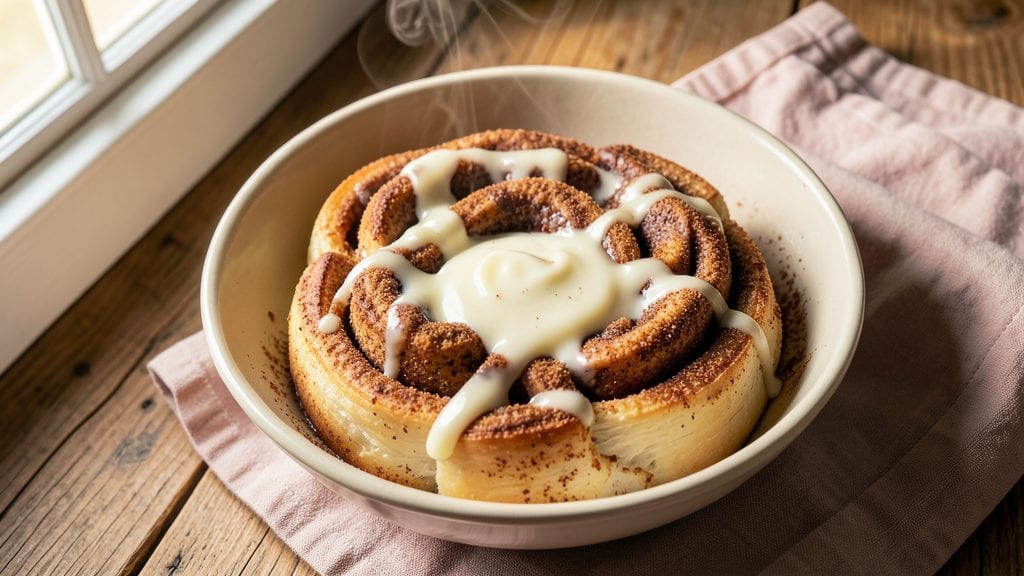
This Fleischmann's cinnamon rolls recipe delivers the perfect balance of pillowy dough, spiced filling, and creamy frosting—just like your favorite bakery. The secret lies in using Fleischmann's active dry yeast for that signature rise, combined with a foolproof rolling technique that ensures even swirls every time.
I've perfected this recipe over years of baking, and it consistently produces rolls with a tender crumb and golden-brown tops that crackle when you bite in.
The process starts with a simple yeast dough that comes together in under 30 minutes, then rests while you prepare the cinnamon-sugar filling. Rolling the dough into tight swirls takes practice, but the payoff is worth it—those gooey cinnamon pockets melt in your mouth.
Baking at the right temperature ensures the bottoms stay soft while the tops develop that irresistible caramelized crust. This is the kind of recipe that transforms a lazy Sunday morning into something special.
Once out of the oven, the real magic happens with the vanilla cream cheese frosting—a cool contrast to the warm, spiced rolls. The frosting is thick enough to pipe neatly but still soft enough to spread generously, creating that classic bakery-style presentation.
Each bite delivers layers of flavor: tender dough, aromatic cinnamon, sweet frosting, and just a hint of warmth from the cream cheese. It's the kind of comfort food that feels like a hug on a plate.
Whether you're making these for a weekend brunch or a holiday gathering, this recipe scales beautifully. For a quicker version, you can substitute store-bought dough, though I recommend the homemade method for that restaurant-quality texture. Let's get started—your kitchen will smell like heaven before the first bite.
Ingredients for fleischmann's cinnamon roll
Twelve ingredients transform your kitchen into a bakery with pillowy cinnamon rolls that rival your favorite café.
| Ingredient | Amount | Notes |
|---|---|---|
| Fleischmann's Active Dry Yeast 🍞 | 2 ¼ tsp | Ensures perfect rise every time |
| Unsalted Butter 🧈 | ½ cup | Cold, cubed for dough |
| Warm Whole Milk 🥛 | 1 ¼ cups | 110°F for yeast activation |
| Granulated Sugar 🍚 | ¼ cup | For dough and filling |
| Large Eggs 🥚 | 2 whole | Room temperature preferred |
| All-Purpose Flour 🌾 | 5 cups | Plus extra for dusting |
| Diamond Crystal Kosher Salt 🧂 | 1 ½ tsp | Fine grain preferred |
| Ground Cinnamon 🌶️ | ½ cup | High-quality for filling |
| Light Brown Sugar 🍚 | ½ cup | Packed, for filling |
| Unsalted Butter 🧈 | ¼ cup | Melted for filling |
| Vanilla Cream Cheese 🧀 | 8 oz | Room temperature for frosting |
| Powdered Sugar 🍚 | 3 cups | For smooth frosting |
| Pure Vanilla Extract 🍯 | 1 ½ tsp | High-quality preferred |
| Heavy Whipping Cream 🥛 | ½ cup | Cold for frosting stability |
The yeast is non-negotiable—Fleischmann's active dry yeast delivers that reliable rise. Grab it from the baking aisle, not the bulk bins (freshness matters). For the butter, Land O'Lakes unsalted sticks work perfectly, but any cold, high-fat butter will do. The milk needs to be warm (110°F)—test with your finger, it should feel like bathwater. Brown sugar for the filling? Domino or Muscovado add depth, but regular light brown works fine. I always buy extra flour (about 5 lbs) from King Arthur—it's worth the investment for this recipe.
No Fleischmann's yeast? Red Star or Bob's Red Mill work in a pinch. Short on vanilla cream cheese? Philadelphia cream cheese plus 1 tsp vanilla extract gets you close. The frosting can be made ahead—it actually tastes better after 24 hours in the fridge. For the filling, if you can't find brown sugar, white sugar plus 1 tsp molasses mimics the flavor. And trust me, don't skip the cinnamon—it's what makes these taste like bakery magic. The dough can be made a day ahead and refrigerated overnight for even better flavor.
Dough keeps for 2 days in the fridge, wrapped tightly in plastic. The filling and frosting? 5 days in the fridge, or 3 months frozen. I like to portion the frosting into piping bags with star tips for easy decorating. For leftovers, store rolls in an airtight container with parchment between layers—keeps them soft for 3 days. Freeze unbaked rolls (before frosting) for 2 months
Why You'll Love This Recipe
- No Yeast Stress: I’ve made cinnamon rolls where the dough fights back—this one listens. Fleischmann’s yeast works like a charm, rising perfectly with just warm milk and a pinch of sugar, so you’re not stuck kneading for 20 minutes. Honestly, the dough comes together faster than my coffee brews.
- Butter-Sugar Magic: That rich, creamy dough? It’s all in the butter and sugar—no shortcuts here. The warm milk softens the butter just enough to create a tender crumb, while the sugar caramelizes into a sticky, gooey layer when baked. (Yes, even on a Tuesday night.)
- Breakfast or Snack: These rolls are my secret weapon for lazy mornings and after-school treats. Serve them warm with cream cheese for breakfast, or pack a batch for lunch—trust me, they’re just as good cold. My kid’s teacher even asked for the recipe.
- Budget-Friendly Luxury: You’d think something this indulgent would break the bank, but Fleischmann’s yeast and basic pantry staples keep costs low. A single batch stretches to four days of breakfasts, and the leftovers? Still delicious reheated. (No one will guess they’re from last Sunday.)
Step-by-step instructions for Fleischmann's cinnamon rolls
Here's how to create restaurant-quality cinnamon rolls with a perfectly risen dough and velvety frosting.
Activate the Yeast and Mix the Dough
In a large bowl, combine the 1.25 cups warm whole milk (about 110°F) with the 2.25 tsp Fleischmann's Active Dry Yeast and 0.25 cup granulated sugar. Let it sit for 5-10 minutes until foamy—this confirms your yeast is active. If it doesn't foam, your yeast may be dead, and you'll need to start over.
Add the 2 whole large eggs, 0.5 cup unsalted butter (cubed and cold), and 1.5 tsp Diamond Crystal kosher salt to the yeast mixture. Use a stand mixer with a dough hook attachment and mix on medium speed for 2 minutes until the butter is incorporated. Gradually add the 5 cups all-purpose flour while mixing until the dough pulls away from the sides of the bowl and forms a shaggy mass.
Knead the Dough Until Elastic
Continue kneading on medium-high speed for 5-7 minutes until the dough is smooth, elastic, and springs back when pressed. The dough should feel like a soft, slightly tacky ball—not sticky or dry. If it's too sticky, add 1 tablespoon flour at a time until it comes together cleanly.
Shape the dough into a ball, place it in a lightly greased bowl, and cover with a damp towel. Let it rise in a warm place for 1-1.5 hours or until doubled in size. You'll know it's ready when you poke it gently and it springs back slowly, leaving a slight indentation. This first rise is critical for developing flavor and texture.
Prepare the Filling and Roll the Dough
While the dough rises, prepare the filling by mixing the 0.5 cup light brown sugar, 0.5 cup ground cinnamon, and 0.25 cup melted unsalted butter in a small bowl until fully combined. The mixture should be thick and spreadable—if it's too dry, add 1 teaspoon warm milk to loosen it.
Once the dough has risen, turn it out onto a lightly floured surface and roll it into a 12x18-inch rectangle, about ¼-inch thick. Using a pastry brush, spread the filling evenly over the entire surface, leaving a ½-inch border around the edges. This ensures your rolls stay sealed and don't fall apart during baking.
Cut, Shape, and Second Rise
Roll the dough tightly into a log starting from the long side, pinching the seam to seal. Use a sharp knife to cut the log into 12 equal pieces, about 2 inches thick each. Arrange the rolls cut-side up in a 9x13-inch greased baking dish, leaving no gaps between them. Cover loosely with a damp towel and let them rise for another 30-45 minutes until puffy and nearly touching each other.
Preheat your oven to 375°F while the rolls rise. The second rise is shorter but just as important—it ensures those pillowy layers. If your kitchen isn't warm enough, place the dish near a warm oven or under a light bulb to help them rise evenly.
Bake to Golden Perfection
Bake the cinnamon rolls for 18-22 minutes until the tops are deep golden brown and the edges are set. You'll know they're done when they pull away slightly from the sides of the pan and smell sweetly spiced. For extra browning, broil for 1-2 minutes at the end, but watch closely to avoid burning.
While the rolls bake, prepare the frosting by beating the 8 oz room-temperature vanilla cream cheese with the 3 cups powdered sugar and 1.5 tsp pure vanilla extract until smooth. In a separate bowl, whip the 0.5 cup cold heavy whipping cream to stiff peaks, then gently fold it into the cream cheese mixture until fully combined. The frosting should be thick enough to pipe but still spreadable.
Frost and Serve Warm
Remove the rolls from the oven and let them cool for 5 minutes—they'll be hot, but you want them warm, not scorching, when you frost. Spoon or pipe the frosting over the top of the rolls, spreading it evenly to the edges. For a professional look, use a spatula to create peaks or swirls, but don't worry about perfection—homestyle always wins.
Serve immediately while still warm. The rolls should be soft and tender inside with a crisp, caramelized crust, and the frosting should be smooth and sweet. If you have leftovers, store them in an airtight container at room temperature for up to 2 days or refrigerate for up to 5 days. Reheat in a 350°F oven for 10 minutes to restore their warmth and freshness.
Pro Tips For Making Fleischmann'S Cinnamon Roll
- Proof the Yeast Right: Fleischmann’s yeast needs 5–10 minutes in warm milk (110°F) to bubble like a tiny volcano—if it’s sluggish, your dough will fight you later. I learned this the hard way after kneading a lifeless dough that barely rose. Pop it in a warm spot (like your oven with the light on) and wait for action before mixing.
- Soft Butter Only: The recipe calls for softened butter, not melted—this isn’t a cookie dough. If you melt it, the filling will leak like a sad fondue, and your rolls will taste greasy instead of buttery. Cut cold butter into small cubes and let it sit at room temp for 30–45 minutes (yes, even if you’re impatient like me).
- Don’t Overwork the Dough: Once the dough passes the "windowpane test" (stretch a piece—it should tear like thin plastic), stop kneading. I used to punch it down extra, thinking more work = better rise, but that just makes the rolls tough. Handle it gently after the first rise, or you’ll regret it when they taste like chewy bread.
- Chill the Dough Twice: The recipe says to refrigerate overnight, but if you’re short on time, chill it for at least 2 hours after shaping. This prevents the rolls from rising too fast in the pan, which leads to dense, sad cinnamon rolls. Cold dough = better layers = happy eating. (Your future self will thank you.)
Essential equipment for fleischmann's cinnamon roll
Dough Tools Essentials
Start with a stand mixer like the KitchenAid Artisan Series—its powerful motor handles the dough's elasticity without overheating. I use the dough hook attachment for perfect kneading, but a hand mixer works in a pinch if you're short on time.
For shaping, a rolling pin with a smooth marble surface (like OXO Good Grips) prevents sticking and gives you that signature thin, even rectangle. 💡
Don’t skip the damp kitchen towel—it’s your best friend for keeping dough from drying out during rises. I keep one handy near my mixing station.
A digital kitchen scale (like Escali Primo) ensures precision when measuring flour, especially since cinnamon rolls rely on exact ratios for that bakery-perfect texture.
Filling & Frosting Gear
For the cinnamon-sugar filling, a small offset spatula (like Mercer Culinary Genius) helps spread it evenly without tearing the dough. A pastry brush with soft bristles (I love West Bend) ensures clean edges when applying melted butter.
The frosting requires a hand mixer (like Hamilton Beach 6-Speed) to whip the cream cheese and powdered sugar to fluffy perfection.
Upgrade your presentation with a piping bag fitted with a star tip (like Ateco 1M) for professional-looking swirls. If piping feels overwhelming, a spatula with a slight angle works just as well. For storage, airtight containers with parchment paper between layers keeps rolls soft for days.
Baking Must-Haves
A 9x13-inch baking dish (I use Wilton Non-Stick) is non-negotiable—it ensures even baking and easy release. Line it with parchment paper for foolproof removal, especially if you’re new to cinnamon rolls. A digital thermometer (like Thermoworks Thermapen) guarantees your oven hits 375°F accurately, preventing under- or over-baked rolls.
For the perfect crust, a wire cooling rack prevents soggy bottoms by allowing air circulation. If you’re ambitious, a candy thermometer helps monitor the butter’s temperature for the filling—it should be 180°F when melted for the best texture.
Trust me, these small tools make all the difference in bakery-quality results. ✨
Shortcuts & Time-Savers
Skip the yeast activation step with Fleischmann’s Quick Rise Yeast—it cuts dough prep time by 30 minutes. For the dough itself, a food processor (like Cuisinart DFP-14BCY) can mix and knead in 5 minutes flat.
If you’re in a hurry, store-bought puff pastry (like Pepperidge Farm) can replace the rolled dough for a quicker (though less traditional) version.
Prep the frosting 24 hours ahead—it tastes even better after resting! Store it in an airtight container in the fridge. For the filling, mix it in a small bowl with a lid so you can refrigerate it until ready to use.
A laser-level measuring cup (like OXO Good Grips) ensures precise sugar measurements for consistent sweetness.
Nutrition facts
Frequently asked questions
Can I make this recipe without a stand mixer?
You can mix the dough by hand using a large bowl and wooden spoon, then knead it on a lightly floured surface for 8-10 minutes until smooth and elastic. For extra efficiency, use a hand mixer with a dough hook attachment—it works almost as well as a stand mixer. Just be patient and keep kneading until the dough passes the "windowpane test" (stretching it thin enough to see light through).
Why did my cinnamon rolls turn out dense instead of fluffy?
Dense rolls usually happen from one of three issues: over-kneading (which develops too much gluten), yeast that didn't activate properly (test with warm milk first), or skipping the second rise. Double-check your yeast by ensuring it foams within 5-10 minutes in warm milk. Also, make sure your kitchen is warm enough—place the rising dough near a turned-off oven light if needed.
How do I adjust this recipe for a smaller batch?
For a half-batch (6 rolls), reduce the yeast to 1.5 tsp, milk to 0.75 cup, butter to 0.25 cup, sugar to 0.125 cup, and flour to 2.5 cups. Keep all other ingredients proportional. Use a 9-inch square baking pan instead of a 9x13-inch dish, and bake for 15-18 minutes at 375°F. The technique stays the same—just scale everything down!
Can I freeze the unbaked cinnamon rolls?
Yes! Arrange the shaped, unfrosted rolls in a single layer on a baking sheet, then freeze for 1 hour to firm up. Transfer to an airtight container or freezer bag for up to 2 months. Bake straight from frozen, adding 5-7 extra minutes to the baking time. For best results, thaw overnight in the fridge before frosting.
What's the secret to getting the perfect swirl?
The key is rolling the dough evenly and thinly (about ¼-inch thick) before spreading the filling. Use a sharp knife or dental floss to cut clean lines when rolling the log—this prevents the rolls from unraveling. For extra security, pinch the seam where you join the dough edges. If the filling leaks out, your dough might be too thin—aim for a ½-inch border around the edges.