
Main Courses
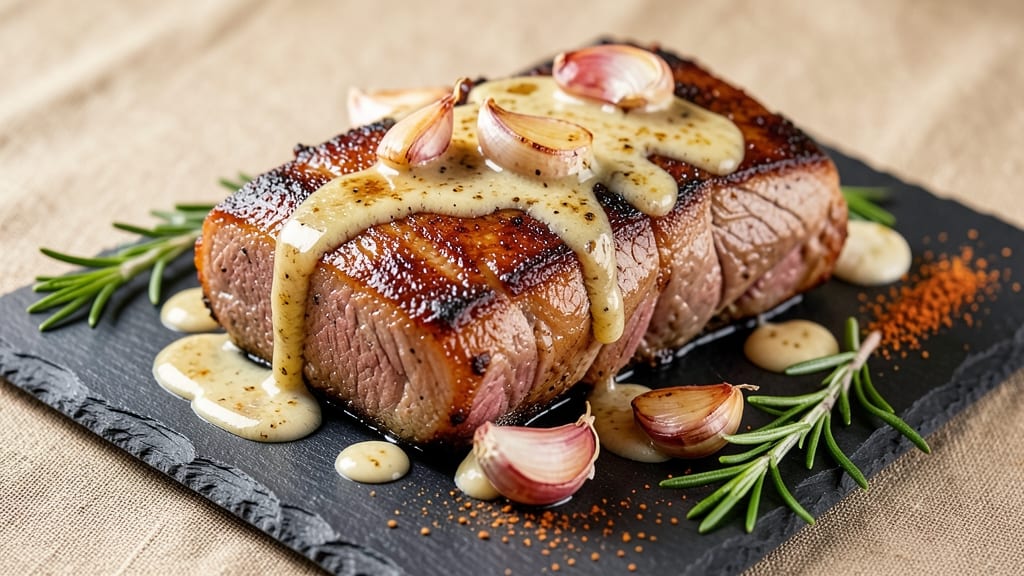
Emeril Lagasse’s rib roast recipe delivers the perfect balance of a spice-kissed crust and juicy center that’s guaranteed to impress. I’ve adapted his signature techniques—dry-brining, precise temperature control, and Cajun-inspired seasoning—to ensure restaurant-quality results at home.
The key lies in patience and method, transforming a simple cut of beef into a showstopper main course.
This recipe begins with a dry brine that enhances tenderness and flavor, followed by a reverse sear for even cooking. Emeril’s signature touch? A blend of spices and butter basting that creates that iconic crispy crust while keeping the inside succulent.
You’ll need about 2.5 hours for roasting, but the hands-off approach makes it ideal for special occasions or holiday feasts.
The result is a roast with a caramelized exterior, tender meat that falls apart at the touch, and a depth of flavor from the Cajun-inspired seasoning. Pair it with roasted vegetables, a red wine reduction, or crusty bread to complete the meal.
Every slice will be packed with moisture and bold seasoning—just like Emeril’s.
Whether you’re cooking for a crowd or treating yourself to a luxurious dinner, this method ensures foolproof success. The internal temperature check and proper resting time guarantee perfect doneness every time. Let’s get started on a dish that’s worth the effort.
Ingredients for emeril rib roast
Emeril’s signature rib roast relies on premium cuts, bold spices, and precise technique for that iconic crust and juicy center.
| Ingredient | Amount | Notes |
|---|---|---|
| Beef Rib Roast (Prime Rib) 🥩 | 4 lb | Bone-in, 2-3 ribs per side, trimmed |
| Kosher Salt 🧂 | 1 ½ tbsp | Diamond Crystal preferred, coarse grain |
| Freshly Ground Black Pepper 🌶️ | 1 ½ tsp | Cracked peppercorns preferred |
| Garlic Cloves 🧄 | 8 cloves | Peeled, smashed for dry brine |
| Unsalted Butter 🧈 | ½ cup | Cold, cut into 1-inch cubes |
| Smoked Paprika 🌶️ | 1 tbsp | High-quality, not sweet variety |
| Dried Thyme 🌿 | 1 tsp | French thyme preferred |
| Dried Oregano 🍃 | ½ tsp | Mexican oregano for authentic flavor |
| Onion Powder 🧅 | ½ tsp | Freshly ground preferred |
| Cayenne Pepper 🔥 | ¼ tsp | Adjust for heat preference |
| Fresh Rosemary 🌿 | 2 sprigs | Tied with kitchen twine |
| Fresh Parsley 🌿 | ¼ cup | Chopped, for garnish |
| Extra-Virgin Olive Oil 🫒 | 2 tbsp | High-quality, fruity variety |
The prime rib roast is non-negotiable for this recipe—look for a cut with good marbling and vibrant color. Whole Foods Market or your local butcher shop will have the best quality. A 4-pound roast serves 6 generously, but adjust if you're feeding more. The garlic cloves should be fresh and firm; if they're sprouting, skip them. For the spices, Penzeys Spices or the bulk section at Trader Joe's offer the highest quality. The rosemary sprigs add an aromatic depth that's essential for Emeril's signature flavor profile. If you can't find fresh rosemary, dried works at half the quantity, but fresh is preferred.
No smoked paprika? Sweet paprika plus a pinch of liquid smoke replicates the flavor, though it won't be identical. Short on fresh garlic? Garlic powder at half the amount works in a pinch, but the flavor won't be as complex. The unsalted butter is critical for basting—don't use margarine or low-fat versions. For the dry brine, Diamond Crystal kosher salt won't dissolve the same way, so stick with Diamond Crystal if possible. The fresh herbs can be swapped for dried at one-third the quantity, but fresh is ideal for that bright, vibrant flavor. If you're short on time, pre-minced garlic from a jar works, but fresh is always better.
The roast should rest at room temperature for 1 hour before cooking—this ensures even doneness. Store any remaining roast in an airtight container in the refrigerator for up to 3 days, but it's best enjoyed fresh. The basting butter can be stored in the fridge for up to 1 week, and the spice blend keeps for 6 months in a sealed container. For leftovers, slice thinly and reheat in a skillet with a splash of beef broth to maintain moisture. This roast reheats beautifully, making it perfect for meal prep—just don't overcook it when reheating.
Why You'll Love This Recipe
- Five-Ingredient Magic: I swear, this roast only needs salt, pepper, garlic, butter—and patience. That’s it. No fancy rubs or confusing steps; just a knife, a pan, and a little time. Honestly, I’ve made it while scrolling through my phone.
- Crispy-Garlic Bliss: The butter bastes into a golden crust while the garlic cloves caramelize right on top. That first bite? Rich, buttery, and packed with flavor without tasting like you slaved over it. (Yes, even on a Tuesday night.)
- Leftovers That Shine: Cold slices the next day? Still tender, still delicious. I toss them into sandwiches or salads—no one ever guesses it’s yesterday’s roast. Between us, that’s how I feed my family for days without extra shopping.
- Sunday Showstopper: This roast looks impressive with almost no effort. A little sear, some garlic, and a final brush of melted butter—it’s the kind of dish that makes guests think you’re a pro. (Spoiler: you are.)
Step-by-step instructions for Emeril's rib roast recipe
Master this technique and you'll achieve a perfect balance of spice-kissed crust and melt-in-your-mouth tenderness.
Prepare the Dry Brine for Maximum Flavor
Remove the beef rib roast from the refrigerator and place it on a wire rack set over a rimmed baking sheet. This allows air circulation on all sides, which is crucial for even drying and seasoning. Pat the surface completely dry with paper towels—moisture is the enemy of a proper crust.
In a small bowl, combine the 1.5 tablespoons kosher salt, 1.5 teaspoons freshly ground black pepper, 1 tablespoon smoked paprika, 1 teaspoon dried thyme, 0.5 teaspoon dried oregano, 0.5 teaspoon onion powder, and 0.25 teaspoon cayenne pepper. Rub this mixture evenly over the entire surface of the roast, pressing it into the meat so it adheres well. The spices should form a visible coating.
Tie the 2 sprigs fresh rosemary together with kitchen twine and tuck them into the cavity of the roast. This ensures the aromatic herbs infuse the meat during cooking. Place the roast on a fresh wire rack and refrigerate uncovered for 12-24 hours. This dry brining process penetrates the meat deeply, creating a flavorful crust while keeping the interior juicy. Don't skip this step—it's what makes the difference between good and extraordinary.
Sear the Roast for Deep Flavor Development
Remove the roast from the refrigerator 1 hour before cooking to allow it to come to room temperature. Preheat your oven to 450°F and position a rack in the upper third of the oven. Place a heavy oven-safe skillet on the stovetop over medium-high heat and add 2 tablespoons extra-virgin olive oil. Let it get very hot—you should see gentle smoke when you add the roast.
Carefully place the rib roast fat-side down in the skillet and sear for 10-12 minutes until the fat is rendered and the surface develops a deep golden-brown crust. Flip the roast and sear the other side for another 8-10 minutes. The high heat caramelizes the sugars in the meat and creates those beautiful flavorful crusts we're after. Transfer the roast to a cutting board and let it rest for 10 minutes while you prepare the butter mixture.
Create the Herb Butter Mixture
In a small bowl, mix together the 0.5 cup unsalted butter (cut into 1-inch cubes), 8 smashed garlic cloves, and 0.25 cup chopped fresh parsley. This mixture will baste the roast during cooking, adding rich flavor and moisture. Place the butter mixture in a small oven-safe dish and set it aside.
Return the roast to the skillet, fat-side up, and place the skillet in the preheated oven. Immediately pour the melted butter mixture evenly over the top of the roast. Roast for 30 minutes at 450°F, then reduce the oven temperature to 325°F and continue roasting for an additional 2-2.5 hours, or until the internal temperature reaches 130-135°F for medium-rare.
Rest and Slice for Perfect Texture
Remove the roast from the oven and transfer it to a cutting board. Tent loosely with aluminum foil and let it rest for 20-30 minutes. This resting period is absolutely critical—it allows the juices to redistribute throughout the meat, ensuring each slice remains juicy and tender. During this time, the internal temperature will rise to 140-145°F, which is ideal for medium-rare doneness.
Slice the roast between the bones into individual rib sections. The meat should be fork-tender with a beautiful pink center. Arrange the slices on a warmed serving platter and spoon any accumulated pan juices over the top. Garnish with additional chopped fresh parsley if desired. Serve immediately with your favorite sides—this roast deserves the spotlight at your table.
Pro Tips For Making Emeril Rib Roast
- Sear Until Black: The butter-garlic crust isn’t just flavor—it’s armor. Sear the rib roast over max heat until the butter pools and the edges turn dark brown, almost black in spots. I used to rush this, and the crust would stick like glue. High heat. Seriously, crank it up until you smell that deep, nutty aroma—then let it cook.
- Smash Those Garlic Cloves: Emeril’s recipe calls for minced garlic, but whole cloves get lost in the butter. Use the flat side of your knife to lightly crush them before adding to the pan—just enough to break the skin. This releases more flavor without turning bitter. (Yes, even if you’re impatient like me.)
- Skip the Crowding: After searing, resist the urge to stack the garlic butter on top like a lazy lasagna layer. Spread it evenly in a thin, messy coat—this guarantees crispy edges all around. I learned this the hard way when my first roast had soft, buttery patches instead of golden crust.
- Rest Under Foil: The recipe says rest uncovered, but foil traps heat and moisture better. Tent loosely with foil for the first 5 minutes, then uncover to crisp. This keeps the juices from pooling on the cutting board when you slice—no one wants a soggy prime rib. (Your future self will thank you.)
Serving suggestions for this dish
Classic Red Wine Reduction
Emeril’s signature rib roast pairs beautifully with a rich, velvety red wine reduction that mirrors the dish’s bold flavors. Simmer 1 cup red wine (I recommend Cabernet Sauvignon) with 2 tbsp beef broth and 1 tbsp butter until reduced by half.
Finish with a pinch of smoked paprika and a splash of balsamic vinegar for depth. Drizzle generously over the sliced roast before serving. 🍷
Roasted Garlic Mashed Potatoes
Creamy mashed potatoes elevate this roast to restaurant-level perfection. Boil 2 lbs Yukon Gold potatoes until tender, then mash with ½ cup butter, ½ cup warm milk, and 4 cloves roasted garlic. Season with 1 tsp salt and ½ tsp black pepper.
For extra richness, fold in ¼ cup sour cream. The roasted garlic adds a sweet, caramelized note that complements the roast’s smoky crust. 🥔
Crispy Smashed Brussels Sprouts
For a side that stands up to the roast’s intensity, try crispy smashed Brussels sprouts. Toss 1 lb halved Brussels sprouts with 2 tbsp olive oil, 1 tbsp balsamic glaze, and ½ tsp smoked paprika.
Roast at 425°F for 20-25 minutes until caramelized. Finish with a sprinkle of flaky sea salt and a squeeze of lemon. The smoky-sweet contrast is pure magic. 🌱
Emeril’s Signature Horseradish Cream
This tangy, creamy sauce cuts through the richness of the roast with a bold kick. Mix ½ cup sour cream, 2 tbsp prepared horseradish, 1 tbsp Dijon mustard, and 1 tsp Worcestershire sauce.
Thin with a splash of milk if needed. Serve on the side or dolloped directly on the roast for a restaurant-worthy touch. 🌶️
Crusty Bread with Garlic Butter
A warm, crusty loaf of bread is essential for soaking up those delicious pan juices. Brush slices of baguette or sourdough with melted garlic butter (mix ¼ cup softened butter with 2 minced garlic cloves and a pinch of salt).
Toast until golden and serve alongside the roast. The garlic butter adds another layer of flavor that guests will love. 🍞
Plating Like a Pro
For a showstopping presentation, arrange the roast slices in a fan shape on a warmed platter. Spoon the red wine reduction around the edges and drizzle any pan juices over the top.
Add a small bowl of horseradish cream nearby and scatter fresh parsley for color. Serve the mashed potatoes and Brussels sprouts on the side for a balanced, visually stunning dish. 💫
Nutrition facts
Frequently asked questions
What makes Emeril's rib roast different from regular prime rib?
The key differences are Emeril's signature spice blend (smoked paprika, cayenne, and Cajun-inspired herbs) and his reverse sear technique with garlic-herb butter basting. This creates a crispy, spice-kissed crust while keeping the center impossibly tender. Most recipes rely on just salt and pepper—Emeril's method adds layers of flavor you won't find elsewhere.
Can I use a different cut of beef instead of prime rib?
Prime rib is ideal for this recipe due to its marbling and tenderness, but you could use chuck roast or ribeye roast in a pinch. If substituting, increase cooking time by 30-45 minutes and monitor internal temperature closely. The flavor profile will differ slightly, but the technique remains the same. For best results, stick with a well-marbled cut rated at least USDA Choice.
How do I know when the roast is fully cooked?
Use a meat thermometer for accuracy—insert it into the thickest part of the roast (avoiding bone). For medium-rare, aim for 130-135°F before resting. The internal temperature will rise to 140-145°F during the 20-30 minute rest. Never rely on color alone—some cuts may appear pink even when fully cooked. A proper rest is critical for juiciness!
Can I make this recipe without a dry brine?
While the dry brine (12-24 hours) is essential for Emeril's signature flavor and texture, you can rush it by applying the seasoning 4-6 hours ahead and letting it sit uncovered in the fridge. For immediate cooking, pat the roast very dry and season it 1 hour before roasting, but expect slightly less flavor depth. The butter basting will still create a great crust, but the meat won't be as tender.
What's the best way to reheat leftovers?
Slice the roast thinly and reheat in a skillet over medium-low heat with a splash of beef broth to prevent drying. Avoid microwaving—it creates a tough texture. For whole leftovers, wrap tightly in foil and bake at 325°F for 20-30 minutes until warmed through. The butter basting helps protect moisture, but reheating too aggressively will ruin the texture.