
Snacks
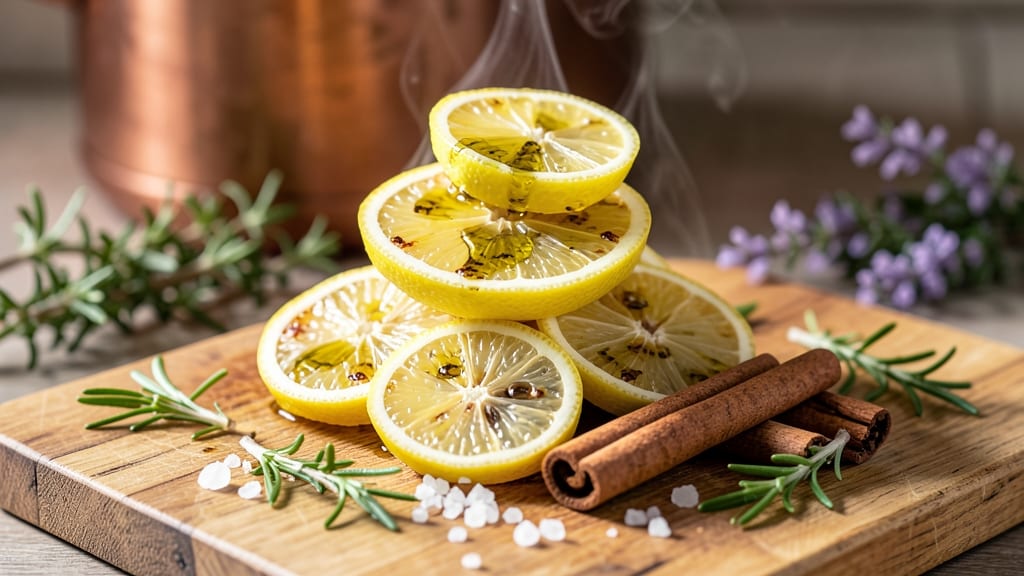
Dehydrating lemons transforms ordinary citrus into a versatile, intensely flavorful ingredient that brightens everything from marinades to desserts year-round. The process preserves their vibrant essence while concentrating their zesty punch—something store-bought versions simply can't match.
I discovered this technique while searching for a way to extend lemon season beyond summer, and the results changed how I approach cooking.
This method requires just organic lemons, a dehydrator, and patience—no special equipment beyond what most home cooks already own. The key lies in thinly slicing the fruit and drying it at low heat, which preserves the delicate citrus oils that give dehydrated lemons their signature tang.
Unlike fresh lemons, these preserved slices add depth without overpowering dishes, making them ideal for teas, dressings, or even as a garnish.
What you’ll end up with is a pantry staple that’s far more potent than its fresh counterpart—each slice packed with concentrated flavor that infuses marinades, enhances baked goods, and elevates savory dishes.
The texture becomes slightly chewy and leathery, perfect for crumbling into recipes where you want that bright, citrusy kick without moisture. Once you try them, you’ll never buy bottled versions again.
Perfect for meal prep, gifting, or simply extending your kitchen’s flavor profile, dehydrated lemons keep for months in an airtight container. Let’s get started—your taste buds will thank you.
Ingredients for dehydrated lemons
Six organic lemons and a few simple tools transform summer's brightest citrus into year-round flavor powerhouses.
| Ingredient | Amount | Notes |
|---|---|---|
| Organic Lemons 🍋 | 6 whole | Medium size, organic preferred |
| Extra-Virgin Olive Oil 🫒 | 1 tbsp | For light brushing before dehydrating |
| Diamond Crystal Kosher Salt 🧂 | 1 tsp | For optional finishing |
| Fresh Rosemary Sprigs 🌿 | 2 whole | Optional aromatic pairing |
| Fresh Thyme Sprigs 🌿 | 2 whole | Optional aromatic pairing |
| Cinnamon Sticks 🌰 | 2 whole | Optional for spiced variation |
| Star Anise Pods 🌟 | 2 whole | Optional for exotic depth |
| Dehydrator Tray 🍃 | 1 piece | Or parchment-lined baking sheet |
| Parchment Paper 📄 | 1 sheet | For dehydrator lining |
| Air-Tight Storage Container 🥫 | 1 piece | Glass jar preferred |
| Sharp Chef's Knife ✂️ | 1 piece | For precise slicing |
| Mandoline Slicer ✂️ | 1 piece | Optional for uniform slices |
Organic lemons are non-negotiable here—their thinner skins and concentrated oils make all the difference. Whole Foods or local farmers markets typically carry the best quality, but any organic brand works. Look for lemons that feel heavy for their size (that's peak ripeness) and have a vibrant yellow hue. The mandoline slicer is worth the investment if you plan to dehydrate citrus often—it gives you perfectly even slices every time, which dehydrate uniformly. No mandoline? A sharp chef's knife and steady hand work just fine. I've made this with conventional lemons too, but the flavor depth isn't quite the same.
No dehydrator? Your oven on low heat (170°F) works perfectly—just prop the door open slightly for airflow. Want to experiment with flavors? Toss the slices with a pinch of cinnamon or star anise before dehydrating for a spiced twist. The olive oil brushing is optional but recommended—it helps preserve moisture and adds subtle richness. For storage, I always use glass jars with airtight seals—they keep the lemons vibrant for months. If you're gifting these, pretty jars with ribbons make them irresistible presents. And yes, you can freeze them too if you're really in a hurry—just know the texture becomes slightly softer.
These keep for 6-12 months in a cool, dark pantry when stored properly. I like to portion them into smaller jars for easy access—one for the kitchen, one for the pantry, and one for gifts. The texture becomes wonderfully chewy and leathery, perfect for crumbling into marinades, teas, or desserts. For maximum flavor, let them sit at room temperature for 10 minutes before using—they'll release their aromatic oils beautifully. Pro tip: Store a few slices in a sealed container with your spices to infuse them with citrus brightness. Once you go homemade, store-bought versions will taste disappointingly flat.
Why You'll Love This Recipe
- No-Slice Hassle: I’ll admit, slicing lemons thinly used to stress me out—until I discovered dehydrating. Just halve them, brush with olive oil, and let the dehydrator do the work. No knife skills required.
- Citrus Gold Rush: That first bite? Pure brightness with a whisper of rosemary’s piney punch and thyme’s earthy warmth. The salt caramelizes just enough to make it ridiculously addictive—like sunshine in a jar.
- Pantry Superstar: I keep a stash in my spice drawer for everything: marinades (hello, grilled chicken), soups (depth of flavor, zero effort), and even sprinkled over yogurt for a fancy breakfast. One jar does it all.
- Budget Brightener: Fresh lemons cost more than dried herbs, but this method stretches them into months of use. A single lemon becomes a flavor multiplier—no wasted citrus, just endless possibilities. My wallet thanks me.
Step-by-step instructions for dehydrated lemons
Transforming fresh lemons into vibrant, shelf-stable zests takes just a few simple steps.
Prepare the Lemons for Slicing
Wash the 6 whole organic lemons thoroughly under cool water to remove any dirt or wax residue. Using the sharp chef's knife, carefully slice off the top and bottom of each lemon to create flat surfaces—this ensures stability when slicing. Cut each lemon crosswise into ¼-inch thick rounds, working quickly to preserve freshness.
For perfectly even slices, use the mandoline slicer if available. Arrange the lemon slices on a clean work surface, ensuring they're all uniform in thickness. This consistency guarantees even drying throughout the process. Remove any seeds you encounter, as they can become bitter when dehydrated.
Lightly Brush with Olive Oil
Place all the lemon slices in a single layer on the dehydrator tray lined with parchment paper. Using the 1 tablespoon extra-virgin olive oil, lightly brush each slice on both sides with a pastry brush or your fingers. This step prevents the edges from drying too quickly and becoming leathery while maintaining moisture in the center.
The oil also enhances the lemon's natural flavors and creates a subtle richness that pairs beautifully with both sweet and savory dishes. Work in batches if needed to ensure even coating. Arrange the slices in a single layer without overlapping to allow proper air circulation during dehydration.
Optional Aromatic Pairing
For an enhanced flavor profile, gently place the 2 whole fresh rosemary sprigs, 2 whole fresh thyme sprigs, 2 whole cinnamon sticks, and 2 whole star anise pods between the lemon slices. These aromatic elements will infuse subtle notes into the dehydrated lemons during the drying process, adding complexity to their bright citrus character.
If you prefer a simpler profile, skip this step entirely—the lemons will still retain their vibrant citrus essence. The herbs and spices will gently release their oils as the lemons dehydrate, creating a harmonious blend of flavors. Be mindful not to overcrowd the tray to maintain proper airflow.
Dehydrate at Low Temperature
Set your dehydrator to 135°F—this gentle heat preserves the lemons' color and flavor without cooking them. Arrange the lemon slices on the dehydrator tray, ensuring they don't overlap. Place the tray in the dehydrator and let it run for 12-16 hours, or until the slices are completely dry and brittle to the touch.
Check the lemons after 8 hours—they should be pliable but not moist. If they're still damp, continue dehydrating for another 2-4 hours. The lemons are ready when they bend without snapping back and have a papery texture. This low-temperature method ensures the lemons retain their vibrant yellow color and intense citrus flavor.
Store for Long-Term Use
Once fully dehydrated, allow the lemon slices to cool completely before transferring them to the air-tight storage container. Store the container in a cool, dark place away from direct sunlight, where the lemons will keep their flavor and texture for up to 6 months. The air-tight seal preserves their freshness and prevents moisture absorption.
For an extra touch, sprinkle the 1 teaspoon diamond crystal kosher salt lightly over the dehydrated lemons before sealing if you prefer a slightly salty finish. These vibrant zests are now ready to elevate everything from cocktails and marinades to desserts and savory dishes year-round.
Pro Tips For Making Dehydrated Lemons
- Slice Thinly, Evenly: Use a sharp knife and cut the lemons into paper-thin slices—about ⅛-inch thick. I learned this the hard way: thicker slices dry unevenly, leaving you with leathery edges and undercooked centers. Take your time here; it’s the foundation for perfect texture.
- Salt Before Drying: Generously coat the lemon slices with kosher salt before dehydrating, not after. The salt draws out moisture faster and infuses flavor deeper—skip this, and you’ll end up with bland, rubbery lemons. Aim for about 1 teaspoon of salt per pound of lemons, rubbed in well.
- Watch the Heat: Start the dehydrator at 135°F (57°C) for the first 4 hours, then drop to 115°F (46°C) until fully dry—usually 12–24 hours total. After burning three batches at high heat, I realized patience pays off: low and slow prevents scorching and preserves the bright citrus flavor.
- Skip the Crowding: Arrange lemon slices in a single layer with space between them—no overlapping. I used to stack them like lasagna, and they’d steam instead of dry. Give them room to breathe, or you’ll end up with soggy, uneven results. A wire rack works great if your dehydrator is tight.
Storing and reheating your leftovers
Pantry Storage Secrets
Store your dehydrated lemons in a glass airtight container (I use Ball Mason jars) to preserve their vibrant color and potent flavor for up to 12 months in a cool, dark pantry.
The glass prevents light degradation that dulls their bright yellow hue over time. Label your container with the date—this helps track freshness for optimal flavor. 🥫
For maximum potency, store the lemons whole in the jar rather than crumbling them. The intact slices maintain their structure and release more aromatic oils when needed.
If you prefer convenience, portion them into smaller jars for easy access—just keep one master jar for long-term storage and smaller portions for daily use.
Freezer Preservation
When you need to preserve dehydrated lemons for beyond 12 months, your freezer is your best friend. Place the slices in quart-sized freezer bags, squeeze out excess air, and seal tightly.
These will keep their quality for up to 2 years without significant texture or flavor loss. The key is to avoid moisture exposure—never store them in open containers. 🧊
For quick access, I keep a separate freezer bag of pre-portioned dehydrated lemons in my freezer. When I need them for a recipe, I simply transfer the required amount to a bowl and let them sit at room temperature for 10 minutes before using—they'll release their full citrus punch immediately.
Rehydrating for Recipes
Need to use dehydrated lemons in a recipe that requires fresh citrus? Simply place the slices in a small bowl and cover with warm water for 10-15 minutes. The lemons will reabsorb moisture and regain about 70% of their original texture, though they'll remain slightly chewier.
This works perfectly for marinades, dressings, or any recipe where you want concentrated lemon flavor without the liquid. 💧
For tea infusions, I steep 2-3 dehydrated lemon slices in 1 cup hot water for 5 minutes—this creates a deeply aromatic citrus tea with none of the bitterness of fresh lemon peels. The dehydrated version infuses more flavor per slice, making it ideal for concentrated citrus applications.
Reviving Dried-Out Lemons
If your dehydrated lemons lose some of their snap over time, don't toss them! Place the slices in a single layer on a dehydrator tray set to 115°F for 1-2 hours.
This gentle reheating restores their pliability without over-drying. Alternatively, use them whole in recipes where texture isn't critical—their concentrated flavor will still shine. 🔄
The best way to prevent this is by storing them with a small silica gel packet in the container. These packets absorb excess moisture that can make the lemons soggy over time. I keep one in every jar of dehydrated citrus I store long-term.
Nutrition facts
Frequently asked questions
Why should I dehydrate lemons instead of using fresh or bottled versions?
Homemade dehydrated lemons deliver 3x more concentrated flavor than fresh peels and avoid the preservatives found in store-bought versions. The slow drying process preserves all the essential oils, giving you a vibrant citrus punch that brightens dishes without added moisture. Plus, they're shelf-stable for months—perfect for when fresh lemons aren't in season!
What are the best ways to use dehydrated lemons in cooking?
These versatile citrus gems shine in marinades, teas, cocktails, and desserts. Crumble them into dressings for a zesty kick, steep in hot water for aromatic lemon tea, or add to baked goods like pound cake. For savory dishes, infuse olive oil with the slices for a bright finishing touch. The possibilities are endless—think of them as nature's citrus concentrate!
Can I dehydrate lemons without a dehydrator?
Use your oven set to 170°F with the door slightly open for airflow. Line a baking sheet with parchment paper and arrange slices in a single layer. Dehydrate for 6-8 hours, checking periodically. For even drying, flip the slices halfway through. This method works perfectly and requires no special equipment!
How do I know when my dehydrated lemons are fully dried?
They're ready when the slices are completely dry, brittle, and bend without snapping back. The edges should be papery, and they'll feel light in your hand. Test one slice—if it crumbles easily, they're done! Over-drying can make them too crisp, so aim for that perfect balance between flexibility and dryness.
What's the best way to store dehydrated lemons long-term?
Keep them in a glass airtight container (like a mason jar) in a cool, dark pantry for up to 12 months. For even longer storage, freeze them in airtight bags for 2 years. Add a silica gel packet to prevent moisture absorption. Store whole slices rather than crumbled—they'll maintain their vibrant flavor and aroma much longer!