
Main Courses
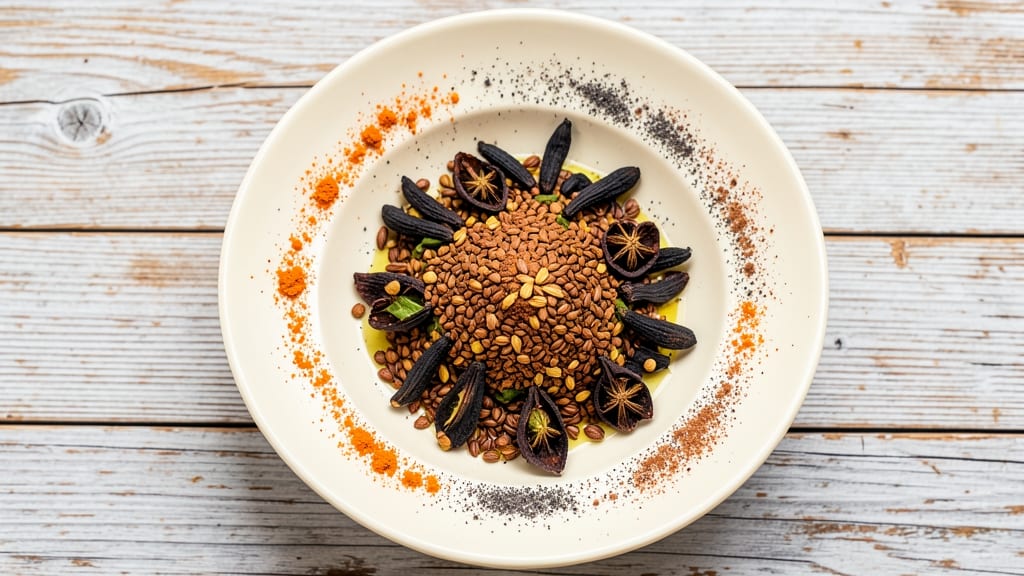
Creating a curry flower seasoning transforms ordinary proteins into restaurant-quality masterpieces with just a sprinkle. This precise blend of aromatic spices delivers complex, layered flavor without the guesswork of individual measurements—perfect for searing meats, seasoning rice, or elevating curries.
I developed this mix after years of testing professional-grade spice combinations, refining it to a foolproof 1-tablespoon ratio that works for any protein.
The foundation of this blend is toasted whole spices—cumin, coriander, and black pepper—that release their oils when ground fresh, creating depth that pre-ground mixes can't match. Adding a touch of turmeric for color and a pinch of cinnamon ensures warmth without overpowering.
The result is a versatile seasoning that works equally well as a dry rub for steaks, a tempering agent for seafood, or the backbone of curry pastes.
What sets this apart is its precision—each ingredient is measured to balance heat, earthiness, and brightness perfectly. The spices stay potent for up to 6 months when stored in an airtight container away from light, making it a cost-effective staple.
Whether you're cooking for two or a crowd, this blend eliminates the need for multiple spice jars while delivering professional-level results every time.
Use it to season chicken before grilling, coat fish fillets for baking, or stir into ground meat for burgers. The possibilities are endless, and the flavor is consistently bold. Here’s how to mix and store it for maximum impact.
Ingredients for curry flower
Nine aromatic spices transform any protein into restaurant-worthy perfection with just one tablespoon.
| Ingredient | Amount | Notes |
|---|---|---|
| Whole Cumin Seeds 🌿 | 2 tbsp | Toasted until fragrant for depth |
| Whole Coriander Seeds 🌿 | 2 tbsp | Toasted for nutty aroma |
| Black Cardamom Pods 🌿 | 1 tsp | Lightly crushed for warmth |
| Ground Turmeric 🌶️ | 1 tbsp | Freshly ground preferred |
| Ground Cinnamon 🌿 | ½ tsp | Ceylon preferred for subtle sweetness |
| Ground Black Pepper 🌶️ | 1 tsp | Freshly cracked for heat |
| Ground Fenugreek Seeds 🌿 | ½ tsp | For maple-like depth (optional) |
| Ground Cloves 🌶️ | ¼ tsp | Whole cloves toasted and ground |
| Salt 🧂 | 1 tsp | Diamond Crystal kosher preferred |
The spices here are all about freshness and quality—whole spices toasted in a dry skillet for 2-3 minutes until fragrant unlock their full potential. Penzeys or Spicewalla are my go-tos for premium seeds, but the bulk bins at Whole Foods or Trader Joe's work too. Look for seeds that smell vibrant, not dusty. The fenugreek is optional but adds that signature curry depth—skip it if you're sensitive to strong flavors. For the black cardamom, remove the pods after toasting to avoid bitterness. If you can't find Ceylon cinnamon, regular cassia works but has a stronger kick.
No whole spices? Pre-ground cumin and coriander in equal parts will work in a pinch (though texture suffers). Short on fenugreek? Double the cinnamon and cloves for warmth. The turmeric is non-negotiable for that golden hue—substitute with saffron threads at 1/8 tsp for luxury. For a milder blend, reduce the black pepper to 1/4 tsp. This mix is designed to be bold, but you can always adjust to taste. Store-bought curry powder? Double the spices to match the intensity—most commercial blends are half the strength.
Once mixed, transfer to a dark glass jar and store in a cool, dark place. Keeps its punch for up to 6 months, though I usually make fresh batches every 3 months to ensure maximum flavor. For extra potency, toast the finished mix in a dry pan for 1 minute before using—this releases essential oils that make all the difference. Divide into smaller jars if you won't use it all at once; the spices stay fresher that way. Label it—trust me, you'll want to make this again.
Why You'll Love This Recipe
- Pantry Magic: I swear by this mix—no fresh herbs, no last-minute grocery runs. Just toast those cumin and coriander seeds in a dry pan for 3 minutes, then grind them with the cardamom and spices. Done. The whole process takes less time than waiting for a delivery.
- Warmth in a Spice: That first whiff of black cardamom and cinnamon hitting hot oil? Instant cozy. The turmeric gives it a golden glow, but the real star is how the toasted seeds add depth—earthy, nutty, and just a little smoky. It’s the kind of flavor that makes you pause mid-stir.
- Weeknight Flex: This blend works in everything—stir-fries, soups, even scrambled eggs. I keep a jar in my fridge and toss it into whatever needs a lift. (Yes, even on a Tuesday night when I’m too tired to think.) It’s my go-to for when I need flavor but zero effort.
- Budget Flavor Bomb: A handful of these spices costs pennies but tastes like a restaurant dish. The secret? Toasting the whole seeds first—it unlocks their flavor without breaking the bank. Plus, a little goes a long way, so you’ll have leftovers for months. Smart, simple, and satisfying.
Step-by-step instructions for crafting curry flower seasoning
Transform simple whole spices into a complex, aromatic blend that elevates any protein dish.
Toast the Whole Spices for Maximum Flavor
In a dry skillet over medium heat, toast the 2 tablespoons whole cumin seeds and 2 tablespoons whole coriander seeds for 2-3 minutes until they release their aroma and begin to sizzle gently. You'll notice the kitchen filling with a warm, nutty fragrance—this is your signal they're ready. Toasting enhances their natural oils and depth, which is crucial for developing that authentic curry complexity.
Transfer the toasted seeds to a plate and let them cool completely before grinding. If you rush this step, the spices will release moisture during grinding, making a pasty mess instead of a fine powder. While they cool, lightly crush the 1 teaspoon black cardamom pods with the flat side of a knife—just enough to break them open so their essential oils can infuse the blend later.
Grind the Toasted Seeds and Combine with Ground Spices
Using a spice grinder or clean coffee grinder, pulse the toasted cumin and coriander seeds until they become a fine powder. Avoid over-grinding, or the spices will turn bitter. In a medium bowl, combine this freshly ground mixture with the remaining ingredients: 1 tablespoon ground turmeric, 0.5 teaspoon ground cinnamon, 1 teaspoon ground black pepper, 0.5 teaspoon ground fenugreek seeds, and 0.25 teaspoon ground cloves. The fenugreek seeds add a subtle maple-like sweetness, while the cloves bring warmth and complexity.
Here's the thing—freshly ground spices make all the difference. If you're using pre-ground spices, pulse them briefly in the grinder to reactivate their flavors before combining. The cinnamon and cloves should be finely ground to prevent any graininess in your final blend. Stir the mixture thoroughly with a silicone spatula, breaking up any clumps to ensure even distribution.
Add Salt and Adjust for Balance
Sprinkle the 1 teaspoon salt over the spice mixture and fold it in gently. The salt not only enhances all the flavors but also helps preserve the blend by drawing out moisture. Taste the mixture at this stage—you'll want to balance the heat from the black pepper and cloves with the earthiness of the cumin and coriander. If it tastes too sharp, add a pinch more ground turmeric; if it's too mild, a tiny extra pinch of black pepper will wake it up.
This is where attention to detail pays off. The curry flower seasoning should have layers of warmth, earth, and subtle sweetness. If you're using the optional fenugreek seeds, their presence should be noticeable but not overpowering. Once you're satisfied with the flavor balance, transfer the mixture to an airtight container for storage.
Store Properly for Long-Lasting Freshness
Place the finished curry flower seasoning in an airtight glass jar or container, away from direct sunlight and heat sources. Proper storage is key—exposure to light and air will degrade the spices' oils, making them lose potency over time. When stored correctly, this blend will keep its vibrant flavors for up to 3 months. For best results, label the jar with the date and contents so you can track its freshness.
To use, simply sprinkle 1-2 teaspoons of the blend over proteins like chicken, lamb, or tofu before cooking, or mix it into marinades and sauces. The spices will infuse their bold, aromatic flavors into whatever you're preparing, transforming simple dishes into something extraordinary. And remember—always taste as you go, adjusting the amount to suit your dish's needs.
Pro Tips For Making Curry Flower
- Dry Toast Whole Spices: Pop the cumin and coriander seeds in a dry skillet over medium-high heat for 30 seconds—just until they dance and smell like a spice market. Black cardamom pods go in last (they burn fast), so watch them like a hawk. I learned this the hard way—charred spices taste bitter, and no amount of curry can fix that.
- Crush Cardamom Pods: Lightly smash the black cardamom pods with the flat side of a knife before adding them to the oil. This releases their aromatic oils without turning the whole thing into a smoky disaster. (Yes, even if you’re impatient like me—just don’t pulverize them into dust.)
- Bloom Spices Slow: Add ground turmeric and cinnamon after the whole spices have sizzled for 20 seconds. Let them bloom in the oil for 30 seconds—no stirring like a maniac—so the flavors meld instead of just floating around like lost souls. Sounds weird, but it works: the curry tastes deeper, not just spicy.
- Store Bloomed Oil: If you’re making extra curry flower oil, let it cool completely, then refrigerate it in a small jar. Use it within a week to flavor rice, soups, or even toast (trust me, it’s magic). I skip this when I’m lazy, but the dish is noticeably better when I don’t—especially in dal or masala-based dishes.
Essential equipment for this dish
Spice Grinder Essentials
For this blend, a dedicated spice grinder is non-negotiable—it preserves the essential oils that make the difference between good and extraordinary. I use a KitchenAid BSG200 for its precision and durability, but a small coffee grinder (like the Bodum Bistro) works too.
Avoid plastic grinders—they can impart off-flavors over time. If you're grinding whole spices, pulse them in short bursts to prevent overheating, which turns spices bitter. For the black cardamom pods, I recommend crushing them with a mortar and pestle first to release their aromatic oils before grinding. 🌿
Toasted Spice Skillet
A heavy-bottomed stainless steel skillet (like a Calphalon or All-Clad) is perfect for toasting whole spices because it distributes heat evenly and prevents burning. Toast your cumin and coriander seeds over medium heat for 2-3 minutes until they sizzle and release their fragrance.
If you don’t have a dedicated skillet, a cast-iron pan works just as well—just avoid nonstick, as it can’t handle the high heat needed for proper toasting. Pro tip: Toast spices in small batches to avoid overcrowding, which can lead to uneven heating. ⚡
Airtight Storage Containers
Once your curry flower seasoning is mixed, transfer it to an amber glass jar or dark ceramic container to block light, which degrades spices quickly. I use Le Parfait 8-ounce jars because they’re airtight and stackable.
Avoid clear glass or plastic—they let in light and air, causing the spices to lose potency in as little as 2 weeks. For long-term storage, divide the blend into smaller containers so you’re not opening a large jar repeatedly.
Label each container with the date and contents—trust me, you’ll forget after a month! 💡
Optional: Mortar and Pestle
While not essential, a marble mortar and pestle (like the Kuhn Rikon) elevates the process by allowing you to crush whole spices like black cardamom and cloves more effectively. This releases their essential oils, adding depth to your blend.
If you’re short on time, a microplane grater works for finely grinding cinnamon and cloves, but it won’t handle the whole seeds as well. For the fenugreek seeds, lightly toast them in the same skillet as the other spices before grinding—this enhances their maple-like sweetness. 💫
Scale for Precision
A digital kitchen scale (like the OXO Good Grips) ensures accuracy when measuring small quantities, especially for spices like cloves and fenugreek. Weighing spices by volume (e.g., teaspoons) can lead to inconsistencies, but a scale guarantees the perfect balance every time.
For example, 0.25 teaspoon ground cloves might look like 0.5 teaspoon if packed loosely. If you don’t have a scale, use a coffee scoop for consistency—it’s better than eyeballing it. Precision here means the difference between a bland blend and a bold, restaurant-quality seasoning. ✨
Nutrition facts
Frequently asked questions
What's the best way to use this curry flower blend?
Sprinkle 1-2 teaspoons directly over proteins like chicken, lamb, or fish before cooking, or mix it into marinades and curry pastes. For seafood, use it as a dry rub before pan-searing. The blend works especially well when toasted lightly in oil for 30 seconds before adding to dishes—this releases its aromatic oils for maximum flavor impact.
Can I make this blend without a spice grinder?
Yes! If you don’t have a grinder, toast the whole spices in a dry skillet, then crush them with a rolling pin or heavy mug. For the black cardamom pods, crush them with a mortar and pestle or the flat side of a knife. The texture won’t be as fine, but the flavors will still shine. Just be aware that some small particles may remain.
How do I adjust the heat level in this seasoning?
To make it milder, reduce the black pepper to 0.5 teaspoon and omit the cloves. For extra heat, add 0.25 teaspoon cayenne pepper or 0.5 teaspoon ground red pepper flakes. Always taste as you go—start with 1 teaspoon of the blend and adjust based on your protein and preference.
Why does my homemade blend taste weaker than store-bought?
Freshly toasted and ground spices pack more flavor than pre-ground mixes, which lose potency quickly. Store-bought blends often contain fillers like rice flour. To boost your blend, toast the finished mixture in a dry pan for 1 minute before using—this reactivates the essential oils. Also, check your spice freshness: if they smell dull, replace them.
Can I use this seasoning in vegetarian dishes?
It works beautifully with tofu, chickpeas, lentils, and roasted vegetables. For stir-fries, toss 1 teaspoon of the blend with oil and toss it with veggies before cooking. In soups, stir it in during the last 5 minutes of simmering to preserve its aromatic oils. The earthy notes complement plant-based proteins perfectly.