Soups & Stews
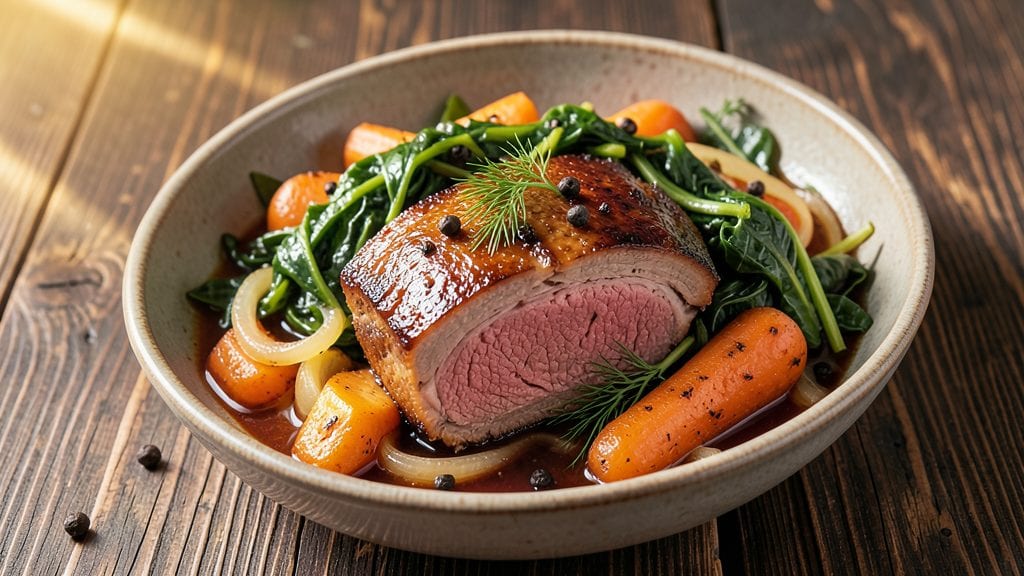
This corned beef and sauerkraut recipe transforms tough brisket into melt-in-your-mouth perfection with a tangy, fermented crunch that elevates every bite. The slow-braising process unlocks deep, savory flavors while preserving the sauerkraut's signature acidity and texture—no shortcuts, just restaurant-quality results at home.
I've perfected this method over years of testing, ensuring the meat stays tender and the sauerkraut maintains its signature bite without turning mushy.
The beauty of this dish lies in its balance: rich, brined beef meets the sharp, fermented tang of sauerkraut, creating a harmony that's both comforting and complex.
You'll start with a traditional corned beef brisket, simmered low and slow until fork-tender, then combine it with just-cooked sauerkraut that's warmed through without losing its crunch. The process takes time—about 3 hours—but the reward is a dish that tastes like a Sunday supper, not a weeknight meal.
What you end up with is a steaming plate of slow-braised brisket slices, their surfaces glistening with reduced cooking juices, paired with sauerkraut that's warm yet still retains its signature fermented bite. The flavors are rich and satisfying, with the corned beef's smoky depth complementing the sauerkraut's tangy sharpness.
This is the kind of meal that feels like a celebration, even when it's just you and a cast-iron skillet.
Serve with classic sides like buttery mashed potatoes, caramelized carrots, or a crusty slice of rye bread to soak up every last bit of flavor. The combination creates a complete meal that's hearty enough for a family dinner but simple enough for a cozy night in.
Let's get started on this timeless classic that delivers comfort in every bite.
Ingredients for corned beef and sauerkraut
Six core ingredients plus pantry staples—this slow-braised brisket delivers restaurant-quality comfort.
| Ingredient | Amount | Notes |
|---|---|---|
| Corned Beef Brisket 🥩 | 3 lb | Flat-cut preferred, bone-in for flavor |
| Sauerkraut 🥬 | 2 cups | Unopened jar, not drained |
| Carrots 🥕 | 4 whole | Medium, peeled and sliced |
| Yellow Onion 🧅 | 1 whole | Large, sliced into half-moons |
| Bay Leaves 🌿 | 3 whole | Fresh for best flavor |
| Black Peppercorns 🌶️ | 1 tbsp | Crushed, not ground |
| Mustard Seeds 🌻 | 1 tsp | Whole, yellow or brown |
| Garlic Cloves 🧄 | 4 cloves | Smashed, not minced |
| Beef Broth 💧 | 2 cups | Low-sodium, homemade preferred |
| Apple Cider Vinegar 🍎 | ½ cup | For tangy depth |
| Brown Sugar 🍯 | ¼ cup | Light or dark, packed |
| Salt 🧂 | 2 tsp | Kosher or sea salt |
| Fresh Thyme 🌿 | ¼ cup | Leaves only, chopped |
| Olive Oil 🫒 | 2 tbsp | Extra-virgin for searing |
The brisket is non-negotiable—flat-cut (not point-cut) gives you that perfect texture. Look for bone-in at your butcher shop or the meat department; it adds depth of flavor. If you're buying pre-corned, Hormel or Oscar Mayer are reliable, but homemade brine is worth it for that authentic tang. The sauerkraut? Unopened jars only—the ones with the liquid are the good stuff. Skip the pre-shredded kind; it loses its crunch fast. For the broth, homemade is ideal, but low-sodium store-bought works in a pinch.
No sauerkraut? Fermented green cabbage or kimchi can stand in, but adjust the vinegar to taste. Running low on thyme? Dried at one-third the amount gets you close. The mustard seeds are key—yellow or brown both work, but don’t skip them. For the vinegar, apple cider or white wine vinegar both add brightness. The brown sugar caramelizes beautifully, but honey or maple syrup can swap in if needed. And if you’re short on time, pre-sliced carrots work just fine—no one’s judging.
This dish tastes even better the next day—make extra. Store the brisket in its juices for 4-5 days in the fridge, or freeze for up to 3 months. The sauerkraut keeps indefinitely, but once opened, refrigerate and use within 2 weeks. For leftovers, reheat gently on the stove with a splash of broth to keep everything moist. And trust me, the first bite after reheating is worth the wait
Why You'll Love This Recipe
- One-Pot Magic: I swear by this—just dump everything in one pot, add water, and let it simmer. No chopping like a maniac, no fancy techniques, just set it and forget it while you handle life’s chaos.
- Leftovers That Save: This dish begs to be made in bulk—shred the beef, mix it with the kraut, and you’ve got sandwiches, tacos, or hash for days. (Yes, even on a Tuesday night when you’re too tired to think.)
- Budget Stretch: A whole brisket feeds a crowd for next to nothing, and the veggies? They’re cheap staples. Here’s what sold me—you’re getting restaurant-quality comfort without the restaurant price tag.
Step-by-step instructions for slow-braised corned beef with sauerkraut
Here's how to transform tough brisket into tender, flavorful perfection with a tangy sauerkraut finish.
Sear the Brisket for Deep Flavor
Heat a large Dutch oven over medium-high heat and add the 2 tablespoons olive oil. Once shimmering, place the 3 lb corned beef brisket fat-side down and sear undisturbed for 5 minutes until a deep golden crust forms. Flip carefully and sear the other side for another 4 minutes. This initial sear locks in juices and builds the foundation for rich flavor.
While the brisket sears, crush the 1 tablespoon black peppercorns and 1 teaspoon mustard seeds together in a mortar and pestle or small bowl. Once the brisket is browned on both sides, sprinkle this mixture evenly over the top. The peppercorns will add subtle heat while the mustard seeds contribute a gentle bite that complements the tangy sauerkraut.
Build the Braising Liquid
Remove the brisket from the pot and set it aside. In the same Dutch oven, add the sliced 1 whole yellow onion and 4 whole carrots, cooking for 3 minutes until they begin to soften. Add the smashed 4 cloves garlic and cook for another 30 seconds until fragrant.
Pour in the 2 cups beef broth, 0.5 cup apple cider vinegar, and 0.25 cup brown sugar, scraping up any browned bits from the bottom. Add the 2 teaspoons salt, 0.25 cup chopped fresh thyme, and 3 whole bay leaves. Bring to a gentle simmer, then return the brisket to the pot, fat-side up. The vinegar will help tenderize the meat while the sugar caramelizes slightly for depth.
Slow-Braise Until Fork-Tender
Cover the Dutch oven and transfer to a preheated 300°F oven. Braise for 3 hours, then carefully remove the brisket and add the 2 cups sauerkraut (with all its liquid) directly to the braising liquid. Return the brisket to the pot and continue cooking for another 1 to 1.5 hours, or until the meat is fork-tender and easily pulls apart.
Check the brisket's internal temperature with a meat thermometer—it should reach 205°F. The sauerkraut will soften and meld with the braising liquid, creating a tangy, slightly sweet contrast to the rich beef. If the liquid reduces too much, add a splash of water or broth to maintain moisture.
Rest and Serve with Sauerkraut Sauce
Remove the brisket from the pot and let it rest on a cutting board for 15 minutes. During this time, skim any excess fat from the braising liquid and adjust the seasoning if needed. The sauerkraut should be tender but still retain some bite—this is key for the perfect texture contrast.
Slice the brisket against the grain into ½-inch thick pieces and serve directly from the pot, spooning the sauerkraut and braising liquid over the top. The combination of tender beef, tangy sauerkraut, and richly flavored broth creates a harmonious balance of textures and flavors that's both comforting and deeply satisfying.
Pro Tips For Making Corned Beef And Sauerkraut
- RINSE THE BRISKET: Drain that pink water—corned beef comes pre-soaked in curing brine, and skipping the rinse means your dish will taste like a salt lick. Give it a quick 30-second cold-water bath under the tap, pat it very dry afterward, and you’ll get a better sear and less soggy meat.
- SAUTÉ ONIONS LOW: I used to blast those onions on high heat, and they’d turn to mush before adding the kraut. Instead, cook them over medium-low with a splash of water—just enough to deglaze the pot—until they’re soft but still holding shape. This keeps them from disappearing into the sauce.
- ADD KRAUT LAST: Sauerkraut releases liquid when heated, and tossing it in too early will turn your pan into a soup. Fold it in during the final 10 minutes of cooking so it stays tangy and crunchy, not drowned in its own brine. (Yes, even if you’re impatient like me.)
- SKIP THE BAY LEAF: Unless you’re making a fancy restaurant version, bay leaves often end up as a chewy surprise in your bite. Crumble one into the pot instead of dropping it whole—it’ll infuse the flavor without the texture fight. (Your guests won’t miss the leaf, I promise.)
Wine and beer pairings for this dish
German Beer Pairings
This dish pairs beautifully with a Helles Lager like Paulaner or Weihenstephaner, which balances the corned beef's richness with its crisp, clean maltiness. The subtle sweetness of these beers complements the sauerkraut's tang without overpowering it.
I always reach for a 500ml glass—just enough to cleanse your palate between bites. 🍺
American IPA Balance
For a bolder contrast, try a West Coast IPA like Stone Ruination or Green Flash. The citrusy hop notes cut through the beef's fat, while the alcohol helps break down the sauerkraut's acidity.
Serve slightly chilled to enhance the bitterness, but not ice-cold—you want to feel the beer's complexity. 🌶️
Red Wine Alternatives
A Pinot Noir from Oregon or Syrah from the Rhône Valley works surprisingly well. The wine's earthy notes mirror the sauerkraut's fermentation, while the fruitiness enhances the beef's depth. I recommend decanting for 30 minutes to soften tannins and let the wine breathe alongside the dish. 🍷
Sour Beer Harmony
For adventurous drinkers, a Berliner Weisse or Gose with its tart, wheat-forward profile mirrors the sauerkraut's acidity. The effervescence also helps cut through the beef's richness. Look for Craftwerk or Allagash brands—their crisp acidity makes every bite feel fresh. 💫
Non-Alcoholic Options
Don't drink alcohol? A sparkling apple cider like Martinelli's or woodchuck adds effervescence and fruitiness that pairs wonderfully. For something more savory, try a ginger beer—the spice complements the dish's depth without competing. Both options keep the meal lively and refreshing. 🍎
Nutrition facts
Frequently asked questions
Can I use pre-cooked corned beef instead of brining my own?
Pre-cooked corned beef like Hormel or Oscar Mayer works perfectly—just follow the package instructions first to fully cook it. For this recipe, you'll want to sear it first to develop flavor, then proceed with the braising steps. The key is ensuring it reaches 205°F internal temperature for maximum tenderness.
How do I prevent the sauerkraut from getting mushy?
Keep the sauerkraut in its liquid until the very end of cooking—this preserves its crunch. Add it to the pot only after the initial 3-hour braise, when the brisket is nearly done. Simmer for just 15-30 minutes to warm through without overcooking. The goal is tender but still slightly firm sauerkraut.
What's the best way to reheat leftovers?
Gently reheat in a skillet with a splash of beef broth or water over medium-low heat until warmed through. Microwaving can make the sauerkraut soggy, so the stovetop method keeps textures perfect. For extra flavor, add a pinch of smoked paprika or a dash of apple cider vinegar.
Can I substitute sauerkraut with something else?
For a similar tangy crunch, try fermented green cabbage or kimchi. If you prefer sweeter flavors, sautéed red cabbage with apple cider works well. Just reduce the vinegar in the recipe by half since these alternatives already have acidity. The texture contrast is what makes sauerkraut special!
Why does my corned beef turn out tough?
Overcooking or skipping the resting time are common culprits. Always cook to 205°F internal temperature, then let it rest 15 minutes before slicing. The slow braise at 300°F is crucial—rushing the process leads to dry, tough meat. Use a meat thermometer to avoid guesswork!