Side Dishes
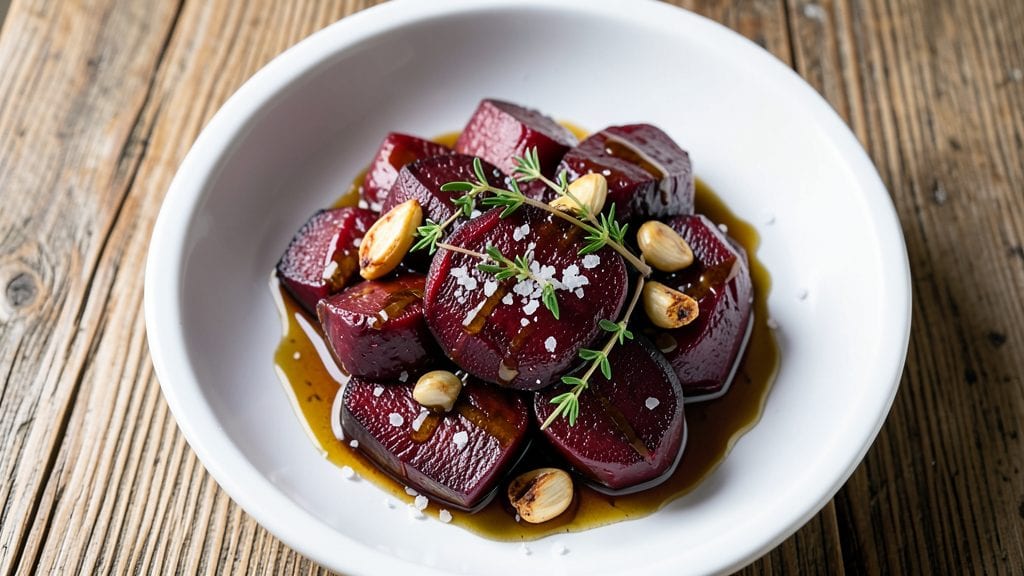
Cooked beets recipe transforms humble root vegetables into a velvety, naturally sweet side that elevates any meal. The secret lies in roasting them until tender yet firm, intensifying their deep earthy flavor while developing a caramelized edge that’s impossible to resist.
I’ve perfected this method after years of testing—no more rubbery beets or bitter aftertaste, just restaurant-quality results at home.
What makes this recipe foolproof is the technique: whole beets roasted in their skins (no peeling required) until fork-tender, then easily slipped out of their papery jackets. The process takes just 45 minutes from start to finish, with minimal prep—simply scrub, trim, and roast.
For extra depth, a drizzle of honey or maple syrup during the final minutes enhances their natural sweetness while keeping the method simple.
By the time you’re done, you’ll have beets that are tender yet structured, with a glossy sheen and concentrated flavor that pairs beautifully with roasted meats, grain bowls, or even as a standalone appetizer.
The versatility is what makes this recipe a game-changer—use them in salads, mash them into dips, or serve them whole with a sprinkle of flaky salt. This is the kind of side dish that turns ordinary meals into something special.
For those who prefer boiling, the same principles apply—just adjust the cooking time to 30-40 minutes for perfectly tender results. The key is patience; letting the beets cook slowly ensures they develop that perfect texture without turning mushy.
Whether you’re hosting a dinner party or meal prepping for the week, this recipe delivers professional-quality beets every time.
Ingredients for cooked beets
Twelve ingredients elevate humble beets to restaurant-quality perfection with minimal effort.
| Ingredient | Amount | Notes |
|---|---|---|
| Medium Beets 🧅 | 1 ½ lb | Whole, scrubbed, trimmed, skins on |
| Extra-Virgin Olive Oil 🫒 | 2 tbsp | High-quality, fruity flavor profile |
| Maple Syrup 🍯 | 1 tbsp | Grade B for robust flavor |
| Flaky Sea Salt 🧂 | 1 tsp | Diamond Crystal preferred |
| Fresh Thyme Leaves 🌿 | ¼ cup | Or 1 tsp dried thyme |
| Garlic Cloves 🧄 | 2 cloves | Peeled, halved horizontally |
| Balsamic Vinegar 🍷 | 1 tbsp | Aged 25+ months preferred |
| Vegetable Broth 💧 | ½ cup | Low-sodium, homemade or store-bought |
| Red Wine Vinegar 🍷 | 1 tsp | For acidity balance |
| Ground Black Pepper 🌶️ | ½ tsp | Freshly cracked preferred |
| Fresh Rosemary 🌿 | ¼ cup | Chopped, stems removed |
| Coconut Oil 🥥 | 1 tbsp | For roasting pan coating |
The beets are the foundation—opt for organic heirloom varieties like Chioggia or Golden for vibrant color and enhanced sweetness. Whole Foods Market and Trader Joe's carry excellent selections, or grow your own for peak flavor. Avoid pre-cooked beets; their texture and flavor are inferior to fresh. The skins should be firm and unblemished, with a deep, earthy aroma when cut. For large batches, Costco's organic beets offer superior value. Trim the leafy greens down to 1-inch stems to prevent bitterness during cooking. The maple syrup should be Grade B—its robust flavor complements the beets' natural sweetness far better than Grade A.
No maple syrup? Agave nectar or date syrup work equally well, though maple's distinct flavor is ideal. Substitute dried thyme at one-third the amount of fresh, but fresh thyme's aromatic oils elevate the dish significantly. For a bolder garlic flavor, roast the cloves with the beetsred wine vinegar at double the amount, though aged balsamic adds depth. If you prefer a lighter touch, reduce the vinegar to 0.5 tbsp and add 1 tsp of lemon juice instead. For those avoiding vinegar entirely, apple cider vinegar provides a milder alternative. Prefer a different herb? Fresh sage or marjoram work beautifully in this preparation.
Store cooked beets in an airtight container with a paper towel to absorb excess moisture, where they'll maintain their texture for up to 5 days in the refrigerator. For longer storage, portion into freezer-safe containers with a drizzle of olive oil to prevent drying; they'll keep for 6 months without losing quality. Reheat gently in a skillet with a splash of vegetable broth to restore their velvety texture. These beets reheat beautifully—ideal for meal prep. The roasted garlic cloves can be mashed into the beets for extra richness, or served whole as a flavorful garnish. Portion into individual containers for grab-and-go salads or bowls throughout the week.
Why You'll Love This Recipe
- One-Pan Magic: I swear by this recipe when I’m too tired to dirty more than one pan. Just toss those beets in olive oil, a drizzle of maple, and thyme—no peeling required if you’re in a rush—and let the oven do the work. The salt caramelizes on the edges while the center stays tender, and honestly? That’s my kind of effortless dinner.
- Sweet-Savory Balance: Between us, I was skeptical about maple syrup on beets, but the way it melts into the earthy depth? Chef’s kiss. The flaky sea salt cuts through the sweetness, and the thyme adds this bright, herbal note that makes it taste like something you’d order at a fancy restaurant—not just a side dish. It’s the kind of flavor combo that sticks with you.
- Meal Prep MVP: These beets keep beautifully for days in the fridge, so I make a big batch on Sundays and use them all week—sliced on toast, tossed with greens, or even mashed into hummus. My kids grab them straight from the fridge for snacks, and my husband sneaks them into his salads. (Yes, even on a Tuesday night.)
- Budget Bright Spot: Beets are one of those ingredients that feel luxurious but won’t break the bank. A single bag lasts forever, and the other ingredients—olive oil, maple, salt—are pantry staples. I’ll be real: this recipe saved me from ordering takeout during a tight month, and the leftovers? Just as good the next day, if not better.
Step-by-step instructions for roasted beets with herbed glaze
Transform simple beets into a restaurant-worthy dish with this precise roasting technique and aromatic herb glaze.
Preheat and Prepare the Roasting Pan
Preheat your oven to 400°F while you prepare the beets. Line a rimmed baking sheet with parchment paper for easy cleanup. Melt the 1 tablespoon coconut oil in a small saucepan over low heat until just liquid, then transfer it to a small bowl and set aside to cool slightly.
Coat the entire baking sheet with the melted coconut oil using a paper towel, spreading it evenly with your fingers. This creates a nonstick barrier that prevents the beets from sticking and enhances their natural caramelization. The coconut oil also adds a subtle sweetness that complements the earthy beets beautifully.
Roast the Beets Until Tender
Place the 1.5 lb medium beets (whole, scrubbed, and trimmed) directly on the prepared baking sheet. Arrange them in a single layer, leaving about 1 inch between each beet for even air circulation. This spacing ensures they roast uniformly without steaming.
Roast for 45-50 minutes until a knife slides in easily and the beets feel tender when gently squeezed. The skins should be slightly blistered but still intact. If you prefer softer beets, continue roasting for 5-10 minutes longer. The beets are done when their internal temperature reaches 205°F—this is the key to achieving that perfect balance of tenderness and caramelized flavor.
Create the Herbed Glaze
While the beets roast, prepare the glaze by combining the 2 tablespoons extra-virgin olive oil, 1 tablespoon maple syrup, 1 tablespoon balsamic vinegar, and 1 teaspoon red wine vinegar in a small saucepan. Bring to a gentle simmer over medium-low heat, then reduce the heat to low and let it cook for 3-4 minutes until slightly thickened.
Add the 0.25 cup fresh thyme leaves, 0.25 cup fresh rosemary, 2 cloves garlic cloves (halved), 0.5 teaspoon ground black pepper, and 0.5 cup vegetable broth. Stir in the 1 teaspoon flaky sea salt and simmer for an additional 2-3 minutes until the liquid reduces by about half and the herbs release their aromatic oils. The glaze should coat the back of a spoon and have a syrupy consistency—this ensures it clings beautifully to the beets.
Glaze and Rest the Beets
Remove the beets from the oven and transfer them to a serving platter. Immediately pour the herbed glaze over the top, coating each beet evenly. Let them rest for 5 minutes to allow the glaze to set and the flavors to meld together.
Serve the beets warm, drizzled with any remaining glaze from the platter. The combination of caramelized beets, sweet maple syrup, tangy vinegars, and fragrant herbs creates a harmonious balance of earthy and sweet flavors. For an extra touch, garnish with additional flaky sea salt and a sprinkle of fresh rosemary just before serving to elevate the presentation and add a burst of freshness.
Pro Tips For Making Cooked Beets
- Peel After Cooking: Beets are stubborn—scrubbing them raw leaves dirt trapped in their crevices, and paring them risks wasting good flesh. Roast or boil them whole first, then slip off the skins with a paper towel while still warm. (Yes, even the stubborn red ones.)
- Use a Knife, Not Your Teeth: Maple syrup burns faster than you’d think, especially when it’s hot. Stir it in just before serving—about 30 seconds off the heat—and let the residual warmth blend it in. If you’re impatient like me, reduce the syrup slightly first (simmer 1-2 minutes) to cut down on splatter.
- Salt the Oil First: The olive oil should taste like a briny ocean, not just a drizzle. Toss in a generous pinch of flaky sea salt with the oil before adding the beets—it seasons the oil itself, which then coats every slice. I learned this the hard way after making beets that tasted almost as good as they could’ve.
- Roast at 400°F, Not 375°F: Beets at 375°F take forever and often end up mealy. Crank it to 400°F for 45-50 minutes (depending on size), then tent with foil for the last 15 to let them soften without drying out. The edges will caramelize just enough to make the dish feel special—no extra work, just better results.
Regional styles of this dish
French Terrine Tradition
In France, beets are often transformed into a terrine—a rich, spiced beet spread that’s a staple at holiday tables. The French method involves boiling beets until fork-tender, then puréeing them with shallots, port wine, and fresh herbs like tarragon and parsley.
I love adding a pinch of nutmeg for warmth and a touch of Dijon mustard to balance the sweetness. This terrine is typically shaped into a loaf pan, chilled overnight, and sliced into elegant portions. 🌟
German Pickled Beets
German cuisine turns beets into pickled delicacies known as Rote Bete, often served as a side or in salads. The process involves boiling beets, then packing them into jars with a vinegar-based brine containing mustard seeds, cloves, and bay leaves.
The beets develop a tangy crunch that contrasts beautifully with rich meats like pork or duck. For a quicker version, I use apple cider vinegar and a splash of beet juice from the cooking water to intensify the flavor.
These pickled beets keep for months in the fridge, making them perfect for meal prep. ❄️
Italian Roasted Beets
Italian chefs often roast beets with garlic, rosemary, and olive oil, then toss them with pecorino cheese and walnuts for a salad. The Italians focus on high-heat roasting (up to 425°F) to caramelize the skins while keeping the flesh tender.
I’ve seen them served alongside grilled lamb or in pasta dishes like orecchiette with roasted beets and sage. For an extra touch, Italians sometimes drizzle the beets with aged balsamic glaze right before serving. 🍷
Middle Eastern Beet Salad
In Middle Eastern cuisine, beets are often boiled, peeled, and diced into vibrant salads with pomegranate seeds, mint, and sumac. The key here is a lemon-tahini dressing that adds a nutty, tangy contrast to the earthy beets.
I like to add toasted pine nuts for crunch and a sprinkle of za’atar for a smoky depth. This salad is commonly served at Ramadan iftars or as a side with grilled halloumi. The bright colors and flavors make it a showstopper. 🌿
American Southern Sweet Beets
The American South swears by honey-glazed roasted beets, often served alongside smoked meats or cornbread. The technique involves roasting beets with honey, black pepper, and a splash of apple cider until sticky and caramelized.
I’ve seen Southern cooks add crumbled bacon or pecans for extra richness. These beets are a holiday favorite, especially during Thanksgiving or Christmas dinners, where their deep sweetness complements the meal’s hearty flavors. 🍯
Japanese Beet Pickles
Japanese cuisine transforms beets into quick-pickled slices known as asazuke, often served with sushi or rice bowls. The process involves thinly slicing beets, then marinating them in a rice vinegar, sugar, and soy sauce mixture with ginger and sesame seeds.
The result is a sweet-savory crunch that cuts through rich dishes. For a modern twist, I’ve added yuzu kosho for a citrusy kick. These pickles are ready in just 30 minutes, making them a perfect quick side. 🍶
Nutrition facts
Frequently asked questions
Do I need to peel beets before cooking them?
Not at all! Roasting beets whole with their skins on preserves nutrients and creates a beautiful presentation. The skins naturally peel away after cooking, revealing vibrant color. For boiled beets, peeling is optional—just scrub them clean before cooking.
How do I know when beets are fully cooked?
Beets are done when they yield easily to a fork or knife and reach an internal temperature of 205°F. For roasted beets, this takes 45-50 minutes at 400°F. Boiled beets should be tender in 30-40 minutes. The skins should be slightly blistered but still intact.
Can I substitute maple syrup in this recipe?
Use agave nectar, date syrup, or honey (for non-vegan versions) in a 1:1 ratio. Grade B maple syrup is ideal for its robust flavor, but any liquid sweetener will work. Just taste as you go—you may need slightly less if using a stronger sweetener like honey.
Why do my beets turn out rubbery or bitter?
Rubbery beets usually mean overcooking or undercooking. Check internal temperature (205°F) and cooking time. Bitterness often comes from leaving the greens too long or using old beets. Always trim stems to 1 inch and use fresh, firm beets for best results.
How should I store cooked beets?
Store in an airtight container with a paper towel to absorb moisture. They'll keep for 5 days in the fridge. For longer storage, freeze in portions with olive oil (prevents drying). Reheat gently in a skillet with broth to restore texture. Perfect for meal prep!