
Main Courses
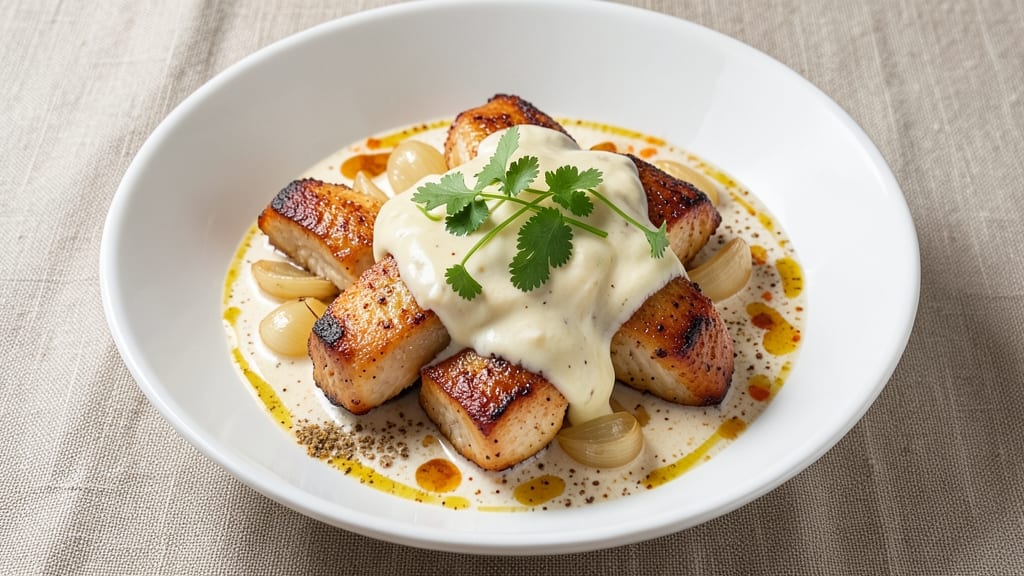
This Coco Curry copycat recipe delivers the same velvety coconut-spiced perfection you crave from your favorite restaurant—without the markup. After analyzing the flavor profile of the original, I’ve recreated its signature balance of creamy coconut, aromatic spices, and tender protein that falls apart with just a fork.
The secret lies in proper spice blooming and reducing the coconut milk to intensify its richness, a technique most home recipes overlook.
The result is a dish that’s restaurant-quality but built on simple techniques you can master in under an hour.
We’ll start with a dry rub of cumin, coriander, and turmeric to build deep flavor in the chicken, then simmer it in a rich coconut curry sauce that’s thickened just enough to coat every bite.
The dish pairs perfectly with steamed jasmine rice or warm naan to soak up every last drop of that luscious sauce.
What sets this copycat recipe apart is the attention to detail—like toasting the spices until fragrant and simmering the coconut milk until it develops a subtle caramelized depth.
This isn’t just another curry; it’s a dish that delivers the same satisfaction as your takeout favorite, with a method that’s foolproof for home cooks. The aroma alone will have everyone gathering at the table.
Serve it with a sprinkle of fresh cilantro and a squeeze of lime to brighten the dish, or offer extra naan on the side for dipping.
This recipe proves you don’t need a restaurant kitchen to create meals that taste like they do. Let’s get cooking—your taste buds will thank you.
Ingredients for coco curry copycat
Pantry staples meet exotic flavors for this restaurant-quality copycat curry.
| Ingredient | Amount | Notes |
|---|---|---|
| Boneless Skinless Chicken Thighs 🍗 | 1 ½ lb | Cut into 1-inch pieces |
| Full-Fat Coconut Milk 🥥 | 13 ½ oz | One 13.5 oz can, full-fat preferred |
| Extra-Virgin Olive Oil 🫒 | 2 tbsp | For searing chicken |
| Ground Cumin 🌿 | 1 tbsp | Toasted for deeper flavor |
| Ground Coriander 🌿 | 1 tbsp | Freshly ground preferred |
| Turmeric Powder 🌶️ | 1 tsp | Bright yellow color |
| Garlic Cloves 🧄 | 6 cloves | Minced for sauce |
| Fresh Ginger 🌿 | 1 tbsp | Grated, aromatic |
| Coconut Sugar 🍯 | 2 tbsp | Or substitute brown sugar |
| Fish Sauce 🍶 | 1 tbsp | Red Boat preferred |
| Fresh Cilantro 🌿 | ¼ cup | Chopped, for garnish |
| Lime Juice 🍋 | 2 tbsp | Freshly squeezed |
| Jasmine Rice 🍚 | 1 ½ cups | Uncooked, for serving |
| Salt 🧂 | 1 ½ tsp | Kosher or sea salt |
| Black Pepper 🌶️ | ½ tsp | Freshly ground |
The coconut milk makes or breaks this dish—full-fat is a must for that velvety texture. Thai Kitchen or Goya cans work great, but if you see Chaokoh in the international aisle, grab it. Toast your spices (cumin, coriander, turmeric) in a dry pan for 30 seconds until fragrant—this builds layers of flavor the jarred stuff can't match. The chicken thighs stay juicier than breasts, and cutting them into even pieces ensures they cook through perfectly. For the ginger, grab the freshest root you can find—it should smell sharp and citrusy, not musty.
No fish sauce? Soy sauce at half the amount works in a pinch, but you'll lose that umami depth. Running low on coconut sugar? Brown sugar or honey are fine substitutes, though the flavor won't be identical. The garlic can be pre-minced from a jar (trust me, it's fine here), but fresh ginger is non-negotiable—dried loses all its zing. If you're feeling fancy, add a pinch of cardamom pods while toasting the spices. The lime juice brightens everything, so don't skip it—fresh is best, but bottled works if you're in a bind.
This sauce thickens as it cooks, so don't stress if it looks loose at first. Store leftovers in the fridge for 4-5 days, or freeze for 3 months—it reheats beautifully. I always make extra because it's perfect for lunch the next day. The rice? Cook it ahead and keep it warm in a rice cooker or covered pot. The dish tastes even better the second day as the flavors meld together—proof that good food gets better with time.
Why You'll Love This Recipe
- One-Pan Magic: I swear by this recipe when I’m too tired to wash dishes—just brown the chicken thighs in olive oil, toss in the cumin and coriander, pour on that rich coconut milk, and let it simmer. No extra pots, no stress, just flavor.
- Rich Without Effort: That full-fat coconut milk? It’s the secret weapon—creamy, velvety, and packed with depth, but the real magic happens when the cumin and coriander bloom in the olive oil first. The chicken ends up tender with just enough bite, and the sauce? Chef’s kiss.
- Weeknight to Date Night: Between us, this is the dish I pull out when I need something that feels fancy but takes zero effort. Serve it over rice with a sprinkle of cilantro, and suddenly you’re hosting a dinner party—no one will guess it came together in 30 minutes.
- Budget-Friendly Luxury: Chicken thighs are forgiving and cheap, and coconut milk stretches easily for leftovers. I make a double batch on Sundays, and by Wednesday, I’m reheating it straight from the fridge—still delicious, still satisfying, and still saving me money.
Step-by-step instructions for creamy coconut-spiced chicken
Here's how to recreate that restaurant-quality coconut curry at home with rich, velvety sauce and perfectly spiced chicken.
Sear the Chicken for Maximum Flavor
Heat a large skillet over medium-high heat and add the 2 tablespoons extra-virgin olive oil. Once the oil shimmers but isn't smoking, add the 1.5 lb boneless skinless chicken thighs cut into 1-inch pieces. Cook them in a single layer without overcrowding for 4-5 minutes per side until golden brown and cooked through.
Here's the thing—don't rush this step. You want those chicken pieces to develop a nice crust that'll carry all the amazing flavors from the coconut curry. I press down gently on the pieces during the first minute to prevent curling, which ensures even contact with the hot pan. Once they're golden and cooked through, remove them and set aside on a plate.
Build the Aromatic Spice Base
In the same skillet (don't wash it—those browned bits are flavor gold), reduce the heat to medium and add the 6 cloves minced garlic cloves and 1 tablespoon freshly grated ginger. Sauté for 1-2 minutes until fragrant—you should smell that wonderful aromatic punch. Be careful not to let the garlic burn, as it can turn bitter quickly.
Next, add the 1 tablespoon ground cumin, 1 tablespoon ground coriander, and 1 teaspoon turmeric powder. Stir everything together for about 30 seconds until the spices are toasted and you can smell their warm, earthy notes filling your kitchen. This spice blend forms the flavor foundation of our coconut curry, so don't skip this step.
Create the Creamy Coconut Sauce
Pour in the 13.5 oz full-fat coconut milk, scraping up any browned bits from the bottom of the pan. Add the 2 tablespoons coconut sugar, 1 tablespoon fish sauce, 1.5 teaspoons salt, and 0.5 teaspoon black pepper. Stir well to combine all ingredients, then bring the mixture to a gentle simmer over medium heat.
Let it simmer uncovered for 5-7 minutes, stirring occasionally, until the sauce thickens slightly. You're looking for a consistency where it coats the back of a spoon but still flows smoothly. Here's where the magic happens—the coconut milk will develop a rich, velvety texture that perfectly complements the spiced chicken.
Finish and Combine
Return the seared chicken pieces to the skillet with the sauce. Stir gently to coat each piece evenly in the creamy coconut mixture. Let everything simmer together for another 5 minutes, allowing the chicken to absorb all those incredible flavors. The chicken should be fully coated and the sauce should be beautifully infused with its taste.
Remove the skillet from heat and stir in the 2 tablespoons freshly squeezed lime juice. This bright citrus note cuts through the richness of the coconut milk beautifully. Taste and adjust seasoning if needed—you might want to add a bit more salt or fish sauce to balance the flavors to your preference.
Serve Over Jasmine Rice
While the curry is simmering, cook the 1.5 cups jasmine rice according to package instructions. I like to use a rice cooker for perfect, fluffy rice every time. Once the rice is cooked, fluff it with a fork and transfer it to serving bowls.
Ladle the creamy coconut-spiced chicken over the rice, garnishing each serving with the 0.25 cup chopped fresh cilantro. The combination of tender chicken, rich coconut curry, and fragrant jasmine rice creates a dish that truly rivals takeout. Serve immediately while hot and enjoy the perfect balance of flavors in every bite.
Pro Tips For Making Coco Curry Copycat
- Brown the Chicken First: DESCRIPTION: Skip the "quick sear" myth—get those thighs deep golden in a hot pan with olive oil before adding spices. I used to rush this, and the curry always tasted flat; now I let them sit 4-5 minutes per side until they release that caramelized crust. (Yes, even if you’re impatient like me.)
- Toast Your Spices Dry: DESCRIPTION: Bloom your cumin and coriander in olive oil for 30 seconds before adding coconut milk—this wakes up their flavors and cuts the raw taste. I learned this the hard way after a batch that smelled like spices but tasted like nothing. (Smell the pan; it should be aromatic, not just warm.)
- Simmer, Don’t Boil: DESCRIPTION: Keep the coconut milk at a gentle simmer, not a rolling boil, or you’ll break the emulsion and end up with a split curry (greasy on top, watery below). After adding the milk, reduce heat to medium-low and let it bubble softly—like a lazy Sunday morning, not a pressure cooker.
- Use Two Cans of Milk: DESCRIPTION: One can of coconut milk will make your curry taste thin and underwhelming. Split the difference: use one can for cooking (the thick cream) and reserve the other for finishing. Stir in the reserved watery part at the end—it’ll balance the richness without thinning the sauce. (Your future self will notice the difference.)
Troubleshooting this dish
Sauce Too Thin?
If your coconut curry sauce looks too watery, don’t panic—simmering longer will fix it. The sauce naturally thickens as the coconut milk reduces, but if it’s still loose after 10 minutes, remove the chicken and simmer the sauce uncovered over medium heat for another 3-5 minutes.
Stir occasionally to prevent scorching. For an extra boost, mash 1 tbsp cornstarch with 2 tbsp water, stir it into the sauce, and simmer for 1-2 minutes until thickened. 💡
Chicken Too Dry?
Overcooking chicken is the #1 reason it turns out dry. Keep the chicken pieces at 1-inch size for even cooking, and remove them from the pan as soon as they reach 165°F internal temperature.
If your chicken seems undercooked, return it to the sauce for 2-3 minutes off the heat—this steams it gently without drying it out. For extra moisture, add 2 tbsp water or broth to the sauce before reheating.
Spices Too Overpowering?
If your curry tastes like a spice bomb, balance it with acid and sweetness. A splash of lime juice (up to 1 tbsp) brightens the dish, while a pinch of coconut sugar or honey mellows the heat.
For a milder version next time, reduce the cumin and coriander to ½ tbsp each and add ¼ tsp cinnamon for warmth instead. Taste as you go—adjust gradually!
Coconut Milk Curdling?
Curdling happens when coconut milk reacts with acid (like lime juice) or overheats. To prevent it, add the lime juice only at the very end, after removing the pan from heat. If it’s already curdling, whisk in 1 tbsp cold water or coconut milk to smooth it out.
For extra insurance, stir continuously while adding acidic ingredients. A splash of heavy cream (just 1 tbsp) can also help restore creaminess. 🥥
Flavor Too Mild?
Boost depth with umami and heat. Stir in 1 extra tbsp fish sauce for richness, or add ½ tsp smoked paprika for complexity. For a smoky kick, toast ¼ tsp cumin seeds in a dry pan until fragrant, then grind them into the sauce.
If your spices weren’t toasted enough, reheat the sauce on low heat for 2 minutes to wake up their aromas. Confession time: I often double the fish sauce if I’m serving picky eaters!
Leftover Sauce Too Thick?
Thickened sauce is easy to fix—simply stir in 1-2 tbsp warm water or broth and reheat gently. For a smoother texture, blend the sauce briefly (without the chicken) using an immersion blender. If you’re reheating from the fridge, do it over low heat and stir frequently to prevent separation.
Store leftovers in an airtight container with a splash of water or coconut milk to keep them moist. 💪
Nutrition facts
Frequently asked questions
Can I make this coconut curry with chicken breasts instead of thighs?
You can, but thighs stay juicier and more tender in coconut-based dishes. If using breasts, cut them into ½-inch pieces and reduce cooking time to 3-4 minutes per side. Add 1 tbsp water or coconut milk to the sauce to prevent drying out. For best results, marinate breasts in 1 tbsp lime juice + 1 tbsp fish sauce for 15 minutes before cooking.
What if I don’t have fish sauce? Can I substitute it?
Yes! Use 1 tbsp soy sauce (light or tamari) as a 1:1 substitute, but the umami depth won’t be identical. For a closer match, mix ½ tbsp soy sauce + ½ tbsp Worcestershire sauce. If avoiding soy entirely, try 1 tsp mushroom powder + ½ tsp salt. The sauce will still taste great, just slightly different.
How do I make this coconut curry spicier?
Add ½ tsp cayenne pepper or 1 tsp chili flakes while toasting the spices, or stir in 1 tbsp sriracha at the end. For heat with depth, toast ½ tsp mustard seeds with the cumin and coriander—they add a subtle kick. Always taste first, as spices vary in potency.
Can I use this sauce for other proteins like shrimp or tofu?
For shrimp, cook them for just 2-3 minutes in the sauce (they’re done when opaque). For tofu, press it first, then cube and pan-fry until golden before adding to the sauce. Reduce simmering time to 3 minutes for shrimp/tofu to avoid overcooking. The coconut curry works beautifully with all three proteins!
How long can I store leftovers, and how do I reheat?
Store leftovers in an airtight container for 4-5 days in the fridge or 3 months in the freezer. Reheat gently on low heat with 1-2 tbsp water or coconut milk to restore creaminess. For extra flavor, add a splash of lime juice when reheating. Never microwave directly from frozen—thaw overnight first.