
Appetizers
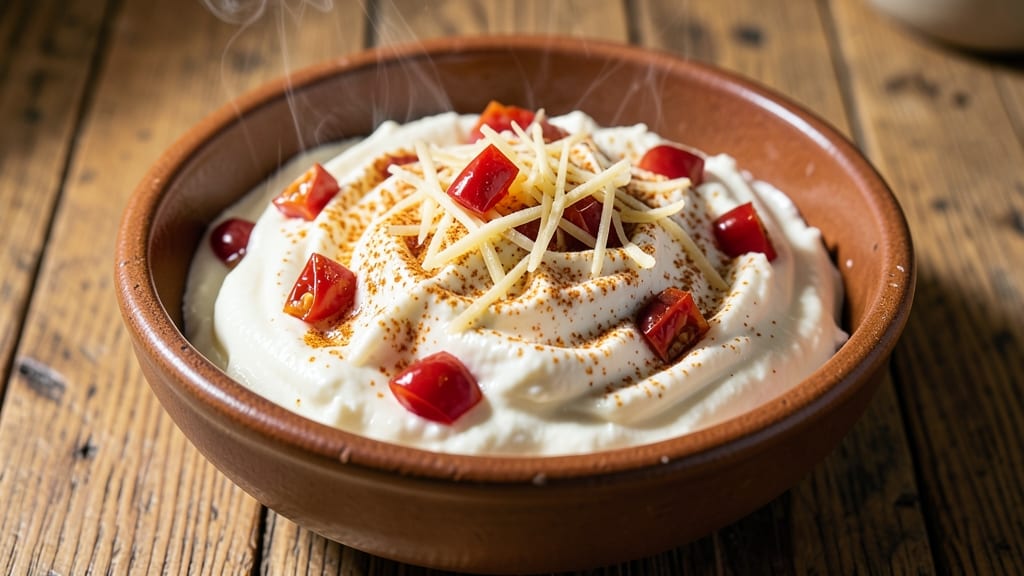
This classic pimento cheese recipe delivers the perfect balance of sharp cheddar, tangy pimentos, and creamy mayonnaise that’s become a Southern staple. The secret lies in blending ingredients until smooth—no lumps, just velvety spreadability that’s ideal for dips, sandwiches, or sides.
I’ve perfected this over years of testing, ensuring every bite delivers that signature tangy, slightly spicy kick.
The foundation of great pimento cheese is sharp cheddar—never mild—paired with high-quality mayonnaise for that signature creaminess. Pimentos add a subtle heat and vibrant color, while a pinch of cayenne and mustard powder elevate the flavor profile.
This version stays true to tradition while delivering a texture so smooth it’ll disappear from your plate before you know it.
What you’ll end up with is a creamy, spreadable condiment that’s rich enough for sandwiches but balanced enough to stand alone as a dip. The sharp cheddar cuts through the richness, while the pimentos add just enough heat to keep it interesting.
It’s the kind of recipe that transforms simple crackers into an elegant appetizer or turns a basic sandwich into something extraordinary.
Store it in an airtight container for up to a week, or freeze for longer shelf life. Perfect for game day, brunch spreads, or as a quick snack with fresh veggies. Let’s make this classic Southern favorite—it’s easier than you think.
Ingredients for classic pimento cheese
Nine simple ingredients transform into velvety pimento cheese that's sharp, tangy, and perfectly balanced.
| Ingredient | Amount | Notes |
|---|---|---|
| Sharp White Cheddar Cheese 🧀 | 8 oz | Aged 12+ months for maximum sharpness |
| Diced Pimentos (packed in oil) 🌶️ | ½ cup | High-quality, not canned slices |
| Mayonnaise 🥛 | ½ cup | Duke's or Hellmann's preferred |
| Dijon Mustard 🍯 | 1 tbsp | For subtle tang and texture |
| Cayenne Pepper 🔥 | ¼ tsp | Adjust for desired heat level |
| Mustard Powder 🌿 | ½ tsp | Enhances depth of flavor |
| Garlic Powder 🧄 | ½ tsp | Freshly ground preferred |
| Salt 🧂 | ½ tsp | Diamond Crystal kosher preferred |
| Extra-Virgin Olive Oil 🫒 | 1 tbsp | For smooth texture and richness |
Sharp chedddar is non-negotiable here—look for aged varieties like Cabot or Tillamook at specialty grocers or the cheese counter. The pimentos should be packed in oil, not water, for the best texture and flavor. I always grab mine from Trader Joe's or Whole Foods because the quality is consistent. For the mayonnaise, Duke's or Hellmann's are my go-tos—they've got that perfect balance of richness without being too heavy. If you're using pre-shredded cheddar, pack it tightly and microwave for 30 seconds first to remove excess moisture, which keeps your pimento cheese smooth.
No pimentos? Roasted red bell peppers from a jar work in a pinch—just drain them well. Short on mayonnaise? Greek yogurt at half the amount gives a tangy twist. Want more depth? Add 1/4 tsp smoked paprika for a subtle smokiness. The mustard powder and cayenne are where you can play—start with the amounts listed, then adjust to taste. If your cheese turns out too thick, add 1 tsp extra-virgin olive oil to loosen it up. And trust me, freshly grated cheese makes all the difference—no pre-shredded lumps here.
This keeps beautifully in an airtight container in the fridge for up to 1 week, though I find it's best within the first 3 days. For longer storage, portion into ice cube trays, freeze, and transfer to a bag—perfect for quick game day dips. If you're making this ahead for a party, cover the surface with plastic wrap to prevent a skin from forming. And if you're feeling fancy, serve it with toasted baguette slices or water crackers for that authentic Southern spread vibe.
Why You'll Love This Recipe
- Five-Ingredient Magic: I swear, this is the kind of recipe where you almost feel guilty for how little effort it takes. Sharp cheddar, mayo, pimentos, mustard, and a pinch of cayenne—that’s it. No fancy techniques, no last-minute grocery runs. Just blend, mix, and boom—flavor explosion.
- Pimento Perfection: Honestly, the combo of that bright, slightly tangy pimento oil with creamy mayo and sharp cheddar is chef’s kiss. The heat from the cayenne lingers just enough to wake up every bite, while the Dijon mustard adds this sneaky depth that makes it taste way more complex than it should. It’s the kind of simple thing that somehow always feels special.
- Sandwich Hero: Between us, this is my go-to for quick lunches, tailgate spreads, or even slathered on crackers when I’m too tired to cook. It’s the star of grilled cheese, a crowd-pleaser at parties, and yes, even on a Tuesday night when I’m craving something rich but don’t want to stand at the stove for hours.
- Leftovers That Last: Here’s what sold me—this stuff keeps perfectly in the fridge for days, and it only gets better as the flavors meld. A little goes a long way, so I make a big batch, portion it out, and use it all week. Budget-friendly? Absolutely. Waste-free? Even better. Plus, it’s the kind of thing that makes me look like a hero when I pull it out last-minute.
Step-by-step instructions for classic pimento cheese
This method delivers authentic Southern flavor with perfectly balanced sharpness and heat every time.
Shred the Sharp White Cheddar Cheese
Use a sharp cheese grater or food processor fitted with a shredding blade to grate the 8 oz sharp white cheddar cheese into fine, even shreds. I prefer using the food processor for consistency—it creates uniform shreds that melt smoothly into the mixture. Avoid pre-shredded cheese; the anti-caking agents prevent proper blending and can make the final spread grainy.
As you shred, keep the cheese in a single pile to prevent it from drying out. The sharper the cheese, the more pronounced the flavor will be in the final product. If your cheese isn't particularly sharp, don't worry—this recipe still delivers excellent results, though the depth of flavor will be slightly milder. Once shredded, set the cheese aside in a medium mixing bowl.
Combine Wet Ingredients for Creamy Base
In the same bowl with the shredded cheese, add the 0.5 cup mayonnaise, 1 tbsp Dijon mustard, and 1 tbsp extra-virgin olive oil. Using a wooden spoon or silicone spatula, gently fold these ingredients together until fully incorporated. The mayonnaise should begin to coat the cheese shreds evenly, creating a thick, creamy mixture.
This is where the texture foundation happens. The olive oil adds richness and helps prevent the spread from becoming too thick. If you're using a particularly dry mayonnaise, you might need to add an extra ½ teaspoon of olive oil to achieve the perfect consistency. The Dijon mustard provides subtle tang that balances the sharpness of the cheese.
Incorporate Spices and Seasonings
Add the 0.5 tsp garlic powder, 0.5 tsp mustard powder, 0.5 tsp salt, and 0.25 tsp cayenne pepper to the cheese mixture. Using the same wooden spoon, gently fold these dry ingredients into the wet mixture until completely distributed. The spices should disappear into the cheese, creating a uniform blend without any visible specks.
Here's where the magic happens—the spices meld with the cheese's natural flavors. The cayenne pepper adds just enough heat to complement the sharpness, while the garlic and mustard powders create depth. Taste the mixture at this stage—you'll notice the initial balance of flavors. If you want more heat, add an extra pinch of cayenne; if you prefer milder flavor, reduce slightly. This is your opportunity to customize the heat level.
Fold in Pimentos for Classic Texture
Drain the 0.5 cup diced pimentos packed in oil thoroughly using a fine-mesh strainer or paper towels to remove excess liquid. The oil in the pimentos can make the spread too greasy if not drained properly. Once drained, fold the pimentos into the cheese mixture using gentle, folding motions with your spatula.
The pimentos should be evenly distributed throughout the cheese. Here's the thing—don't overmix after adding them, or you'll break up the pimento pieces and lose that classic Southern texture. You want visible pimento flecks in every bite. If your pimentos are particularly oily, you might need to pat them dry with additional paper towels before adding them to the mixture.
Chill and Develop Flavors
Cover the bowl with plastic wrap and refrigerate the pimento cheese for at least 2 hours, or up to 24 hours for maximum flavor development. This chilling time allows the flavors to meld together and the texture to become perfectly smooth and creamy. The longer it chills, the more pronounced the flavors will become.
During this time, the cheese will firm up slightly, making it easier to spread. I know it's tempting to eat it immediately, but resisting the urge to taste it right away will reward you with a much better final product. If you're short on time, you can chill it for 1 hour in the refrigerator, though the flavors won't be as fully developed. The classic version always benefits from this patience step.
Pro Tips For Making Classic Pimento Cheese
- Drain Those Pimentos: That oil in the jar of diced pimentos? It’s the sneaky reason your spread turns greasy. Drain them in a fine-mesh strainer, press out excess liquid with the back of a spoon, and pat dry with a paper towel—this keeps your cheese from separating later. (Yes, even if you’re impatient like me.)
- Shred Cheese Fresh: Pre-shredded cheese? Skip it. The starches in those bags make pimento cheese grainy and gluey. Grate sharp white cheddar yourself—it melts smoother, blends better, and gives you control over the texture. (Your blender will thank you too.)
- Mix Low and Slow: Dumping everything in a food processor and pulsing? You’ll end up with a paste. Instead, add the cheese to the mayo and mustard first, then pulse briefly while scraping the sides. Finish by hand with a fork to avoid overheating the fat—this keeps the flavors balanced, not greasy.
- Taste Before the Heat: Add cayenne last, and start small—a pinch, not a dash. Mix it in, taste, then adjust. The cheese and mayo mute spice, so what seems mild now might turn out too sharp. (I learned this after making a batch that tasted like a ghost pepper bomb.)
Essential equipment for classic pimento cheese
Cheese Grater or Processor
For the best results, I recommend using a food processor with a shredding blade or a sharp box grater to shred the 8 oz sharp white cheddar.
Pre-shredded cheese contains anti-caking agents that create graininess in your spread. A Microplane works well for small batches, while a Cuisinart food processor handles larger quantities efficiently. 🧀
Mixing Bowl Essentials
Use a medium-sized stainless steel or glass mixing bowl to combine ingredients. Stainless steel bowls distribute heat evenly if you're melting cheese, while glass bowls are easier to clean.
I prefer a Pyrex mixing bowl because it’s durable and non-reactive. Avoid plastic bowls—they can absorb flavors and affect the texture of your pimento cheese.
Wooden or Silicone Spatula
A wooden spoon or silicone spatula is ideal for folding ingredients gently without breaking up the pimentos. Avoid metal utensils, which can scratch bowls and leave residue. I love a OXO Good Grips silicone spatula—it’s heat-resistant and easy to clean. The gentle folding motion ensures a smooth, lump-free spread.
Fine-Mesh Strainer
Draining the diced pimentos packed in oil is crucial for the right texture. A fine-mesh strainer or paper towels works best to remove excess oil. I use a Mesh King strainer—it’s sturdy and drains efficiently.
Pat the pimentos dry thoroughly to prevent a greasy spread. This step makes all the difference in achieving that perfect, creamy consistency.
Air-Tight Storage Container
For storing your pimento cheese, an airtight container is a must. I recommend a glass container with a snap-on lid, like Ball Mason jars or Rubbermaid food storage containers.
These keep the spread fresh for up to 1 week in the fridge. For longer storage, portion into ice cube trays before transferring to a freezer bag—perfect for game day dips.
Optional: Immersion Blender
If you prefer an ultra-smooth texture, an immersion blender can help blend the cheese mixture more thoroughly. I use a KitchenAid immersion blender for a silky finish, especially if you’re using pre-shredded cheese.
Pulse briefly to avoid over-blending, which can turn the spread too thin. This tool is optional but elevates the texture for a restaurant-quality result. 💡
Nutrition facts
Frequently asked questions
Can I substitute sharp cheddar with another cheese?
While sharp white cheddar is ideal, you can use sharp yellow cheddar or Monterey Jack for a milder flavor. Avoid mild cheddar—the lack of sharpness will make the spread taste flat. For extra richness, blend in 1 oz cream cheese with the sharp cheddar. The texture will still be creamy, but the flavor profile changes slightly.
Why does my pimento cheese turn out grainy?
Graininess usually comes from pre-shredded cheese (anti-caking agents) or overmixing after adding pimentos. Always use freshly grated cheese and fold pimentos gently—just until evenly distributed. If it's too thick, add 1 tsp extra-virgin olive oil to smooth it out. For ultra-smooth results, pulse briefly with an immersion blender.
How spicy should pimento cheese be?
The cayenne in this recipe adds just a subtle heat—think "warmth" not "fiery." Start with 1/4 tsp cayenne and adjust to taste. For milder heat, reduce to 1/8 tsp; for more kick, add up to 1/2 tsp. The pimentos themselves contribute mild heat too, so balance carefully. Taste after chilling for the most accurate flavor reading.
Can I make this ahead for a party?
Make it 24 hours ahead for maximum flavor development. Store in an airtight container in the fridge. For serving, scoop portions onto a plate and cover with plastic wrap pressed directly on the surface to prevent a skin from forming. It keeps well for 1 week refrigerated or 3 months frozen in portion-sized cubes.
What are the best ways to serve pimento cheese?
This versatile spread shines as a dip with crackers or veggies, a sandwich spread (try it on toasted white bread with smoked turkey), or as a stuffing for baked potatoes. For a Southern twist, serve with hot biscuits or cornbread. The creamy texture makes it perfect for game day finger food too—just portion into small bowls with toothpicks.