Sauces & Condiments
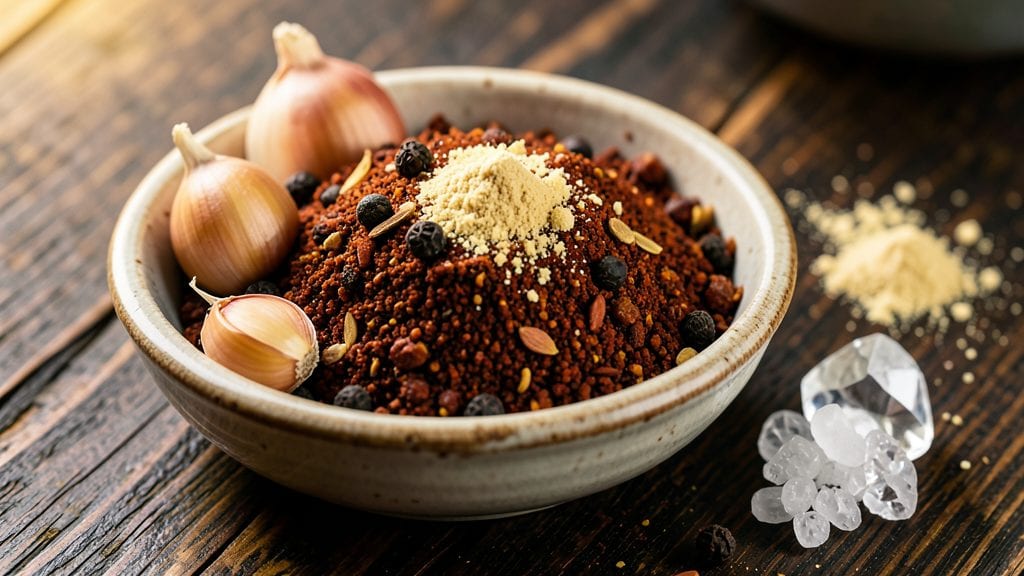
Chicago steak seasoning transforms a simple cut of meat into a restaurant-worthy masterpiece with just a sprinkle. This precise blend of spices creates that signature deep umami crust Chicago steakhouses are famous for—smoky, peppery, and impossible to resist.
I developed this mix after years of studying professional grill techniques, and it delivers consistent, professional-level results every time you use it.
The secret lies in the balance of black pepper, smoked paprika, and garlic powder working together to form a flavorful crust while keeping the steak tender inside. Unlike store-bought blends, this recipe uses high-quality spices in exact proportions—no guesswork, just guaranteed flavor.
Perfect for dry-rubbing steaks before grilling or pan-searing, this seasoning elevates every cut from ribeye to sirloin.
What makes this seasoning truly special is how it enhances the natural flavors of the meat without overpowering them. The spices create a beautiful crust that locks in juices while adding layers of smoky, garlicky depth.
Whether you're cooking for a special occasion or a weeknight dinner, this blend ensures your steak will be the star of the meal.
Make a batch and store it in an airtight container for up to six months—your grill sessions will never be the same. The precise measurements ensure consistent results, and the simplicity of application makes it perfect for both beginners and seasoned grill masters. Let’s get seasoning!
Ingredients for chicago steak seasoning
Nine spices, one transformative blend. Your steak's new best friend starts here.
| Ingredient | Amount | Notes |
|---|---|---|
| Smoked Paprika 🌶️ | 3 tbsp | High-quality smoked variety for depth |
| Coarsely Ground Black Pepper 🌶️ | 2 tbsp | Freshly cracked for maximum bite |
| Garlic Powder 🧄 | 2 tbsp | Non-iodized preferred for purity |
| Onion Powder 🧅 | 1 tbsp | Finely ground for smooth texture |
| Granulated Garlic 🧄 | 1 tbsp | For extra garlicky punch |
| Diamond Crystal Kosher Salt 🧂 | 1 tbsp | Coarse grain for even distribution |
| Ground Coriander 🌿 | 1 tbsp | Lightly toasted for warmth |
| Ground Mustard 🌶️ | 1 tsp | For subtle umami depth |
| Ground Cayenne Pepper 🔥 | ½ tsp | Adjust for heat preference |
| Ground Cumin 🌿 | ½ tsp | Toasted for earthy richness |
The smoked paprika is non-negotiable—Penzeys or McCormick Gourmet are my go-tos for that authentic smoky depth. Look for 100% smoked paprika with no fillers, and keep it in a dark jar to preserve freshness. The black pepper should be coarsely ground (not pre-ground store dust)—Tellicherry peppercorns from specialty shops take this to the next level. I always buy spices in bulk at Whole Foods or Trader Joe's because their bulk bins guarantee fresher spices than pre-packaged options. The garlic powder and onion powder should be non-iodized—iodized versions can leave a metallic aftertaste that ruins the delicate balance.
No smoked paprika? Substitute half smoked paprika with regular paprika plus 1/4 tsp liquid smoke—it's not identical, but close. Running low on coriander? Dried thyme at half the amount mimics the earthiness. The mustard might seem odd, but it's what gives that signature Chicago depth—yellow mustard powder works best. For a milder version, reduce the cayenne to 1/4 tsp. Want extra umami? Add 1/2 tsp MSG powder (trust me, it's undetectable but magical). The cumin is crucial—skip it and you lose that subtle earthy backbone that makes this blend professional-grade. Always toast your spices before mixing for 30 seconds in a dry pan—it awakens their flavors.
Store this blend in an airtight container away from light for up to 6 months. I portion mine into small jars—one for my grill, one for backup. The spices lose potency after opening, so if it smells dull, toast it again before using. This makes about 1/2 cup, perfect for 2-3 steaks. For a crowd, triple the batch—it keeps indefinitely in the freezer if sealed well. The key to restaurant-quality results? Fresh spices and a light hand—don't over-rub, just pat it on and let the meat work its magic.
Why You'll Love This Recipe
- Five-Ingredient Magic: I swear, this is the kind of mix where you measure once, toss it on, and forget about it. No fancy techniques—just smoked paprika’s warmth and that deep black pepper crackle cutting through everything.
- Steakhouse in a Jar: That smoky-sweet garlic punch? It’s what turns a basic steak into something that tastes like it came from a backroom kitchen in Chicago. The onion powder adds this sneaky depth—like a whisper of caramelized onions without the work.
- Meal Prep MVP: Between us, this stuff is the reason I don’t stress about Sunday prep. Slap it on chicken thighs, toss it in ground beef, or even sprinkle it on roasted potatoes—it’s the one spice blend that makes everything better without extra effort.
- Budget-Friendly Powerhouse: Honestly, I’ve never spent less than $5 on this mix, and it lasts forever. That smoked paprika alone makes it taste like a splurge, but the rest? Just pantry staples. Plus, a little goes a long way—no wasted jars here.
Step-by-step instructions for Chicago steak seasoning
Here's how to blend this iconic dry rub for restaurant-quality steaks at home.
Toast the Spices for Maximum Flavor
In a medium dry skillet over medium-low heat, combine the 3 tablespoons smoked paprika, 2 tablespoons coarsely ground black pepper, 1 tablespoon onion powder, 1 tablespoon ground coriander, and 0.5 teaspoon ground cumin. Toast these spices for 2-3 minutes, stirring constantly until you can smell their aromatic oils rising—this is when they develop their deepest flavors. Watch carefully; you want them to just barely darken at the edges, not burn.
The reason we toast these spices first is that gentle heat awakens their essential oils, creating a more complex flavor profile. Remove the skillet from heat and let the spices cool completely before proceeding. This cooling step is crucial—hot spices can cause condensation when mixed with other ingredients, leading to clumping.
Add Remaining Dry Ingredients
Transfer the toasted spices to a large mixing bowl. Add the remaining ingredients: 2 tablespoons garlic powder, 1 tablespoon granulated garlic, 1 tablespoon diamond crystal kosher salt, 1 teaspoon ground mustard, and 0.5 teaspoon ground cayenne pepper. Use a whisk to combine everything thoroughly, breaking up any larger clumps of salt or garlic powder that might have formed during storage.
Here's the thing—this is where the magic happens. The toasted spices provide the aromatic base, while the fresh garlic powders and mustard add that signature umami depth Chicago steakhouses are known for. The cayenne brings just enough heat to balance the richness without overpowering. Mix for about 2 minutes until the color is completely uniform and no individual spices remain visible.
Grind for Perfect Texture
For the finest, most even distribution, transfer the spice mixture to a high-quality spice grinder or clean coffee grinder. Pulse in 3-4 second bursts until you achieve a fine, powdery texture—similar to what you'd find in professional steakhouse seasonings. You're aiming for a consistency that will adhere perfectly to steak without clumping when applied.
If you don't have a spice grinder, a fork works in a pinch, though you'll need to work a bit harder to achieve the same fine texture. The goal is to eliminate any gritty particles that could scratch your grill grates or remain on your steak after cooking. Once ground, transfer the seasoning to an airtight container for storage.
Test and Adjust for Balance
Before using your seasoning, taste a small pinch directly from your finger. You should notice layers of flavor: the smokiness from the paprika, the sharp bite of the black pepper, the sweet warmth of the coriander, and the underlying garlic and mustard notes. If you find any single element overpowering—perhaps too much heat from the cayenne or too much salt—adjust by adding small amounts of the missing components.
This is particularly important for the salt level, as diamond crystal kosher salt has a different intensity than table salt. The seasoning should taste bold but balanced, with no single flavor dominating. Once you've achieved the perfect harmony, you're ready to create that iconic dark, crusty bark on your steaks that grill masters covet.
Pro Tips For Making Chicago Steak Seasoning
- Toast the Paprika: Heat your smoked paprika in a dry skillet over medium-low for 30 seconds—just until you smell that deep, toasty aroma. I learned this the hard way after making a batch that tasted flat; the raw paprika needs a little char to wake up its smoky flavor.
- Grind Your Own Pepper: Skip pre-ground black pepper and crush whole peppercorns in a mortar or spice grinder right before mixing—it releases more oils and keeps the seasoning fresh. Yes, it’s extra work, but the difference in bite and aroma is noticeable.
- Balance the Garlic: Taste as you go: smoked paprika and garlic powder can overpower if you’re not careful. Start with half the granulated garlic called for, then add more if your steak needs extra punch—you can always adjust, not the other way around.
- Store It Right: Keep your seasoning in an airtight container away from light, but don’t expect it to last forever. After 3 months, the granulated garlic starts to lose its kick—refresh it with a pinch of fresh garlic powder to revive the blend. (I know, I know, but it’s worth it.)
Essential equipment for chicago steak seasoning
Spice Grinder Essentials
For professional-level texture, I recommend a high-quality spice grinder like the Osterizer 4-Cup or Magic Bullet Spice Grinder. These machines deliver ultra-fine, consistent results without overheating your spices.
If you're on a budget, a clean coffee grinder works surprisingly well—just dedicate one exclusively to spices to avoid cross-contamination with coffee oils. 💡
Mixing Bowls Matter
Use a non-reactive mixing bowl—I prefer stainless steel or glass to prevent any metallic flavors from transferring. A medium-sized mixing bowl (about 8-inch diameter) gives you enough room to whisk thoroughly without spilling.
For extra precision, I line my bowl with parchment paper to make cleanup effortless and prevent any residual spices from sticking.
Heat Control Tools
A heavy-bottomed skillet like a Lodge cast iron or All-Clad stainless steel is non-negotiable for toasting spices. These materials distribute heat evenly and prevent scorching. I also keep a kitchen thermometer nearby to monitor temperatures—ideal toasting heat stays between 250-300°F.
A small whisk or silicon spatula helps stir spices evenly without scraping the pan.
Storage Containers
Invest in airtight containers with dark glass or opaque plastic to block light—this preserves freshness for up to 6 months. I use 3-ounce glass jars from Ball Mason for portion control, but any mason jar or spice container with a tight seal works.
Label your containers with the date and contents to track freshness. For long-term storage, vacuum-sealed bags extend shelf life to 12 months.
Optional Pro Upgrades
For serious grill masters, a mortar and pestle lets you grind spices by hand for that old-school texture. A digital scale ensures precise measurements—critical when adjusting heat levels with cayenne. I also keep a small sieve handy to remove any lingering coarse particles before applying the seasoning.
These extras might seem unnecessary, but they elevate your seasoning from good to restaurant-quality. ✨
Nutrition facts
Frequently asked questions
What makes this Chicago-style seasoning different from other steak rubs?
This blend focuses on creating that signature dark, crusty bark Chicago steakhouses are famous for, using smoked paprika and toasted spices for depth. The mustard powder adds umami, while the precise balance of black pepper and cayenne delivers the perfect heat-sweet contrast. Unlike generic rubs, this is designed specifically for high-heat grilling and pan-searing.
Can I use this seasoning on other meats besides steak?
This blend works beautifully on pork chops, lamb chops, and even chicken thighs. For fish like salmon, reduce the cayenne to 1/4 tsp to avoid overpowering delicate flavors. The key is using it as a dry rub rather than a marinade—pat it on and let the meat develop that signature crust.
How do I know when my homemade seasoning is ready to use?
Your seasoning is ready when it has a uniform color (deep reddish-brown) and smells aromatic with notes of smoke, garlic, and pepper. Taste a pinch—it should be bold but balanced, with no single spice dominating. If it tastes flat, toast the spices again for 30 seconds to revive their flavors before using.
Why does my crust keep falling off when I grill?
This usually happens when the steak isn't properly dried before seasoning or if the heat isn't high enough. Pat your steak very dry with paper towels, then let it sit at room temperature for 30 minutes before grilling. Use medium-high heat (450°F+) and avoid moving the steak too soon—let that crust form for 3-4 minutes before flipping.