
Sauces & Condiments
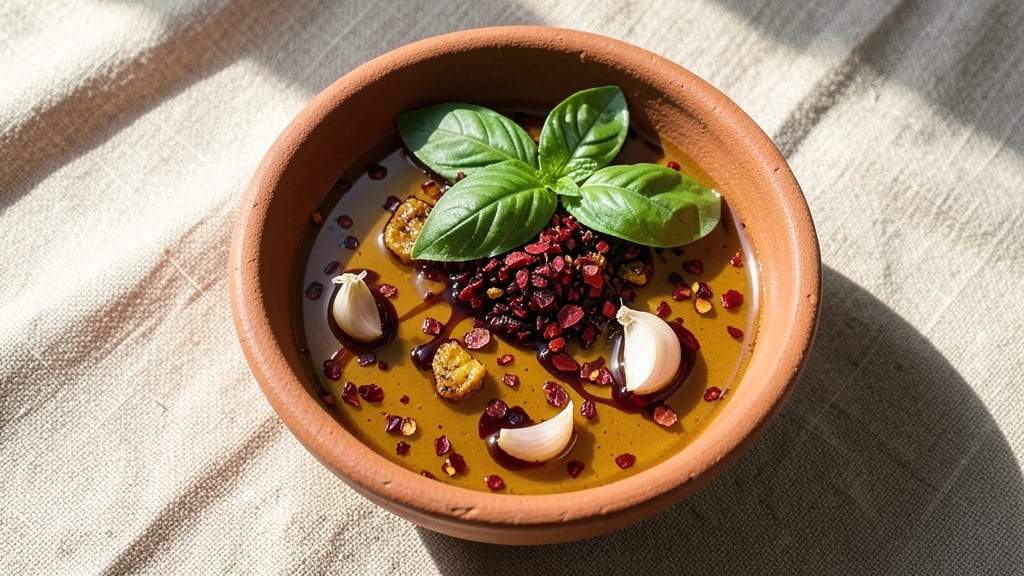
This Calabrian chili oil recipe transforms simple olive oil into a fiery, aromatic condiment that elevates every dish it touches—think pasta, pizza, or crispy bruschetta. The key lies in balancing heat from Calabrian chili flakes with sweet garlic and slow infusion, creating a sauce that’s both bold and versatile.
I’ve perfected this method over years of testing, ensuring the oil retains its vibrant color and intense flavor without turning bitter.
The process is straightforward but precise: combine high-quality olive oil with dried Calabrian chili flakes, garlic cloves, and a pinch of salt, then heat gently to release their aromatic oils.
What sets this apart is the ability to control the heat level—adjust the chili flakes to suit your preference, from a gentle warmth to a tongue-tingling kick. The result? A deep red, fragrant oil that clings to food like liquid heat, adding depth to any dish.
Use it as a finishing touch for grilled meats, a drizzle over fresh mozzarella, or a bold addition to marinara sauce. The oil keeps for weeks in a cool, dark place, making it a pantry staple for quick flavor boosts.
Whether you’re cooking for one or entertaining a crowd, this recipe delivers restaurant-quality results with minimal effort.
For those who love experimentation, try adding a splash of red wine vinegar or fresh herbs like basil to create variations. The possibilities are endless—let’s get started on this game-changing condiment.
Ingredients for calabrian chili oil
Six core ingredients. One fiery, aromatic oil. Game-changer for any dish.
| Ingredient | Amount | Notes |
|---|---|---|
| Extra-Virgin Olive Oil 🫒 | 1 ½ cups | High-quality, fruity, cold-pressed |
| Calabrian Chili Flakes 🌶️ | 2 tbsp | Adjust for heat preference |
| Garlic Cloves 🧄 | 4 whole | Peeled, lightly crushed |
| Sea Salt 🧂 | ½ tsp | Fine grain preferred |
| Red Wine Vinegar 🍷 | 1 tbsp | Optional, for brightness |
| Fresh Basil Leaves 🌿 | ¼ cup | Chopped, optional garnish |
| Dried Oregano 🍃 | ½ tsp | For depth, optional |
The olive oil is non-negotiable—extra-virgin, fruity, and cold-pressed makes all the difference. Trader Joe's and Whole Foods have great options, or grab a bottle from your local Italian market. Calabrian chili flakes are the star, but if you can't find them, red pepper flakes at half the amount will work. The garlic? Use fresh, not jarred—it’s the soul of this oil. I always grab a head from the store’s produce section, peel it myself, and crush it lightly. That extra step makes a huge difference in flavor.
No red wine vinegar? White wine vinegar or lemon juice works just fine—it’s all about that bright acidity. Want more depth? Toss in dried oregano or a pinch of smoked paprika. Fresh basil is optional but adds a fresh contrast to the heat. If you’re feeling fancy, try a splash of balsamic glaze at the end for a sweet-savory twist. The key is balancing the heat—start with less chili flakes if you’re sensitive to spice, then adjust to taste. This oil is all about customization, so play with it.
Store this oil in a dark glass bottle in a cool, dark place—it’ll keep for up to 3 months. If you’re not using it all at once, portion it into smaller jars. The oil gets even better with time as the flavors meld. Pro tip: use it as a finishing oil for pasta, pizza, or even drizzled over grilled veggies. It’s also amazing in bruschetta or as a dip for crusty bread. The possibilities are endless—just don’t overdo it, or you’ll regret the heat later.
Why You'll Love This Recipe
- Five-Minute Miracle: I swear, this is the kind of recipe where you’ll stare at the clock thinking you’ve messed up—until you taste it. Just toss the chili flakes and garlic into warm olive oil, let it simmer until the garlic turns golden (not burnt, just perfect), and you’re done. No peeling, no chopping, no stress.
- Fiery-Sweet Magic: That first hit of heat from the Calabrian chili flakes? It’s like a wake-up call for your taste buds. But here’s the thing—it’s not just heat. The red wine vinegar cuts through, and the garlic? It caramelizes into this nutty, almost buttery depth that makes you want to drizzle it on everything. Honestly, I’ve caught myself eating the oil straight from the jar.
- Pantry Superstar: This stuff transforms boring meals into something special with zero effort. Drizzle it over roasted veggies, toss it into pasta, or use it to finish off a simple grilled chicken. Even my picky-eating partner asks for it now—(yes, even on a Tuesday night). And the best part? It keeps for weeks in the fridge, so you’re never without that bright, punchy flavor.
- Budget Brightener: Extra-virgin olive oil is already an affordable staple, and Calabrian chili flakes? A tiny bag lasts forever. You’re not just making oil here—you’re creating a flavor bomb that costs pennies per use. Between us, I’ve used this to dress up store-bought bread, canned beans, and even scrambled eggs. It’s my secret weapon for making cheap meals taste like you actually cooked them.
Step-by-step instructions for Calabrian chili oil
Here's how to make this fiery, aromatic oil that'll transform your dishes instantly.
Warm the Olive Oil Gently
Pour the 1.5 cups extra-virgin olive oil into a small saucepan over low heat. I like to use a heavy-bottomed pan to prevent overheating—this keeps the oil from breaking or losing its fruity flavor. Let it warm slowly until it reaches 160°F on an instant-read thermometer. You'll notice tiny bubbles forming at the edges, but it shouldn't be smoking or shimmering yet.
This gentle warming step is crucial. If you heat the oil too quickly, the delicate garlic and chili flavors will burn instead of infusing properly. Keep the heat low and maintain a steady temperature—this ensures the oil absorbs all the flavors without turning bitter.
Add Garlic and Chili Flakes
Remove the pan from heat and immediately stir in the 2 tablespoons calabrian chili flakes and 4 whole garlic cloves. The sudden temperature drop prevents the garlic from burning, which would make the oil taste acrid. Return the pan to low heat and let the mixture steep for 5 minutes, stirring occasionally.
You'll see the garlic cloves start to soften and the oil take on a deeper red hue from the chili flakes. Here's the thing—don't walk away. Garlic burns fast, and once it turns brown, the whole batch will taste bitter. If it starts to sizzle too aggressively, pull the pan off heat for a minute to cool slightly before continuing.
Season and Infuse with Vinegar
After the 5 minutes, remove the pan from heat again and stir in the 0.5 teaspoon sea salt, 1 tablespoon red wine vinegar, and 0.5 teaspoon dried oregano. The vinegar adds a bright, tangy note that cuts through the richness of the oil and balances the heat. Let the mixture sit off heat for 10 minutes to fully meld together.
This resting period allows all the flavors to integrate completely. You'll notice the oil darkening slightly and developing a more complex aroma. If you're impatient, don't rush it—the longer it steeps, the better the flavor. I usually let mine sit for at least 15 minutes total if I have time.
Strain and Finish with Fresh Basil
After the 10-minute rest, strain the oil through a fine-mesh sieve or cheesecloth into a clean glass jar, pressing gently on the solids to extract all the infused flavor. Discard the garlic and chili solids. Then, stir in the 0.25 cup chopped fresh basil leaves—this adds a fresh, herbal brightness that makes the oil even more versatile.
The basil should be added last because its delicate flavor can get overpowered by the heat if steeped too long. Give it a final taste and adjust the seasoning if needed. The oil should be vibrant, slightly spicy, and well-balanced. If it tastes too mild, you can add a pinch more chili flakes next time—this oil gets better with age, so don't be afraid to make extra.
Pro Tips For Making Calabrian Chili Oil
- Infuse Slowly: Don’t dump the chili flakes all at once—add them in batches over 5-10 minutes. This lets the heat build gradually without burning the oil, and you’ll end up with deeper flavor instead of a bitter, acrid punch.
- Toast the Garlic: Sear the garlic cloves in the oil until they’re golden and just crisping at the edges—about 2-3 minutes. Overcooking turns them bitter, but undercooking leaves them raw. (Yes, even if you’re impatient like me.)
- Strain Twice: First pass through a fine-mesh strainer catches the big bits, but always do a second pass with cheesecloth for a silky texture. I learned this the hard way when a stray chili flake ruined a perfectly good pasta dish.
- Balance the Vinegar: Add the red wine vinegar last and taste as you go—start with 1 teaspoon, then adjust. Too much kills the garlic’s sweetness, and too little leaves the oil flat. (Your future self will notice the difference.)
Wine and beer pairings for this recipe
White Wine Pairings
A crisp, dry Italian white wine like Vermentino from Sardinia or Fiano di Avellino is perfect for balancing the heat of this chili oil. The bright acidity and citrus notes in these wines cut through the richness of the oil while complementing its garlicky depth.
I always reach for a bottle of Vermentino—its mineral finish makes every bite of pasta or bruschetta taste even more vibrant. 🍷
Light Red Wine Options
If you prefer red, opt for a light-bodied Italian red like Chianti Classico or Sangiovese. These wines have enough acidity to stand up to the chili oil’s heat without overpowering it.
The earthy notes in Chianti also pair beautifully with the garlic and herbs in the oil. Serve it slightly chilled to enhance the wine’s freshness against the spicy oil.
Beer Pairings
A crisp Italian lager like Peroni or Birra del Borgo is my go-to beer pairing. The light, effervescent quality cleanses your palate between bites of spicy food. For craft beer lovers, a Belgian witbier with its citrusy, spicy notes creates a fun contrast.
Avoid heavy stouts or IPAs—they’ll clash with the delicate flavors of the chili oil. 🍺
Non-Alcoholic Pairings
For a refreshing non-alcoholic option, try sparkling water with lemon or Italian sangria (without the alcohol). The effervescence helps cool the palate, while the citrus in the sangria mirrors the oil’s bright acidity.
A cold glass of San Pellegrino Aranciata also works—its mandarin flavor adds a sweet contrast to the spicy oil.
Dessert Wine Contrast
Believe it or not, a dry Moscato d’Asti can be a surprising and delicious pairing for dishes featuring this chili oil. The wine’s light sweetness and bubbles balance the heat, making it a fun choice for a dessert course or even a spicy dessert like chili-infused dark chocolate.
Serve it well-chilled for the best experience.
Nutrition facts
Frequently asked questions
What makes Calabrian chili oil different from regular chili oil?
Calabrian chili oil uses dried Calabrian chili flakes—a sweeter, fruitier pepper from southern Italy—rather than the dried red chili flakes in traditional chili oil. This creates a more complex, slightly sweet-spicy flavor with bright acidity from the vinegar. The infusion process also keeps the oil vibrant red, while regular chili oil often turns darker and more bitter.
Can I make this oil without garlic?
Yes, but the flavor profile changes dramatically! Garlic is essential for that signature aromatic punch. If you're avoiding it, try adding 1 teaspoon garlic powder or ½ teaspoon onion powder instead. For a completely different twist, consider smoked paprika or fennel seeds to add depth without garlic's sharpness.
How do I adjust the heat level?
Start with 1 tablespoon of chili flakes for mild heat, 2 tablespoons for medium, or 3 tablespoons for fiery. For extra control, toast the chili flakes in a dry pan for 30 seconds before adding to mellow the heat slightly. Always taste the oil before straining—you can add more chili flakes later if needed.
Will this oil work in cold dishes like salads?
The oil's vibrant flavor shines in cold dishes too. Drizzle it over caprese salads, arugula with shaved parmesan, or even cucumber and tomato salads. The acidity from the vinegar brightens fresh ingredients, while the garlic adds depth. Just use it sparingly—it's potent!
Can I make this oil without vinegar?
Technically yes, but the vinegar is crucial for balancing the richness and cutting through the heat. If you omit it, add ½ teaspoon lemon zest or 1 teaspoon balsamic vinegar instead. Without acidity, the oil may taste flat or overly oily. The vinegar also helps preserve the oil longer by preventing bacterial growth.