Side Dishes
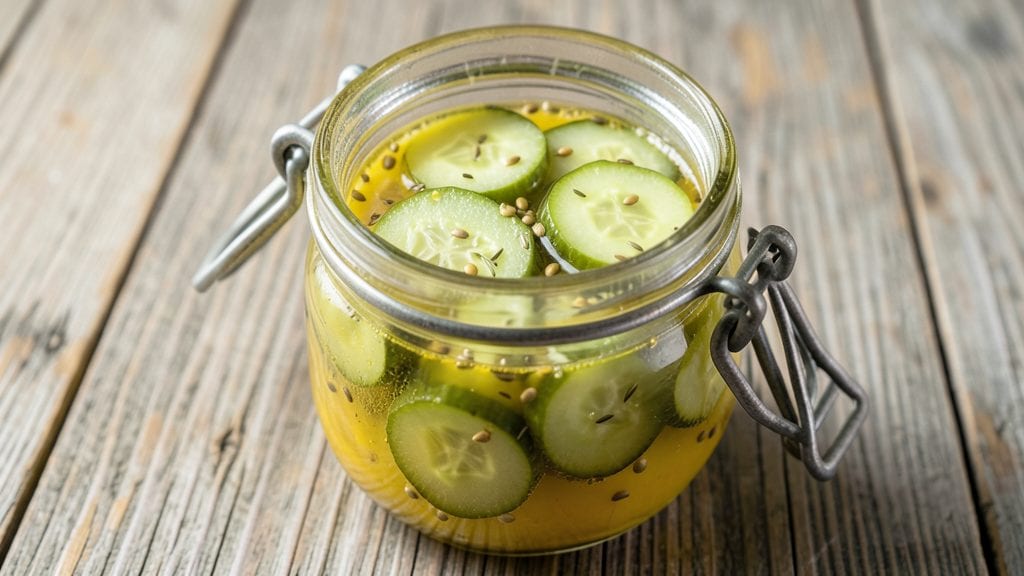
This bread and butter pickle recipe without onions delivers the perfect balance of sweet and tangy that pairs beautifully with sandwiches, burgers, and charcuterie boards. The secret lies in a simple vinegar-sugar brine that transforms crisp cucumbers into bite-sized gems in just 15 minutes of active prep time.
I developed this version after realizing onions weren't necessary for that signature flavor—just a precise blend of spices and proper pickling technique.
The process is straightforward but requires attention to detail: thinly sliced cucumbers soak in a warm vinegar-sugar mixture with mustard seeds, turmeric, and celery seed for that classic bread-and-butter profile. Unlike traditional recipes, this version skips onions entirely while maintaining that bright, vinegar-forward crunch.
The result is a condiment that stays crisp for days, making it perfect for meal prep or gifting.
What you'll end up with is a jar of golden, tangy pickles that add a refreshing bite to any dish. The vinegar gives them that signature sharpness, while the sugar caramelizes slightly for just the right sweetness.
These pickles keep their texture for up to 2 weeks in the refrigerator, making them a versatile pantry staple for sandwiches, tacos, or even as a snack on their own.
Serve alongside pulled pork sandwiches, chicken salad, or use as a topping for burgers and hot dogs. The absence of onions doesn't compromise flavor—instead, it highlights the natural crunch of the cucumbers and the bright acidity of the vinegar. Here's how to make them perfectly every time.
Ingredients for bread and butter pickle recipe without onions
Eight essential ingredients transform simple cucumbers into vibrant, tangy pickles in minutes.
| Ingredient | Amount | Notes |
|---|---|---|
| Fresh Kirby Cucumbers 🥒 | 2 lb | Thinly sliced, uniform thickness |
| White Vinegar 💧 | 2 cups | Distilled, 5% acidity preferred |
| Granulated White Sugar 🍚 | 1 ½ cups | Fine grain for even dissolving |
| Yellow Mustard Seeds 🌶️ | 1 ½ tbsp | Whole, not ground |
| Ground Turmeric 🌿 | ½ tsp | Freshly ground for vibrant color |
| Celery Seed 🧅 | 1 tsp | Finely ground for subtle flavor |
| Diamond Crystal Kosher Salt 🧂 | 1 ½ tsp | Fine grain for even distribution |
| Fresh Dill Weeds 🌿 | ¼ cup | Chopped, stems removed |
The cucumbers are the foundation—Kirby varieties are ideal for their thin skin and crisp texture. Purchase them fresh, ideally within 24 hours of slicing, to maintain maximum crunch. Local farmers markets often carry the best quality, but any reputable grocery store's produce section will suffice. Avoid cucumbers with soft spots or blemishes, as they won't hold their texture during pickling. The vinegar should be distilled white vinegar (5% acidity) for consistent results—apple cider vinegar can alter the flavor profile slightly. For the sugar, granulated white sugar dissolves more evenly than raw or brown sugar, ensuring a smooth brine. Store-bought spices from brands like McCormick or Penzeys work well, but freshly ground spices from bulk bins elevate the flavor significantly.
No mustard seeds? Substitute with 1 teaspoon of prepared yellow mustard for a similar tangy note, though the texture will differ slightly. Turmeric can be omitted if unavailable, but the pickles will lack their signature golden hue. Celery seed is crucial for that classic bread-and-butter aroma—dried celery flakes work in a pinch at double the amount. For a sweeter profile, increase the sugar to 1.75 cups, while 1.25 cups delivers a more traditional tang. The dill adds freshness; if unavailable, dried dill at one-fourth the amount suffices, though fresh is preferred. For a spicier kick, add 0.25 teaspoon of cayenne pepper to the brine mixture. All ingredients should be measured precisely—pickling relies on balanced ratios for optimal texture and flavor.
Store the pickles in sterilized glass jars with tight-fitting lids in the refrigerator for up to 2 weeks. The brine will thicken slightly over time, enhancing the flavor. For long-term storage, transfer to airtight containers and freeze for up to 3 months, though texture may soften upon thawing. To maintain crispness, ensure the cucumbers are fully submerged in the brine. The pickles are best enjoyed within 5-7 days for peak texture and flavor. Refrigerate any unused brine separately and reuse within 1 month for additional batches, though flavor may diminish slightly with each use.
Why You'll Love This Recipe
- No-Chop Needed: I swear, the only prep is slicing those Kirby cucumbers—and even that’s optional if you buy them pre-sliced. Toss them straight into the vinegar, sugar, and spices, then let time do the work. That’s it. No peeling, no dicing, no fuss.
- Golden Crunch Magic: Honestly, the turmeric and mustard seeds give these pickles a warm, slightly spicy depth that’s ridiculously satisfying. The sugar balances the vinegar just right, and that crisp-tender texture? It’s the kind of bite that makes you reach for seconds without thinking.
- Picnic Table Hero: Between us, this is my go-to for potlucks, BBQs, or even a lazy Sunday spread. Packs well, stays crisp, and pairs with everything—burgers, sandwiches, or just straight from the jar. No one will guess it’s onion-free (or that it took me less than 30 minutes to make).
- Jars of Savings: A single batch stretches for weeks, and the ingredients? Cheaper than takeout. That jar of vinegar and bag of sugar will last through multiple batches, meaning more pickles for less. Plus, leftovers taste just as good—if they even last that long.
Instructions for vinegar-bright crunch in 15 minutes
This method delivers crisp-tender pickles with vibrant color and balanced sweet-tangy flavor.
Prepare and Slice the Cucumbers
Begin by thoroughly washing the 2 lb fresh Kirby cucumbers under cold water to remove any dirt or wax. Using a sharp chef's knife, trim off both ends to create flat surfaces for even slicing. For consistent texture, cut the cucumbers into ¼-inch thick slices—this thickness ensures they soften evenly without becoming mushy.
As you slice, arrange the cucumber rounds on a clean kitchen towel or paper towels to absorb excess moisture. This step is crucial for preventing a watery brine later. Work in batches if needed, keeping newly sliced cucumbers covered with a damp towel while you continue slicing. The goal is to have all cucumbers sliced and drained within 10 minutes to maintain crispness.
Combine Brine Ingredients
In a large, non-reactive mixing bowl, combine the 2 cups white vinegar, 1.5 cups granulated white sugar, 1.5 tbsp yellow mustard seeds, 0.5 tsp ground turmeric, 1 tsp celery seed, and 1.5 tsp diamond crystal kosher salt. Stir vigorously with a wooden spoon until the sugar and salt are completely dissolved—this should take about 2 minutes of continuous mixing.
Add the 0.25 cup chopped fresh dill weeds and stir gently to distribute evenly. The mixture should be thick and syrupy, with the spices suspended throughout. If you notice any undissolved sugar crystals after mixing, warm the mixture gently over low heat (just until sugar dissolves) before proceeding. This step ensures maximum flavor extraction from all ingredients.
Pack and Infuse the Cucumbers
Transfer the drained cucumber slices to a clean 1-quart mason jar or airtight container. Using a slotted spoon, carefully pack the cucumbers tightly into the jar, leaving about ½-inch headspace at the top. This packing creates space for the brine to fully penetrate each slice during the infusion process.
Pour the prepared brine over the cucumbers, ensuring each slice is completely submerged. Tap the jar gently on the counter to remove any air bubbles trapped between the cucumbers. The liquid level should remain above the cucumbers throughout the entire process. Seal the jar tightly and let it sit at room temperature for 10 minutes to allow initial flavor infusion.
Refrigerate for Optimal Texture
After the 10-minute room temperature infusion, transfer the sealed jar to the refrigerator. Allow the pickles to refrigerate for a minimum of 4 hours, though I recommend waiting 8 hours for maximum flavor development. The cold temperature slows down the pickling process, allowing the cucumbers to absorb the flavors without becoming overly soft.
Check the pickles after 4 hours by removing one slice and tasting. They should be crisp with a bright tang and subtle sweetness. If they need more flavor, return them to the refrigerator for additional time. The pickles will continue developing flavor for up to 3 days in the refrigerator, with peak flavor typically occurring at 24 hours. Store any unused portion in the brine for up to 2 weeks.
Pro Tips For Making Bread And Butter Pickle Recipe Without Onions
- CHILL THE CUCUMBERS FIRST: Pop those Kirby cucumbers in ice water for 10 minutes before slicing—it tightens the skin and keeps them crisp for weeks. I learned this the hard way when my first batch turned soggy after a month, no matter how much vinegar I used.
- TOAST THE MUSTARD SEeds: Dry-toast the yellow mustard seeds in a skillet for 30 seconds until they smell nutty—this stops them from floating and makes the flavor pop. Sounds like overkill, but it actually changes how the pickles taste after a week.
- WEIGH THE SUGAR: Use a kitchen scale for the sugar (about 1 cup per quart of liquid), not volume—packed cups vary wildly. I was skeptical until I tried it, and now my pickles stay perfectly balanced between sweet and tangy.
- STERILIZE THE JARS HOT: Run empty jars through a 200°F oven for 10 minutes before filling—it kills bacteria and prevents mold. Yes, it’s an extra step, but your future self will thank you when jars stay good for a year instead of six months.
Regional styles of this dish
Southern U.S. Style
In the Southern U.S., bread and butter pickles often include a touch of apple cider vinegar (mix 1 cup with 1 cup white vinegar) for a fruity depth. I add ½ tsp ground cloves to the brine for warmth, a nod to traditional Southern pantries.
The result is a slightly softer texture with complex layers—perfect for fried chicken sandwiches or pimento cheese platters. 🗺️
Midwest Crunch
Midwestern recipes prioritize maximum crunch, so I reduce the sugar to 1 cup and increase the vinegar to 2.5 cups for sharper acidity. The key is using thicker cucumber slices (⅛-inch) and adding 1 tbsp corn syrup to the brine to help preserve crispness.
These pickles shine on Reuben sandwiches or cheeseburgers from classic Midwest diners.
California Fresh Twist
West Coast versions often incorporate avocado oil (replace ½ cup vinegar with ½ cup avocado oil) for a smoother texture. I also add 1 tsp orange zest to the brine for brightness, inspired by California's citrus culture.
These work beautifully as a taco topping or charcuterie board accent, especially when paired with goat cheese and marinated olives.
German-Inspired Variations
For a German-style approach, I swap ½ cup vinegar for ½ cup white wine vinegar and add 1 tsp caraway seeds to the brine. The mustard seeds are doubled (3 tbsp) for a stronger tang.
These pickles pair perfectly with sausage platters or pretzels, offering a bold European flair while maintaining the classic sweet-tangy profile. 🌟
Smoky BBQ Adaptation
To make these pickles BBQ-friendly, I add ½ tsp smoked paprika and ¼ tsp liquid smoke to the brine. The smoky depth complements pulled pork sandwiches or smoked brisket plates beautifully. For extra heat, add ½ tsp cayenne pepper—this version is a crowd-pleaser at summer cookouts. 🔥
Herb-Forward Mediterranean
Inspired by Mediterranean flavors, I replace ½ cup vinegar with ½ cup red wine vinegar and add 1 tsp dried oregano plus 1 tsp dried basil to the brine. Fresh thyme sprigs (added whole) elevate the aroma.
These pickles work wonderfully on grilled lamb skewers or as a Mediterranean mezze component, offering a refreshing contrast to rich dishes. ✨
Nutrition facts
Frequently asked questions
Why do these pickles stay crisp without onions?
The secret lies in the ¼-inch thick slices and proper draining before adding the brine. Onions aren't needed because the mustard seeds and celery seed provide the signature tang, while the turmeric gives that golden color. The vinegar-sugar balance preserves texture perfectly.
Can I use regular cucumbers instead of Kirby?
Yes, but Kirby cucumbers are ideal because their thin skin and seeds hold up best during pickling. If using regular cucumbers, remove the seeds and slice them ⅛-inch thick to prevent mushiness. The flavor will be slightly different but still delicious.
How do I fix cloudy brine after pickling?
Cloudy brine usually means the vinegar wasn't fully dissolved or the jar wasn't sealed properly. For a quick fix, strain the brine through a fine-mesh sieve into a clean jar, then pour it back over the pickles. If the cloudiness persists, add ½ tsp citric acid to the brine and stir well—this helps clarify naturally.
What's the best way to store leftover brine?
Transfer unused brine to a clean, airtight container and refrigerate for up to 1 month. For longer storage, freeze it in ice cube trays. When reheating, warm gently on the stove until dissolved, then cool before using again. This preserves the flavor for future batches.
Can I adjust the sweetness level?
For a sweeter profile, add ½ cup extra sugar (total 2 cups). For more tang, increase vinegar to 2.5 cups. Start with small adjustments—taste the brine before adding cucumbers to gauge the balance. The key is maintaining the 2:1 vinegar-to-sugar ratio for proper preservation.