
Sauces & Condiments
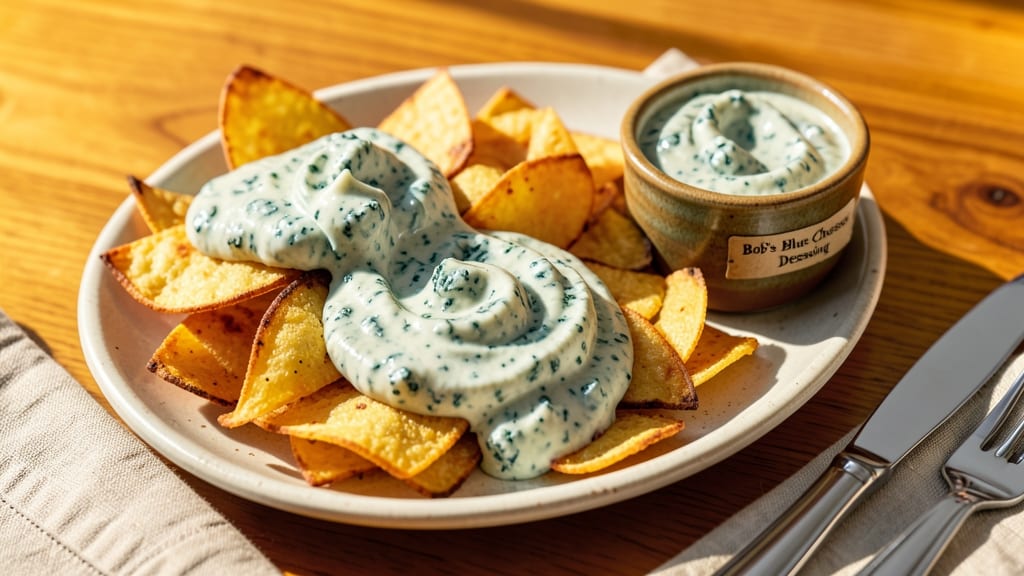
Bob's blue cheese dressing recipe delivers that perfect balance of tangy sharpness and creamy richness that elevates every dish it touches. The secret lies in blending aged blue cheese with buttermilk and sour cream, then carefully emulsifying it with a touch of Worcestershire sauce and garlic for depth.
I developed this version after years of testing—it’s smoother, more stable, and packed with that signature blue cheese punch without being overpowering.
What sets this dressing apart is its versatility—it works as a bold salad dressing, a decadent dip for veggies or chips, or even a tangy topping for burgers and sandwiches.
The key technique is blending the ingredients just until smooth, then letting it rest for 30 minutes to allow flavors to meld. This ensures a velvety texture that clings beautifully to greens or bread without separating.
By the time you’re done, you’ll have a dressing that’s rich yet balanced, with sharp blue cheese notes softened by creamy buttermilk and a hint of garlic’s warmth.
It’s the kind of dressing that makes simple salads feel like a gourmet meal, and it keeps well in the fridge for up to a week. No store-bought version compares to this homemade version.
The best part? This recipe scales effortlessly—double it for parties or meal prep. Whether you’re dressing a wedge salad or dipping crispy fries, this dressing delivers every time. Let’s get started on making yours.
Ingredients for bob's blue cheese dressing
Nine ingredients blend into a velvety dressing that transforms salads into gourmet masterpieces.
| Ingredient | Amount | Notes |
|---|---|---|
| Aged Blue Cheese 🧀 | 1 cup | Crumbled, high-quality variety |
| Buttermilk 🥛 | ½ cup | Full-fat for creaminess |
| Sour Cream 🥛 | ½ cup | Full-fat preferred |
| Extra-Virgin Olive Oil 🫒 | ½ cup | Light, fruity variety |
| Worcestershire Sauce 🍯 | 1 tbsp | High-quality brand recommended |
| Garlic Cloves 🧄 | 2 cloves | Freshly minced for aroma |
| Dijon Mustard 🌶️ | 1 tbsp | Mild flavor preferred |
| Lemon Juice 🍋 | 1 tbsp | Freshly squeezed |
| Salt 🧂 | ½ tsp | Kosher or sea salt |
| Black Pepper 🌶️ | ¼ tsp | Freshly ground |
The blue cheese is non-negotiable—aged varieties like Maytag or Gorgonzola deliver the most complex flavor. Whole Foods or specialty cheese shops carry the best selections, but even your grocery store’s deli section often has solid options. Look for crumbly texture and a vibrant blue-green hue. The buttermilk and sour cream should be full-fat for that signature richness, and organic brands like Organic Valley work perfectly. For Worcestershire sauce, Lea & Perrins is the gold standard, but any well-aged bottle will do. Fresh garlic is essential here—roasted garlic adds a mellow sweetness if you prefer less sharpness, but minced raw garlic delivers that classic punch.
No aged blue cheese? Stilton or Roquefort work in a pinch, though the flavor profile shifts slightly. Substituting buttermilk with plain yogurt thinned with milk keeps the tang, but texture may vary. Short on sour cream? Cream cheese blended with milk mimics the creaminess. The olive oil can be swapped for avocado oil if you prefer a neutral base. For Worcestershire sauce, soy sauce plus a dash of vinegar approximates the umami depth. The Dijon mustard adds body—if you’re out, whole-grain mustard thinned with water works, though it’s less refined. Lemon juice can be replaced with white vinegar or apple cider vinegar, but the dressing will taste slightly sharper.
This dressing keeps beautifully—up to 7 days in an airtight jar in the fridge. For longer storage, freeze portions in ice cube trays for up to 3 months. The flavors deepen over time, so it’s even better the next day. To prevent separation, always blend the ingredients just until smooth, then let it rest for 30 minutes before serving. Stir gently before using. Double the batch for meal prep—it’s perfect for dipping, drizzling, or tossing with greens. The dressing pairs especially well with crisp apples, walnuts, or roasted beets for a sophisticated salad.
Why You'll Love This Recipe
- I’ll be real: most dressings turn into sad, separated messes after a day. Not this one. The buttermilk and sour cream keep it thick and cohesive for at least 5 days in the fridge, and it actually tastes better the next day. Plus, it’s cheap—aged blue cheese is pricey, but you use way less than you’d think, and the rest of the ingredients are pantry staples.
- Five-Ingredient Magic: Honestly, I’m always skeptical of recipes that claim to be “easy,” but this one actually is. You just blend aged blue cheese with buttermilk, a splash of Worcestershire, and a drizzle of olive oil—no fancy techniques, no waiting. The sour cream ties it all together in seconds, and you’re left with something that tastes like it took hours.
- Umami Bomb: Between us, the Worcestershire in this dressing is what makes it ridiculous. That tangy, savory punch cuts through the richness of the blue cheese, and the olive oil adds this silky depth. It’s not just creamy—it’s layered, like a little flavor party in your mouth.
- Wings & More: Here’s what sold me—this dressing isn’t just for salads. I’ve used it on crispy fried chicken, drizzled it over roasted Brussels sprouts, and even tossed it with pasta. The blue cheese and buttermilk combo works everywhere, and the Worcestershire gives it that je ne sais quoi for anything fried or grilled.
Step-by-step instructions for bob's blue cheese dressing
Here's how to create a perfectly balanced dressing with bold blue cheese flavor and silky texture.
Combine Wet Ingredients for Smooth Base
In a medium bowl, whisk together the 0.5 cup buttermilk, 0.5 cup sour cream, 0.5 cup extra-virgin olive oil, 1 tbsp Worcestershire sauce, and 1 tbsp lemon juice. The buttermilk and sour cream should blend smoothly without any lumps—this creates the creamy foundation for the dressing.
I like to whisk vigorously for about 30 seconds to fully emulsify the ingredients. This step prevents separation later. The lemon juice brightens the rich blue cheese flavor while the Worcestershire sauce adds depth. If you notice any streaks of oil, whisk a bit longer until everything comes together into a homogeneous mixture.
Incorporate Garlic and Mustard for Flavor Balance
Add the 2 minced garlic cloves, 1 tbsp Dijon mustard, 0.5 tsp salt, and 0.25 tsp black pepper to the wet mixture. Stir with a wooden spoon until fully combined—about 20-30 seconds. The garlic should disperse evenly rather than clump together.
The Dijon mustard helps balance the sharpness of the blue cheese while adding subtle tang. Here's the thing—don't overmix at this stage. You want to preserve some texture in the garlic for that pleasant bite. Taste the mixture now; it should have a tangy, slightly garlicky base with no dominant flavors yet.
Fold in Blue Cheese for Rich Texture
Gently fold in the 1 cup crumbled aged blue cheese using a rubber spatula. Work in small batches to ensure even distribution throughout the mixture. The cheese should break down into small, evenly distributed pieces rather than large clumps.
This is where the dressing comes together. The blue cheese should melt slightly into the creamy base while maintaining some texture. If you see any dry spots, stir in a few drops of the reserved buttermilk mixture to incorporate them. The dressing should now have a thick, spreadable consistency with visible blue cheese flecks throughout.
Rest and Adjust for Perfect Consistency
Cover the bowl with plastic wrap and let the dressing rest at room temperature for 10-15 minutes. This allows all the flavors to meld together and the texture to fully develop. The resting period is crucial—it prevents the dressing from becoming too thick when you're ready to use it.
After resting, check the consistency. If it's too thick, whisk in 1-2 teaspoons of buttermilk at a time until it reaches a smooth, pourable consistency. For a thinner dressing, you can add a splash of water or more buttermilk. Taste again and adjust seasoning if needed—you might want to add a pinch more salt or pepper to enhance the flavors.
Pro Tips For Making Bob'S Blue Cheese Dressing
- Crumble the Cheese: DESCRIPTION: Skip the block—break that aged blue cheese into pea-sized chunks before mixing. I learned this the hard way: whole chunks make a lumpy dressing no matter how much you blend. A quick pulse in a food processor (or vigorous fork-mashing) gets you silky texture without overworking it.
- Temper the Buttermilk: DESCRIPTION: Let the buttermilk sit at room temperature for 10 minutes before adding it to the cheese. Cold buttermilk curdles when mixed with room-temp cheese, and nobody wants a dressing that separates like oil and vinegar. Just pop it in a warm spot while you prep the rest.
- Whisk, Don’t Blend: DESCRIPTION: Use a whisk—not an immersion blender—for the final mix. The shearing action of a blender turns sour cream into butter, and suddenly your dressing tastes like a sad ranch. A whisk keeps the fat emulsified without breaking it down. (Yes, even if you’re impatient like me.)
- Salt the Cheese First: DESCRIPTION: Sprinkle the crumbled blue cheese with ½ teaspoon of salt before adding liquids—it dissolves better and balances the tang. I used to add salt at the end, and the dressing always tasted uneven. The cheese soaks up the salt while it sits, so it distributes smoothly.
Common mistakes when making this dish
Over-Emulsifying Ingredients
One of the biggest mistakes is blending the dressing too aggressively, which can turn it into a thin, soupy mess. I’ve seen people whip this in a blender for more than 30 seconds, breaking down the buttermilk and sour cream into a watery consistency.
The goal is to combine ingredients just until smooth—not puree them. Use a hand mixer or whisk for 20-30 seconds max to emulsify the oil and dairy without overworking. 🥛
Using Low-Quality Cheese
Not all blue cheese is created equal, and using a young or mild variety will make your dressing taste flat. I’ve tried this recipe with pre-shredded blue cheese from the grocery store, and it lacks the depth of flavor and crumbly texture needed.
Invest in aged blue cheese like Maytag or Gorgonzola—look for a vibrant blue-green hue and a sharp, tangy aroma. The cheese should crumble easily when you press it with your fingers. 🧀
Skipping the Resting Time
Rushing to serve the dressing immediately after mixing is a recipe for disaster. The 10-15 minute rest is when the flavors meld and the texture stabilizes. Without it, the dressing can separate or taste disjointed.
I once served this to guests right after mixing, and they could taste the individual ingredients instead of a cohesive flavor. Trust the process—let it sit! ⏳
Adding Too Much Liquid
Some recipes call for thinning the dressing with milk or water, but this can dilute the rich flavors. If your dressing is too thick after resting, add just 1-2 teaspoons of buttermilk at a time.
I’ve seen people pour in ¼ cup of water to fix thickness, which turns the dressing into a weak, watery version of itself. The buttermilk and sour cream already provide enough creaminess—you just need to balance the ratios. 💧
Ignoring the Garlic Texture
Over-mixing the garlic can turn it into a paste, making the dressing taste bitter. When adding the 2 minced garlic cloves, stir just until combined—about 20-30 seconds. I’ve caught myself blending it too long, and the result is a harsh, overpowering garlic flavor.
For a smoother texture, press the garlic through a fine-mesh strainer before adding it to the mixture. 🧄
Not Tasting Before Serving
Assuming the dressing is perfect without tasting is a common oversight. Always do a final taste test before serving—you might need to adjust the salt, pepper, or even lemon juice to balance the flavors.
I’ve made this dressing dozens of times, and every batch needs slight tweaks. Start with a small spoonful and adjust gradually. The goal is a harmonious blend of tangy, creamy, and sharp flavors. 💡
Nutrition facts
Frequently asked questions
Why does my blue cheese dressing separate?
The most common cause is overmixing or not letting the dressing rest. Always blend ingredients just until smooth (20-30 seconds), then let it sit for 10-15 minutes before serving. The resting time allows the buttermilk and oil to properly emulsify. If it still separates, whisk in 1 tsp of Dijon mustard to help stabilize the mixture.
Can I make this dressing without buttermilk?
Yes! Replace the ½ cup buttermilk with ½ cup plain yogurt thinned with 2 tbsp milk. For extra tang, add 1 tsp lemon juice to compensate. The texture will be slightly thicker, so adjust with a splash of milk if needed. The flavor remains rich and balanced.
How can I make this dressing spicier?
Add ½ tsp smoked paprika or ¼ tsp cayenne pepper for heat. For depth, stir in 1 tsp hot sauce (like Tabasco) or finely chopped jalapeños. Always taste first—start small, as blue cheese is already bold. The Worcestershire sauce already adds umami, so spice adjustments should complement, not overpower.
What’s the best way to store leftovers?
Transfer to an airtight container and refrigerate for up to 7 days. For longer storage, freeze in ice cube trays (up to 3 months). Thaw overnight in the fridge before using. Give it a quick stir after refrigeration—it may thicken slightly, so thin with 1 tsp buttermilk if needed.
Can I use this dressing for more than salads?
It’s perfect for dipping crispy fried chicken, topping burgers or sandwiches, or drizzling over grilled steak. For a unique twist, mix it with sour cream to make a tangy dip for veggie sticks or chips. The creamy texture and sharp flavor work surprisingly well in many dishes.