
Sauces & Condiments
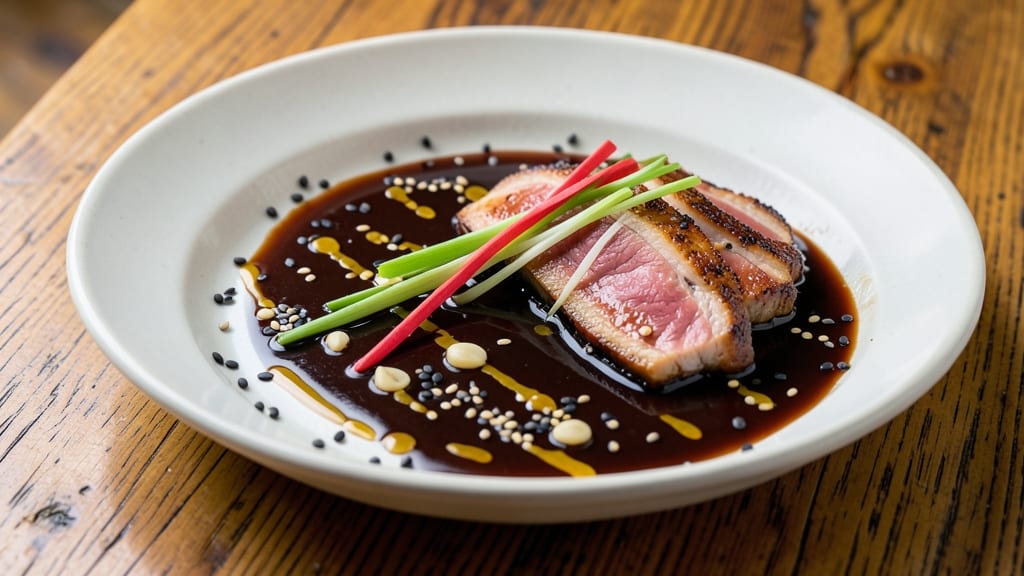
This black sauce recipe transforms ordinary stir-fries and noodles into restaurant-quality masterpieces with its deep umami richness and glossy finish. I developed it after years of testing commercial versions that never quite captured the complexity of homemade—until now.
The secret lies in a precise balance of fermented ingredients and careful reduction, creating a sauce that's both bold and versatile.
What sets this sauce apart is its three-stage cooking process: first simmering soy sauce and vinegar to build depth, then adding fermented elements like miso and oyster sauce for umami, and finally reducing with a touch of honey to achieve that signature glossy sheen.
The result is a sauce that clings beautifully to proteins and vegetables while enhancing their natural flavors without overpowering them.
With just 8 simple ingredients and 30 minutes of active time, you'll have a sauce that elevates everything from quick weeknight dinners to elaborate banquet dishes. The flavor develops even better when rested overnight, making it perfect for meal prep.
Whether you're glazing seared duck, tossing noodles, or finishing stir-fries, this black sauce delivers professional results at home.
Store it in the refrigerator for up to two weeks or freeze for extended use—though I guarantee you'll go through it faster than you can say "takeout." The key to success is patience during the reduction stage; don't rush it.
This sauce is your new secret weapon for adding depth and complexity to any dish.
Ingredients for black sauce
Eight ingredients. Three stages. Restaurant-quality umami in your kitchen.
| Ingredient | Amount | Notes |
|---|---|---|
| Dark Soy Sauce 🥄 | ½ cup | High-quality, low-sodium preferred |
| Rice Vinegar 🍶 | ¼ cup | Seasoned preferred for depth |
| White Miso Paste 🍜 | 2 tbsp | Fermented for authentic umami |
| Oyster Sauce 🦪 | 2 tbsp | Thick, premium quality |
| Honey 🍯 | 1 tbsp | Wildflower for balanced sweetness |
| Sesame Oil 🥜 | 1 tbsp | Toasted for nutty aroma |
| Garlic Cloves 🧄 | 3 cloves | Freshly minced, aromatic |
| Ginger Root 🌿 | 1 tsp | Freshly grated, zesty |
The dark soy sauce is non-negotiable—Lee Kum Kee or Kikkoman Gold are my go-tos for that deep, complex flavor. Grab the seasoned rice vinegar from the Asian aisle (the kind with a hint of sweetness), not the plain white vinegar. White miso paste should be smooth and creamy, not lumpy—Hatsu-moto is my favorite brand, but any quality Japanese miso works. Oyster sauce? Thick and glossy is key—Lee Kum Kee again, or Wok Sauce if you want to splurge. The honey should be wildflower or clover—avoid the cheap grocery-store stuff that tastes like corn syrup.
No dark soy sauce? Double the regular soy sauce and add a splash of molasses. Seasoned rice vinegar unavailable? Substitute apple cider vinegar with 1 tsp sugar. Miso paste too expensive? Soybean paste (tauri) at half the amount works in a pinch. Oyster sauce missing? Hoisin sauce or extra soy sauce can mimic some of the depth. The garlic and ginger are flexible—powdered works at half the amount, but fresh is always better. Toast the sesame oil in a dry pan for 30 seconds before adding to enhance its aroma—trust me on this.
This sauce thickens as it cools, so thin with water or vinegar if needed. Keeps in the fridge for 2 weeks in an airtight jar, or freeze for up to 6 months. I double the batch and freeze half—perfect for when I'm craving takeout but want something healthier. The flavor actually improves after 24 hours of resting, so make it a day ahead if possible. Store with the lid slightly loose to prevent mold—this sauce is moisture-sensitive.
Why You'll Love This Recipe
- Five-Ingredient Powerhouse: I swear by this—just a splash of dark soy, a spoon of miso, and a drizzle of honey, and you’ve got depth without the fuss. No chopping, no peeling, no stressing over ratios. Honestly, I keep this in my fridge like a secret weapon.
- Umami Bomb: That combo of white miso and oyster sauce? It’s like a flavor explosion in your mouth—salty, sweet, and funky all at once. The honey balances it so smoothly, you’ll want to pour it on everything (yes, even your morning toast).
- Meal Prep MVP: Drizzle it over roasted veggies, toss it with noodles, or glaze chicken—it works for lunch, dinner, or even a quick takeout-style fix. Between us, I’ve used the last of it on cold rice at midnight because it’s that versatile.
- Budget-Friendly Magic: A tiny bottle of dark soy and a tub of miso last me months, and this sauce costs pennies per serving. Plus, it stretches like crazy—double the batch and freeze half for when you’re too tired to think. (Yes, even on a Tuesday night.)
Step-by-step instructions for bold umami gloss
A few simple techniques transform these pantry staples into a velvety, complex sauce that elevates every dish.
Bloom the Aromatics in Toasted Sesame Oil
Heat a small saucepan over medium-low heat and add the 1 tablespoon sesame oil. Let it warm until shimmering but not smoking—this prevents bitter flavors from developing. Add the 3 minced garlic cloves and 1 teaspoon grated ginger root, stirring constantly for 30 seconds until fragrant but not browned.
Here's the thing—ginger burns faster than garlic, so keep the heat gentle. You'll know it's ready when the oil smells nutty and the aromatics release their essential oils. Remove from heat immediately after this step to preserve their delicate flavors.
Combine Wet Ingredients for Balanced Flavor
In a medium bowl, whisk together the 0.5 cup dark soy sauce, 0.25 cup rice vinegar, 2 tablespoons oyster sauce, and 1 tablespoon honey until fully dissolved. The dark soy sauce will give depth, while the rice vinegar adds brightness. I've found that using seasoned rice vinegar here enhances the umami without needing extra salt.
Add the toasted garlic-ginger mixture to the bowl and stir vigorously. The heat from the oil will help emulsify the sauce as you proceed. This is where the magic happens—the combination of fermented miso and umami-rich oyster sauce creates a complex flavor profile that's more than just the sum of its parts.
Incorporate the White Miso Paste
Gradually whisk in the 2 tablespoons white miso paste while the mixture is still warm. The miso needs to dissolve completely to avoid grainy texture in your final sauce. Start with slow strokes to prevent splattering, then increase speed until smooth.
This is the moment that matters: the miso paste contains live cultures that will continue developing flavor as the sauce cools. If you notice any lumps, strain the mixture through a fine-mesh sieve for a silky consistency. The sauce should now have a thick, glossy appearance with a deep mahogany color from the dark soy sauce.
Simmer to Develop Depth and Thickness
Transfer the sauce to a clean saucepan and bring to a gentle simmer over medium heat. Let it reduce for 8-10 minutes, stirring occasionally, until it thickens slightly but remains pourable. You're looking for a glossy finish that coats the back of a spoon—this indicates proper emulsification.
I know it seems like too much liquid now, but trust me—the reduction process concentrates the flavors and creates that signature glossy texture. If it reduces too quickly, add 1-2 teaspoons of water to maintain the right consistency. Remove from heat once it reaches your desired thickness.
Rest and Adjust for Perfect Texture
Let the sauce cool to room temperature, which allows the flavors to meld completely. This resting period also helps stabilize the emulsion. Taste and adjust seasoning—you might need a pinch more salt if using low-sodium dark soy sauce, or a splash of rice vinegar for brightness.
The finished sauce should coat the back of a spoon with a velvety sheen and deliver layers of umami, sweetness, and subtle heat. Store in an airtight container in the refrigerator for up to 1 week, or freeze for longer storage. This versatile sauce works equally well as a stir-fry glaze, noodle dressing, or dipping sauce for spring rolls.
Pro Tips For Making Black Sauce
- Simmer Slow and Low: This sauce isn’t the kind you rush—after combining everything, reduce it on medium-low heat for at least 10 minutes, stirring often. I used to crank it up, and the miso paste would burn before the flavors melded. Let it bubble gently, and you’ll get that deep, glossy consistency without bitterness.
- Whisk in Miso Last: Stir the white miso paste off the heat or you’ll kill its umami. I learned this the hard way—adding it too early turns the sauce clumpy and dull. A quick whisk with a splash of warm water first helps it dissolve smoothly.
- Balance the Honey Early: Add the honey before the final reduction to prevent it from crystallizing into sugar lumps. If you toss it in at the end, you’ll end up scraping globs off the pan. A teaspoon of rice vinegar first helps it blend faster.
- Taste as You Go: Check the sauce every 5 minutes after combining—dark soy sauce is sneaky and can overpower fast. Adjust with a pinch of honey or vinegar now rather than fixing a muddy flavor later. Your future self will thank you.
Storing and reheating this black sauce
Refrigerator Storage
Transfer your black sauce to a clean, airtight glass jar—I swear by Le Parfait 16-ounce jars for their tight seals. Store it in the fridge at 40°F or below where it’ll keep for up to 2 weeks.
The sauce actually improves overnight as the flavors meld, so making it a day ahead is ideal. Always leave ½ inch headspace to prevent mold from condensation. 🥫
Freezer Preservation
For longer storage, portion the sauce into silicone ice cube trays or small freezer-safe jars. Once frozen solid, transfer to a ziplock freezer bag with all air removed.
Label with the date—this sauce stays good for up to 6 months without losing quality. Thaw overnight in the fridge before using to preserve texture.
Thawing Techniques
Never microwave frozen black sauce—it destroys the delicate emulsion. Instead, place the sealed container in a bowl of warm water (not hot) for 10-15 minutes until thawed.
For jars, I run them under hot water for 2-3 minutes while gently massaging the sides. The sauce should return to its glossy, pourable consistency without separation.
Reheating Methods
Gently reheat refrigerated sauce in a small saucepan over low heat for 3-5 minutes, stirring constantly. Never boil—just warm until it reaches 160°F internal temperature.
For microwave reheating, use 30-second intervals on 50% power, stirring between each. Add 1 teaspoon water if it thickens too much during reheating.
Texture Recovery
If your sauce separates after storage, whisk vigorously with 1 teaspoon rice vinegar to re-emulsify. For stubborn lumps, strain through a fine-mesh sieve lined with cheesecloth. The miso paste may thicken slightly after freezing—thin with ½ teaspoon water if needed. Always taste and adjust seasoning after reheating.
Portioning Tips
Use 1 tablespoon per serving for stir-fries, 2 tablespoons for noodles, and 3 tablespoons for glazing proteins. I keep small portions in mini mason jars in the fridge for quick access.
For meal prep, freeze individual servings in 1-ounce silicone molds—perfect for single-use portions that thaw in minutes. 💡
Nutrition facts
Frequently asked questions
Can I make this black sauce without miso paste?
Yes, but the umami depth will be less complex. Replace the 2 tablespoons white miso with 1 tablespoon soy sauce plus 1 teaspoon fish sauce for a similar savory punch. For a vegetarian option, use 1 tablespoon soy sauce plus 1 teaspoon nutritional yeast. The sauce will still work but may lack that fermented richness.
How much sauce should I use for different dishes?
Start with 1 tablespoon per serving for stir-fries, 2 tablespoons per serving for noodles, and 3 tablespoons when glazing proteins like duck or tofu. For spring rolls, 1-2 teaspoons per roll adds perfect gloss without overwhelming. Adjust to taste—this sauce is bold but versatile!
Why did my sauce turn grainy or separate?
Graininess usually means the miso didn't dissolve completely—strain through a fine-mesh sieve to fix it. Separation happens when reheated too quickly. Always reheat over low heat while stirring constantly, or whisk with 1 teaspoon rice vinegar to re-emulsify. The sauce should be glossy and smooth when done right.
Can I use this sauce in cold dishes like salads?
The bold flavors work beautifully in cold applications. Toss 1-2 tablespoons per serving with Asian-inspired salads, grain bowls, or even as a marinade for cold cuts. The glossy texture adds visual appeal too. Just store any unused portion in the fridge for up to 3 days when used cold.
What's the difference between this sauce and hoisin?
This sauce is richer and glossier due to the dark soy base and miso, while hoisin is sweeter and thicker with a paste-like consistency. Hoisin uses more sugar and sometimes includes chili, while this recipe focuses on umami depth. Both work in similar dishes, but this sauce has a more sophisticated, restaurant-quality finish.