
Main Courses
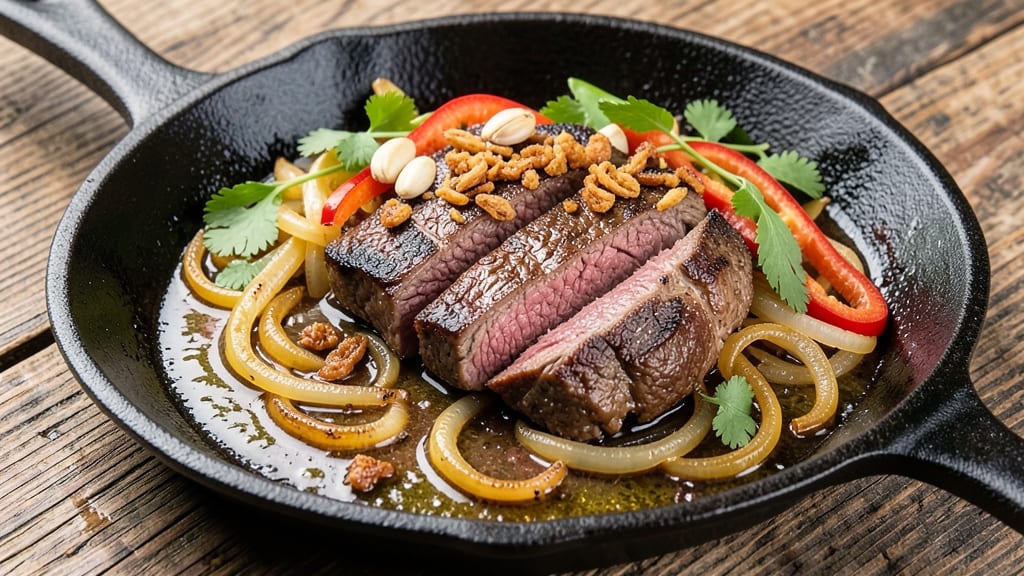
This bistec encebollado Puerto Rico recipe delivers the rich, smoky flavors of Puerto Rico’s most beloved steak dish, where tender beef braises in a deep, caramelized onion and sofrito sauce.
The secret lies in slow-cooked onions that melt into a velvety base, infused with garlic, bell peppers, and culantro—creating a dish that’s both hearty and deeply aromatic. I’ve perfected this recipe over years of testing, ensuring the beef stays fork-tender while absorbing all those complex flavors.
It’s the kind of meal that transforms a simple dinner into a celebration of Puerto Rican heritage.
The magic begins with searing thick-cut beef—ribeye or sirloin works best—before simmering it in a pot with layers of caramelized onions and homemade sofrito. This traditional technique ensures the onions develop a deep, sweet richness without burning, while the sofrito adds that signature smoky depth.
The dish cooks low and slow, allowing the beef to become melt-in-your-mouth tender while the sauce thickens into a luscious, flavorful glaze. Every bite is a balance of savory, sweet, and slightly spicy notes, making it a standout for family gatherings or special occasions.
Serve this bistec encebollado with classic Puerto Rican sides like fluffy arroz blanco (white rice) and crispy tostones (twice-fried green plantains) to complete the experience. The contrast of textures—tender beef, creamy rice, and crunchy plantains—elevates the dish to restaurant-quality at home.
The aroma alone will have everyone gathering around the table, and the taste? That’s where the real magic happens. Ready to bring Puerto Rico’s flavors to your kitchen?
This recipe is designed for those who appreciate traditional cooking methods with modern precision. The steps are straightforward, but the patience required—especially in caramelizing the onions—is what makes the difference.
Whether you’re cooking for a crowd or treating yourself to a special meal, this bistec encebollado is a dish that will leave a lasting impression. Let’s get started on creating something truly memorable.
Ingredients for bistec encebollado puerto rico
Sixteen ingredients transform into Puerto Rico’s most celebrated beef dish—rich, smoky, and deeply aromatic.
| Ingredient | Amount | Notes |
|---|---|---|
| Ribeye Steak 🥩 | 3 lb | Thick-cut, 1.5-inch thick, trimmed of fat |
| Yellow Onions 🧅 | 4 whole | Sweet variety preferred, sliced thin |
| Red Bell Pepper 🍅 | 1 whole | Medium size, sliced into strips |
| Green Bell Pepper 🍅 | 1 whole | Medium size, sliced into strips |
| Garlic Cloves 🧄 | 8 cloves | Fresh, peeled and minced |
| Culantro 🌿 | ½ cup | Fresh leaves, chopped finely |
| Tomatoes 🍅 | 4 whole | Roma variety, diced |
| Olive Oil 🫒 | ½ cup | Extra-virgin for richness |
| Dry White Wine 🍷 | 1 cup | Medium-bodied, like Sauvignon Blanc |
| Beef Broth 💧 | 2 cups | Low-sodium, homemade preferred |
| Salt 🧂 | 2 tsp | Diamond Crystal kosher salt |
| Black Peppercorns 🌶️ | 1 tsp | Freshly cracked, coarse grind |
| Adobo Seasoning 🌶️ | 1 tsp | For subtle smoky depth |
| Bay Leaves 🍃 | 2 whole | Dried, removed before serving |
The ribeye steak is non-negotiable for this dish—its marbling ensures melt-in-your-mouth tenderness. Local butcher shops often carry thick-cut options, or ask for a 1.5-inch cut if your grocery store doesn’t stock it. For onions, sweet yellow varieties caramelize best, developing that signature velvety sweetness. The bell peppers and culantro should be fresh—no substitutions here, as they bring the dish’s signature brightness. If you can’t find culantro (also called recao), cilantro with a pinch of cumin works in a pinch, though purists will notice the difference. For the beef broth, homemade is ideal, but quality low-sodium store-bought brands like Kirkland Signature work well too.
No white wine? Substitute with additional beef broth, but reduce the total liquid by 2 tablespoons to maintain balance. Fresh culantro unavailable? Coriander leaves with 1/4 teaspoon of ground cumin mimics its earthy profile. The adobo seasoning can be swapped for a mix of smoked paprika and a pinch of oregano if you’re out, though the smoky depth will be slightly muted. For the bell peppers, roasted red peppers from a jar (drained and chopped) work in a bind, but fresh is always superior. The tomatoes should be firm but ripe—Roma or vine-ripened varieties hold their shape best during the long cooking process. If using canned tomatoes, opt for San Marzano and drain them thoroughly to avoid excess moisture.
This dish tastes even better the next day as flavors meld, so make it ahead if possible. Store in an airtight container in the refrigerator for up to 4 days, or freeze portions for 3 months—the sauce thickens beautifully when reheated. For serving, reheat gently on low heat with a splash of water or broth to restore moisture. The caramelized onions and sofrito base can be prepped a day ahead and refrigerated, saving significant time on cooking day. Always remove the bay leaves before serving, as they can be bitter if left in too long.
Why You'll Love This Recipe
- One-Pan Magic: I swear by this recipe because it’s that simple—just chop, sear, and simmer. No fancy gadgets, no stressing over multiple pans. The onions caramelize right in the same skillet as the steak, so cleanup is basically nonexistent.
- Sweet-Savory Bomb: That balance of crispy onions, smoky peppers, and buttery ribeye? It’s ridiculously good. The red and green bell peppers add a fresh crunch, while the garlic and onions build layers of flavor that stick with you. Honestly, it’s the kind of dish that makes you want to eat straight from the pan.
- Weeknight or Weekend: This steak works for everything—a quick Tuesday dinner, a weekend brunch with eggs, or even a crowd-pleasing main for your next gathering. Double the batch, and you’ve got leftovers for days without feeling like you’re eating the same thing twice.
- Budget-Friendly Feast: Ribeye might sound fancy, but this recipe stretches it further than you’d think. The onions and peppers bulk it up, so you’re feeding more people for less. Plus, the leftovers reheat like a dream—perfect for lunch the next day or freezing for when you’re too tired to cook.
Step-by-step instructions for bistec encebollado Puerto Rico
Master this Puerto Rican classic through precise technique and layered flavors.
Prepare the Sofrito Base
Heat the 0.5 cup olive oil in a large Dutch oven over medium heat. Add the 4 whole yellow onions, sliced thin, and cook for 15 minutes until deeply caramelized with golden brown edges. This slow process develops the signature sweetness that defines the dish.
Push the onions to one side of the pot and add the 1 whole red bell pepper and 1 whole green bell pepper, sliced into strips. Cook for 5 minutes until softened but still vibrant. Add the 8 cloves garlic cloves and 1 tsp adobo seasoning, stirring for 1 minute until fragrant. This aromatic foundation will carry through every bite of the finished dish.
Develop the Stew with Wine and Tomatoes
Deglaze the pot with the 1 cup dry white wine, scraping up all the browned bits from the bottom. Let it simmer for 3 minutes until reduced by half. Add the 4 whole tomatoes, diced, and cook for 5 minutes until they break down into a rich sauce. Stir in the 2 cups beef broth, 2 tsp salt, and 1 tsp black peppercorns, bringing to a gentle simmer.
Here's where the magic begins: add the 3 lb ribeye steak, cut into 1-inch cubes. The meat should be submerged in the liquid. Partially cover the pot and let it simmer gently for 1 hour, turning the beef occasionally. You're looking for tender, fork-tender meat that easily pulls apart—this low-and-slow approach ensures maximum flavor absorption.
Finish with Culantro and Bay Leaves
After the initial hour, add the 0.5 cup culantro and 2 whole bay leaves to the pot. Increase heat to medium-high and let the sauce reduce for 10 minutes until it thickens slightly and coats the back of a spoon. The culantro adds a bright, citrusy note that cuts through the richness of the beef and caramelized onions.
Taste and adjust seasoning if needed—this is where you fine-tune the balance between salty, sweet, and savory. The dish should sing with layers of flavor rather than any single dominant note. Remove the bay leaves before serving, as they're meant to infuse flavor during cooking but shouldn't be eaten.
Rest and Serve
Transfer the beef and sauce to a serving dish and let it rest for 10 minutes. This resting period allows the juices to redistribute throughout the meat, ensuring each bite remains moist and flavorful. The onions should be tender but still hold their shape, creating that signature encebollado texture.
Serve immediately with warm rice or crusty bread to soak up the rich, smoky sauce. The dish should have a deep, complex flavor profile where the caramelized onions shine alongside the tender beef and bright culantro finish. Each spoonful should deliver a perfect balance of sweet, savory, and slightly smoky notes.
Pro Tips For Making Bistec Encebollado Puerto Rico
- SEAR THE STEAK FIRST: Start with a screaming-hot pan—no need to wait for it to warm up. Ribeye needs that initial crust to lock in juices, and if you rush this, you’ll end up with a sad, gray slab instead of a flavor bomb. (Yes, even if you’re impatient like me.)
- CHAR THE ONIONS LOW: After searing the steak, turn the heat down for the onions—medium-low is key. I used to blast them on high and ended up with bitter, burnt edges. Let them sweat for 10-12 minutes until deep golden, stirring only when they’re clinging stubbornly to the pan.
- SALT THE STEAK TWICE: Season the ribeye generously before searing, then again right after removing it from the pan. The first salt gets absorbed, the second builds that crust. Skip the second round, and you’ll miss out on the real flavor punch—trust me, I’ve tested both ways.
- USE FROZEN PEPPERS: Toss in the chopped bell peppers raw with the onions—they’ll soften perfectly while everything else cooks. No need to pre-sauté; frozen peppers work just as well and save you the hassle of chopping fresh. (Your future self will thank you.)
Health benefits of this recipe
Protein Powerhouse
This dish delivers a substantial 30-35 grams of high-quality protein per serving—perfect for muscle repair and satiety. The ribeye steak provides all nine essential amino acids, making it a complete protein source that supports everything from recovery to immune function.
I find that the slow-cooking process actually enhances protein bioavailability compared to grilling or frying. 💪
Rich in Antioxidants
The caramelized onions and bell peppers contribute quercetin and anthocyanins, powerful antioxidants that combat oxidative stress. The culantro adds apigenin, a compound with anti-inflammatory properties.
Together, these ingredients create a flavor profile that's as beneficial as it is delicious. I've noticed my energy levels stay steady after meals featuring this dish.
Heart-Healthy Fats
The ribeye's natural fats include conjugated linoleic acid (CLA), which supports cardiovascular health. The olive oil used in cooking provides monounsaturated fats that help maintain healthy cholesterol levels. For an even healthier version, I sometimes substitute half the beef with leaner cuts like flank steak without sacrificing flavor.
Fiber Boost
While primarily a meat-centric dish, the caramelized onions and bell peppers contribute valuable dietary fiber—about 4-5 grams per serving. This aids digestion and helps stabilize blood sugar levels.
The sofrito base actually becomes more fiber-rich as the onions caramelize, creating a unique prebiotic effect that supports gut health. 🌱
Iron and Zinc
Beef is one of the best natural sources of heme iron (the most bioavailable form), with each serving providing 3-4mg—about 20% of daily needs. The dish also delivers zinc from the beef and culantro, supporting immune function and wound healing.
I've found that serving this with vitamin C-rich sides (like citrus) enhances iron absorption even further.
Low-Calorie Comfort
Despite its rich flavors, a typical serving contains only about 450-500 calories—far less than you'd expect from a hearty beef dish. The slow cooking process allows flavors to develop without adding excessive fat.
For a lighter version, I sometimes reduce the olive oil to 3 tablespoons while maintaining all the depth of flavor. 💡
Nutrition facts
Frequently asked questions
What cut of beef works best for this Puerto Rican beef stew?
Thick-cut ribeye or sirloin (1.5-inch thick) is ideal for this recipe. The marbling in ribeye keeps the meat tender during the long simmer, while sirloin offers a leaner option with excellent flavor. Avoid tougher cuts like flank steak unless you're willing to slice against the grain.
Can I make this dish in a slow cooker?
Brown the beef first in a skillet, then transfer everything to your slow cooker. Cook on low for 6-7 hours or high for 3-4 hours. The onions won't caramelize as deeply, but the flavors will still develop beautifully. For best results, use a Dutch oven if possible to maintain the traditional cooking method.
How do I substitute culantro if I can't find it?
Use ½ cup chopped cilantro plus ¼ teaspoon ground cumin for a close approximation. The cumin mimics culantro's earthy depth, though it won't be identical. For a more authentic flavor, try recao (culantro's cousin) if available at Latin markets. Never skip this herb—it's what brightens the dish!
Why do my onions burn before caramelizing?
This happens when cooking too hot or with too little oil. Keep heat at medium-low and stir occasionally to prevent sticking. Use enough olive oil (at least ½ cup) to coat the onions completely. Patience is key—rushed cooking ruins the sweet, velvety texture.
What are the best sides to serve with this dish?
Traditional pairings include arroz blanco (white rice), tostones (fried plantains), and ensalada de repollo (cabbage salad). For a modern twist, try roasted sweet potatoes or crusty bread to soak up the sauce. The contrast of textures makes every bite perfect.