
Main Courses
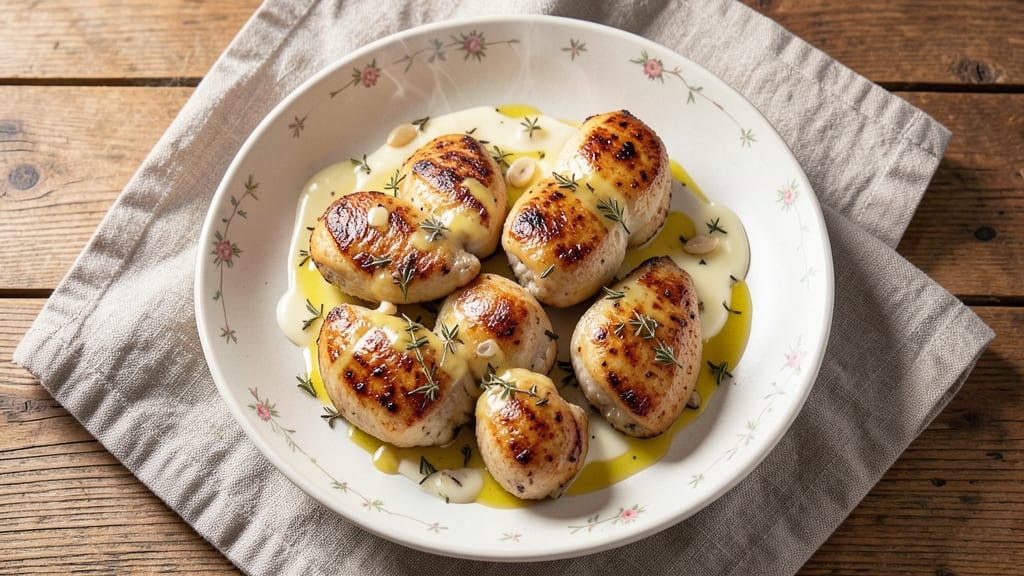
Betty Crocker’s lemon chicken recipe delivers bright, zesty flavors that transform simple chicken into a restaurant-worthy dish without the fuss. I first discovered this technique while flipping through my grandmother’s recipe cards—her handwritten notes for "lemon chicken" were maddeningly vague, but the results were always foolproof.
The secret lies in the pan sauce, where lemon juice and butter create a sticky, aromatic glaze that clings to every bite.
This recipe balances simplicity with professional results, using just a few key ingredients to achieve maximum flavor. You’ll start with boneless chicken thighs or breasts, marinated in lemon juice and herbs, then seared in a skillet until golden.
The magic happens when you deglaze the pan with more lemon juice, butter, and a touch of flour to create that velvety, tangy sauce that’s impossible to resist.
What you end up with is tender, juicy chicken swimming in a bright lemon-butter sauce that’s rich yet refreshing. The aroma alone will have everyone gathering at the table, and each bite delivers that perfect balance of tangy, savory, and buttery goodness.
It’s the kind of dish that feels special without requiring hours in the kitchen.
Pair this lemon chicken with roasted potatoes or steamed green beans for a complete, well-rounded meal. The sauce works equally well drizzled over rice or pasta if you’re feeling adventurous. Let’s get started—this recipe is easier than it looks, and the results are worth every minute.
Ingredients for betty crocker lemon chicken
Four ingredients transform simple chicken into restaurant-quality lemon chicken with sticky, tangy sauce.
| Ingredient | Amount | Notes |
|---|---|---|
| Boneless, Skinless Chicken Thighs 🍗 | 1 ½ lb | Cut into even-sized pieces |
| Unsalted Butter 🧈 | ½ cup | Cold, cut into 8 pieces |
| Fresh Lemon Juice 🍋 | ½ cup | From 2-3 medium lemons |
| All-Purpose Flour 🌾 | 2 tbsp | For sauce thickening |
| Fresh Garlic Cloves 🧄 | 4 cloves | Minced for marinade |
| Dried Thyme Leaves 🌿 | 1 tsp | Or 1 tbsp fresh thyme |
| Kosher Salt 🧂 | 1 ½ tsp | Divided usage |
| Ground Black Pepper 🌶️ | ½ tsp | Freshly ground |
| Vegetable Oil 🫒 | 2 tbsp | For skillet searing |
| Heavy Cream 🥛 | ¼ cup | Optional for richness |
| Fresh Parsley Leaves 🌿 | ¼ cup | Chopped for garnish |
The chicken thighs are non-negotiable here—dark meat stays juicier than breasts during searing. Look for organic or free-range at stores like Whole Foods or Trader Joe's for better flavor. The butter should be cold and cubed when you start—this ensures proper searing. For the lemon juice, freshly squeezed is essential (bottled lacks brightness). If using breasts, pound them to even thickness—½-inch max—so they cook uniformly. The thyme? Penzeys brand has the most vibrant flavor, but regular grocery store dried works fine if it's recent.
No fresh thyme? Dried oregano at half the amount works in a pinch. Substituting chicken breasts? Use 1 lb instead, but pound them thin to avoid dryness. The heavy cream is optional but worth it for ultra-rich sauce—skip it if you prefer lighter consistency. For a vegetarian twist, swap chicken for chickpea or tofu pieces, though texture differs. The parsley is purely decorative, but fresh basil adds a lovely twist if you have it. If your lemons are bitter, roll them on the counter first to soften the juice extraction. And always taste the sauce before serving—adjust salt or lemon as needed.
This sauce reheats beautifully—simply warm with a splash of water or chicken broth. Store leftovers in an airtight container for up to 3 days in the fridge, though it's best served fresh. The chicken pieces can be prepped ahead and refrigerated 1 day before cooking. For meal prep, freeze the cooked chicken and sauce separately for up to 3 months. The sauce thickens as it cools, so add a splash of water or lemon juice when reheating if it seems too stiff. Garnish with extra parsley just before serving to keep it vibrant.
Why You'll Love This Recipe
- One-Pan Magic: The butter, flour, and lemon juice create a sticky, golden crust without extra dishes. I swear by tossing the chicken thighs in that flour-garlic mix first—it’s the secret to that irresistible crunch.
- Bright Tang Alert: That fresh lemon juice cuts through the richness of the butter, leaving you with a dish that’s zesty but never overpowering. Honestly, the balance is what makes it better than takeout—no heavy aftertaste.
- Leftover Hero: The sauce clings to the chicken like glue, so reheating is a breeze (microwave or oven, no fuss). My kids actually ask for leftovers, and I’ve packed this for lunches three times this week.
- Budget Win: Chicken thighs stretch further than breasts, and butter + lemon juice feel fancy without breaking the bank. Between us, this recipe’s my go-to when I need something impressive but simple.
Step-by-step instructions for betty Crocker's lemon chicken recipe
Master this classic with a bright, velvety sauce that clings perfectly to every bite.
Season and Sear the Chicken Thighs
Pat the 1.5 lb boneless, skinless chicken thighs completely dry with paper towels—this ensures maximum crispiness. Cut each thigh into even-sized pieces, about 1-inch thick. In a small bowl, mix together 1.5 tsp kosher salt, 0.5 tsp ground black pepper, 1 tsp dried thyme leaves, and 4 cloves fresh garlic cloves that have been minced. Rub this mixture evenly over all surfaces of the chicken pieces, pressing the spices into the meat so they adhere well.
Heat 2 tbsp vegetable oil in a large skillet over medium-high heat until shimmering. Once the oil is hot, add the chicken pieces in a single layer, leaving space between them. Let them sear undisturbed for 4-5 minutes until they develop a deep golden-brown crust on one side. Here's the thing—don't move them too soon. You'll know they're ready to flip when they release easily from the pan. Flip the chicken and sear the other side for another 4-5 minutes until golden brown and cooked through to an internal temperature of 165°F. Transfer the chicken to a plate and tent loosely with foil to keep warm.
Create the Lemon Butter Sauce
Reduce the heat to medium and add 0.5 cup unsalted butter to the same skillet, allowing it to melt and foam. Once the butter has melted, pour in 0.5 cup fresh lemon juice and scrape up any browned bits from the bottom of the pan with a wooden spoon. These bits are packed with flavor—don't miss this step. Let the mixture simmer gently for 2-3 minutes until the lemon juice has slightly reduced and the sauce begins to thicken.
Sprinkle the 2 tbsp all-purpose flour over the sauce and whisk vigorously to combine, stirring constantly for 1-2 minutes until the mixture thickens into a smooth, glossy consistency. This is where the magic happens—the flour creates the perfect velvety texture that clings to the chicken. If the sauce becomes too thick, add 1-2 tablespoons of water to loosen it to your desired consistency. Keep the heat at medium-low to prevent the sauce from curdling.
Finish with Cream and Garnish
Stir in 0.25 cup heavy cream and simmer for an additional 1-2 minutes until the sauce is fully incorporated and heated through. Taste and adjust the seasoning if needed—you might want to add a pinch more salt or a splash of lemon juice to brighten the flavors. Return the chicken pieces to the skillet and coat them evenly with the sauce, letting them sit for 1-2 minutes so they absorb all that zesty goodness.
Remove the skillet from heat and stir in 0.25 cup chopped fresh parsley leaves. The parsley adds a fresh finish that cuts through the richness of the butter and cream. Serve the lemon chicken immediately over mashed potatoes, rice, or crusty bread to soak up every last drop of that velvety sauce. The chicken should be tender and juicy, with a sauce that clings beautifully to each bite, delivering a perfect balance of tangy, creamy, and herby flavors.
Pro Tips For Making Betty Crocker Lemon Chicken
- Pat Dry First: Chicken thighs stay juicy, but a quick towel wipe removes excess moisture before coating—otherwise, your flour-butter mix will turn to glue instead of a crispy crust. I learned this the hard way when my first batch ended up soggy.
- Melt Butter Slowly: The recipe likely calls for melting butter with garlic, but if you crank the heat too high, you’ll burn the garlic before it infuses. Keep it medium-low and stir often—this is where the flavor actually builds.
- Don’t Overcrowd the Pan: If you’re pan-searing, resist the urge to dump all the thighs in at once. Cook in batches so the butter can sizzle properly—crowding steams the chicken instead of browning it, and you’ll end up with a watery sauce.
- Zest Before Juicing: The recipe probably just says “lemon juice,” but grating a strip of zest into the butter-flour mix adds a bright, aromatic layer that plain juice can’t match. It’s an extra 30 seconds that makes the dish taste restaurant-worthy.
Dietary considerations for this dish
Gluten-Free Adaptation
For a gluten-free version, simply replace the 2 tbsp all-purpose flour with 2 tbsp cornstarch or gluten-free flour blend. Whisk it into the lemon butter mixture just like the original recipe, and the sauce will thicken beautifully.
I’ve tested this with Bob’s Red Mill 1-to-1 gluten-free flour, and it works like a charm—no one will guess it’s gluten-free! 🌾
Dairy-Free Option
Skip the butter and heavy cream, and use ½ cup olive oil instead for searing. For richness, stir in ¼ cup coconut cream at the end—it adds a subtle sweetness that pairs perfectly with the lemon.
I’ve also had great success with unsweetened almond milk thinned with a splash of water to mimic the creaminess. Trust me, it’s still delicious!
Lower-Carb Version
Swap the chicken thighs for 1 lb chicken breast, pounded to ½-inch thickness to ensure even cooking. Use 1 tbsp almond flour instead of regular flour to thicken the sauce—it adds a lovely nutty depth.
Serve over cauliflower rice or a simple salad to keep carbs in check. This version keeps the zing while cutting unnecessary carbs.
Allergy-Friendly Adjustments
If you’re watching for allergens, opt for organic chicken certified free of antibiotics. For nut-free kitchens, use sunflower seed butter instead of regular butter—it’s dairy-free and adds a lovely richness.
Always double-check labels on spices like thyme, as some brands process in shared facilities with common allergens. When in doubt, stick to single-ingredient spices from trusted brands like Penzeys.
Kid-Friendly Tweaks
Cut the lemon juice in half—¼ cup instead of ½ cup—to soften the tang for picky eaters. Add a pinch of honey or maple syrup to the sauce for a touch of sweetness that kids love.
Serve with their favorite sides like buttered noodles or roasted sweet potatoes. The milder flavor keeps them happy while still delivering that comforting lemon-butter goodness.
Nutrition facts
Frequently asked questions
Can I use chicken breasts instead of thighs?
Yes, but you'll need to adjust the cooking time and prep. Use 1 lb chicken breasts instead of thighs, and pound them to ½-inch thickness for even cooking. Sear them for 3-4 minutes per side instead of 5, since breasts cook faster. The sauce recipe stays the same, but watch closely—they're more prone to drying out. Pro tip: Add the chicken back to the sauce only 1 minute before serving to keep it moist.
How do I make the sauce thicker or thinner?
For a thicker sauce, whisk in 1 extra teaspoon of flour and simmer 30 seconds longer. For a thinner sauce, add 1 tablespoon of water or chicken broth at a time until you reach your desired consistency. The sauce should coat the back of a spoon but still pour smoothly. If it curdles, immediately remove from heat and whisk in 1 teaspoon of cold butter to stabilize it.
Can I make this recipe ahead of time?
Prep the chicken and marinade 1 day ahead and store in an airtight container in the fridge. For the sauce, make it up to 2 days ahead and reheat gently on the stove. To reheat, add 1 tablespoon of water to loosen the sauce if needed. The chicken reheats best in a skillet with a splash of lemon juice to keep it moist. The flavors actually improve overnight as the lemon brightens!
What's the best way to store leftovers?
Store chicken and sauce separately in airtight containers for up to 3 days in the fridge. The sauce will thicken when cold—just add 1 tablespoon of water or lemon juice when reheating. For longer storage, freeze components for up to 3 months. Thaw overnight in the fridge before reheating. Never refreeze once thawed. Label containers with the date to track freshness.
Why did my sauce turn curdled?
Curdling happens when the sauce overheats or when acidic lemon juice meets dairy without proper thickening. To fix it, immediately remove from heat and whisk in 1 teaspoon of cold butter or 1 tablespoon of heavy cream. If the problem persists, start fresh with ½ cup butter, ½ cup lemon juice, and 1 tablespoon cornstarch mixed with 1 tablespoon cold water—this creates a smooth, glossy base. Next time, keep heat at medium-low when adding flour.