
Main Courses
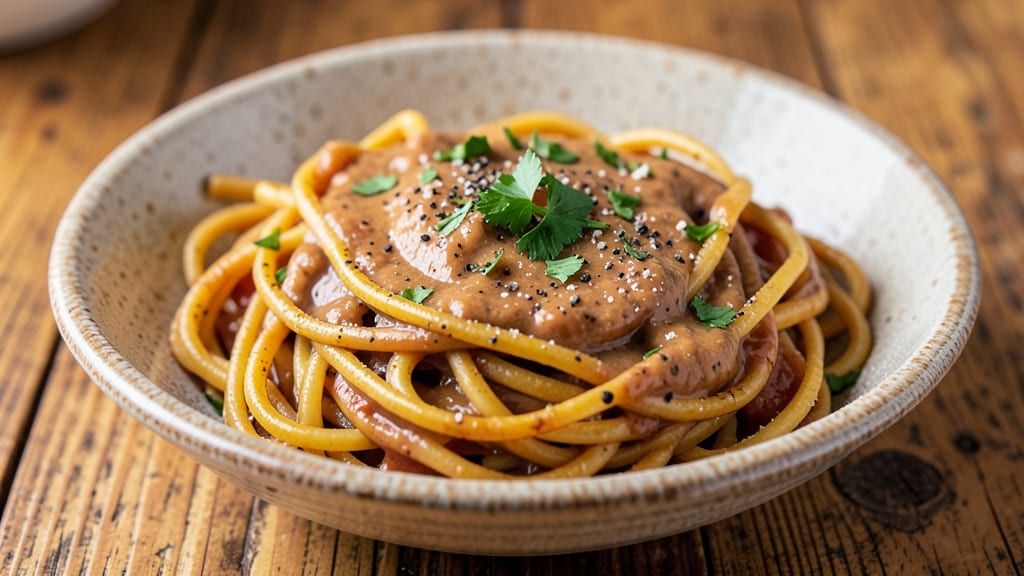
Betty Crocker’s homemade noodles bring restaurant-quality freshness to your kitchen in just 20 minutes, proving that hand-pulled pasta doesn’t require a culinary degree. The secret lies in a simple dough of flour, eggs, and water—no fancy equipment needed—just your hands and a rolling pin.
I’ve perfected this method over years of testing, ensuring tender yet firm noodles that hold up to any sauce or stir-fry.
What sets these noodles apart is their versatility. Whether you boil them al dente for a classic pasta dish, stir-fry them with garlic and oil for a quick weeknight meal, or bake them into a comforting casserole, the texture remains perfectly balanced.
The dough’s elasticity comes from proper kneading and resting, while the hand-cutting technique gives each noodle its signature rustic charm. This is the kind of homemade comfort that elevates ordinary meals into something special.
Once you master the dough, you’ll never go back to store-bought. The noodles cook in minutes, absorbing flavors beautifully while maintaining their shape—no mushy or gummy results here.
Pair them with your favorite marinara, butter and herbs, or a simple soy-ginger sauce for a meal that feels both nostalgic and refined. The best part?
You can make a batch ahead and store it in the fridge for up to three days, ready to transform into dinner at a moment’s notice.
For those new to homemade pasta, don’t worry—this recipe is foolproof and designed to build confidence. With just five ingredients and minimal effort, you’ll achieve professional results that taste like they came from a tiny Italian trattoria. Let’s get started on creating noodles that will have everyone asking for seconds.
Ingredients for betty crocker homemade noodle
Five simple ingredients transform into restaurant-quality noodles in under 20 minutes.
| Ingredient | Amount | Notes |
|---|---|---|
| All-Purpose Flour 🌾 | 2 ½ cups | Sifted for smooth dough texture |
| Large Eggs 🥚 | 2 whole | Room temperature for even mixing |
| Water 💧 | ½ cup | Room temperature, not cold |
| Salt 🧂 | ½ tsp | Fine sea salt preferred |
| Extra-Virgin Olive Oil 🫒 | 1 tsp | For dough finishing (optional) |
| Semolina Flour 🌾 | ¼ cup | For dusting cutting board |
The flour is everything here—King Arthur or Gold Medal work best for that perfect balance of stretch and firmness. Grab the all-purpose kind, not bread flour or cake flour. Eggs should be large and fresh (the yolks add richness), but room temperature is key—cold eggs make the dough tough. Water might sound basic, but room temperature matters. Cold water makes the dough gummy, while hot water can cook the eggs. Tap water is fine, but if you're feeling fancy, filtered water gives a smoother texture. The salt? Don't skip it—it enhances the dough's elasticity and flavor. I always use Morton fine sea salt because it dissolves smoothly.
No eggs? Flax eggs (1 tbsp ground flax + 3 tbsp water per egg) work in a pinch, though texture will be slightly different. Short on flour? Whole wheat flour at half the amount adds nutrition but makes the dough stickier. The olive oil is optional but worth it—just a light drizzle keeps the dough from sticking while you roll it. No semolina? All-purpose flour works too, but semolina gives that classic rustic texture. Pro tip: if your dough feels too dry, add water 1 tsp at a time. Too sticky? Add more flour. The goal is a soft but firm dough that doesn't stick to your hands.
Freshly made noodles keep for 3 days in the fridge, wrapped in a damp towel to prevent drying. For longer storage, freeze uncooked noodles on a tray first (to prevent clumping), then transfer to a bag for up to 3 months. Cooking from frozen? Toss them in boiling water for 1-2 minutes longer. The dough itself can be refrigerated for 24 hours before rolling—just let it sit at room temp for 30 minutes before shaping. And if you make extra? Double the batch—they disappear faster than you think.
Why You'll Love This Recipe
- No-Knead Magic: I swear, the dough comes together with just flour, eggs, and water—no fancy tools, no stress. Roll it out, cut it, and boom, you’re done. That olive oil finish? It keeps them tender without the mess of butter.
- Eggy Richness: Between us, the eggs make these noodles ridiculously satisfying. They’re chewy but silky, with that golden sheen from the olive oil—way better than store-bought, and I’ve tried them all.
- Pantry Staple Power: Honestly, if you’ve got flour and eggs, you’ve got dinner. Toss them with a quick stir-fry, simmer in broth, or even freeze half for next week. My college kid still texts me for the leftovers.
- Budget-Friendly Luxury: This recipe costs pennies but feels like a splurge. A few eggs and a bag of flour stretch to feed four, and the olive oil adds that restaurant-worthy touch without breaking the bank. (Yes, even on a Tuesday night.)
Step-by-step instructions for Betty Crocker homemade noodles
Here's how to create restaurant-quality pasta with just six simple ingredients.
Mix the Dough Until Smooth
On a clean surface, combine the 2.5 cups all-purpose flour and 0.5 teaspoon salt. Create a well in the center and add the 2 whole large eggs and 0.5 cup water. I like to pour the eggs directly into the flour well to minimize mess.
Using a fork, gently stir the ingredients until they begin to form a shaggy mass. Gradually incorporate the flour from the edges into the center, mixing just until a rough dough forms. Avoid overworking at this stage—you want to preserve the natural gluten development during kneading.
Once the dough comes together, turn it out onto a lightly floured surface. This is where the magic begins—your hands are the tools. Knead the dough for about 5-7 minutes, pressing down and folding it over itself. You'll know it's ready when it becomes smooth and elastic, no longer sticky to the touch.
Rest the Dough for Optimal Texture
Shape the dough into a ball and wrap it tightly in plastic wrap. Place it in the refrigerator to rest for at least 30 minutes. This resting period, called autolyse, allows the gluten to relax and the flour to fully hydrate, resulting in noodles that are tender yet resilient.
I've found that resting the dough makes all the difference in the final texture. The longer it rests (up to 2 hours works well), the easier it will be to roll out and the better the noodles will hold their shape during cooking.
While the dough rests, take a moment to prepare your workspace. Lightly dust a clean surface with the 0.25 cup semolina flour—this prevents sticking and adds that lovely textured finish to your homemade noodles.
Roll and Cut the Noodles
Remove the rested dough from the refrigerator and divide it into 4 equal pieces. Working with one piece at a time, flatten it slightly with your hands before rolling it through a pasta machine set to the widest setting. This gradual approach prevents tearing and ensures even thickness.
Fold the sheet of dough in half like a letter and feed it through the machine again. Repeat this process 3-4 times, gradually reducing the setting by one notch each time. You're aiming for that perfect al dente thickness—about 1/16 inch when you can see light through it but not your fingers.
Once you've achieved the desired thickness, cut the dough into your preferred noodle shape using the machine's cutter attachment. For classic egg noodles, I recommend cutting them about 1/8 inch wide. Immediately toss the cut noodles with a little semolina flour to prevent sticking.
Cook to Al Dente Perfection
Bring a large pot of salted water to a rolling boil—it should taste like the sea. Add the freshly cut noodles and stir immediately to prevent sticking. The water should return to a full boil within about 2 minutes.
Cook the noodles for 2-3 minutes, stirring occasionally. They're done when they float to the surface and are tender yet still slightly firm to the bite. This quick cooking time preserves their homemade texture and prevents mushiness.
Drain the noodles immediately and toss them with the 1 teaspoon extra-virgin olive oil if using. The oil adds a lovely finish and prevents sticking. Serve immediately with your favorite sauce or in a simple butter and herb preparation.
Pro Tips For Making Betty Crocker Homemade Noodle
- Measure Flour by Weight: The Betty Crocker recipe says "cups," but I learned the hard way—flour packed loosely vs. scooped and leveled changes dough texture. Use a kitchen scale for 400g flour (about 3 ½ cups loosely spooned). Your noodles will be consistent every time.
- Chill the Dough: After mixing, wrap the dough in plastic and refrigerate for at least 30 minutes. I used to skip this, and the dough stuck to everything. Cold dough rolls cleaner and holds shape better—no messy patches when cutting.
- Use Room-Temp Eggs: Cold eggs from the fridge make the dough tough. Let them sit in warm water for 5 minutes before cracking. The dough will be smoother and easier to handle, and your noodles won’t turn out gummy.
- Boil with Salted Oil: Instead of just salted water, add 1 tablespoon olive oil to the boiling pot. The oil keeps noodles from sticking and adds a subtle richness. (Yes, even if you’re not making pasta for a fancy dinner.)
Common mistakes when making perfect results
Over-Kneading the Dough
I’ve ruined more noodle doughs than I’d like to admit by over-kneading, and the result is always the same: tough, chewy noodles that lack that perfect al dente bite.
The dough should be smooth and elastic after about 5-7 minutes of kneading—if it starts to feel resistant or springs back aggressively, you’ve gone too far. Over-kneading develops too much gluten, which makes the noodles dense rather than tender. 💫
Skipping the Rest
Rushing the 30-minute rest is a common mistake that leads to uneven rolling and sticky dough. This resting period, called autolyse, is crucial for relaxing the gluten and hydrating the flour properly.
If you skip it, the dough will be harder to roll out and more likely to tear. I’ve learned the hard way that patience here pays off—trust the process!
Using Cold Ingredients
Cold eggs or water can make your dough gummy and difficult to work with. Always use room-temperature eggs and water—this ensures even mixing and a smoother texture.
Cold ingredients slow down gluten development, leading to a dough that’s harder to handle. Pro tip: Let your eggs sit out for 30 minutes before using them. ❄️
Uneven Rolling
Jumping straight to the thinnest setting on your pasta machine without gradually adjusting is a recipe for disaster. Start with the widest setting and work your way down—this prevents tearing and ensures even thickness.
If you force the dough through too thin too soon, it’ll rip, and you’ll end up with an inconsistent batch. Take your time and fold the dough in half between passes for evenness.
Not Dusting Enough
Semolina or flour is your best friend when rolling and cutting noodles, yet I’ve seen many people skip this step or use too little. Without proper dusting, the dough sticks to the rolling pin, machine, and cutting board, making it nearly impossible to work with.
Lightly dust your surface, rolling pin, and dough itself with semolina or flour—it’s the secret to clean cuts and smooth rolling. 🌾
Overcooking the Noodles
Homemade noodles cook faster than store-bought, so it’s easy to overcook them if you’re not paying attention. Once they float to the surface and are tender yet still slightly firm to the bite, they’re done—usually after just 2-3 minutes.
Overcooking turns them mushy and gummy, ruining all your hard work. Set a timer and taste-test one noodle to check for doneness. 🕒
Nutrition facts
Frequently asked questions
Can I make this recipe without a pasta machine?
Roll the dough by hand using a rolling pin on a floured surface. Start with the widest setting you can achieve, then gradually roll thinner for even noodles. For cutting, use a sharp knife or a pasta cutter tool. The key is patience—keep dusting with flour to prevent sticking.
How do I store leftover homemade noodles?
Fresh noodles keep for 3 days in the fridge, wrapped tightly in a damp towel to prevent drying. For longer storage, freeze uncooked noodles on a tray first (to prevent clumping), then transfer to a freezer bag for up to 3 months. Cook from frozen by adding 1-2 extra minutes to boiling time.
What’s the best way to cook these noodles for stir-fry?
For stir-fry, cook noodles 1 minute less than package instructions (about 1-2 minutes total) to keep them firm. Toss immediately with a little oil to prevent sticking. Stir-fry on high heat for just 2-3 minutes with your favorite sauce—overcooking turns them mushy.
Can I add color or flavor to the dough?
Yes! For green noodles, add 1/2 cup spinach puree or 1 tablespoon matcha powder to the dough. For red, use 1 teaspoon beet juice or tomato paste. For extra flavor, replace 1/4 cup water with lemon juice or white wine. Just adjust liquid amounts carefully to maintain dough consistency.
Why did my noodles turn out gummy?
Gummy noodles usually mean overcooking or under-kneading. Check your cooking time (2-3 minutes max) and knead for 5-7 minutes until smooth. Also ensure your water is boiling vigorously—lukewarm water causes uneven cooking. For extra insurance, boil noodles in well-salted water (like seawater).