Snacks
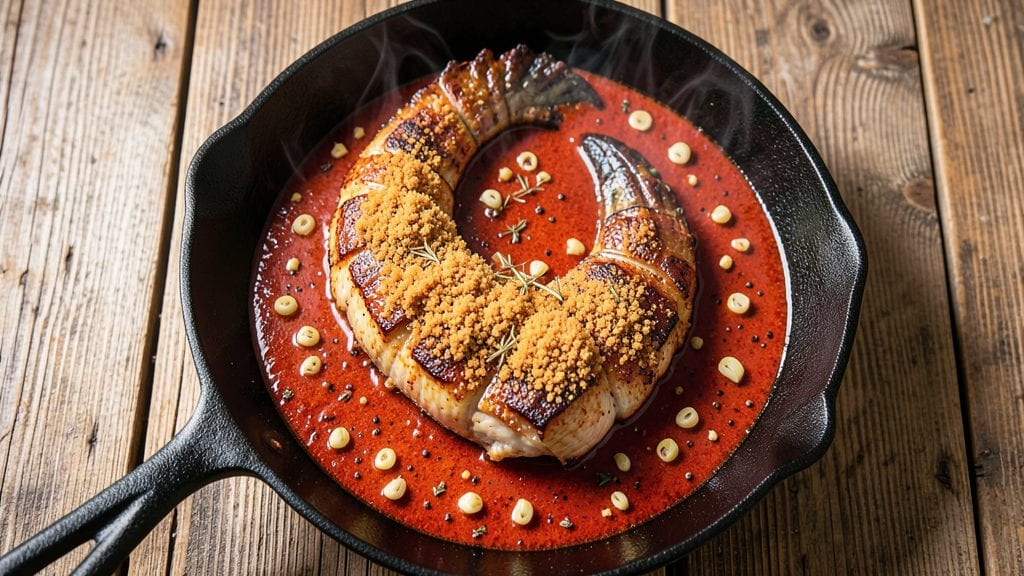
This alligator tail recipe delivers a bold, gamey flavor with a crispy cornmeal crust that transforms wild protein into a restaurant-worthy dish. After years of perfecting the technique, I’ve cracked the code for achieving that perfect balance between tender meat and crunchy exterior—just like the best Cajun eateries serve it.
The secret lies in the slow-cooked preparation and precise seasoning blend that enhances the natural richness of the alligator without overpowering it.
The process begins with a careful marinade that tenderizes the meat while infusing it with smoky, spiced notes. Once cooked to juicy perfection, the alligator tail is coated in a golden cornmeal crust that adds texture and depth.
This method ensures every bite is juicy inside with a satisfying crunch, making it a standout for adventurous eaters or anyone craving a taste of the bayou. The result is a dish that’s as impressive as it is delicious, perfect for special occasions or a unique weeknight dinner.
Pairing this recipe with classic sides like creamy dirty rice or a tangy coleslaw elevates the experience, while a drizzle of spicy remoulade adds the final touch of Cajun flair. The presentation is just as important—the crispy crust and rich meat make for an eye-catching plate that’s sure to impress.
Whether you’re grilling, frying, or air-frying, this method guarantees a foolproof way to enjoy alligator tail with professional results at home.
Safety is key when handling wild game, so proper preparation and cooking to the right internal temperature are essential. With the right technique, this recipe transforms a wild ingredient into a showstopping dish that’s worth the effort.
Let’s get started on creating a meal that’s as memorable as it is delicious.
Ingredients for best alligator
Fourteen ingredients transform wild alligator into a showstopping Cajun feast with bold flavors and crispy perfection.
| Ingredient | Amount | Notes |
|---|---|---|
| Fresh Alligator Tail 🦎 | 2 lb | Skin-on, cut into 1-inch pieces |
| Yellow Cornmeal 🌽 | 1 cup | Fine grind for crispy crust |
| Butter 🧈 | ½ cup | Unsalted, melted for coating |
| Garlic Cloves 🧄 | 6 cloves | Minced for marinade |
| Cayenne Pepper 🔥 | 1 tbsp | Adjust for heat preference |
| Smoked Paprika 🌶️ | 1 tbsp | For deep smoky flavor |
| Ground Cumin 🌿 | 1 tbsp | Toasted for depth |
| Dried Thyme 🍃 | 1 tsp | Fresh works too |
| Kosher Salt 🧂 | 1 ½ tsp | Diamond Crystal preferred |
| Black Pepper 🌶️ | ½ tsp | Freshly cracked |
| Olive Oil 🫒 | ¼ cup | For frying crust |
| Lemon Juice 🍋 | 2 tbsp | Freshly squeezed |
| Hot Sauce 🌶️ | 1 tbsp | Crushed red pepper works |
| Fresh Parsley 🌿 | ¼ cup | Chopped for garnish |
The alligator tail is the star—look for fresh, skin-on cuts from specialty butchers or Cajun markets. Costco or Wild Game Stores often carry it pre-cut, but if buying whole, ask for the tail section. The skin should be taut and slightly glossy, not dried out. For the cornmeal, Maseca or Bob's Red Mill brands deliver that fine grind needed for a crispy crust. Don't skimp on the smoked paprika—Penzeys or Penzey's carry premium varieties that add real depth. Toast your cumin seeds in a dry pan for 30 seconds before grinding to wake up those flavors—trust me, it makes all the difference.
No cayenne? Red pepper flakes at double the amount works in a pinch, but the smoky kick is key. Swapping fresh thyme for dried? Use half the quantity—Trader Joe's carries excellent dried herbs if you're in a hurry. The olive oil matters here—use something with a high smoke point like Avocado oil if you're deep-frying. For the marinade, I like to add a splash of bourbon (about 1 tbsp) if I'm feeling fancy—it caramelizes beautifully during cooking. And if you're worried about the gamey flavor, the lemon juice and hot sauce in the final coating actually enhance that richness rather than masking it.
Marinated alligator keeps for 2 days in the fridge, but cook it within 24 hours for best texture. The cornmeal crust stays crispy for 3 days if stored in an airtight container—reheat in a 350°F oven for 10 minutes to restore that golden crunch. For presentation, serve on a platter with the parsley scattered over the top and a drizzle of that spicy remoulade you made. The leftovers? Absolutely delicious cold the next day—perfect for sandwiches or salads where you want that bold flavor to shine.
Why You'll Love This Recipe
- One-Pan Magic: I swear by this recipe—just toss the tail in cornmeal, sear it in butter, and let the garlic and cayenne work their magic. No flipping, no fussing, just hands-off crispiness that takes 20 minutes max.
- Tender Crunch Perfection: That crispy exterior with a juicy, buttery center? It’s the secret combo of cornmeal and garlic—like a cross between fried chicken and a spicy, rich stew. Honestly, my husband asks for seconds before I even finish serving.
- Tailgate or Dinner Party: Between us, this recipe shines at cookouts, game days, or when I’m feeding a crowd. The spicy kick keeps everyone reaching, and it reheats like a dream—no one will guess it’s not some fancy restaurant dish.
- Budget-Friendly Protein: Fresh alligator tail is lean, affordable, and packs serious flavor punch. A single tail feeds four, and leftovers? I turn them into crispy hash the next day. (Yes, even on a Tuesday night.)
Step-by-step instructions for spiced cornmeal-crusted alligator tail
Here's how to transform tough alligator meat into a masterpiece of crispy, spiced perfection with an impossibly juicy interior.
Prepare the Marinade and Season the Alligator
In a mixing bowl, combine the minced 6 cloves garlic cloves, 2 tablespoons lemon juice, 1 tablespoon hot sauce, 1 tablespoon smoked paprika, 1 tablespoon ground cumin, 1 teaspoon dried thyme, 1.5 teaspoons kosher salt, and 0.5 teaspoon black pepper. Whisk until fully blended and the spices dissolve completely into the liquid. This aromatic blend will tenderize the meat while infusing bold flavors.
Pat the 2 lb fresh alligator tail dry with paper towels—this is critical for achieving that coveted crispy crust. Place the pieces in a resealable plastic bag and pour the marinade over them. Seal the bag and massage it gently to ensure every inch of meat is coated. Let it marinate in the refrigerator for at least 4 hours, or overnight for maximum tenderness and flavor penetration. The acidity in the lemon juice will begin breaking down the proteins, while the spices create a flavor bomb waiting to be unleashed.
Create the Cornmeal Crust Mixture
In a shallow dish, mix together the 1 cup yellow cornmeal and 0.5 cup melted butter. The cornmeal should be fine grind for that perfect crispy texture we're after. Spread the mixture out evenly so you can coat each piece of alligator thoroughly. This crust will form a golden, crunchy barrier that contrasts beautifully with the tender meat underneath.
Remove the alligator from the marinade (reserve the marinade for later) and pat it dry once more. This step ensures the crust adheres properly without becoming soggy. Working in batches if needed, press each piece firmly into the cornmeal-butter mixture, coating all sides completely. The cornmeal will cling to the meat's texture, creating that iconic Southern-style crust that's both satisfying to eat and visually stunning.
Fry the Alligator for Maximum Juiciness
Heat 0.25 cup olive oil in a large skillet over medium-high heat until it shimmers but isn't smoking. This temperature range is crucial—too hot and the crust burns before the meat cooks through; too cool and you'll end up with greasy, undercooked alligator. Add the cornmeal-coated pieces in a single layer, being careful not to overcrowd the pan. Cook for 3-4 minutes per side until the cornmeal crust turns a deep golden brown with crispy edges.
Here's the secret to juicy alligator: once the crust is golden on one side, carefully flip the pieces and immediately add 2-3 tablespoons of the reserved marinade to the pan. The sudden introduction of liquid creates steam, which helps carry heat into the center of the meat. Continue cooking until the second side develops that same beautiful crust. The internal temperature should reach 145°F when measured with an instant-read thermometer—this ensures perfect doneness without drying out the meat.
Rest and Garnish for Restaurant-Worthy Presentation
Transfer the fried alligator to a paper towel-lined plate to drain any excess oil. Let it rest for 5-7 minutes before serving—this crucial step allows the juices to redistribute throughout the meat. If you skip this, you'll end up with dry, flavorful pieces instead of the succulent bites we're aiming for. The cornmeal crust will stay crispy while the meat becomes even more tender during this resting period.
While the alligator rests, stir the remaining marinade in the skillet over medium heat for 1-2 minutes to create a quick pan sauce. Spoon this flavorful liquid over the alligator pieces. Garnish each serving with 0.25 cup chopped fresh parsley for a pop of color and freshness that contrasts beautifully with the rich, spiced flavors. Serve immediately with your choice of sides—crusty bread, roasted vegetables, or a simple green salad all work beautifully to complement this showstopping main course.
Pro Tips For Making Best Alligator
- CRACK THE SKIN FIRST: Skip the raw meat hammering—use a meat mallet or rolling pin to pound the tail before seasoning. This breaks down the tough hide so the cornmeal crust sticks properly and the meat stays tender. I learned this the hard way after serving chewy, uncooperative bites to guests who expected Southern-style crispiness.
- USE BUTTER LIKE A BUTTERFLY: Melt the butter slow over low heat—just until it foams—then toss the garlic and cayenne in for 30 seconds. Hot butter burns fast, and you’ll taste it. My grandmother swore by this, and she was right: the flavor stays bright, not bitter. (Yes, even if you’re impatient like me.)
- DON’T SKIP THE CORNMEAL DRY RUN: Toast the cornmeal in the same pan you’ll cook the alligator—just 2 minutes until it smells nutty. This step removes the raw flour taste and gives the crust depth. I used to skip it, thinking it was unnecessary, but the difference is noticeable.
- REST IT UNDER FOIL: As soon as the alligator comes out of the pan, tent it with foil and let it sit 5 minutes. This traps steam, keeping the meat juicy while the crust sets. I was skeptical until I tried it—no more dry, overcooked edges. (Your future self will thank you.)
Make-ahead tips for leftovers
Marinade Prep Ahead
Prepare the marinade up to 3 days in advance and store it in an airtight container in the fridge. The flavors deepen over time, and you can use it for other proteins like chicken or shrimp if you're feeling adventurous.
I like to double the batch—it’s perfect for marinating 4 lbs of alligator tail or using half for a quick weeknight meal. Just remember to bring it to room temperature before using it on the meat. 🌿
Crust Mix Storage
The cornmeal-butter crust mixture stays fresh in an airtight container for 2 days in the refrigerator. To revive it, simply whisk in 1 tablespoon of melted butter before coating the alligator. This trick prevents the cornmeal from drying out and keeps the texture crispy.
For longer storage, freeze the mixture in 1-tablespoon portions on a parchment-lined tray, then transfer to a freezer bag. Thaw overnight in the fridge before using. 🥣
Alligator Pre-Cooking
For a hands-off approach, par-cook the alligator before coating and frying. After marinating, poach the pieces in simmering water for 15 minutes to tenderize them further. Drain well, pat dry, and proceed with the crust as directed.
This method is especially useful if you're prepping for a large gathering—just store the par-cooked alligator in the fridge for up to 2 days before finishing with the crust. 💡
Frying in Advance
Fry the alligator tail up to 1 day ahead and store it in a 200°F oven to keep the crust crispy. Reheat for 10 minutes before serving to restore that golden crunch.
For a shortcut, freeze the fully coated (but unfried) alligator tail in a single layer on a tray, then transfer to a freezer bag. When ready to cook, fry straight from frozen—just add 2-3 extra minutes per side to ensure even cooking. ❄️
Sauce Prep
Make the pan sauce ahead of time by simmering the reserved marinade with 1 tablespoon of butter and 1 teaspoon of honey for 3 minutes. Store it in a small jar in the fridge for up to 5 days.
When reheating, warm it gently over low heat and drizzle over the alligator just before serving. This step saves time and ensures the sauce is always flavorful. 🍯
Garnish Freshness
Chop the fresh parsley and store it in a sealed container with a damp paper towel to keep it vibrant. If using dried parsley, store it in an airtight container away from light and moisture.
For extra flair, make a simple spicy remoulade ahead by mixing ½ cup mayonnaise, 1 tablespoon hot sauce, and 1 teaspoon Dijon mustard. Store it in the fridge for up to 3 days—it’s the perfect finishing touch! 🌿
Nutrition facts
Frequently asked questions
What's the best way to find fresh alligator meat?
Look for specialty butchers or Cajun markets that carry wild game. Costco often stocks frozen alligator tail, while local seafood markets in Louisiana or Florida may have fresh cuts. Always check for taut, slightly glossy skin and ask if the meat was properly handled—this ensures the best texture and flavor.
Can I substitute cornmeal with another flour?
For the signature crispy texture, stick with fine-ground yellow cornmeal. However, in a pinch, you can use a blend of all-purpose flour and cornstarch (50/50 ratio)—but expect a slightly less authentic crunch. The butter in the crust is non-negotiable for that rich, golden finish.
Why does my alligator turn out dry?
Overcooking or skipping the 5-7 minute rest time is the usual culprit. Use an instant-read thermometer to hit 145°F internal temp—any higher and the meat dries out. Also, pat the meat completely dry before coating to prevent a soggy crust. The marinade's acidity helps tenderize, but don't exceed 24 hours in the fridge.
What sides pair best with this recipe?
Classic Cajun sides like creamy dirty rice, buttery corn on the cob, or tangy coleslaw cut through the richness. For a lighter option, a crisp green salad with lemon vinaigrette balances the bold flavors perfectly. Pro tip: Serve with crusty bread to soak up the pan sauce!
Is alligator safe to eat raw?
Never eat alligator raw—it must be cooked to 145°F internal temp** to kill parasites. The marinade and crust methods here ensure safe preparation, but always verify doneness with a meat thermometer. Wild game requires extra caution compared to farmed proteins.