
Main Courses
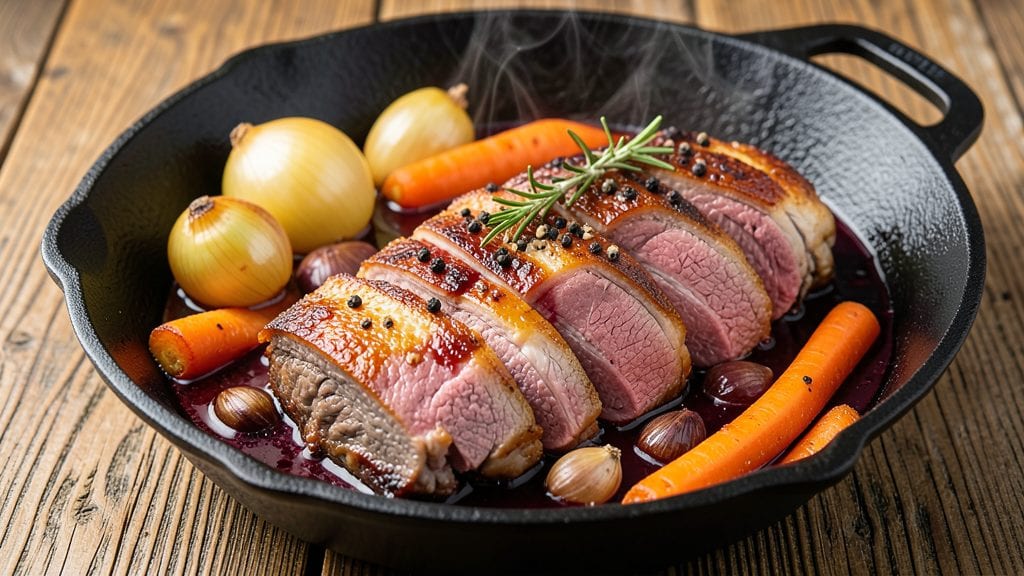
A beef chuck cross rib pot roast transformed into fork-tender perfection is the ultimate slow-cooked centerpiece for any meal. The secret lies in low-and-slow braising, where tough cuts become melt-in-your-mouth masterpieces through time and moisture.
I’ve perfected this method over years of testing, ensuring every bite delivers that rich, caramelized depth you’d expect from a restaurant-quality roast.
This recipe requires just five key ingredients—beef, aromatics, broth, and a simple seasoning blend—but the technique is what truly elevates it. Whether you use a Dutch oven on the stovetop, a slow cooker, or even a pressure cooker, the result is consistently tender beef with a deep, savory flavor profile.
The cross rib cut, in particular, holds up beautifully to long cooking times, making it ideal for this method.
By the time you pull this roast from the oven, you’ll have a dish that practically falls apart at the touch of a fork. The exterior develops a rich, golden-brown crust, while the interior remains juicy and succulent.
The aroma alone will have everyone gathering at the table, and the first bite delivers that satisfying, melt-in-your-mouth experience that makes slow cooking worth every minute.
Pair it with classic sides like creamy mashed potatoes, roasted root vegetables, or a fresh green salad to complete the meal. The beauty of this recipe is its versatility—it works equally well for a cozy family dinner or a special occasion.
Let’s get started on creating your most tender pot roast yet.
Ingredients for beef chuck cross rib pot roast
Five simple ingredients transform tough beef into melt-in-your-mouth perfection through slow braising.
| Ingredient | Amount | Notes |
|---|---|---|
| Beef Chuck Cross Rib Roast 🥩 | 3 lb | Bone-in preferred for flavor |
| Yellow Onion 🧅 | 1 whole | Peeled, quartered lengthwise |
| Carrots 🥕 | 4 whole | Medium size, peeled, halved |
| Garlic Cloves 🧄 | 6 cloves | Peeled, smashed slightly |
| Beef Broth 💧 | 2 cups | Low-sodium preferred, homemade or quality store-bought |
| Red Wine 🍷 | 1 cup | Bold dry red like Cabernet Sauvignon |
| Tomato Paste 🍅 | 2 tbsp | Smooth, not chunky |
| Kosher Salt 🧂 | 1 ½ tsp | Diamond Crystal preferred |
| Fresh Thyme 🌿 | 2 sprigs | Stems removed, leaves only |
| Fresh Rosemary 🌿 | 1 sprig | Woody stems removed |
| Black Peppercorns 🌶️ | 10 whole | Freshly cracked |
| Olive Oil 🫒 | 2 tbsp | Extra-virgin for searing |
| All-Purpose Flour 🌾 | 1 tbsp | For dredging |
The beef is everything here. Chuck cross rib from a trusted butcher—look for good marbling and a deep red color—will give you the best texture. Costco or Whole Foods usually carry high-quality cuts, but your local butcher shop might have even fresher options. If you're buying a whole roast, ask for it to be trimmed of excess fat (leave about 1/4-inch for flavor). The aromatics—onion, carrots, and garlic—should be fresh; no sad, limp vegetables here. For the broth, homemade is ideal, but Swanson's or Pacific Foods low-sodium options work perfectly when you're short on time.
No red wine? Substitute beef broth with a splash of balsamic vinegar—it adds the same depth without the alcohol. Fresh thyme and rosemary are ideal, but dried works at half the amount if that's what you have. The tomato paste can be skipped if you're sensitive to acidity, though it adds a lovely richness. For the flour, King Arthur or Gold Medal are my go-tos—they brown beautifully when seared. If you're using a pressure cooker, you can skip the initial sear, but for Dutch oven or slow cooker methods, that crispy crust is worth the extra minute of attention. The peppercorns should be freshly cracked—pre-ground loses its punch quickly.
This roast tastes even better the next day, so make extra if you're feeding a crowd. Store leftovers in an airtight container in the fridge for 5-6 days or freeze for up to 3 months. The flavors deepen overnight, so plan ahead if you can. For reheating, low and slow in a 300°F oven with a splash of broth is best—microwaving makes the meat tough. I like to portion mine into individual servings before freezing, making lunches effortless for the week ahead.
Why You'll Love This Recipe
- One-Pan Magic: I swear by this—just toss the roast, onions, carrots, and garlic into a Dutch oven with broth, cover it, and walk away. No chopping boards, no extra pots, no stress. The beef practically melts in its own juices while you handle the rest of your day.
- Deep, Rich Payoff: That chuck cross rib? It’s the perfect cut—tender, beefy, and packed with flavor. The slow simmer turns it into something so rich you’ll forget it’s just a pot roast, especially when the garlic and carrots caramelize right into the sauce. Honestly, it’s the kind of meal that makes you slow down and savor every bite.
- Leftovers That Win: Between us, this recipe begs for seconds—and thirds. The beef stays tender for days, and the broth reduces into a glossy, savory sauce that’s perfect for sandwiches or reheating. I’ve turned last night’s dinner into today’s lunch without breaking a sweat.
- Budget Beef Done Right: You’re getting a whole roast for less than steak prices, and it stretches across multiple meals. The onions and carrots add sweetness without costing extra, while the beef broth keeps it hearty. It’s the kind of meal that makes grocery day feel like a victory—especially when you’re feeding a crowd.
Step-by-step instructions for slow-braised beef chuck cross rib roast
Here's the method that transforms tough chuck roast into melt-in-your-mouth perfection through low-and-slow braising.
Sear the Roast for Maximum Flavor
Pat the 3 lb beef chuck cross rib roast dry with paper towels—this is crucial for achieving that golden-brown crust. Heat 1 tablespoon of the olive oil in a heavy Dutch oven over medium-high heat until shimmering. Place the roast fat-side down and sear undisturbed for 5 minutes, pressing gently with a spatula to prevent curling. Flip and sear the other side for another 5 minutes until deeply browned.
Remove the roast and set it aside. In the same pot, add the remaining 1 tablespoon olive oil and sear the quartered yellow onion and halved carrots for 5 minutes until softened. Add the smashed garlic cloves and cook for 30 seconds until fragrant. This initial searing builds deep, caramelized flavors that infuse the braising liquid.
Create the Braising Liquor
Sprinkle the 1 tablespoon all-purpose flour over the vegetables in the Dutch oven and stir to coat, cooking for 1 minute to remove the raw taste. Pour in the 1 cup red wine and scrape up any browned bits from the bottom—this is where the magic happens. Add the 2 cups beef broth, 2 tablespoons tomato paste, and the 1.5 teaspoons kosher salt. Stir well to combine all ingredients into a smooth braising liquid.
The wine should deglaze completely, creating a rich, velvety base. Add the 2 sprigs fresh thyme, 1 sprig fresh rosemary, and 10 cracked black peppercorns. Return the roast to the pot, fat-side up, along with the vegetables. This arrangement ensures even cooking and maximum flavor absorption.
Braise to Fork-Tender Perfection
Cover the Dutch oven tightly with a lid and transfer to a preheated 325°F oven. Braise for 3 hours—this is where patience pays off. The roast will develop that signature fall-apart tenderness through slow, moist heat. About 1 hour into cooking, check the liquid level and add hot water if it's reduced by more than half.
After 3 hours, remove the roast and vegetables from the pot. The meat should easily pull apart with two forks. If it's not quite tender, return it to the oven for an additional 30-60 minutes. The vegetables should be fork-tender but still hold their shape. This low-and-slow process transforms the tough chuck meat into succulent, restaurant-quality beef.
Rest and Serve with Pan Sauce
Transfer the roast to a cutting board and tent loosely with foil. Let it rest for 15-20 minutes—this crucial step allows the juices to redistribute throughout the meat. Skim any excess fat from the braising liquid in the Dutch oven and place it over medium heat. Simmer uncovered for 5-7 minutes to reduce the sauce slightly and thicken it into a glossy consistency.
Slice the roast against the grain into ½-inch thick portions. Serve the beef topped with the pan sauce, surrounded by the braised vegetables. Each bite should deliver rich, beefy flavor with just the right amount of wine-infused sauce clinging to tender meat. The vegetables should be perfectly tender but still hold their structure, absorbing the aromatic braising liquid.
Pro Tips For Making Beef Chuck Cross Rib Pot Roast
- SEAR IN TWO STAGES: I learned this the hard way—chuck roast isn’t the same as steak. Start with a screaming-hot pan to get that crust on the outside, then pull the meat when it’s browned but not blackened, and finish searing at medium-high. The fat needs to render properly, and rushing it just makes the meat tough later.
- TRIM THE FAT, NOT THE FLAVOR: Leave a thin layer of fat on the roast—about ¼-inch—it’s your flavor insurance. Just trim the thickest patches and any gristle, or you’ll end up with a dry, lean piece of beef that fights you the whole way. (Yes, even if you’re impatient like me.)
- DON’T SKIP THE COLD START: Take that seared roast straight from the pan into an ice bath for 5 minutes before the slow cook. It shocks the meat, tightens the fibers, and keeps it from falling apart when it hits the broth. I was skeptical until I tried it—now I never skip it.
- USE ROOM-TEMP ONIONS AND CARROTS: Chop your onions and carrots right before you need them, and let them sit at room temp for 10 minutes. Cold veggies release water when they hit the hot pan, and you’ll end up with a soggy, watery braise instead of a rich, caramelized base. (Your future self will thank you.)
Storing and reheating this dish
Refrigerator Storage
Store your pot roast in an airtight container with its pan sauce—this keeps the meat moist and flavors intact. I use glass Pyrex containers with tight-sealing lids for best results.
Refrigerate at 40°F or below for up to 5-6 days. The meat continues to tenderize slightly, making leftovers even more flavorful than the original serving. 💪
Freezer Prep
For longer storage, portion the roast into single-serving portions in freezer-safe bags or containers. Remove as much air as possible to prevent freezer burn. Label with the date—this roast stays excellent for 3 months when frozen properly. Thaw overnight in the fridge before reheating for best texture.
Oven Reheating
The best way to revive pot roast is in a 300°F oven. Place slices in a baking dish with 2-3 tablespoons of beef broth, cover with foil, and heat for 20-25 minutes until reaching 165°F internal temperature.
This gentle method prevents drying out the meat. Stir in a splash of the original pan sauce at the end for extra richness. 🔥
Stovetop Method
For quicker reheating, use a heavy-bottomed skillet over medium-low heat. Add 1-2 tablespoons of beef broth to prevent sticking, then cover and cook for 8-10 minutes, stirring occasionally. The lid traps steam, keeping the meat juicy. Finish with a sprinkle of fresh thyme for a restaurant-quality touch.
Slow Cooker Revival
Place cold roast slices in a slow cooker with ½ cup beef broth, cover, and cook on LOW for 2-3 hours. This mimics the original braising process, ensuring maximum tenderness.
Check occasionally and add more broth if needed to prevent drying. Perfect for busy weeknights when you need a stress-free meal. ⏰
Microwave Shortcut
When you're in a rush, microwave individual portions covered with a damp paper towel for 1-2 minutes on 50% power. Stir halfway through to distribute heat evenly.
Add 1 tablespoon of beef broth to keep the meat moist. While not as tender as oven methods, this works in a pinch for quick lunches. 💫
Nutrition facts
Frequently asked questions
What makes chuck cross rib different from other pot roast cuts?
The chuck cross rib comes from the beef's upper shoulder, offering a perfect balance of marbling and connective tissue. Unlike leaner cuts like sirloin, it develops incredible tenderness when slow-cooked, while still delivering rich beefy flavor. The bone-in version adds depth to the broth during braising.
Can I use a slow cooker instead of the oven?
Sear the roast first, then transfer everything to a slow cooker with 2 cups liquid. Cook on LOW for 8 hours or HIGH for 5-6 hours. The key is maintaining moisture - add ½ cup broth if needed. The texture will be just as tender, though the crust won't be as pronounced.
Why does my pot roast turn out dry?
Most common causes are overcooking or insufficient liquid. Always cook until the internal temp reaches 203°F (not 165°F) for proper tenderness. Use at least 2 cups liquid and check levels periodically. Never skip the 15-minute rest before slicing - this allows juices to redistribute.
What's the best way to slice pot roast?
Always slice against the grain using a sharp knife. For cross rib roast, look for the diagonal muscle fibers and cut at a 45-degree angle to create thinner slices. This shortens the muscle fibers, making each bite more tender. Use a serrated knife for cleaner cuts through any remaining connective tissue.
How can I make this dish ahead of time?
Prepare the roast up to 2 days in advance - it actually tastes better! Store in an airtight container with sauce at 40°F or below. For serving, reheat in a 300°F oven with extra broth for 20-25 minutes. The flavors deepen overnight, making it perfect for meal prep.