
Main Courses
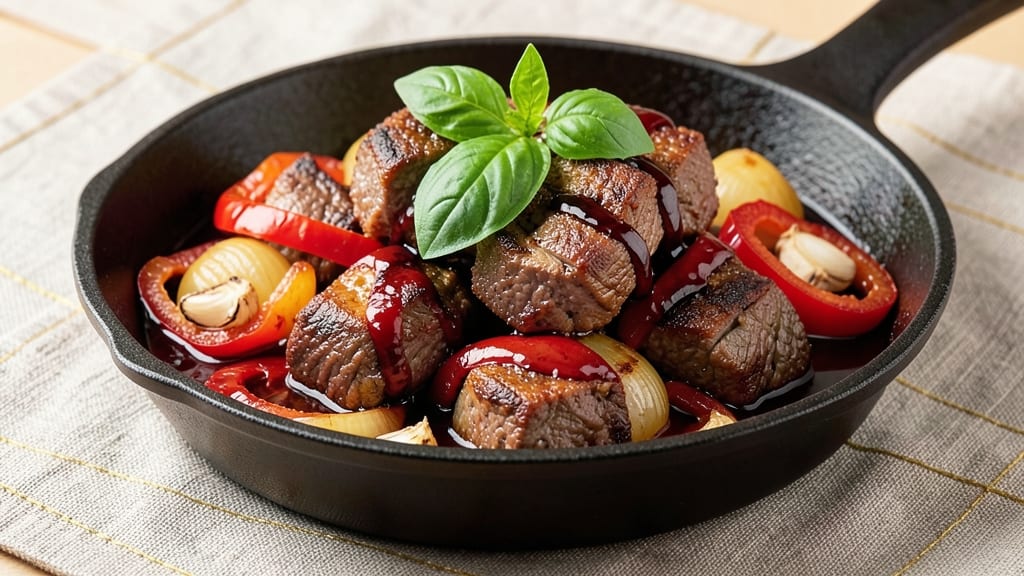
This beef cacciatore recipe transforms humble ingredients into a rich, aromatic stew that tastes like a slice of Italian countryside. The key lies in slow-simmered tomatoes, deep wine reduction, and tender beef that melts in your mouth—each bite packed with layers of herbaceous brightness and savory depth.
I developed this version after years of testing, balancing traditional techniques with modern shortcuts that still deliver restaurant-quality results.
The process begins with browning the beef in a Dutch oven, creating a flavorful crust that forms the foundation of the dish. Deglazing with red wine unlocks those browned bits, while garlic, onions, and bell peppers build aromatic complexity.
The tomatoes and herbs infuse over hours of gentle simmering, developing a sauce that's velvety yet bright—no heavy cream required. This method ensures maximum flavor with minimal effort, perfect for weeknight dinners that feel special.
By the time you serve this dish, your kitchen will smell like a Tuscan trattoria, and every spoonful will reveal tender beef swimming in a sauce that's rich yet balanced. The texture is what makes it extraordinary—fork-tender beef, al dente vegetables, and a sauce that clings perfectly.
It's the kind of meal that transforms ordinary nights into memorable ones, served with crusty bread to soak up every last drop of that aromatic stew.
This recipe adapts beautifully to different cooking methods—stovetop, slow cooker, or even Instant Pot—while maintaining its authentic Italian soul. Whether you're feeding a family or treating yourself to a solo dinner, the result is always impressive. Let's get cooking—your taste buds will thank you.
Ingredients for beef cacciatore
The secret to authentic beef cacciatore lies in these fifteen ingredients—each playing its part in creating a symphony of Italian flavors.
| Ingredient | Amount | Notes |
|---|---|---|
| Chuck Roast 🥩 | 1 ½ lb | Cut into 1-inch cubes, trimmed of fat |
| Red Bell Pepper 🍆 | 1 whole | Seeded, sliced into strips |
| Yellow Onion 🧅 | 1 whole | Sliced into half-moons |
| Garlic Cloves 🧄 | 4 cloves | Peeled, smashed lightly |
| Canned San Marzano Tomatoes 🍅 | 2 cans | 28 oz each, crushed by hand |
| Dry Red Wine 🍷 | 1 cup | Bold variety like Cabernet Sauvignon |
| Beef Broth 💧 | 1 ½ cups | Low-sodium preferred |
| Fresh Rosemary 🌿 | ¼ cup | Chopped, stems removed |
| Fresh Thyme 🌿 | ¼ cup | Leaves only, stems discarded |
| Fresh Basil 🌿 | ¼ cup | Chopped, for finishing |
| Extra-Virgin Olive Oil 🫒 | 2 tbsp | For searing beef |
| Tomato Paste 🍅 | 1 tbsp | Smooth, not chunky |
| Diamond Crystal Kosher Salt 🧂 | 1 ½ tsp | Adjust to taste |
| Freshly Ground Black Pepper 🌶️ | ½ tsp | Cracked, not powdered |
| Red Wine Vinegar 🍶 | 1 tsp | For brightness |
The chuck roast is your workhorse here—look for well-marbled cuts at Whole Foods or your local butcher shop, where they can trim it for you. If you're using pre-cubed beef from the grocery store, pat it dry with paper towels before searing; this ensures a better crust. Costco often carries chuck roast at a great price, but don’t compromise on quality for quantity. The bell pepper and onion should be firm with no soft spots—Trader Joe’s has excellent organic options. Garlic cloves should be plump and unspoiled; I always grab a head and peel them myself for fresher flavor. For the tomatoes, San Marzano cans are non-negotiable—they’re sweeter and less acidic, which balances the wine perfectly.
No red wine? Substitute beef broth with a splash of balsamic vinegar—it adds depth without the alcohol. Fresh herbs are ideal, but dried thyme at one-third the amount works in a pinch (just make sure it’s labeled as culinary thyme, not French or lemon thyme). The tomato paste can be swapped for extra tomato sauce, though it’ll be slightly less concentrated. If you’re short on time, use pre-minced garlic from a jar, but fresh is always better. The red wine vinegar can be omitted if you’re sensitive to acidity, but it’s what gives the dish that bright, finished touch. For the olive oil, avoid light or refined oils—they lack the fruity notes that complement the herbs.
This stew tastes even better the next day as flavors meld, so make a double batch if you’re feeding a crowd. Store leftovers in an airtight container in the fridge for up to 5 days, or freeze for 3 months in portion-sized containers. To reheat, warm gently on the stove with a splash of water or broth—never microwave, as it can make the sauce watery. The herbs can be added fresh just before serving if you’re reheating, or stir them in during the last 5 minutes of cooking on the stovetop. Serve with crusty bread or polenta to soak up every last drop of that rich, herby sauce.
Why You'll Love This Recipe
- One-Pan Magic: I swear by this dish when I’m too tired to scrub three pots—just sear the chuck roast, toss in the onions and peppers, then let the tomatoes and garlic simmer. The roast practically cooks itself while you stir, and honestly? That’s my kind of dinner.
- Tomato-Garlic Bliss: The San Marzano tomatoes melt into a rich, velvety sauce with just a hint of acidity, while the garlic and onions caramelize into something next-level. Between us, that crispy sear on the beef with the tender inside? It’s the kind of flavor that makes you pause mid-bite.
- Weeknight to Potluck: This recipe works whether it’s a rushed Tuesday or a Sunday spread. Double the batch—it reheats like a dream—and I’ve taken it to BBQs where it disappears faster than the chips. (Yes, even on a Tuesday night.)
- Budget-Friendly Feast: A chuck roast stretches across meals without breaking the bank, and the pantry staples (tomatoes, onions, garlic) mean I’m not scrambling for specialty items. Leftovers? They’re even better the second day, especially over toast or with crusty bread. My wallet and my family thank me.
Step-by-step instructions for beef cacciatore
This rustic Italian stew builds deep flavor through slow simmering—here's how to make it shine.
Sear the Chuck Roast Until Deeply Browned
Heat a heavy Dutch oven over medium-high heat. Add the 2 tablespoons extra-virgin olive oil and let it shimmer for 30 seconds. Working in batches if needed, add the 1.5 lb chuck roast cut into 1-inch cubes, arranging them in a single layer. Let them sear undisturbed for 3-4 minutes until a deep golden crust forms.
Here's the thing—don't crowd the pan. You want those browned bits (fond) to build up in the pot, which will dissolve into the sauce later. Once each piece is browned on all sides, transfer them to a plate and set aside. If the oil starts smoking before all pieces are seared, reduce the heat slightly but maintain that steady sizzle.
Build the Flavor Base with Aromatics
In the same Dutch oven, add the 1 whole yellow onion sliced into half-moons and the 1 whole red bell pepper cut into strips. Cook over medium heat for 5 minutes, stirring occasionally, until the onions soften and the peppers begin to blister slightly. This step develops their natural sweetness while adding texture to the stew.
Add the 4 cloves garlic that have been peeled and smashed lightly. Cook for 30 seconds until fragrant—don't let it brown or it'll turn bitter. Stir in the 1 tablespoon tomato paste and cook for another 1 minute, allowing it to caramelize slightly. This creates a rich foundation for the sauce that will come next.
Deglaze and Simmer with Wine and Tomatoes
Pour in the 1 cup dry red wine and scrape up all those browned bits from the bottom of the pot with a wooden spoon. This deglazing step captures all that concentrated flavor. Let the wine simmer for 3-4 minutes until reduced by about half, allowing the alcohol to cook off and intensify the flavor.
Add the 2 cans crushed San Marzano tomatoes, the 1.5 cups beef broth, and the 1.5 teaspoons diamond crystal kosher salt. Stir well to combine, then return the seared beef to the pot. Bring to a gentle boil, then reduce the heat to low, cover partially, and let it simmer for 1 hour. You're looking for a slow, steady simmer where bubbles occasionally break the surface but don't vigorously boil.
Season with Herbs and Simmer to Perfection
Stir in the 0.25 cup chopped fresh rosemary, 0.25 cup fresh thyme leaves, and 0.5 teaspoon freshly ground black pepper. Taste the stew and adjust the seasoning if needed—this is where you'll notice if you need more salt or a splash of 1 teaspoon red wine vinegar for brightness. The herbs should infuse their aromatic qualities without overpowering the dish.
Continue simmering uncovered for another 45-60 minutes until the beef is fork-tender and easily pulls apart. The sauce should have thickened slightly, coating the beef and vegetables. If it's too thin, let it simmer longer—this stew only gets better with time. The beef should be so tender it practically melts in your mouth, while the vegetables remain vibrant and slightly caramelized.
Finish and Serve with Fresh Basil
Remove the stew from heat and let it rest for 10 minutes. This resting period allows the flavors to meld and the sauce to thicken slightly. Stir in the 0.25 cup chopped fresh basil just before serving. The basil adds a bright, fresh contrast to the rich, slow-cooked flavors of the stew.
Serve the beef cacciatore hot, ladled over crusty bread or polenta. The perfect bowl should have tender beef that falls apart at the touch, vegetables that are just tender-crisp, and a sauce that's rich yet balanced with acidity from the tomatoes and vinegar. Each bite should deliver layers of flavor—herby, wine-infused, and deeply satisfying.
Pro Tips For Making Beef Cacciatore
- Sear the Roast Hard: Chuck roast needs a deep, dark crust to stay juicy—don’t treat it like a gentle simmer. Hit the pan with high heat, 2 tablespoons of oil, and let it brown for 5-6 minutes per side until the edges blacken slightly. I used to rush this, and the meat always ended up dry; patience here pays off.
- Char the Peppers First: Toss whole red bell peppers directly into a screaming-hot pan (no oil needed) and let them blister until the skin blackens in spots. Flip them constantly—this concentrates their sweetness and smoky depth. Skipping this step leaves them bland and watery, and no one wants that in their cacciatore.
- Deglaze with Tomatoes Late: After browning the meat and veggies, scrape up every last bit of fond from the pan with a splash of white wine (or broth). Let it reduce by half before adding the San Marzano tomatoes—this builds flavor faster than dumping everything in at once. I learned this after a batch tasted flat; timing matters.
- Simmer Covered, Then Uncover: Start with the lid on for the first 45 minutes to break down the meat, but finish uncovered for the last 20-30 minutes. This lets the sauce reduce and thicken without turning gluey. I used to keep it covered the whole time, and the sauce would always be too thin—this fix changed everything.
Serving suggestions for leftovers
Crusty Bread Perfection
Nothing elevates beef cacciatore like a warm, crusty loaf to soak up that rich sauce. I always reach for a baguette or ciabatta from my local bakery—look for one with a crisp exterior and soft interior.
Toast it lightly in the oven for 5 minutes at 375°F to enhance its crunch. The bread should be sturdy enough to hold its shape but tender enough to break apart easily.
For extra flair, rub the cut side with a garlic clove before serving—it adds a subtle aromatic note that complements the stew beautifully. 🥖
Polenta Pairs Perfectly
Creamy polenta transforms this dish into a hearty, satisfying meal. Cook 1 cup polenta in 4 cups water or broth over medium heat, stirring constantly until thick and creamy (about 20 minutes). Let it rest for 5 minutes before serving.
The slight graininess of polenta contrasts nicely with the tender beef and velvety sauce. For a restaurant-style touch, top each serving with a sprinkle of grated Parmesan and a drizzle of extra-virgin olive oil.
Bright Greens Balance Richness
A simple side salad cuts through the richness of the stew. Toss 4 cups baby arugula with 2 tablespoons lemon vinaigrette (mix 2 tablespoons olive oil, 1 tablespoon lemon juice, and a pinch of salt). The peppery bite of arugula refreshes your palate between bites.
For a heartier option, add ½ cup shaved fennel and ¼ cup toasted walnuts for crunch. The acidity in the dressing also helps cleanse your palate, making each spoonful of beef cacciatore taste even more vibrant.
Wine and Cheese Pairings
Serve this dish with a bold red wine like a Chianti or Montepulciano d'Abruzzo—their acidity and earthy notes mirror the stew's flavors. For cheese lovers, offer a selection of Pecorino Romano or aged Gouda on the side. The salty, nutty cheese pairs beautifully with the herby, tomato-rich stew.
If you're serving a crowd, arrange the cheese on a wooden board with cured meats like prosciutto or salami for a full Italian spread. This adds variety and lets guests customize their plates. 🍷
Garnish Like a Pro
The final touch makes all the difference. Just before serving, sprinkle each bowl with fresh basil leaves and a pinch of flaky sea salt. The basil adds a bright, fresh contrast to the deep, slow-cooked flavors, while the salt enhances the natural sweetness of the tomatoes.
For extra drama, drizzle with a few drops of high-quality olive oil—it catches the light and makes the dish look even more inviting. I also like to add a few red pepper flakes on the side for guests who crave heat. 🌿
Leftovers Reinvented
Beef cacciatore tastes even better the next day, so plan to make extra. Turn leftovers into stew-stuffed sandwiches with crusty bread, or serve over mashed potatoes for a comforting twist.
For a quick weeknight meal, reheat the stew gently on the stove with a splash of beef broth, then top with grated Parmesan and fresh herbs. The flavors meld beautifully over time, making this dish perfect for meal prep.
Store leftovers in an airtight container in the fridge for up to 5 days. 💡
Nutrition facts
Frequently asked questions
Can I substitute wine in this beef stew?
If you don't have red wine, use 1 cup beef broth plus 1 tablespoon balsamic vinegar for depth. For a non-alcoholic version, try 1 cup apple cider or grape juice—both add natural sweetness that balances the acidity. The key is maintaining the liquid volume while preserving acidity to brighten the tomatoes.
How do I make this dish in a slow cooker?
Brown the beef first in a skillet, then transfer it to your slow cooker with all ingredients except herbs. Cook on low for 6-7 hours or high for 3-4 hours. Stir in fresh herbs during the last 30 minutes of cooking. The slow cooker method yields even more tender beef since it simmers longer at lower heat.
Why did my beef turn out tough instead of tender?
This usually happens when the beef isn't cooked long enough or at too high a temperature. Use a meat thermometer—beef should reach 203°F for fork-tender results. If short on time, try the Instant Pot method: Sear beef, then cook on high pressure for 30 minutes with all ingredients. The pressure tenderizes the meat beautifully.
Can I use ground beef instead of chuck roast?
Yes, but the texture will differ. For best results, use 1 lb Italian sausage (mild or spicy) mixed with ½ lb ground beef. Brown the sausage first to render fat, then proceed with the recipe. The sausage adds natural herbs and fat that complement the tomatoes perfectly. Cook time will be shorter—simmer for 45-60 minutes total.
How far ahead can I prep this for a dinner party?
You can prep everything 2 days ahead! After simmering, cool the stew completely, then store in an airtight container in the fridge. Reheat gently on the stove with a splash of broth. For serving, keep the fresh herbs separate until reheating—stir them in during the last 5 minutes to preserve their brightness.