
Soups & Stews
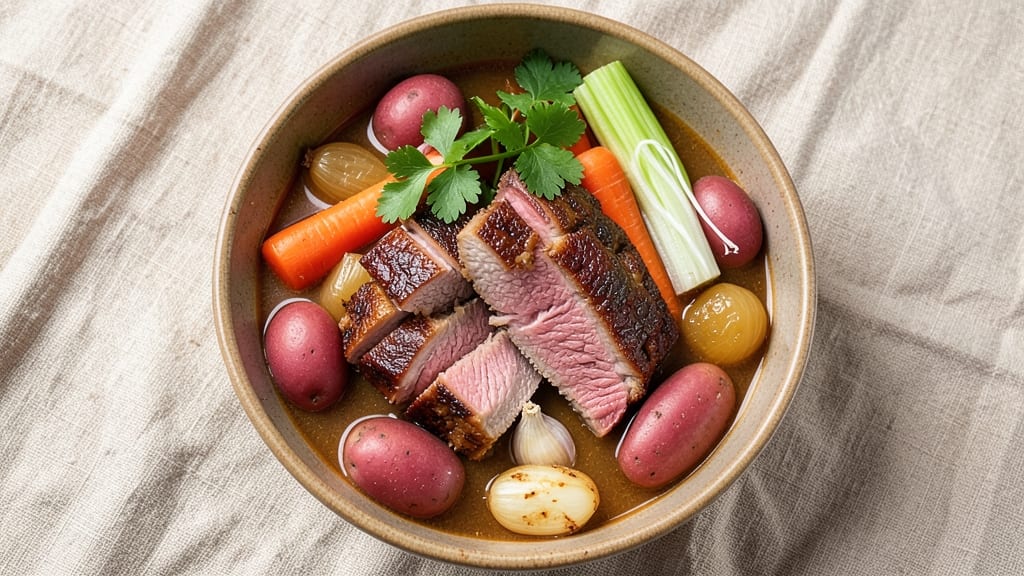
Transforming tough brisket into melt-in-your-mouth perfection is the heart of this beef brisket vegetable soup—where slow-simmered richness meets comforting vegetables in every spoonful.
The key lies in proper seasoning and low-and-slow cooking, which tenderizes the meat while infusing the broth with deep, savory notes that linger long after the last bite. I’ve perfected this method over years of testing, ensuring the vegetables stay vibrant and the brisket falls apart with just a fork.
What sets this soup apart is its balance—hearty brisket provides protein and depth, while carrots, potatoes, and celery add natural sweetness and texture. The broth develops its signature richness through hours of simmering, creating a foundation that’s both comforting and deeply flavorful.
Whether you’re using a traditional pot or a modern pressure cooker, the technique remains the same: patience pays off in a bowl of soup that feels like a hug on a chilly day.
By the time you serve it, you’ll have a steaming pot of soup where tender brisket chunks float in a velvety broth, surrounded by perfectly cooked vegetables.
The aroma alone will draw everyone to the table, and the first spoonful delivers that satisfying combination of savory meat and fresh, hearty veggies. This is the kind of meal that turns a simple weeknight into a memorable dinner, all while keeping prep straightforward and results professional.
The beauty of this recipe lies in its versatility—adjust the vegetables based on what’s fresh, or add a splash of vinegar for brightness if you prefer. It’s equally at home as a family dinner or a potluck centerpiece, proving that slow-cooked comfort can be both impressive and effortless.
Let’s get started on creating a bowl that tastes like home.
Ingredients for beef brisket vegetable soup
Sixteen ingredients transform tough brisket into velvety soup with deep flavor and tender vegetables.
| Ingredient | Amount | Notes |
|---|---|---|
| Beef Brisket 🥩 | 2 ½ lb | Flat cut preferred, trimmed of fat |
| Yellow Onions 🧅 | 2 whole | Medium size, roughly chopped |
| Carrots 🥕 | 4 whole | Medium size, peeled and chopped |
| Celery Stalks 🌿 | 4 whole | Stringy parts removed, chopped |
| Russet Potatoes 🥔 | 2 lb | Yukon gold works too, cubed |
| Garlic Cloves 🧄 | 6 cloves | Peeled, lightly crushed |
| Tomato Paste 🍅 | ½ cup | No sugar added preferred |
| Beef Broth 💧 | 8 cups | Low-sodium preferred |
| Red Wine 🍷 | 1 cup | Dry variety like Cabernet |
| Bay Leaves 🍃 | 2 whole | Fresh preferred, dried works |
| Fresh Thyme 🌿 | ¼ cup | Leaves only, stems removed |
| Kosher Salt 🧂 | 1 ½ tbsp | Diamond Crystal preferred |
| Black Peppercorns 🌶️ | 1 tsp | Freshly cracked preferred |
| Olive Oil 🫒 | ¼ cup | Extra-virgin for richness |
| Fresh Parsley 🌿 | 0.15 cup | Chopped for garnish |
The brisket is the foundation here—flat cut from the butcher gives you the best texture. Look for good marbling at Whole Foods or your local meat counter, but don't stress if you grab the pre-packaged kind from Costco or Kroger. Trim any thick fat caps to about 1/4-inch thickness—this renders beautifully during cooking. The potatoes? Yukon gold or russet both work, but cut them into even 1-inch cubes so they cook uniformly. For the carrots and celery, I always buy the organic bagged pre-chopped mix from Trader Joe's—saves time and ensures even cooking.
No red wine? Substitute with extra beef broth plus 1 tbsp balsamic vinegar—it adds that same depth. Fresh thyme is ideal, but dried works at one-third the amount. The tomato paste can be the squeeze-tube kind from Trader Joe's—it's perfect for small amounts and keeps forever. If you're short on time, swap the brisket for pre-cooked corned beef (just increase the broth by 2 cups). For extra richness, add 1/2 cup of cream or crème fraîche at the end, but skip it if you're watching calories. The bay leaves? Don't remove them until the very end—they infuse the broth with subtle aroma.
This soup tastes even better the next day—plan ahead. Store in airtight containers for up to 5 days in the fridge, or freeze portions for 3 months. I like to portion it into individual containers so I can grab a bowl straight from the freezer for those lazy mornings. The brisket will keep its tenderness, and the vegetables stay vibrant if you reheat gently with a splash of broth. Garnish with fresh parsley right before serving—it adds that pop of color and freshness that makes it feel restaurant-worthy.
Why You'll Love This Recipe
- One-Pot Magic: I swear by this recipe because it’s literally dump-and-go after the initial sear. Slice the brisket thin, toss in the onions, carrots, celery, and potatoes—no fancy prep, just simmering. The brisket falls apart like it’s been slow-cooking for hours, but honestly? You’re done in under an hour.
- Deep, Rich Payoff: That brisket? It’s the star—tender, beefy, and packed with flavor from the slow simmer. The carrots and potatoes soak up all the savory juices, while the onions and celery add just enough brightness to cut through the richness. It’s the kind of soup that makes you forget it’s just a weeknight dinner.
- Budget Meal, Big Impact: Brisket is affordable, and the veggies stretch it into a hearty meal for the whole family. I’ve fed six people for under $15 with this—no fancy cuts, no waste. Plus, it’s one of those rare recipes where the ingredients actually make the dish shine, not the other way around.
Step-by-step instructions for slow-simmered beef brisket vegetable soup
Here's how to transform tough brisket into melt-in-your-mouth perfection with vibrant vegetables.
Sear the Brisket for Deep Flavor
Heat the 0.25 cup olive oil in a large Dutch oven over medium-high heat until shimmering. Pat the 2.5 lb beef brisket completely dry with paper towels—this ensures maximum browning. Working in batches if needed, sear the brisket on all sides for 8-10 minutes total, pressing down gently with a spatula. You're looking for deep golden-brown crusts that develop in patches rather than uniform color.
Here's the thing—this searing step isn't just about color. The Maillard reaction happening now creates complex flavors that will infuse into your entire soup. If you notice the brisket releasing easily from the pan, it's ready to flip. Transfer the seared brisket to a plate and set aside temporarily.
Build the Aromatic Vegetable Base
In the same Dutch oven, reduce heat to medium and add the 2 whole yellow onions, 4 whole carrots, and 4 whole celery stalks, all chopped into ½-inch pieces. Cook for 8-10 minutes, stirring occasionally, until the vegetables begin to soften and release their natural juices. This process, called sweating, helps develop their flavors without browning.
Add the 6 cloves garlic cloves (lightly crushed) and cook for 30 seconds until fragrant—this prevents them from burning. Here's where it gets fun: stir in the 0.5 cup tomato paste and cook for another 2 minutes, allowing it to darken slightly. This creates a rich, umami foundation for your soup. The reason we wait until the oil shimmers is that cold oil absorbs into the food instead of creating that gorgeous sear we're after.
Deglaze and Develop the Broth
Pour in the 1 cup red wine and scrape up all those browned bits from the bottom of the pot with a wooden spoon—this is called deglazing, and it captures all that concentrated flavor. Let it simmer for 3-4 minutes until the wine reduces by about half and the alcohol burns off completely. You'll notice the aroma become more complex and inviting.
Add the 8 cups beef broth, 2 whole bay leaves, and 0.25 cup fresh thyme, bringing everything to a gentle boil. Return the seared brisket to the pot, along with the 2 lb russet potatoes (cubed into 1-inch pieces). The brisket should be mostly submerged—if not, add a splash of water. Reduce heat to low and let it simmer uncovered for 1 hour, skimming any foam that rises to the surface. This initial simmer helps tenderize the brisket and infuse the broth with flavor.
Simmer Until Brisket is Fork-Tender
After the initial hour, add the 1.5 tbsp kosher salt and 1 tsp black peppercorns (freshly cracked). Your oven might run hot, so start checking at the 2-hour mark for doneness. The brisket is ready when it easily pulls apart with two forks and the internal temperature reaches 200-205°F at its thickest point. Real talk: if it's not quite there, don't rush—this is where patience pays off.
While the brisket finishes cooking, the vegetables will become tender and the broth will deepen in color and flavor. You'll see the potatoes break down slightly, releasing their starches which help thicken the soup naturally. If the soup looks too thin at the 3-hour mark, you can mash a few potato pieces against the side of the pot to release more starch.
Finish and Serve with Fresh Herbs
Once the brisket is fork-tender, carefully remove it from the pot and let it rest on a cutting board for 10 minutes. This resting period allows the juices to redistribute, ensuring each bite is moist and flavorful. While it rests, skim any excess fat from the surface of the soup and discard the bay leaves and thyme stems.
Shred the brisket using two forks, discarding any large fat pieces or connective tissue. Return the shredded meat to the pot and stir gently to combine. Taste and adjust seasoning if needed—you might need a touch more salt or a splash of red wine to balance the flavors. Ladle the soup into bowls, garnishing each serving with 0.15 cup fresh parsley just before serving. The parsley not only adds freshness but also provides a beautiful contrast to the rich, deep colors of the soup.
Pro Tips For Making Beef Brisket Vegetable Soup
- Brown the Brisket First: I used to toss the raw brisket straight into the pot, and the soup always tasted bland. Now I sear it in a hot pan with oil for 3-4 minutes per side—just until it develops a deep crust. That caramelized layer carries flavor into every bite, and you won’t regret the extra 5 minutes.
- Cut Potatoes Last: Add the potatoes early, and they’ll turn to mush before the brisket is tender. I wait until the brisket has 15 minutes left to cook, then slice the potatoes into 1-inch chunks so they absorb flavor without falling apart.
- Don’t Overcrowd the Pot: Tossing everything in at once leads to uneven cooking and a watery soup. Instead, layer the onions, carrots, and celery first, then add the brisket and potatoes separately—this keeps the vegetables from steaming in their own juices and lets the brisket cook through.
- Save the Starch Water: When draining the potatoes, resist the urge to pour that starchy water down the sink. Stir a ladleful back into the soup at the end—it thickens the broth naturally and makes the vegetables taste richer without heavy cream.
Make-ahead tips for beef brisket vegetable soup
Prep Ahead Strategy
Start by prepping all vegetables the night before—chop 2 onions, 4 carrots, 4 celery stalks, and cube 2 lbs potatoes. Store them in airtight containers in the fridge for up to 3 days.
I like to use quart-sized glass containers from Pyrex because they stack neatly. This saves 30 minutes on cooking day and keeps your workspace organized. 📅
Brisket Prep Shortcut
Save time by searing the brisket a day ahead and refrigerating it uncovered on a wire rack. This dries the surface slightly, ensuring better browning when you finish cooking. I wrap mine in parchment paper and store it in the fridge for up to 24 hours.
When ready to cook, simply return it to the Dutch oven and continue with the recipe. This technique also helps control fat content.
Broth Building Boost
Make your broth ahead by combining 8 cups beef broth, 1 cup red wine, 2 bay leaves, and 0.25 cup thyme in a saucepan. Simmer for 15 minutes and store in the fridge for up to 5 days or freeze in gallon-sized bags.
This pre-flavored broth cuts your cooking time by 1 hour and adds depth instantly. I always double the batch—it's perfect for other recipes too. 💧
Freezer-Friendly Portions
Divide the fully cooked soup into 4-cup portions in freezer-safe containers or quart-sized bags. Leave 1 inch headspace for expansion and label with the date. These portions reheat beautifully—simmer on the stovetop for 10 minutes or microwave for 3-4 minutes on 50% power.
The brisket stays tender, and the vegetables maintain their texture when reheated gently. 🥶
Weeknight Assembly
For busy nights, prepare everything except the final simmer. After searing the brisket and building the vegetable base, cover and refrigerate the Dutch oven overnight. The next day, add the broth, potatoes, and seasonings, then simmer until tender.
This 2-step approach works perfectly for meal prep—just assemble and cook in 4 hours instead of the full 4-5 hours. 💡
Garnish Just Before Serving
Keep fresh parsley separate until serving to maintain its vibrant color and crisp texture. Store chopped parsley in a small airtight container with a damp paper towel to keep it fresh for up to 3 days.
Add it just before serving—this simple step elevates the presentation and adds a bright, fresh contrast to the rich soup. A sprinkle of crème fraîche or grated Parmigiano-Reggiano also works beautifully. ✨
Nutrition facts
Frequently asked questions
Can I use a slow cooker for this beef brisket soup?
Brown the brisket in a skillet first, then transfer everything to a 6-quart slow cooker. Cook on low for 8 hours or high for 5-6 hours until the meat is fork-tender. The slow cooker method actually enhances the tenderness and flavor, making it perfect for busy days. Just add the potatoes during the last 1 hour of cooking to prevent overcooking.
What vegetables can I substitute if I don't have carrots or celery?
No problem! Swap carrots for sweet potatoes or parsnips (they add natural sweetness), and use leeks or fennel instead of celery for a different flavor profile. For extra heartiness, add turnips or rutabagas. Just adjust cooking times—denser vegetables like sweet potatoes may need 15-20 minutes less than potatoes.
Why does my brisket turn out tough instead of tender?
Tough brisket usually means it didn't cook long enough or the heat wasn't low enough. Aim for 200-205°F internal temperature—use a meat thermometer! Also, avoid high heat after adding broth, as this can tighten the fibers. For extra tenderness, try adding 1/2 cup apple cider vinegar with the broth to help break down collagen.
How can I make this soup lighter without losing flavor?
Reduce the fat by trimming more fat from the brisket and skimming excess fat from the broth during cooking. Use low-fat beef broth and replace some of the potatoes with cauliflower or zucchini. For richness without calories, stir in 1/4 cup Greek yogurt or coconut milk at the end instead of cream.
Can I make this soup in an Instant Pot?
Yes! Sear the brisket in the pot first, then add all ingredients except potatoes. Cook on high pressure for 60 minutes, then add potatoes and pressure cook for another 10 minutes. Quick-release the pressure and let it rest 10 minutes before shredding the meat. The Instant Pot cuts cooking time to about 1.5 hours while keeping the brisket tender.