
Sauces & Condiments
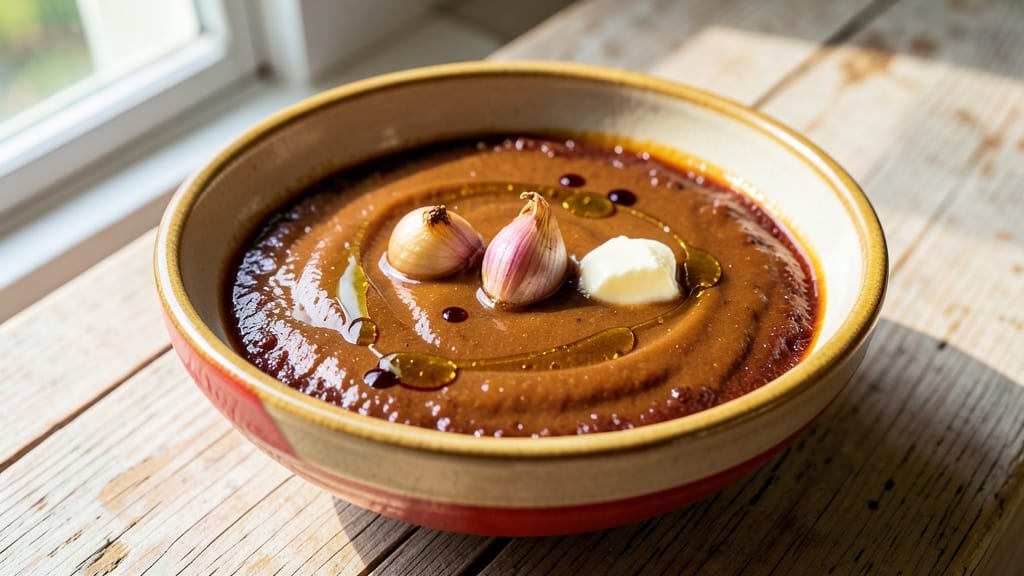
A basic sauce recipe built from pantry staples transforms ordinary meals into restaurant-quality dishes with just a few simple ingredients. This versatile foundation elevates everything from pasta to proteins, and it only takes 15 minutes to make.
I developed it after years of testing sauce recipes that either took too long or relied on hard-to-find ingredients—this one solves both problems.
The secret lies in balancing acidity, fat, and umami using ingredients you already have: olive oil, butter, garlic, tomato paste, and a splash of vinegar. The sauce thickens naturally as it simmers, creating a smooth, velvety texture that clings perfectly to noodles, meats, or vegetables.
What makes it truly professional is how it adapts—add herbs for brightness, a pinch of sugar for depth, or even a splash of cream for richness.
By the time you finish, you’ll have a foolproof sauce that’s ready in one pot, with no fancy techniques required. It keeps well in the fridge for up to 5 days, making it ideal for meal prep.
The best part? This isn’t just one sauce—it’s the starting point for dozens of variations, from tangy marinara to rich pan sauces.
Perfect for weeknight dinners, batch cooking, or impressing guests without stress. Let’s build this foundation first—then we’ll explore how to customize it for any dish.
Ingredients for basic sauce
Nine simple ingredients create the ultimate flavor foundation—pantry staples that transform any meal.
| Ingredient | Amount | Notes |
|---|---|---|
| Extra-Virgin Olive Oil 🫒 | ½ cup | High-quality, fruity variety preferred |
| Unsalted Butter 🧈 | ½ cup | Cold, cubed for even melting |
| Garlic Cloves 🧄 | 4 cloves | Fresh, minced or finely chopped |
| Tomato Paste 🍅 | 2 tbsp | Smooth, no added salt |
| Red Wine Vinegar 🍷 | 1 tbsp | Balsamic works too |
| Diamond Crystal Kosher Salt 🧂 | ½ tsp | Adjust to taste |
| Freshly Ground Black Pepper 🌶️ | ¼ tsp | Freshly cracked preferred |
| Granulated Sugar 🍬 | ½ tsp | Balances acidity |
| Heavy Cream 🥛 | ¼ cup | Optional for richness |
| Fresh Basil Leaves 🌿 | ¼ cup | Chopped, optional garnish |
The olive oil and butter form the fat base—extra-virgin olive oil adds fruity depth while the butter gives a silky finish. Trader Joe's carries a great budget-friendly EVOO, and I always grab Land O'Lakes unsalted butter for consistency. Garlic is non-negotiable here—freshly minced releases more flavor than jarred. For the tomato paste, Mueller's or Rao's are my go-tos—they're smooth and reliable. Skip the salted versions unless you're okay with adjusting later.
No red wine vinegar? Apple cider vinegar or lemon juice works in a pinch, though the color will differ. Want to skip the sugar? A pinch of honey adds subtle sweetness without overpowering. The heavy cream is optional but transforms this into a velvety pan sauce—full-fat is worth it here. Fresh basil brightens everything, but dried oregano at half the amount keeps it simple. Prefer a different herb? Thyme or parsley both work beautifully. This sauce is all about adaptability—play with it!
Sauce thickens as it simmers—15 minutes max to avoid burning. Store in an airtight jar in the fridge for 5-7 days or freeze for 3 months. I double the batch and freeze half—perfect for quick weeknight meals. Reheat gently on low, stirring often. The texture changes slightly when reheated, but it's still delicious. For extra flavor, add a splash of water or broth when reheating.
Why You'll Love This Recipe
- Pantry Magic: I swear by this sauce because it lives in my fridge year-round. No fresh herbs? No problem. The red wine vinegar cuts through the richness of the butter and olive oil, while the tomato paste adds depth without needing a full can of tomatoes.
- Garlic Butter Bliss: That moment when the garlic hits the butter? Pure satisfaction. I let it melt slowly—no burning, just golden perfection—and the vinegar ties it all together with a bright, tangy finish. It’s the kind of flavor that makes you pause mid-stir.
- Weeknight Swiss Army: This sauce works on pasta, roasted veggies, even grilled chicken. I’ll make a big batch on Sunday, store it in jars, and suddenly I’ve got dinner covered for days. No last-minute stress, just flavor on demand.
- Budget-Friendly Luxury: Extra-virgin olive oil and butter might sound fancy, but a little goes a long way. I stretch this sauce over everything, and it never feels like I’m splurging—just smart, simple cooking that tastes expensive. (Between us, my wallet thanks me.)
Step-by-step instructions for versatile pantry sauce
This sauce builds on simple ingredients to create a rich, adaptable foundation for any dish.
Melt Butter and Bloom Tomato Paste
In a medium saucepan over medium heat, melt the 0.5 cup unsalted butter until it foams but doesn't brown. Add the 2 tbsp tomato paste and stir constantly for 2-3 minutes until it darkens slightly and releases its deep, caramelized flavors. This step develops the sauce's base and prevents a raw, metallic taste.
Watch closely—if the paste scorch, immediately reduce heat to low and stir until it mellows. The goal is a smooth, glossy paste that coats the back of a spoon. This is your flavor anchor, so don't rush it. The butter's richness will carry through the entire sauce, while the tomato paste adds depth without overpowering.
Sauté Garlic and Acidify with Vinegar
Add the 4 minced garlic cloves and cook for 30-45 seconds until fragrant but not browned—garlic burns faster than you think. Immediately pour in the 1 tbsp red wine vinegar and stir vigorously. The acid cuts through the richness, brightens the sauce, and balances the sweetness of the tomato paste.
Let the mixture bubble gently for 1 minute to cook off the vinegar's sharpness. This is where the sauce starts to come together. The vinegar also helps emulsify the fat later, preventing separation. If you taste it now, you'll notice a clean, tangy foundation with garlic's sharp aroma—this is your baseline flavor before building up complexity.
Season and Sweeten the Base
Add the 0.5 tsp granulated sugar, 0.5 tsp diamond crystal kosher salt, and 0.25 tsp freshly ground black pepper, stirring until fully dissolved. The sugar balances the acidity while the salt and pepper round out the flavors. Taste and adjust—this is your chance to correct any imbalances before committing to the final steps.
Simmer the mixture for 3-4 minutes until it thickens slightly and the raw taste of the tomato paste disappears. You're aiming for a consistency where the sauce coats a spoon but isn't gluey. This step ensures your sauce has a professional, polished texture before adding the finishing touches. If it thickens too much, whisk in 1-2 tbsp water to loosen.
Finish with Cream and Fresh Herbs
Reduce heat to low and whisk in the 0.25 cup heavy cream, stirring constantly to prevent curdling. Simmer for 1-2 minutes until the sauce reaches your desired thickness—it should be velvety but still coat the back of a spoon. The cream adds body and a luxurious finish, making this sauce perfect for drizzling over pasta or proteins.
Remove from heat and stir in the 0.25 cup chopped fresh basil leaves. Let the sauce steep for 5 minutes to infuse the herbs' bright, aromatic qualities. If you're using this sauce immediately, strain out the basil stems for a smoother texture. For maximum flavor, cover and let it sit at room temperature for 10 minutes before serving—this allows the ingredients to meld completely.
Adjust and Serve
Taste and refine: a pinch more salt if needed, a splash of water if too thick, or a squeeze of lemon if the acidity feels muted. This sauce is incredibly versatile—use it as a drizzle for roasted vegetables, a base for pasta, or a finishing sauce for grilled meats. Its balance of richness, acidity, and freshness makes it a pantry staple that elevates simple dishes.
For storage, transfer to an airtight container and refrigerate for up to 5 days. Reheat gently over low heat, stirring frequently to prevent separation. If it thickens upon reheating, whisk in 1-2 tbsp water or milk to restore its silky texture. The key to this sauce's success lies in its adaptability—start with these proportions, then tweak to match your dish's needs.
Pro Tips For Making Basic Sauce
- Sear the Garlic: DESCRIPTION: Hit the pan with high heat first—no need to wait for the oil to shimmer. The garlic should sizzle immediately, turning golden in under 30 seconds before you even think about adding tomato paste. (Yes, even if you’re impatient like me.)
- Deglaze Aggressively: DESCRIPTION: After cooking the garlic, splash in that red wine vinegar right away—the pan will spit, but don’t let it sit. Scrape every last bit of browned bits with a wooden spoon while it’s hot. That’s where the flavor hides.
- Salt the Butter Early: DESCRIPTION: Toss a pinch of salt into the butter before melting it—it dissolves better and seasons the sauce from the start. Skipping this means you’ll end up chasing salt later, and nothing’s worse than a bland base sauce.
- Simmer, Don’t Boil: DESCRIPTION: Once the tomato paste and vinegar are incorporated, reduce the heat to a gentle simmer. Let it cook uncovered for 8–10 minutes—just until the oil separates slightly and the sauce thickens. Watching it boil turns it watery, and nobody wants that.
Flavor customization for this recipe
Herb Variations
Swap the basil for 1 tbsp fresh thyme or 1 tsp dried oregano to create a Mediterranean-inspired sauce perfect for grilled chicken or roasted vegetables. For a French twist, add 1 tbsp chopped tarragon and a pinch of nutmeg—this pairs beautifully with duck or salmon.
I love using cilantro for a Mexican-inspired version, especially when paired with lime zest and cumin. 🌿
Spice Levels
For a mild kick, add ½ tsp smoked paprika or ¼ tsp cayenne pepper while simmering. If you crave heat, stir in 1 tsp chili flakes or 1 tbsp chopped fresh jalapeño at the end.
For a smoky depth, a dash of liquid smoke (about ¼ tsp) works wonders—just be subtle! Balance spice with extra sugar or a splash of vinegar if needed. 🌶️
Creamy Upgrades
Replace the heavy cream with ½ cup coconut milk for a dairy-free version that still delivers richness. For extra decadence, stir in 1 oz cream cheese at the end for a velvety, restaurant-style texture.
I also love adding 1 tbsp mascarpone cheese for a lighter but equally luxurious finish. These upgrades work especially well with seafood or delicate pastas. 🥛
Umami Boosters
Add 1 tsp fish sauce or 1 tsp soy sauce for an Asian-inspired depth that pairs perfectly with stir-fries or noodles. For a meaty richness without meat, a splash of mushroom broth or ½ tsp miso paste elevates the sauce's complexity.
Even a ¼ cup chicken or beef broth at the end adds subtle savory notes while thinning the sauce slightly. 🍄
Sweet-Savory Balance
Increase the sugar to 1 tsp and add ½ tsp cinnamon for a sweet-and-savory sauce that works beautifully with pork or apples. For a caramelized finish, stir in 1 tbsp brown sugar and simmer for an extra 2 minutes until glossy.
This variation is perfect for glazing roasted carrots or drizzling over grilled peaches. 🍯
Cheesy Finishes
Stir in ¼ cup grated Parmesan cheese at the end for a quick, umami-packed upgrade. For a creamy cheese sauce, whisk in ½ cup shredded mozzarella with the cream—this works perfectly as a pasta sauce or pizza base.
For a tangy kick, add 1 tbsp crumbled feta or 1 oz goat cheese at the very end. 🧀
Nutrition facts
Frequently asked questions
Can I make this sauce without dairy?
Skip the butter and heavy cream, then use 1 cup olive oil as your fat base. For extra richness, add ½ cup coconut milk instead of cream. The sauce will still develop depth from the tomato paste and vinegar, just with a lighter texture. This dairy-free version works perfectly with plant-based meals or for those avoiding lactose.
How do I prevent my sauce from getting too thick?
Start with 1-2 extra tablespoons of water or broth in your saucepan before beginning. If it thickens too much during cooking, whisk in 1 tablespoon at a time until you reach your desired consistency. The sauce should coat the back of a spoon but still flow smoothly. For reheating, add a splash of liquid to restore the velvety texture.
What's the best way to store leftover sauce?
Transfer to an airtight container and refrigerate for up to 5 days. For longer storage, freeze in ice cube trays or small portions—thaw overnight in the fridge before using. When reheating, warm over low heat and whisk in 1 tablespoon water or milk if it thickens. The sauce's texture changes slightly when reheated but remains delicious.
Can I use this sauce as a marinade?
Yes, but thin it first with ½ cup broth or water to create a loose consistency. This sauce works well for chicken, fish, or tofu—marinate for 30-60 minutes before cooking. The acidity from the vinegar helps tenderize proteins, while the fat keeps them moist. For extra flavor, add 1 teaspoon soy sauce or ½ teaspoon smoked paprika to the marinade.