
Snacks
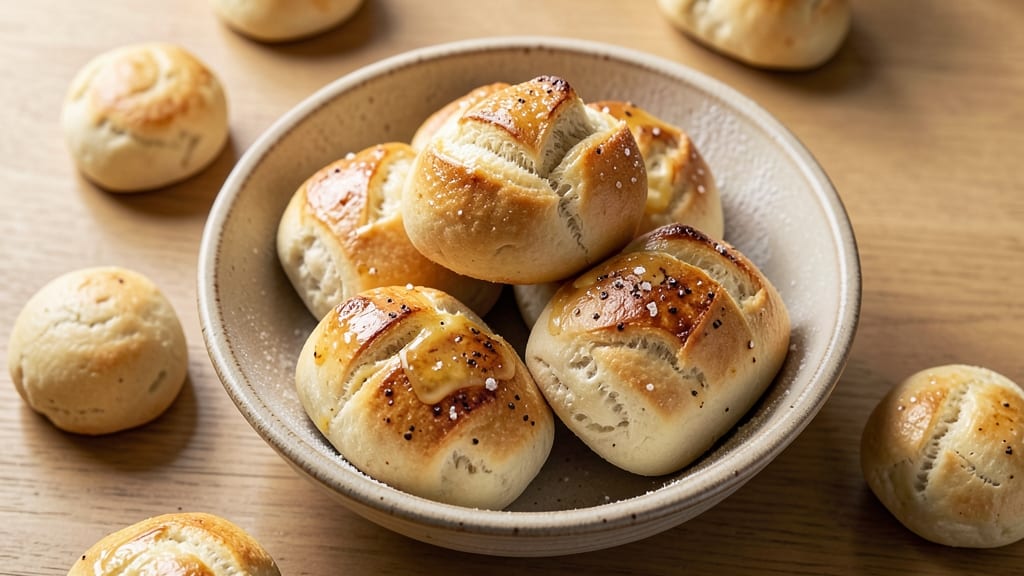
Creating basic dinner rolls that achieve that perfect golden crust and tender interior is simpler than you might think—this recipe delivers restaurant-quality results with just a few key techniques.
The secret lies in proper dough handling and precise baking, ensuring every roll emerges from the oven with that irresistible aroma and satisfying texture. I've perfected this method over years of baking, and it never fails to impress, whether served warm with butter or paired with a hearty stew.
This recipe requires only five simple ingredients—flour, yeast, sugar, salt, and butter—plus warm water to bring it all together. The dough comes together quickly, but the magic happens during the rising process, where patience pays off with beautifully puffed rolls.
Baking at the right temperature ensures a crispy exterior while keeping the inside soft and pillowy, creating the ideal balance of textures in every bite.
By the time you pull these rolls from the oven, you'll have a batch of golden, buttery pillows that are perfect for soaking up gravy, melting with butter, or serving alongside any meal.
The aroma alone will have everyone gathering around the table, and the tender, flaky layers make them impossible to resist. This is the kind of recipe that transforms a simple dinner into something special without requiring advanced skills.
For added flavor, consider mixing in garlic powder, herbs, or even a touch of cheddar cheese into the dough before shaping. These variations elevate the basic recipe while keeping the process straightforward. Let's get started on creating rolls that will become a staple in your kitchen.
Ingredients for basic dinner roll
Five core ingredients transform into golden, buttery dinner rolls with perfect texture.
| Ingredient | Amount | Notes |
|---|---|---|
| All-Purpose Flour 🌾 | 4 cups | Spooned and leveled for accuracy |
| Active Dry Yeast 🍞 | 2 ¼ tsp | Ensure it's fresh and active |
| Granulated Sugar 🍚 | 1 tbsp | For yeast activation |
| Unsalted Butter 🧈 | ½ cup | Cold, cubed for flakiness |
| Warm Water 💧 | 1 ¼ cups | 110°F for yeast activation |
| Salt 🧂 | 1 tsp | Kosher or sea salt preferred |
| Garlic Powder 🧄 | ½ tsp | Optional for added flavor |
| Fresh Parsley 🌿 | ¼ cup | Chopped, optional garnish |
| Cornmeal 🌽 | ½ cup | For dusting baking sheet |
The flour is your foundation—King Arthur or Gold Medal brands yield the best results due to their high protein content. Check the expiration date on yeast—old yeast won't activate properly, and you'll end up with flat rolls. For the butter, use European-style if available (like Plugrá), as it has higher fat content for richer flavor. The warm water should feel like bathwater to the touch (110°F)—too hot kills the yeast, too cold slows activation. If you're adding garlic powder or herbs, now's the time to incorporate them into the dough for even distribution.
No active dry yeast? Instant yeast works 1:1, but don't skip the warm water step. Short on butter? Substitute with vegetable shortening for a similar texture, though flavor will differ. The cornmeal is optional but prevents sticking—Trader Joe's sells it in bulk for a great price. For a cheesy variation, fold in shredded sharp cheddar (about 0.5 cup) after the dough comes together. The rolls will have a slightly tangy kick, perfect for hearty meals. If you're baking immediately, skip the second rise—just shape and bake straight from the first rise for quicker results.
Freshly baked rolls stay warm for 2-3 hours in a clean kitchen towel-lined basket. For longer storage, freeze shaped rolls on a tray before transferring to a bag—they'll keep for 3 months. To reheat, wrap in foil and warm at 350°F for 10-15 minutes. The garlic powder and parsley are purely optional, but they add a subtle depth that makes these rolls feel restaurant-worthy. Double the recipe if you're feeding a crowd—they disappear fast!
Why You'll Love This Recipe
- Here’s what sold me: that crispy, golden crust with a center so tender it practically dissolves. The sugar feeds the yeast just enough to make them rise perfectly, while the cold butter cubes create pockets of pure, buttery heaven. (Yes, even on a Tuesday night.)
- Five-Ingredient Magic: I swear by this combo—flour, yeast, sugar, butter, and water. That’s it. No fancy pantry trips, no hunting for obscure spices. The yeast does all the work while I sip my coffee, and the butter? Oh, it melts into those rolls like a warm hug.
- Buttery Pillow Soft: Here’s what sold me: that crispy, golden crust with a center so tender it practically dissolves. The sugar feeds the yeast just enough to make them rise perfectly, while the cold butter cubes create pockets of pure, buttery heaven. (Yes, even on a Tuesday night.)
- Weeknight Workhorse: Freeze half the batch on a tray, then toss them in a bag. Need rolls for Sunday dinner? Pop them in the oven straight from frozen. They’re my go-to for everything—slathered in jam for breakfast, soaking up gravy at dinner, or stuffed with cheese for a lazy snack.
Step-by-step instructions for basic dinner rolls
Follow this method to create tender, flaky rolls with a golden crust every time.
Activate the Yeast and Mix the Dough
In a large bowl, combine the 1.25 cups warm water, 1 tablespoon granulated sugar, and 2.25 teaspoons active dry yeast. Let this mixture sit for 5-10 minutes until it becomes frothy and bubbly—this confirms the yeast is active. If it doesn’t bubble, your yeast may be old, and you’ll need to start over.
Once the yeast is active, add the 4 cups all-purpose flour and 1 teaspoon salt to the bowl. Mix with a wooden spoon until a shaggy dough forms. Then, cut in the 0.5 cup cold, cubed unsalted butter using a pastry cutter or your fingers until the butter is fully incorporated and the dough begins to come together. The dough should be soft but slightly sticky—this is normal and will improve as it kneads.
Knead the Dough Until Smooth
Turn the dough onto a lightly floured surface and knead for 8-10 minutes by hand, or use a stand mixer with a dough hook for 5-6 minutes on medium speed. You’re looking for a smooth, elastic dough that springs back when poked. If it feels too sticky, add 1 tablespoon of flour at a time until it’s manageable, but avoid over-flouring, which can make the rolls dense.
Shape the dough into a ball, place it back in the bowl, and cover it with a clean kitchen towel. Let it rise in a warm place for 1-2 hours, or until it has nearly doubled in size. The dough should feel light and airy when pressed gently—this indicates proper fermentation. If the kitchen isn’t warm enough, place the bowl near a slightly warm oven with the light on to help it rise.
Shape and Second Rise
Punch down the risen dough to release air, then turn it onto a lightly floured surface. Divide it into 12 equal pieces (about 2 tablespoons each). Roll each piece into a smooth ball, cover with the towel, and let them rise again for 30-45 minutes. They should puff up slightly but not double in size—this ensures they hold their shape while baking.
While the rolls rise, preheat your oven to 375°F and line a baking sheet with parchment paper. Sprinkle the 0.5 cup cornmeal evenly on the sheet—this prevents sticking and adds a subtle crunch. Arrange the rolls in a single layer, leaving 1 inch of space between them for even browning.
Bake to Golden Perfection
Bake the rolls for 15-18 minutes until they’re golden brown on top and sound hollow when tapped on the bottom. If they brown too quickly, tent them loosely with foil to prevent over-browning. For extra flavor, brush the tops with melted butter while they’re still warm.
Let the rolls cool on a wire rack for 5 minutes before serving. They’ll be soft and pillowy inside with a crisp, buttery crust—ideal for soaking up gravy or butter. Store any leftovers in an airtight container at room temperature for up to 2 days, or freeze for up to 1 month. Reheat in a 350°F oven for 5-10 minutes to restore freshness.
Pro Tips For Making Basic Dinner Roll
- Test Your Yeast First: I learned this the hard way—skipping the yeast test means wasting dough if it’s dead. Mix 1 packet of yeast with ¼ cup warm water (110°F) and 1 tsp sugar; wait 5–10 minutes for frothy bubbles before adding to flour. No bubbles? Toss that packet and open a new one.
- Cut Cold Butter, Not Soft: Butter straight from the fridge melts too fast, turning your dough greasy and gummy. Cut it into small cubes and let it sit at room temp for exactly 10 minutes—just until it’s pliable but still holds shape. Over-soft butter = sad, dense rolls.
- Knead Until Stretchy: Your dough should spring back slowly when poked, not bounce like a rubber ball. I used to over-knead, but under-kneaded dough collapses during baking. Aim for 8–10 minutes by hand or 5–6 minutes with a mixer—glossy, smooth, and just slightly sticky.
- Proof in One Batch: Resist the urge to split dough into rolls early—it throws off fermentation. Let the whole dough rise together in a greased bowl until doubled (about 1–1.5 hours), then portion. This keeps flavor consistent and prevents uneven baking later. (Yes, even if you’re impatient like me.)
Health benefits of this recipe
Whole Grain Boost
Swap 2 cups of all-purpose flour for whole wheat flour to add fiber and nutrients without sacrificing texture. I use King Arthur Whole Grain Flour for its balanced protein content—it keeps the rolls tender while adding a nutty depth.
For extra heartiness, try half white, half whole wheat flour. 🌾
Protein Power
Add 1 cup Greek yogurt or sour cream to the dough for extra protein and moisture. This creates a lighter, airier roll with a subtle tang.
I recommend full-fat Greek yogurt for the best texture—it mimics butter beautifully. For a cheesy twist, fold in ½ cup shredded Parmesan along with the yogurt.
Gluten-Free Option
For gluten-free dinner rolls, use a 1:1 gluten-free flour blend like Bob's Red Mill 1-to-1. Add ½ tsp xanthan gum to improve elasticity. The dough will be stickier, so handle it gently and avoid over-kneading.
These rolls won't rise as dramatically but still deliver a tender crumb when baked properly.
Low-Carb Adaptation
Create a low-carb version by replacing 2 cups flour with almond flour and 1 cup shredded mozzarella. The cheese adds structure while keeping carbs in check. For extra flakiness, use ½ cup cream cheese> instead of butter. These rolls pair perfectly with keto-friendly stews or soups. 💪
Digestive Benefits
Add 1 tbsp ground flaxseed or chia seeds to the dough for omega-3s and digestive fiber. These seeds also improve moisture retention, keeping rolls soft longer. For a gut-friendly boost, include 1 tsp psyllium husk powder—it enhances gluten-free versions and aids digestion in traditional rolls.
Energy Enhancement
Include 1 tbsp honey or maple syrup in place of sugar to provide natural energy-boosting carbohydrates. These sweeteners also feed the yeast for better rise. For a protein-packed version, stir in 2 tbsp nutritional yeast—it adds a cheesy flavor and essential B vitamins. 💡
Nutrition facts
Frequently asked questions
Why do my dinner rolls turn out dense instead of fluffy?
Over-kneading or under-rising are the most common culprits. Knead just until smooth (8-10 minutes by hand), and ensure the dough nearly doubles during the first rise (1-2 hours). Cold kitchen? Place the bowl near a warm oven with the light on to speed up fermentation. Also check your yeast—if it's old, it won't activate properly.
Can I make dinner rolls without a stand mixer?
This recipe works perfectly with just your hands. Knead the dough on a lightly floured surface for 8-10 minutes until smooth and elastic. The extra effort develops gluten properly, giving you that perfect tender crumb. For best results, use a dough scraper to help turn and fold the dough during kneading.
How do I store leftover dinner rolls so they stay fresh?
For short-term storage, keep them in an airtight container at room temperature for up to 2 days. To revive, wrap in foil and warm at 350°F for 5-10 minutes. For longer storage, freeze shaped rolls on a tray before transferring to a freezer bag—this prevents sticking. Thaw overnight in the fridge or reheat directly from frozen (add 5 minutes to baking time).
What's the best way to reheat dinner rolls?
The oven method gives the best results. Wrap rolls in foil and warm at 350°F for 5-10 minutes until heated through. For a crispy crust, remove the foil for the last 2 minutes. Microwaving works in a pinch (wrap in a damp paper towel for 15-20 seconds), but the texture won't be as perfect.
Can I make these rolls with less butter for a lighter version?
Yes, but expect slightly less flavor and flakiness. Reduce butter to ¼ cup and replace the remaining ¼ cup with olive oil or melted coconut oil. The rolls will still be tender, though the crust won't be as rich. For extra moisture, add 1 tablespoon milk to the dough mixture.