Sauces & Condiments
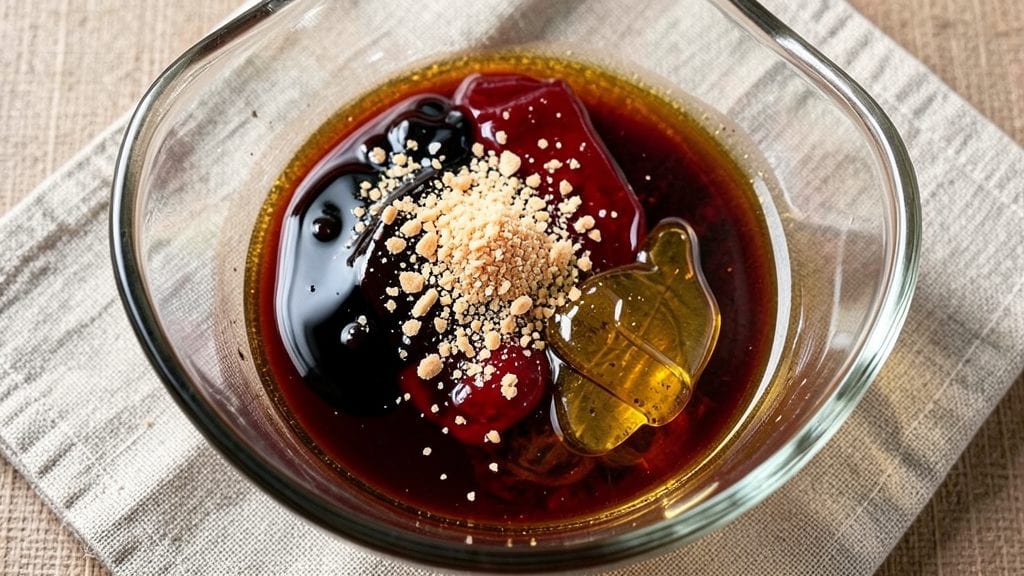
A basic beef jerky marinade recipe transforms tough cuts into chewy, flavor-packed strips that rival store-bought versions. The secret lies in a precise balance of umami-rich ingredients—soy sauce, Worcestershire, and liquid smoke—that tenderize while building deep, savory layers.
I developed this blend after testing countless combinations, and it consistently delivers that perfect chewy texture with bold, well-rounded flavor.
This marinade works for both traditional dehydrating and quick oven methods, making it versatile for any kitchen. The combination of vinegar and brown sugar helps break down proteins for tenderness, while garlic powder and black pepper add warmth and complexity.
Unlike pre-packaged mixes, this recipe gives you control over salt levels and sweetness to suit your taste.
What you’ll end up with is beef jerky that’s irresistibly chewy on the outside yet tender inside, packed with rich umami flavor. The marinade’s balance of tangy, sweet, and smoky notes ensures every bite delivers satisfaction without being overpowering.
Ready in just 15 minutes of prep, it’s the foundation for jerky that stands out at tailgates or as a protein-packed snack.
The best part? This marinade doubles as a dry rub if you reduce it slightly, and it keeps well in the fridge for up to 2 weeks.
Perfect for meal prep or bulk curing, it’s a game-changer for anyone who wants restaurant-quality jerky at home. Let’s get started on the perfect blend.
Ingredients for basic beef jerky marinade
Ten ingredients that transform tough beef into restaurant-quality jerky with deep umami and perfect chew.
| Ingredient | Amount | Notes |
|---|---|---|
| Kosher Soy Sauce 🥫 | ½ cup | Full-bodied, not reduced |
| Worcestershire Sauce 🥫 | ¼ cup | High-quality, anchovy-based |
| Apple Cider Vinegar 🍎 | ¼ cup | Balances sweetness and tang |
| Light Brown Sugar 🍚 | ½ cup | Packed, not granulated |
| Pure Maple Syrup 🍁 | ¼ cup | Deep flavor, no additives |
| Liquid Smoke 🔥 | 1 tbsp | 100% natural, no artificial flavors |
| Garlic Powder 🧄 | 2 tsp | Freshly ground preferred |
| Onion Powder 🧅 | 2 tsp | Not onion salt |
| Ground Black Pepper 🌶️ | 1 tsp | Freshly cracked |
| Diamond Crystal Kosher Salt 🧂 | 1 ½ tsp | Adjust to taste |
The soy sauce and Worcestershire are non-negotiable—Lee Kum Kee and Hewitt's are my go-tos for that authentic umami punch. Grab the full-bodied soy sauce (not the light kind) from the Asian aisle, and make sure your Worcestershire is anchovy-based—no shortcuts here. The brown sugar should be light, not dark—it dissolves better and won’t overpower the marinade. For maple syrup, Grade B has more flavor than Grade A, and Trader Joe's sells it affordably. Liquid smoke is where the magic happens—Reynolds is the gold standard, but Kirkland works too. If you’re nervous about the smokiness, start with half and adjust.
No soy sauce? Coconut aminos at 1:1 ratio works in a pinch, though it’s lighter. Worcestershire missing? Fish sauce plus a pinch of sugar mimics the depth—just don’t overdo it. Brown sugar crystallizing? Microwave it for 20 seconds with a splash of water to break it up. Want more heat? Add cayenne to taste. The powders (garlic, onion, pepper) can be swapped for fresh—just blend them into a paste first. And if you’re making this for a crowd, double the batch—it keeps perfectly for marinating multiple pounds of beef.
This marinade is a game-changer for meal prep. Store it in a sealed glass jar in the fridge for up to 2 weeks, or freeze for 6 months in ice cube trays for single-use portions. The flavors actually deepen over time, so make extra. For dehydrating, use 1/4 cup per pound of beef—for oven-baked jerky, reduce it slightly to avoid sogginess. Pro tip: Let the marinade sit for 10 minutes after mixing so the flavors meld before applying to the meat.
Why You'll Love This Recipe
- Five-Ingredient Magic: I swear by this combo—just stir, pour, and let the soy, vinegar, and maple syrup work their savory-sweet spell. No measuring cups, no fancy tools, just a bowl and a whisk.
- Sweet-Savory Balance: That brown sugar and maple syrup caramelize into something addictive, while the Worcestershire adds this deep, umami punch. It’s the kind of flavor that makes jerky taste like a snack, not just protein.
- Weeknight Meal Prep: I batch this marinade every Sunday—it keeps for weeks in the fridge, and I use it for jerky, stir-fries, or even glaze for roasted veggies. Zero waste, all flavor.
- Budget-Friendly Upgrade: Honestly, this costs pennies per serving but tastes like a fancy charcuterie board. The soy and vinegar stretch far, and the sugar keeps it from being bland—perfect for when you want gourmet without the price tag.
Step-by-step instructions for basic beef jerky marinade
This marinade transforms tough cuts into chewy, restaurant-quality jerky with bold umami depth.
Whisk the Wet Ingredients Together
In a medium bowl, combine the 0.5 cup kosher soy sauce, 0.25 cup Worcestershire sauce, and 0.25 cup apple cider vinegar. These three ingredients form the flavor foundation—let them mingle for 30 seconds while you prepare the dry components. The vinegar will begin to cut through the richness of the soy and Worcestershire, creating a balanced base.
Next, add the 0.5 cup light brown sugar and 0.25 cup pure maple syrup. Whisk vigorously until the sugar fully dissolves and the mixture becomes smooth and syrupy. You're looking for a consistency similar to thick honey—this ensures even coating on the meat. The sugar will caramelize slightly during the marinating process, adding that signature jerky sweetness.
Incorporate the Dry Seasonings
Create a small well in the center of your wet mixture and add the 2 teaspoons garlic powder, 2 teaspoons onion powder, 1 teaspoon ground black pepper, and 1.5 teaspoons Diamond Crystal kosher salt. Use a fork or small whisk to gradually incorporate these dry ingredients until completely dissolved and evenly distributed throughout the marinade.
Here's where the magic happens: the garlic and onion powders will bloom in the warm liquid, releasing their aromatic compounds. The salt will begin to break down the muscle proteins in the beef almost immediately, starting the tenderizing process. Give it one final stir to ensure no powdery residue remains at the bottom of the bowl.
Add the Liquid Smoke for Depth
Measure out 1 tablespoon of liquid smoke and add it to the marinade mixture. Stir gently but thoroughly to distribute it evenly. This is the secret weapon that gives commercial jerky its distinctive smoky character. The liquid smoke contains over 50 different compounds found in wood smoke, including guaiacol and syringol, which create that unmistakable campfire aroma.
Taste the marinade at this stage—it should be intensely savory with sweet, tangy, and smoky notes. If you find it needs more balance, you can adjust by adding a pinch more salt or a splash of apple cider vinegar. The marinade should coat the back of a spoon with a glossy sheen, indicating proper consistency for maximum flavor penetration.
Marinate the Beef Properly
Submerge your sliced beef in the marinade, ensuring each piece is fully coated. Transfer to a resealable plastic bag or glass container and refrigerate for at least 12 hours, though 24 hours yields the most dramatic flavor development. The acidity from the vinegar and soy will begin breaking down the muscle fibers, while the sugar and smoke penetrate deeply.
For best results, turn the meat every 4-6 hours during the marinating process. This ensures even exposure to all flavor components. You'll notice the beef becoming noticeably more pliable and absorbing the marinade's deep red color. When ready to dehydrate, pat the slices dry with paper towels—this critical step prevents surface moisture from creating a gummy texture during drying.
Pro Tips For Making Basic Beef Jerky Marinade
- Reduce Vinegar First: Heat the apple cider vinegar in a small pan for 2-3 minutes until it’s just simmering—this cuts the harsh tang before mixing. I learned this the hard way after making jerky that tasted more like a pickle than savory meat. Let it cool completely before combining with the rest.
- Use Real Maple Syrup: Skip the pancake syrup—pure maple syrup adds depth without artificial aftertaste. If you’re pinched for time, a 50/50 mix with honey works, but don’t skimp on quality here. The sugar’s job is to caramelize, not mask flavors.
- Marinate Cold, Not Room Temp: Refrigerate the meat in the marinade for at least 4 hours (overnight’s better) instead of letting it sit at room temperature. Warm marinades speed up bacterial growth—yes, even with vinegar—and ruin the texture. Cold also helps the soy and Worcestershire penetrate deeper.
- Balance Sugar First: Taste the wet ingredients (soy, Worcestershire, vinegar) before adding sugar—then adjust brown sugar and maple syrup to your preference. I used to dump everything in blindly and end up with jerky that’s either cloyingly sweet or bland. Start with 1:1 sugar ratio by volume, then tweak.
Essential equipment for this recipe
Precision Measuring Tools
Start with a digital kitchen scale for accurate measurements—especially for the brown sugar and maple syrup. I use the OXO Good Grips scale because it handles wet ingredients without sticking. For liquids, a quart-sized glass measuring cup with clear markings ensures precision when combining the soy, Worcestershire, and vinegar.
The 1-tablespoon liquid smoke measurement requires a dedicated measuring spoon set—I recommend Westmark stainless steel for durability. 🔥
Mixing Essentials
A medium-sized stainless steel bowl with sloped sides prevents spills when whisking the marinade. I prefer Demeyere bowls for their non-reactive surface. For stirring, a silicone whisk (like OXO Good Grips) handles both wet and dry ingredients without scratching.
If you’re making multiple batches, a hand mixer on low speed saves time and effort. Always use a fine-mesh strainer to remove any undissolved sugar crystals before applying to beef.
Marinating Containers
For short marinating sessions (12 hours), a resealable plastic bag with a quart or gallon capacity works perfectly. I use Ziploc brand because they create a tight seal.
For longer marinades (24 hours), opt for glass storage containers with airtight lids—Pyrex or Le Creuset are my go-tos. These prevent odors from seeping in and allow you to see the beef’s progress. Label containers with the date to track marinating time.
Beef Prep Tools
Slice your beef against the grain using a sharp boning knife—I recommend the Victorinox Fibrox for its flexibility. A cutting board with non-slip feet (like John Boos Walnut) keeps your workspace stable.
For patting dry after marinating, paper towels are essential, but I prefer unbleached cotton kitchen towels for better absorption. A tongs set helps transfer beef into marinating containers without tearing the slices. 💪
Optional Pro Upgrades
Invest in a meat thermometer (like ThermoWorks Thermapen) to monitor beef temperature before dehydrating—ideal internal temp is 160°F. For liquid smoke precision, a dropper bottle (such as Glasslock) ensures you add exactly 1 tablespoon without spills.
If you’re dehydrating, a digital hygrometer (like Extech MO290) helps track moisture levels for perfect jerky texture. These tools elevate your jerky game from homemade to professional-level.
Nutrition facts
Frequently asked questions
Can I use this marinade for other meats besides beef?
This marinade works beautifully with venison, turkey, or chicken breast for jerky, but adjust marinating time—game meats like venison need 48 hours for maximum tenderness. For chicken, reduce sugar to 0.25 cup to prevent browning. The liquid smoke and umami base shine with lean proteins, but avoid fatty cuts like pork to prevent spoilage during dehydration.
How do I adjust the sweetness or smokiness?
For less sweetness, reduce brown sugar to 0.25 cup and maple syrup to 0.125 cup. For more smokiness, add an extra 0.5 teaspoon liquid smoke (start small—it's potent!). To balance, add 1 extra teaspoon apple cider vinegar if the marinade tastes too sweet. Always taste before applying to meat—you can adjust while it's in the bowl.
What if my beef jerky turns out too tough?
Tough jerky usually means the meat wasn't sliced thin enough (1/4-inch max) or dried too long. For next time, slice against the grain and check moisture levels with a meat thermometer—jerky should reach 160°F internally. If using a dehydrator, aim for 95°F and 40% humidity. The marinade itself won't cause toughness—it's all about proper prep and drying technique.
Can I make this marinade without soy sauce?
Yes! Replace the 0.5 cup soy sauce with 0.5 cup coconut aminos (1:1 ratio) for a soy-free version. For extra umami depth, add 1 teaspoon fish sauce or 1 tablespoon miso paste (dissolved first). The Worcestershire and liquid smoke will still provide that savory backbone, but the texture may be slightly less tender without soy's natural tenderizing enzymes.
How long will homemade jerky last?
Properly dehydrated jerky lasts 2-3 weeks in the pantry or 6 months in the freezer. Store in an airtight container with parchment paper between layers to prevent sticking. If jerky develops an off smell or slimy texture, discard it—moisture is the enemy! For longer shelf life, freeze in 1-ounce portions and thaw only when needed.