Side Dishes
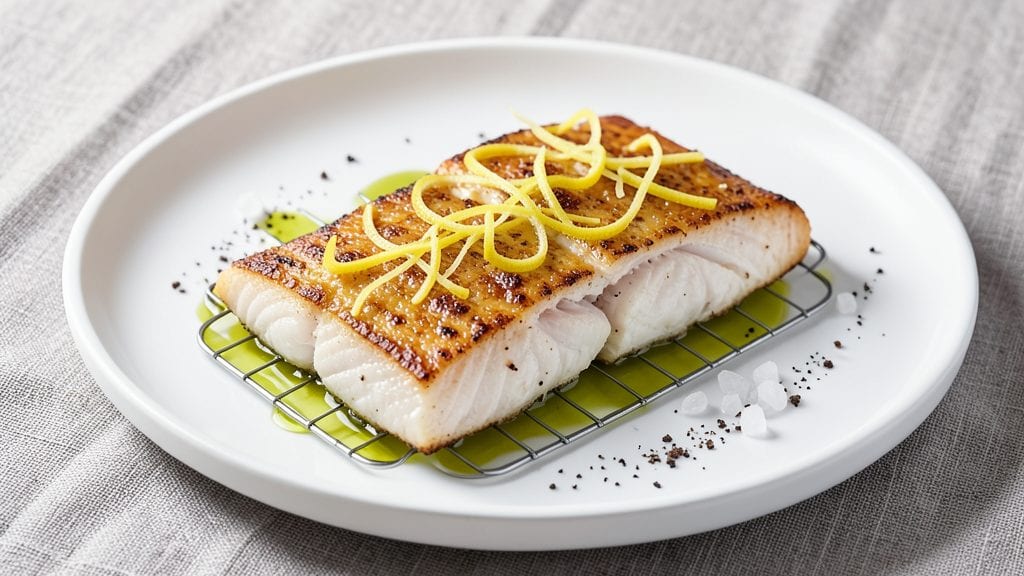
This baked lingcod recipe delivers the perfect balance of buttery crisp crust and delicate, flaky pink centers—exactly what makes restaurant-quality seafood shine at home. The secret lies in precise seasoning and high-heat baking, transforming simple ingredients into a dish that feels like a coastal fine-dining experience.
I’ve perfected this method over years of testing, ensuring the fish stays moist while developing that coveted golden crust.
What sets this recipe apart is the foolproof technique for handling lingcod, a fish that requires gentle treatment to maintain its tender texture. You’ll work with 375°F heat for 10-15 minutes, allowing the exterior to crisp while the interior remains perfectly flaky.
The right seasoning—just salt, pepper, and a touch of lemon—lets the fish’s natural sweetness take center stage, without overpowering its delicate flavor.
By the time you plate this dish, you’ll have a restaurant-worthy centerpiece with crisp edges and buttery centers that melt at the touch of a fork. The aroma alone—bright, clean, and slightly briny—will have everyone at the table anticipating that first bite.
Pair it with a lemon butter sauce or roasted seasonal vegetables to complete the meal.
This recipe is designed for confident home cooks who want professional results without fuss. The method is straightforward, but the attention to detail—like checking doneness with a gentle probe—ensures perfection every time. Whether you’re hosting a dinner party or treating yourself to a special meal, this lingcod will impress.
Ingredients for baked lingcod
Nine essential ingredients transform delicate lingcod into restaurant-worthy perfection with crisp edges and buttery centers.
| Ingredient | Amount | Notes |
|---|---|---|
| Fresh Lingcod Fillets 🐟 | 2 whole | Skin-on, 6-8 oz each fillet |
| Unsalted Butter 🧈 | ¼ cup | Cold, cut into 8 pats |
| Diamond Crystal Kosher Salt 🧂 | 1 ½ tsp | Fine grain preferred |
| Freshly Ground Black Pepper 🌶️ | ½ tsp | Coarse grind for texture |
| Lemon Zest 🍋 | 1 tsp | From 1 organic lemon |
| Extra-Virgin Olive Oil 🫒 | 1 tbsp | For drizzling on fish |
| Fresh Lemon Juice 🍋 | 1 tbsp | From same organic lemon |
| All-Purpose Flour 🌾 | 1 tbsp | For dredging butter pats |
| Fresh Parsley 🌿 | ¼ cup | Chopped, for garnish |
| Garlic Cloves 🧄 | 2 cloves | Minced, optional aroma |
The quality of your lingcod is non-negotiable for this dish. Seek out sustainably sourced fillets from reputable seafood purveyors like Whole Foods Market or Trader Joe's, where they're typically flash-frozen to maintain freshness. Look for fillets with a vibrant, translucent pink hue and minimal odor—any fishy aroma means it's past prime. Skin-on fillets are ideal as they help create that coveted crisp crust during baking. If you can't find lingcod, halibut or cod work as excellent substitutes, though texture may vary slightly. The butter should be European-style unsalted like Plugrá for superior flavor and higher fat content, which is crucial for achieving that golden crust.
Precision in seasoning elevates this dish from good to exceptional. The kosher salt should be Diamond Crystal for its fine grain, which adheres better to the fish's surface. If you're short on time, Morton's kosher salt works equally well. For the lemon, organic is preferable as it's less likely to have been waxed, preserving the zest's natural oils. Need to substitute the lemon juice? Key lime juice at half the amount provides a similar bright acidity. The olive oil should be high-quality extra-virgin with noticeable peppery notes—California-based brands like Corto or Bertolli are excellent choices. If you're including the optional garlic, roast it first to mellow its flavor and prevent bitterness, which can overpower the delicate fish.
This recipe's magic lies in its timing and temperature control. The butter pats should be chilled until ready to use to prevent melting during the baking process. Once prepared, the fish can be refrigerated for up to 2 hours before baking, making it ideal for dinner parties. The finished dish maintains its quality for 2 days when stored properly in an airtight container, though the crust loses some crispness after the first day. For optimal presentation, garnish with the fresh parsley just before serving—it adds a vibrant contrast to the golden crust and enhances the overall visual appeal. The lemon butter sauce pairing suggestion can be prepared ahead and reheated gently, maintaining its bright flavor profile.
Why You'll Love This Recipe
- Five-Ingredient Magic: I swear by this—just butter, salt, pepper, lemon zest, and the fish itself. That’s it. No fancy marinades or last-minute shopping runs. The butter melts into a golden blanket, and the lemon zest adds this bright, citrusy punch that makes it taste like a restaurant dish.
- Weeknight Approved: Between us, this is my answer to "what’s for dinner?" when I’m exhausted. Toss the fillets on a sheet pan, pop it in the oven, and forget about it. By the time I’m done folding laundry, the kitchen smells like the ocean, and dinner’s ready. (Yes, even on a Tuesday night.)
- Leftovers That Don’t Suck: Most baked fish turns rubbery the second day, but not this. The butter keeps it moist, and the salt enhances the flavor even better after a night in the fridge. I’ll pack it for lunches or reheat it gently—still buttery, still perfect. Honestly, I make extra just for this.
- Bright & Simple Elegance: No one will guess how little effort this took. The lemon zest gives it this fresh, almost Mediterranean vibe, while the black pepper adds just enough kick. It’s the kind of dish that feels special without trying too hard—great for date nights, family dinners, or when you want to impress your in-laws. (They’ll never know it’s this easy.)
Step-by-step instructions for buttery crisp crust with flaky pink centers
This technique delivers restaurant-quality texture—crisp butter crust meeting tender, moist fish.
Prepare the Lingcod for Perfect Texture
Pat the 2 whole fresh lingcod fillets completely dry with paper towels, pressing firmly to remove all moisture. This step is non-negotiable—excess water prevents the butter crust from forming properly. Place the fillets skin-side down on a wire rack set over a rimmed baking sheet. The rack allows air circulation for even cooking.
In a small bowl, combine the 1 tablespoon all-purpose flour and 1.5 teaspoons diamond crystal kosher salt. Generously season both sides of each fillet with this mixture, pressing gently to adhere. The salt will draw out moisture and enhance flavor, while the flour creates a light crust. Let the seasoned fillets rest at room temperature for 15 minutes before baking.
Create the Buttery Crust Mixture
Cut the 0.25 cup unsalted butter into 8 equal pats, each about 1 tablespoon in size. In a small bowl, mix the 0.5 teaspoon freshly ground black pepper, 1 teaspoon lemon zest, and the 2 minced garlic cloves (if using). This aromatic blend will infuse the butter with bright citrus and savory depth.
Arrange the butter pats on a plate and refrigerate while you preheat the oven to 425°F. The cold butter is essential—it prevents premature melting before the fish hits the oven. Keep the fillets on the rack during preheating to maintain their dry surface.
Assemble and Bake for Crispy Perfection
Carefully transfer each fillet to a cutting board and place a butter pat on top of each, gently pressing to create even contact. Return the fillets to the wire rack and drizzle with the 1 tablespoon extra-virgin olive oil, distributing it evenly over the butter. The oil helps the butter melt and crisp rather than steam.
Bake for 12-15 minutes until the butter is golden brown and the fish flakes easily with a fork. The crust should be crisp with a slight crunch, while the interior remains tender and flaky. Watch closely after 10 minutes—ovens vary, and you want that perfect balance between crispy exterior and moist center.
Finish with Bright Citrus and Fresh Herbs
Remove the fillets from the oven and immediately drizzle with the 1 tablespoon fresh lemon juice. This final step brightens the flavors and prevents the crust from becoming too heavy. Let the fish rest for 2 minutes before serving—this allows the juices to redistribute for maximum tenderness.
Garnish each portion with the 0.25 cup chopped fresh parsley, which adds a fresh contrast to the rich butter crust. Serve immediately with lemon wedges on the side for additional brightness. The result should be a perfect harmony of textures: crispy, buttery crust giving way to flaky, pink centers with vibrant citrus notes.
Pro Tips For Making Baked Lingcod
- Preheat Like It’s 1985: Your oven needs to hit 400°F and sit for at least 10 minutes before the lingcod goes in—no exceptions. I learned this the hard way when my first batch of butter-basted fillets came out undercooked in the middle and dry on top. Lingcod is forgiving, but not that forgiving.
- Pat Dry, Then Salt: Lingcod releases water like a sad sponge if you skip this step. Grab paper towels and press hard—get it bone-dry. Then season with ½ teaspoon of kosher salt per side before adding butter. Wet skin = steam = rubbery fish. (Yes, even if you’re impatient like me.)
- Butter in Patches, Not Rivers: Melted butter pools if you dump it all at once. Instead, dot 1 tablespoon of softened butter in small mounds over each fillet, then sprinkle lemon zest directly on top. The butter will spread just enough to crisp the skin without drowning the fish. (Pro move: Use a spoon to scoop, not your fingers—trust me.)
- Rest Under Foil: Pull the lingcod out of the oven when the internal temp hits 125°F—it’ll climb to 145°F while resting. Tent it with foil and let it sit for 5 minutes. Cutting into it too soon turns flaky into sad, crumbly mess. (Your future self will thank you.)
Flavor customization for baked lingcod
Citrus Brightness Boost
Amplify the dish's natural sweetness by doubling the lemon zest to 2 teaspoons and adding 1 tablespoon freshly grated orange zest to the butter mixture. The citrus oils infuse the butter beautifully, creating a bright, aromatic crust that complements the fish's delicate flavor.
For extra zing, finish with a lemon-orange glaze made from 1 tablespoon honey and 1 teaspoon lemon juice, drizzled over the baked fillets just before serving. 🍊
Herb-Infused Butter Variations
Swap the garlic for 1 teaspoon each of minced thyme and rosemary in the butter mixture for a Mediterranean-inspired twist. These herbs add earthy depth that pairs wonderfully with lingcod's clean flavor.
Alternatively, try 1 teaspoon smoked paprika for a subtle smokiness that enhances the crust's complexity. I recommend using fresh herbs whenever possible—their oils are more vibrant than dried.
Spicy Kick Options
For heat lovers, mix ½ teaspoon cayenne pepper or 1 teaspoon chili flakes into the butter pats. The spice cuts through the richness beautifully, creating a bold contrast that lingcod's mild flavor craves.
Balance the heat with an extra ½ teaspoon lemon zest to keep the dish from becoming too heavy. Serve with cooling sides like a cucumber-dill salad to temper the spice. 🌶️
Umami Depth Additions
Elevate the dish with 1 teaspoon fish sauce or ½ teaspoon soy sauce mixed into the butter. These ingredients add complex umami notes that enhance the lingcod's natural sweetness without overpowering it.
For a smoky depth, try ½ teaspoon liquid smoke in the butter mixture—just a whisper will transform the crust into something extraordinary. I find this works especially well with wild-caught lingcod, which has a more pronounced flavor profile.
Dairy-Free Adaptations
Replace the butter with vegan butter (like Miyoko's) or olive oil for a dairy-free version. Brush the fillets with 2 tablespoons olive oil mixed with 1 teaspoon lemon zest and ½ teaspoon garlic powder before baking.
The result is a golden, crisp crust that's still rich and flavorful. Garnish with extra lemon wedges to maintain the dish's bright, citrusy character. This version works beautifully for vegan diets while keeping the same restaurant-quality texture.
Seasonal Vegetable Toppings
Add thinly sliced asparagus or shaved fennel on top of the butter pats for a spring-inspired variation. The vegetables roast alongside the fish, creating a harmonious medley of flavors and textures. For autumn, try caramelized onions or roasted mushrooms—their deep, savory notes complement the lingcod perfectly.
Season the toppings with a pinch of salt and pepper before baking to ensure they crisp up alongside the butter crust. 🍄
Nutrition facts
Frequently asked questions
Can I use frozen lingcod for this recipe?
Thaw frozen lingcod fillets overnight in the refrigerator, sealed in their original packaging. Never thaw at room temperature—this can promote bacterial growth. Once thawed, pat the fillets completely dry with paper towels before seasoning, as any excess moisture will prevent the butter crust from forming properly. The texture difference between fresh and properly thawed frozen lingcod is minimal when cooked this way.
How do I know when the lingcod is fully cooked?
Use a fork to gently probe the thickest part of the fillet—it should flake easily with minimal resistance. The internal temperature should reach 145°F at the thickest point. The crust will be golden brown, and the fish should pull away cleanly from the skin. Overcooking by even 1-2 minutes can make the fish dry, so watch closely after 10 minutes in the oven.
What's the best way to reheat leftover baked lingcod?
Reheat gently in a 350°F oven for 5-7 minutes on a wire rack over a baking sheet to maintain crispness. Avoid microwaving—it turns the crust soggy. For extra crispiness, broil for 1-2 minutes at the end, watching closely to prevent burning. Serve immediately with fresh lemon wedges to restore brightness.
Can I make this recipe ahead of time?
Yes! Assemble the seasoned fillets with butter pats up to 2 hours ahead and refrigerate uncovered. Bring to room temperature for 15 minutes before baking to ensure even cooking. The crust won't be as crisp as freshly baked, but the flavor remains excellent. For best results, bake and serve immediately if possible.
What sides pair best with this dish?
Light, bright sides complement the rich butter crust perfectly. Try roasted asparagus with lemon zest, sautéed garlic spinach, or a cucumber-avocado salad> with lime dressing. For a heartier meal, serve with wild rice pilaf> or crusty bread**> to soak up the lemon butter sauce. The key is balancing textures—crisp vegetables or cool salads work best.