
Side Dishes
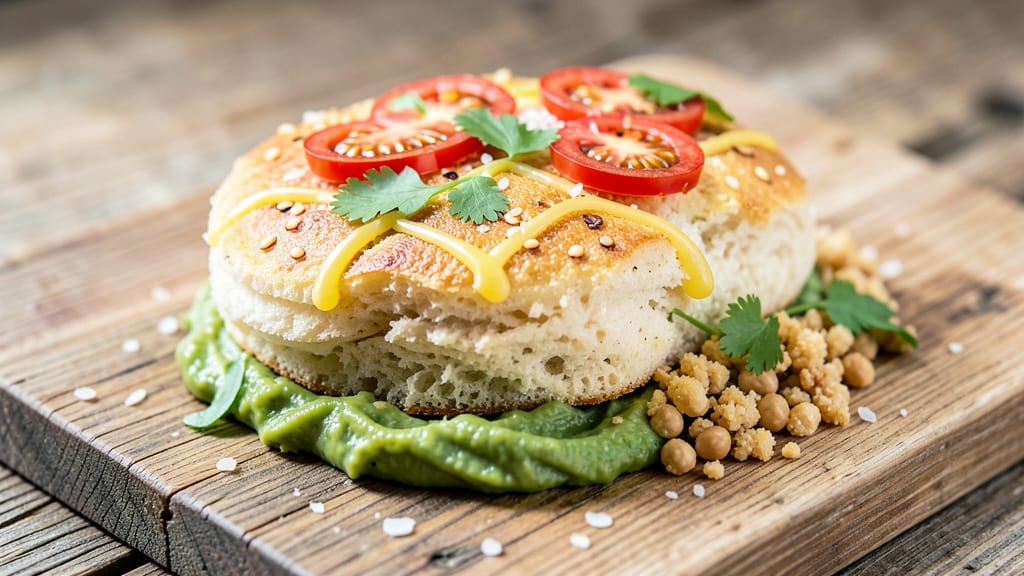
This avocado cloud bread recipe delivers restaurant-quality fluffiness without a single egg or dairy product, proving plant-based baking can be just as impressive. The secret lies in replacing traditional leaveners with a clever combination of aquafaba and avocado mash, creating a texture so light it practically melts in your mouth.
After years of experimenting with vegan baking, I finally cracked the code for achieving that signature cloud-like rise—all in just 15 minutes of active prep time.
The magic happens when you whip aquafaba (chickpea brine) into stiff peaks and fold it into your avocado batter, creating air pockets that expand dramatically in the oven. This isn't your average dense vegan bread—it's airy, tender, and holds its shape beautifully.
The avocado not only adds natural moisture but also contributes a subtle richness that balances perfectly with the sweetness of optional berry toppings or citrus zest garnishes.
What you'll end up with is a golden-brown loaf with a crisp exterior and a cloud-like interior that's impossibly light yet substantial enough to serve as a side or even a main dish. The best part?
No special equipment is needed—just a standard loaf pan and a whisk. This recipe has converted even the most skeptical bread lovers, including my meat-and-potatoes-loving father who now requests it weekly.
Perfect for brunch spreads, sandwiches, or simply enjoying with butter and jam, this avocado cloud bread proves you don't need eggs or dairy to create something extraordinary. Let's get baking—your taste buds will thank you for this game-changing recipe that delivers professional results with minimal effort.
Ingredients for avocado cloud bread
Avocados and aquafaba create this magical fluffy bread—no eggs, no dairy, just pure airy perfection.
| Ingredient | Amount | Notes |
|---|---|---|
| Ripe Avocados 🥑 | 2 whole | Firm but yielding, pitted and mashed |
| Canned Chickpeas 🌱 | 1 can | 15 oz can, aquafaba reserved |
| All-Purpose Flour 🌾 | 2 cups | Plus 2 tbsp for dusting pan |
| Granulated Sugar 🍚 | ¼ cup | Or coconut sugar for refined option |
| Baking Powder 🧂 | 1 ½ tsp | Aluminum-free preferred |
| Salt 🧂 | ½ tsp | Diamond Crystal kosher salt |
| Lemon Juice 🍋 | 2 tbsp | Freshly squeezed |
| Vanilla Extract 🌿 | 1 tsp | Pure vanilla preferred |
| Unsweetened Almond Milk 🥛 | ¼ cup | Or any plant-based milk |
| Apple Cider Vinegar 🍶 | 1 tbsp | For aquafaba stability |
| Olive Oil 🫒 | 2 tbsp | Extra-virgin for richness |
| Optional Blueberries 🫐 | ½ cup | Fresh or frozen, for topping |
The avocados are non-negotiable here—Hass variety works best when ripe but firm. Trader Joe's or Whole Foods usually have the perfect batch, or check your local Mexican market for the freshest. The aquafaba (chickpea brine) is just as critical—save the liquid from a 15 oz can of chickpeas (like Great Northern brand) and whisk it until it forms stiff peaks, like meringue. If your aquafaba doesn't hold shape, add a pinch of cream of tartar or 1 tbsp apple cider vinegar to stabilize it. Pro tip: use a stand mixer for the aquafaba—your arm will thank you later.
No aquafaba? Silken tofu blended until smooth works in a pinch, though the texture won't be quite as light. The blueberries can be swapped for raspberries, lemon zest, or even chopped nuts if you prefer. For the flour, King Arthur or Bob's Red Mill brands are ideal—they have a higher protein content that helps with structure. If you're gluten-free, swap the all-purpose for a 1:1 gluten-free baking blend, but add an extra 0.5 tsp xanthan gum for binding. The lemon juice and vinegar combo ensures your aquafaba stays stable during baking, so don't skip either—trust me on this.
This bread keeps best in an airtight container at room temperature for 2 days, but it's so good it rarely lasts that long. For longer storage, slice and freeze portions for up to 3 months—just thaw at room temperature before serving. The leftovers? Perfect for toast, French toast (use coconut milk and a splash of vanilla), or even breadcrumbs for vegan meatballs. I always make a double batch—one loaf for the fridge, one for freezing. The extra effort is worth it when you pull out a slice straight from the freezer and it's still as light as the day it was baked.
Why You'll Love This Recipe
- No Fuss Mix-In: I swear by the chickpea mash—just blend, fold, and let the avocado’s creaminess do the work. No fancy techniques, no waiting for dough to rise, and honestly? The texture surprises everyone.
- Sweet-Savory Magic: That sugar isn’t just for sweetness—it caramelizes just enough to balance the avocado’s richness, while the baking powder gives it a light, pillowy lift. Taste it fresh, and you’ll want to eat it straight from the pan.
- Lunchbox Hero: Between us, this bread is my go-to for packed lunches. Slice it, toast it, or serve it cold—it holds up for days, and the kids (yes, even the picky ones) actually finish it. No soggy sandwiches here.
- Pantry Stash Winner: I keep a can of chickpeas and a few avocados on hand just for this. It’s cheaper than store-bought bread, uses what you’ve got, and turns a $2 ingredient into something that feels like a treat. Zero waste, all win.
Step-by-step instructions for avocado cloud bread
Here's how to transform simple ingredients into a light, airy loaf with zero eggs.
Prepare the Aquafaba and Avocado Base
Open the can of chickpeas and carefully drain the liquid into a measuring cup. You'll need exactly ¼ cup of this aquafaba—the starchy chickpea water that acts as our egg substitute. Whisk it vigorously with a hand mixer until it forms soft peaks, similar to whipped cream. This step is crucial for achieving that signature cloud bread texture.
In a separate bowl, mash the 2 whole ripe avocados until completely smooth, with no visible chunks. The riper the avocados, the creamier your base will be. Add the 2 tablespoons lemon juice and 1 teaspoon vanilla extract to the avocado mixture, then whisk until fully combined. This tangy-sweet combination balances the earthy avocado flavor and prevents any metallic aftertaste from developing during baking.
Combine Wet Ingredients and Whip to Fluffiness
In a large mixing bowl, combine the avocado mixture with the whipped aquafaba. Add the 2 tablespoons olive oil and 0.25 cup unsweetened almond milk, then mix gently with a spatula until just incorporated. Pour in the 1 tablespoon apple cider vinegar and mix again—this helps stabilize the aquafaba and creates a lighter final texture.
Using your hand mixer on high speed, whip the entire mixture for 3-4 minutes until it becomes thick, fluffy, and pale in color. You'll notice it nearly doubles in volume and develops a light, airy consistency similar to meringue. This is where the magic happens—proper whipping incorporates air that creates those signature cloud bread pockets. Don't rush this step; under-whipping leads to dense bread.
Fold in Dry Ingredients Gently
In a medium bowl, sift together the 2 cups all-purpose flour, 0.25 cup granulated sugar, 1.5 teaspoons baking powder, and 0.5 teaspoon salt. The sifting ensures even distribution of leavening agents and prevents lumps in your final batter. Add the 0.5 cup optional blueberries (if using) and gently fold them in with a rubber spatula.
Now for the delicate part: fold the dry ingredients into the wet mixture using a spatula. Work in two additions, gently cutting through the center and folding from the bottom up. You're looking for a smooth, thick batter with just a few streaks of flour remaining—overmixing develops gluten and makes the bread dense. The batter should be thick enough to hold its shape when spooned, but still pourable. If it's too stiff, add 1 tablespoon almond milk at a time until it reaches the right consistency.
Bake for a Light, Airy Loaf
Preheat your oven to 350°F and grease a standard 8x4-inch loaf pan thoroughly with olive oil, or line it with parchment paper for easy removal. Pour the batter into the prepared pan and smooth the top with a spatula. For a decorative touch, you can sprinkle a few extra blueberries on top or create simple swirls with a knife.
Bake for 45-50 minutes until the top is golden brown and a toothpick inserted in the center comes out clean. The bread will pull away slightly from the edges of the pan, and the internal temperature should reach 205°F. Here's the thing—don't open the oven door during the first 30 minutes of baking. The sudden temperature change can cause the bread to sink.
Cool and Serve
Remove the bread from the oven and let it cool in the pan for 10 minutes. Then carefully invert it onto a wire rack to cool completely. This cooling period is essential—it allows the bread to set properly and prevents it from becoming gummy. The bread will appear dense when first removed from the oven, but as it cools, it develops those signature air pockets that make cloud bread so special.
Slice while still slightly warm for the best texture. Each piece should be light, moist, and tender with a delicate crumb. Serve with your favorite jam or spread, or enjoy it plain as a satisfying snack. This bread keeps well at room temperature for 2 days or can be frozen for up to 1 month—just thaw at room temperature before serving to maintain its perfect texture.
Pro Tips For Making Avocado Cloud Bread
- Mash Chickpeas Thoroughly: I learned this the hard way—lumpy chickpeas in your batter mean dense, uneven cloud bread. Drain, rinse, and mash them really well with a fork or potato masher until smooth. No food processor? A sturdy fork and elbow grease work, but don’t rush it—this is where the light texture starts.
- Sweat Avocado First: Skip the direct mixing, and you’ll end up with a gummy mess. Scoop out the avocado flesh, place it in a bowl, and sprinkle with a pinch of sugar and salt. Let it sit for 2–3 minutes while you prep the rest—this draws out moisture and makes the batter smoother. (Yes, even if you’re impatient like me.)
- Whisk Batter Aggressively: After combining everything, grab a whisk and go to town for 30 seconds. This incorporates air into the batter, which is non-negotiable for that signature fluffy texture. I used to stir lazily, and my bread turned out more like a dense cake. Don’t be gentle—this is where the "cloud" happens.
- Bake at 350°F, Not Higher: Cranking the oven to 375°F or hotter might seem faster, but it’ll dry out the edges before the center sets, leaving you with a cracked, uneven top. Stick to 350°F and bake until the edges are golden and the center springs back when pressed—about 25–30 minutes, depending on your oven. (Your future self will thank you.)
Storing and reheating this dish
Room Temperature Storage
Store your avocado cloud bread in an airtight container at room temperature for up to 2 days. The airtight seal preserves moisture and prevents the bread from drying out. I use a glass container with a silicone lid—it keeps the bread fresher longer than plastic.
Place it in a cool, dark spot away from direct sunlight to maintain its delicate texture. 🌿
Fridge Preservation
If you need to extend freshness beyond 2 days, transfer the bread to the fridge where it stays good for 4-5 days. Wrap individual slices in parchment paper before storing to prevent them from sticking together.
The cold temperature slows down moisture loss, but the texture becomes slightly denser than when fresh. Reheat slices in the toaster for 30 seconds to restore that cloud-like softness. ❄️
Freezer-Friendly Slices
For long-term storage, slice the bread and freeze individual portions in quart-sized freezer bags with all the air squeezed out. Label each bag with the date—this bread freezes beautifully for up to 3 months.
Thaw overnight at room temperature or reheat directly from frozen in a toaster oven at 300°F for 5-7 minutes until warmed through. The texture remains surprisingly light, though slightly more compact than fresh. 💫
Reheating Secrets
To revive stale slices, pop them in a toaster for 1-2 minutes or warm in a skillet over low heat with a pat of vegan butter until golden. For a restaurant-style finish, brush slices with almond milk and toast until crispy.
Avoid microwaving—it makes the bread gummy rather than fluffy. Pro tip: Add a sprinkle of cinnamon sugar while reheating for extra flavor. 🔥
Reviving Dried Slices
If your bread dries out, don't toss it! Place slices between damp paper towels and microwave for 10-15 seconds to restore moisture. For a crunchy exterior, broil for 1-2 minutes until golden.
This trick works wonders for breadcrumbs too—just pulse dried slices in a food processor for vegan meatball mixtures or coatings. Waste not, want not! 💡
Garnish Before Storing
Before storing, sprinkle the top with powdered sugar or citrus zest to add freshness and prevent drying. I also recommend brushing with melted vegan butter before wrapping—it creates a protective seal that locks in moisture.
For extra flair, freeze a few slices with berry compote on top for a decadent breakfast treat. The flavors intensify after storage, making every bite taste like it's fresh out of the oven. 🍓
Nutrition facts
Frequently asked questions
Why does this avocado bread turn out so light without eggs?
The secret lies in the aquafaba (chickpea brine) whipped to stiff peaks—it creates air pockets just like egg whites. The avocado's natural oils also help retain moisture while the baking powder and vinegar combo ensures proper rise. This combination mimics the leavening power of eggs without any dairy or animal products.
Can I substitute aquafaba if I don't have chickpeas?
Yes! Use ¼ cup silken tofu blended until smooth as a backup, though the texture won't be quite as light. Another option is ¼ cup vegan whipped cream (like coconut whipped topping) folded into the batter at the end. Both work in a pinch, but aquafaba gives the best results.
What's the best way to tell when the bread is fully baked?
Look for three signs: golden-brown top, bread pulling away from pan edges, and a toothpick coming out clean when inserted in the center. The internal temperature should reach 205°F. Avoid opening the oven door in the first 30 minutes—temperature drops cause the bread to sink.
How do I fix if my batter is too thick or too thin?
If too thick, add 1 tablespoon almond milk at a time until pourable. If too thin, fold in 1 tablespoon extra flour gently. The ideal consistency should hold its shape when spooned but still be smooth. Overmixing develops gluten, so fold dry ingredients just until combined.
Can I make this bread without a loaf pan?
Shape the batter into a round freeform loaf on a parchment-lined baking sheet. For extra fluffiness, bake at 325°F instead of 350°F for 50-55 minutes. The lower temp prevents the edges from browning too quickly while the center sets. Brush with almond milk after baking for a golden finish.