
Main Courses
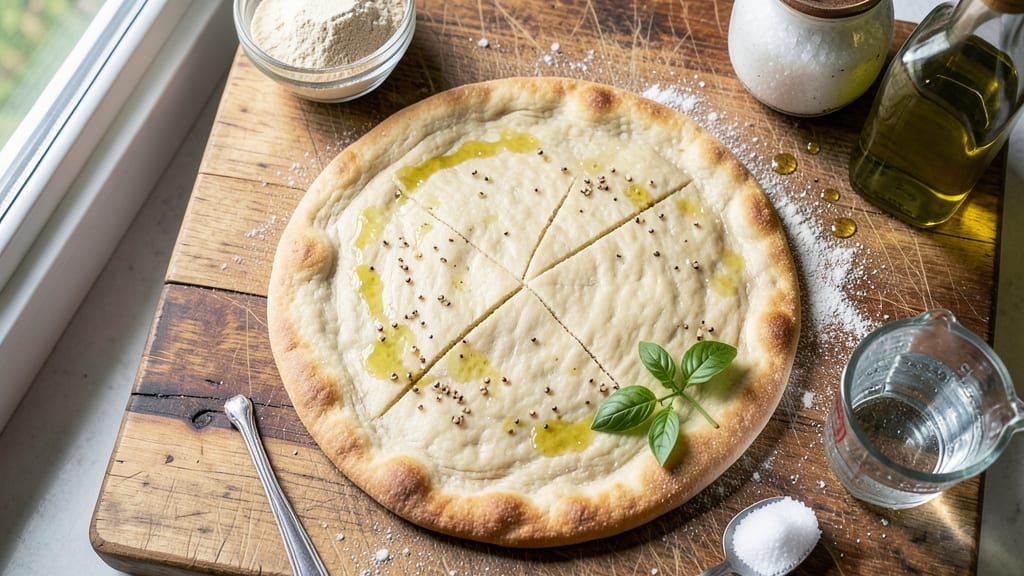
This authentic New York-style pizza dough recipe begins with a precise method balancing low hydration, long fermentation, and minimal handling to craft that iconic chewy crust.
The key lies in using type 00 flour and letting the dough rest twice—first for autolyse, then during bulk fermentation—while maintaining a tight, smooth texture. This isn’t just dough; it’s the foundation for a pizza that delivers that iconic fold and snap.
The professional approach begins with a 58% hydration ratio (just enough water to bind the flour without making the dough sticky), combined with a touch of olive oil for structure.
After mixing, the dough undergoes a 90-minute autolyse to develop gluten naturally, followed by a 4-6 hour bulk fermentation at room temperature. This slow rise creates the open crumb structure and subtle tang that defines authentic New York-style pizza.
What sets this dough apart is its chewy yet airy texture—achieved through precise timing and temperature control. The dough should feel slightly tacky but not sticky when shaped, with a surface that springs back slowly when poked.
This method ensures a crust that’s crisp at the edges while remaining soft and pliable in the center, even after baking.
Once you master this dough, you’ll understand why New York-style pizza stands apart—it’s all in the foundation. The recipe delivers restaurant-quality results at home, with a dough that’s ready for your favorite toppings or classic New York slices. Let’s get started on the perfect crust.
Ingredients for authentic new york style pizza dough
Precision ingredients for a dough that delivers that iconic New York chew and fold.
| Ingredient | Amount | Notes |
|---|---|---|
| Type 00 Pizza Flour 🌾 | 3 ½ cups | High-protein, finely milled for elasticity |
| Diamond Crystal Kosher Salt 🧂 | ½ tsp | Fine grain for even dissolution |
| Extra-Virgin Olive Oil 🫒 | ¼ cup | Light, fruity variety for structure |
| Active Dry Yeast 🍞 | ¼ tsp | Freshly opened for viability |
| Granulated Sugar 🍚 | ¼ tsp | Feeds yeast for activation |
| Cold Water 💧 | 1 ¼ cups | Chilled to 55°F for controlled fermentation |
| Cornmeal 🌽 | ½ cup | For dusting work surface |
| Semolina Flour 🌾 | ¼ cup | For dusting pizza peel |
The type 00 pizza flour is non-negotiable—its high gluten content and fine grind create the signature chewy texture. Caputo or King Arthur Authentic Neapolitan are gold standards, but any quality type 00 will work. Avoid bread flour; it lacks the delicate elasticity needed. The Diamond Crystal kosher salt is preferred for its fine grain—it dissolves completely without leaving gritty residue. For the olive oil, opt for a light, fruity extra-virgin like Colavita or Bertolli; avoid heavy, peppery varieties that can overpower the dough's subtle flavors. Yeast is the engine of fermentation, so use freshly opened active dry yeast—older yeast loses potency and can lead to inconsistent rises.
No type 00 flour? All-purpose flour plus 1 tbsp vital wheat gluten mimics the protein structure, though results won't be identical. Substituting bread flour will yield a denser, less elastic dough. For the olive oil, avocado oil works in a pinch but lacks the fruity depth. The sugar can be omitted if you're strict about authenticity, but it ensures the yeast activates quickly. If your yeast isn't fresh, proof it in warm water first—drop it in a glass of warm water with a pinch of sugar; if it foams within 5 minutes, it's viable. The cold water is critical—it slows fermentation initially, allowing for better gluten development during autolyse.
Store the type 00 flour in an airtight container in a cool, dark place for up to 6 months—exposure to light or heat degrades its quality. The yeast should be kept in the freezer for long-term storage to preserve viability. Once mixed, the dough can rest in the fridge for up to 24 hours before shaping, which actually improves flavor. For best results, shape and bake immediately after the bulk fermentation. The cornmeal and semolina should be kept in separate containers to avoid cross-contamination, and they’ll last indefinitely in the pantry.
Why You'll Love This Recipe
- No-Fuss Dough: I swear, this dough comes together faster than my coffee brews—just mix, let it rise, and you’re golden. That Type 00 flour does all the heavy lifting, so you don’t have to fuss with kneading like some old-school recipes demand.
- Crispy-Chewy Magic: The secret’s in the olive oil and kosher salt—this dough gets that iconic New York crunch without burning. One bite of that charred edge with a pillowy center, and you’ll understand why people travel for this.
- Weeknight Superstar: Between us, I make this dough on Sundays and freeze half for lazy nights. Whether it’s a quick weeknight slice or a game-day spread, it’s always ready when I am.
- Budget-Friendly Staple: A bag of 00 flour and a pinch of yeast stretch farther than you’d think. Honestly, I’ve fed a crowd of six for under $10 with this dough—no fancy ingredients, just pure, satisfying pizza.
Step-by-step instructions for authentic New York style pizza dough
Master the art of creating that iconic chewy, foldable crust with this precise method.
Activate the Yeast for Optimal Fermentation
In a small mixing bowl, combine the 1.25 cups cold water, 0.25 tsp granulated sugar, and 0.25 tsp active dry yeast. The water should be chilled to 55°F—this controlled temperature ensures gentle yeast activation without overproofing. Let this mixture sit for 5-10 minutes until you observe small bubbles forming on the surface and a slightly foamy texture develops. This confirms the yeast is alive and ready to work.
Here's the thing—if the mixture doesn't bubble within 10 minutes, your yeast may be inactive. Discard it and start fresh with a new packet. Fresh yeast is non-negotiable for authentic results. Once activated, proceed immediately to avoid overproofing during the dough development stage.
Develop the Dough with Proper Hydration and Kneading
In the bowl of a stand mixer fitted with the dough hook attachment, combine the 3.5 cups type 00 pizza flour and 0.5 tsp diamond crystal kosher salt. Mix on low speed for 30 seconds to distribute the flour evenly. Create a well in the center and pour in the yeast mixture along with the 0.25 cup extra-virgin olive oil. The olive oil adds structure while keeping the dough tender—this is what gives New York-style pizza its signature chewiness.
Attach the dough hook and knead on medium speed for 8-10 minutes until the dough forms a smooth, elastic ball that cleans the sides of the bowl. You'll know it's ready when it springs back slowly when poked—this indicates proper gluten development. If the dough feels too sticky, add 1 tablespoon of type 00 pizza flour at a time until it reaches a workable consistency. Overhandling develops too much gluten, resulting in a tough crust.
Bulk Ferment for Maximum Flavor Development
Lightly grease a large mixing bowl with a small amount of olive oil and transfer the dough to it. Cover loosely with plastic wrap and place in a warm environment—75-78°F is ideal. This controlled temperature allows for a 2-3 hour bulk fermentation, during which the dough should roughly double in size. You're looking for a dough that's airy and slightly jiggly when gently shaken.
Here's where patience pays off: resist the urge to rush this step. The slow fermentation develops complex flavors and creates that signature open crumb structure. After 2 hours, perform a windowpane test—wet your finger and press it into the dough. If it stretches thin enough to see light through without tearing, it's ready. If not, give it another 30 minutes and test again. Underproofed dough collapses during baking; overproofed dough loses structure.
Shape and Final Proof for Perfect Texture
Turn the dough out onto a surface lightly dusted with 0.5 cup cornmeal—this prevents sticking and adds a subtle flavor. Divide the dough into 4 equal pieces (about 8 ounces each) and shape each into a tight ball. To shape properly, cup your hand around a piece of dough, press down gently with your palm, then quickly roll it toward you while rotating your wrist to create surface tension. This creates that signature tight, smooth ball that opens beautifully in the oven.
Place the shaped dough balls on a floured surface, cover with a damp towel, and let them rest for 30 minutes at room temperature. This brief rest relaxes the gluten, making them easier to stretch without tearing. For best results, use the dough within 24 hours—fresh dough yields the most authentic texture and flavor. If storing overnight, refrigerate the balls in an airtight container and let them come to room temperature before shaping.
Prepare for Baking with Proper Dusting
Preheat your pizza oven or home oven to 500°F with a pizza stone or steel inside. While it heats, dust your pizza peel generously with 0.25 cup semolina flour—this creates the perfect release and adds that characteristic crispness to the crust's bottom. The semolina also prevents sticking better than regular flour due to its higher protein content. Work quickly once the dough is stretched to maintain its elasticity and prevent overproofing.
When ready to bake, stretch a dough ball by hand or using a rolling pin to create a 12-inch round, keeping the edges slightly thicker than the center. This thickness ensures a chewy crust while allowing the center to cook through. The dough should be thin enough that you can see light through it when held up to a window—this creates that iconic crispy-yet-chewy texture. Transfer the stretched dough to the preheated stone or steel and bake for 90-120 seconds until the crust is golden brown with charred spots in places.
Pro Tips For Making Authentic New York Style Pizza Dough
- MEASURE YEAST BY WEIGHT: I learned this the hard way—using the "spoon-and-eye" method for yeast leads to inconsistent dough. Weigh 0.025 oz (0.7g) of active dry yeast per 500g of flour. That tiny difference keeps your dough from either flopping like a sad pancake or rising like a zeppelin.
- DISOLVE SUGAR FIRST: Skip mixing sugar directly into flour—it clumps like a stubborn child refusing to share. Dissolve the 1 tsp granulated sugar in the warm water (95-105°F) first, then add yeast. This guarantees even activation and saves you from kneading a lumpy mess.
- STRETCH, DON’T ROLL: Resist the urge to roll this dough like a Neapolitan—New York style demands a slack-tension stretch. Gently press the dough ball from the center outward, then let it rest 10 minutes before your final stretch. This creates that signature thin, airy crust without tearing.
- SALT THE WATER: I was skeptical until I tried it—adding 1 tsp Diamond Crystal kosher salt to the yeast water (not just the dough) makes a real difference. It seasons the dough from the start and prevents that bland, floury aftertaste that ruins an otherwise perfect slice.
Dietary considerations for this recipe
Gluten-Free Adaptation
For a gluten-free version, replace the type 00 pizza flour with a 1:1 gluten-free pizza flour blend like King Arthur Measure for Measure or Bob’s Red Mill 1-to-1 Gluten-Free Baking Flour. Add 1 tablespoon xanthan gum per cup of flour to mimic gluten’s elasticity.
The hydration ratio should increase to 65% (about 1.4 cups water for 3.5 cups flour) since gluten-free flours absorb more moisture. Let the dough rest for 15 minutes after mixing to hydrate fully before shaping. 🌾
Lower-Carb Option
Cut carbs by using almond flour or coconut flour as partial substitutes—mix 2 cups type 00 flour with 1.5 cups almond flour and reduce water to 1 cup (hydration ratio of 45%).
The dough will be drier; add 1 extra tablespoon olive oil for bind. Bake at 525°F for 8-10 minutes to prevent burning. This version works best for thin-crust pizzas.
Dairy-Free Adjustments
Skip the olive oil if avoiding all dairy-derived fats, but I recommend avocado oil or refined coconut oil instead—they mimic the dough’s tenderizing effect. For a vegan yeast option, use Red Star Vegetarian Active Dry Yeast (ensure it’s certified vegan).
The dough’s texture remains identical, but the crust may crisp slightly faster due to oil differences. Always check labels for hidden dairy in flour blends.
Soy-Free & Nut-Free
If avoiding soy or nuts, stick to the original recipe but verify your type 00 flour is certified soy-free (some brands process in soy facilities). For extra insurance, use Caputo Pizzeria flour, which is typically soy-free.
The olive oil in the recipe is naturally soy-free, but check labels if using store-brand oils. Always cross-contaminate prevention by using separate utensils for soy-containing ingredients.
Allergen-Friendly Tips
For egg-free or nut-free kitchens, dedicate a clean work surface and tools to pizza dough prep. Use a dedicated stand mixer or wipe attachments thoroughly with alcohol wipes before use. Store gluten-free flour blends in airtight containers with labels to prevent mix-ups.
When baking, use a clean pizza stone (soak in hot water, scrub, and dry completely) to avoid cross-contamination from previous bakes.
Nutrition facts
Frequently asked questions
Why does New York-style dough need such a long fermentation?
The extended 4-6 hour bulk fermentation develops complex flavors and creates that signature open crumb structure. This slow rise allows gluten to relax naturally, resulting in a chewy yet airy crust with perfect elasticity. Skipping this step often leads to a dense, tough pizza.
Can I make this dough ahead of time?
Yes! Shape the dough into balls and refrigerate them in an airtight container for up to 24 hours. Let them come to room temperature before shaping. Cold fermentation actually enhances flavor—just add 1-2 extra hours to the bulk fermentation time when using cold dough.
What if my dough feels too sticky?
Add 1 tablespoon of type 00 flour at a time until it reaches a workable consistency—just slightly tacky to the touch. Overhandling with extra flour can make the crust tough. The dough should spring back slowly when poked, not stick to your fingers immediately.
How do I know when the dough is fully proofed?
Perform the windowpane test: wet your finger and press it into the dough. If it stretches thin enough to see light through without tearing, it's ready. The dough should also feel slightly jiggly when shaken gently. Underproofed dough collapses; overproofed dough loses structure.
Can I use bread flour instead of type 00?
Not for authentic results—bread flour has higher protein that creates a denser, less elastic crust. For a substitute, mix 3.5 cups all-purpose flour with 1 tbsp vital wheat gluten to mimic type 00's protein structure. The texture won't be identical, but it's the closest alternative.