
Sauces & Condiments
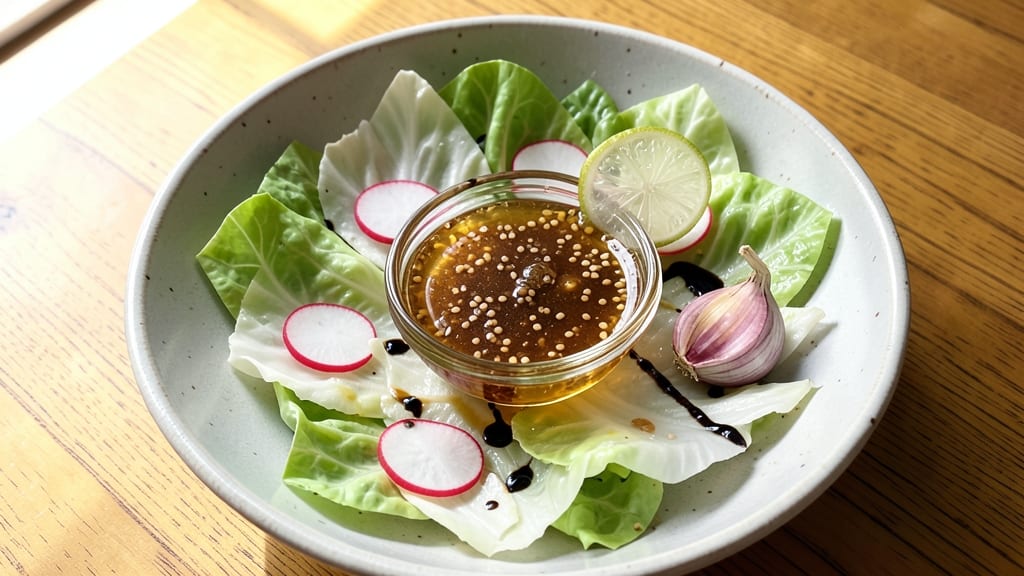
This Asian cabbage salad dressing recipe transforms simple greens into a vibrant, umami-rich experience with just six ingredients and 10 minutes of prep.
The secret lies in balancing sweet, salty, and nutty flavors—sesame oil, rice vinegar, and a touch of honey create depth while fresh ginger and garlic add aromatic complexity. I developed this dressing after discovering how a simple vinaigrette could elevate store-bought cabbage into a restaurant-worthy side dish.
The beauty of this recipe is its versatility—it works equally well on crisp cabbage salads, as a marinade for grilled meats, or as a dipping sauce for spring rolls. The sesame seeds add satisfying crunch, while the ginger-garlic base ensures every bite delivers bright, fresh flavor.
Unlike store-bought dressings, this version stays fresh in the fridge for up to 5 days, making it perfect for meal prep.
What sets this dressing apart is the perfect harmony of textures and tastes: the tangy vinegar cuts through richness, the sesame oil adds nuttiness, and the ginger brings subtle heat.
The result is a dressing that clings beautifully to cabbage leaves, enhancing their natural crunch while adding layers of flavor. This isn't just a dressing—it's the star of your salad.
Use it immediately on Asian-inspired salads or store it for later—either way, you'll never go back to bottled dressings. The recipe scales effortlessly, so double the batch for parties or leftovers. Here's how to make it:
Ingredients for asian cabbage salad dressing
Six simple ingredients blend into a dressing that transforms ordinary cabbage into a restaurant-worthy dish.
| Ingredient | Amount | Notes |
|---|---|---|
| Sesame Oil 🫒 | ¼ cup | Toasted sesame oil for nuttiness |
| Rice Vinegar 💧 | ⅓ cup | Unseasoned for authentic tang |
| Honey 🍯 | 2 tbsp | Light amber for balanced sweetness |
| Fresh Ginger 🧄 | 1 tbsp | Finely grated, aromatic base |
| Garlic Cloves 🧄 | 2 cloves | Minced, fresh for bright flavor |
| Toasted Sesame Seeds 🥜 | 1 tbsp | For crunchy texture finish |
| Soy Sauce 🥢 | 1 tbsp | Light or regular preferred |
| Salt 🧂 | ½ tsp | Fine sea salt for seasoning |
The sesame oil is non-negotiable—Kadoya or La Tourangelle brands deliver the richest flavor. Look for toasted varieties at Asian markets or the international aisle of major grocery stores like Whole Foods. Fresh ginger and garlic should be vibrant, not shriveled—organic produce sections usually carry the best quality. The rice vinegar needs to be unseasoned; Mizkan is my go-to, but any clear vinegar works. For the honey, light amber gives the perfect balance of sweetness without overpowering the umami notes.
No sesame oil? Peanut oil or walnut oil can substitute, though the flavor profile shifts slightly. Short on rice vinegar? Apple cider vinegar plus 1 tsp sugar mimics the tang. The ginger can be substituted with 1/2 tsp ground ginger, but fresh is ideal for that bright zing. For extra umami without soy sauce, 1 tsp fish sauce works wonders. The sesame seeds are optional but add that satisfying crunch—toast them in a dry pan for 1 minute before adding to enhance their flavor.
This dressing stays fresh for 5 days in an airtight container in the fridge. For longer storage, transfer to a clean jar and freeze for up to 3 months. The sesame oil may separate—just whisk vigorously before using. Double the batch and store half for later; it's perfect for meal prep and keeps the flavors vibrant. Use within 2 days of opening if you've added the sesame seeds, as they lose their crunch over time.
Why You'll Love This Recipe
- Five-Ingredient Magic: I swear, this dressing comes together faster than I can say "sesame oil." Just toss those five things in a jar, give it a shake—boom, flavor ready. No chopping, no fuss, just pure convenience.
- Umami Bomb: That first hit of garlic and ginger? Chef’s kiss. The honey rounds it out so smoothly, it’s like someone took all the best parts of Asian takeout and bottled them—crisp, tangy, with just enough warmth to make you go back for more.
- Meal Prep MVP: Make a big batch and keep it in the fridge for weeks. Drizzle it over cold noodles, toss it with grilled chicken, or even use it as a marinade. It’s my secret weapon for turning boring lunches into something exciting without extra effort.
- Budget-Friendly Flex: Sesame oil and rice vinegar stretch forever, and ginger/garlic last ages in the freezer. Honestly, for how much this costs, I’d call it a steal—especially when it makes even the simplest salad taste like it’s from a high-end restaurant.
Step-by-step instructions for Asian cabbage salad dressing
This umami-rich vinaigrette comes together in minutes with simple techniques.
Prepare the Aromatic Base
In a small bowl, combine the 0.33 cup rice vinegar, 2 tablespoons honey, 1 tablespoon soy sauce, and 0.5 teaspoon salt. Whisk vigorously for 30 seconds until the honey dissolves completely. The mixture should become smooth and slightly syrupy, with no visible graininess. This balance of acidity, sweetness, and salt creates the foundational flavor profile.
While whisking, taste the mixture and adjust the salt if needed—this is your flavor baseline. The rice vinegar should provide a bright tang, while the honey adds depth without overpowering. Set this mixture aside temporarily as you prepare the remaining ingredients.
Grate and Mince the Fresh Ingredients
Using a fine grater, finely grate the 1 tablespoon fresh ginger—you should end up with about 1 teaspoon of grated ginger. The goal is to release its aromatic oils without making it fibrous. In a separate small bowl, combine the grated ginger with the 2 cloves garlic cloves, which should be minced into a fine paste using a knife or garlic press.
This step is crucial for building the dressing's depth. The ginger adds warmth, while the garlic contributes a sharp brightness. Don't skip the mincing—garlic cloves left whole will create an uneven texture in the final dressing. Once combined, set these aromatics aside to infuse into the mixture.
Whisk the Dressing to Emulsification
Return to the bowl with the vinegar-honey mixture and add the grated ginger and minced garlic. Whisk continuously for 1 minute until fully incorporated. The mixture should now have a vibrant, aromatic scent with a slightly thickened consistency from the honey and ginger.
Next, slowly drizzle in the 0.25 cup sesame oil while whisking vigorously. This gradual addition is key—it allows the oil to emulsify with the vinegar mixture rather than separating. Whisk for another 2 minutes until the dressing becomes smooth and glossy, with no visible oil pooling on top. The texture should coat the back of a spoon evenly.
Finish with Toasted Sesame Seeds
Transfer the dressing to a small jar or airtight container. Stir in the 1 tablespoon toasted sesame seeds, reserving about 1 teaspoon for garnish. The seeds add a nutty crunch that contrasts beautifully with the smooth vinaigrette. Seal the container and shake gently to distribute the seeds evenly throughout.
Let the dressing rest for 10 minutes before using. This brief resting period allows the flavors to meld completely. The dressing should now have a rich, umami-forward profile with bright acidity, subtle sweetness, and a lingering sesame nuttiness. Use immediately over shredded cabbage or store in the refrigerator for up to 5 days, shaking well before each use.
Pro Tips For Making Asian Cabbage Salad Dressing
- Toast the Garlic: Mince those cloves fine, then dry-toast them in a hot pan for 30 seconds until they smell like a bakery window. The nutty aroma cuts through the sharpness of rice vinegar—trust me, cold raw garlic just tastes like a missed opportunity.
- Grate Ginger Wet: Run the ginger under cold water before grating to avoid a bitter, fibrous mess. A damp cloth pressed over the grater keeps it from gumming up, and you’ll get smoother, more flavorful pulp every time—no one likes chewing on stringy surprises.
- Whisk Sesame Oil Last: Add the sesame oil after everything else is mixed, then whisk in just a drizzle at a time. Too much upfront? Your dressing turns into a heavy, greasy sludge. Start with half the amount, taste, then adjust—balance is everything.
- Use Aged Honey: Skip the cheap grocery-store honey—it’s too thin and cloying. Look for raw, dark honey (like buckwheat or chestnut) with a thick, syrupy texture. It caramelizes better when tossed with vinegar and adds depth that regular honey can’t match. (Yes, it’s pricier, but your salad will taste like it.)
Pro cooking tips for great asian cabbage salad dressing
Emulsification Secrets
The key to a silky dressing lies in proper emulsification. I always add the sesame oil drop by drop while whisking vigorously—this gradual incorporation prevents separation. Use a whisk with thin wires (like the OXO Good Grips model) for better control.
If the dressing breaks, simply whisk in 1 teaspoon warm water to restore its smooth texture. 💫
Ginger-Garlic Magic
Fresh ginger and garlic are non-negotiable for authentic flavor. I like to grate the ginger on the smallest holes of a box grater to maximize surface area. For garlic, use a microplane instead of mincing—it releases more flavor oils.
Let the aromatics sit for 5 minutes before combining to develop their full potential. Pro tip: Add a pinch of sugar (½ tsp) if your ginger tastes bitter.
Temperature Control
Work with ingredients at room temperature for best results. Cold ginger and garlic can make the dressing thicken unevenly. I keep my honey in a small bowl over warm water for 2 minutes to soften it before mixing.
The dressing should be slightly thicker than water—if it's too thin, reduce to simmer for 1 minute to concentrate the flavors.
Sesame Oil Substitutes
No sesame oil? Try toasted peanut oil (1:1 ratio) for a similar nuttiness. For a lighter option, use walnut oil but reduce to 2 tablespoons to avoid overpowering.
If you're avoiding gluten, swap soy sauce for tamari or coconut aminos. Always taste as you go—adjust sweetness or saltiness before adding the oil.
Storage Hacks
Store in a glass jar (like Le Parfait brand) with a tight seal to preserve freshness. The dressing keeps for 5 days in the fridge, but the sesame seeds will lose crunch after 2 days.
For longer storage, freeze the dressing without seeds—just whisk in fresh seeds when ready to use. If the oil separates, shake vigorously before using. 🧊
Flavor Boosts
Want extra depth? Add ½ teaspoon fish sauce for umami or 1 teaspoon sriracha for heat. For a tropical twist, stir in 1 teaspoon lime zest.
The dressing works perfectly on shredded cabbage, greens, or even grilled chicken. I like to drizzle it over quick-pickled cucumbers for a refreshing side dish. 🌶️
Nutrition facts
Frequently asked questions
Can I make this dressing without sesame oil?
Yes! Use toasted peanut oil (1:1 ratio) for nuttiness or walnut oil (reduce to 2 tablespoons) for a lighter option. For gluten-free needs, swap soy sauce with tamari or coconut aminos. Always taste before adding oil to adjust sweetness or saltiness.
How do I prevent the dressing from separating?
Add the sesame oil drop by drop while whisking vigorously. Use a whisk with thin wires for better emulsification. If it separates, whisk in 1 teaspoon warm water to restore smoothness. Stir well before each use to redistribute ingredients.
What's the best way to store leftover dressing?
Keep in an airtight glass jar in the fridge for up to 5 days. The sesame seeds lose crunch after 2 days, so remove them before freezing if storing longer. Shake vigorously before use—oil may separate. For best flavor, use within 3 days of making.
Can I use this dressing on other vegetables besides cabbage?
It works beautifully on shredded carrots, cucumbers, or greens. Try it as a marinade for grilled chicken or tofu, or as a dipping sauce for spring rolls or edamame. The umami balance enhances both raw and cooked vegetables.
Why does my dressing taste too sweet or salty?
Adjust the balance by adding 1 teaspoon rice vinegar for more tang or ½ teaspoon salt for saltiness. For sweetness, reduce honey by ½ teaspoon or add 1 teaspoon lime juice to cut richness. Taste as you go—small adjustments make the biggest difference!