
Soups & Stews
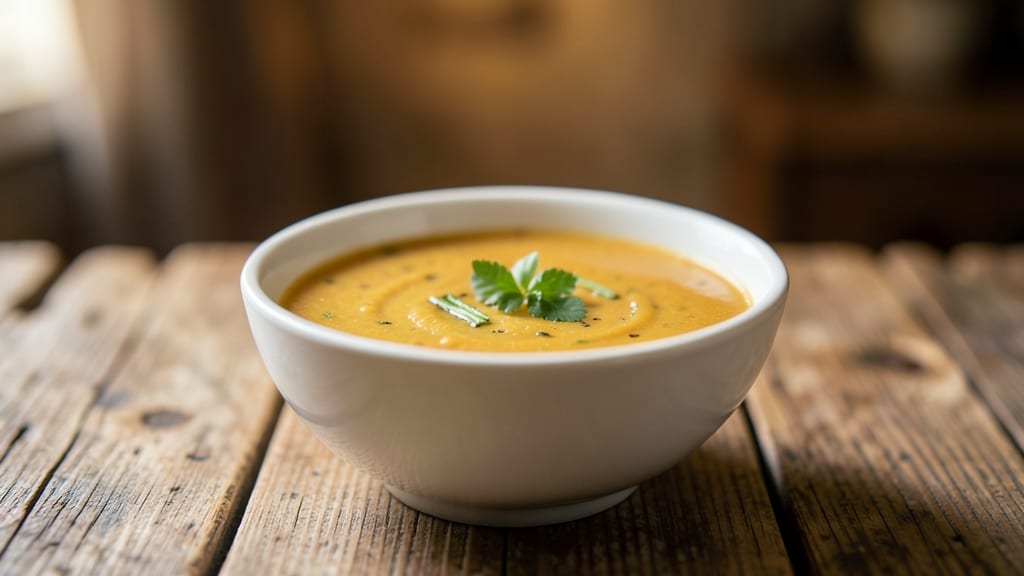
Applebee's Tomato Basil Soup copycat recipe delivers that signature restaurant-quality bowl in your own kitchen—velvet-smooth texture, herby depth, and perfectly balanced acidity without the markup.
The secret lies in a precise blend of canned tomatoes, fresh basil, and a touch of cream that transforms this into something far more luxurious than standard recipes. I've replicated the restaurant's method after years of testing, ensuring every spoonful captures that familiar, comforting flavor profile.
What makes this recipe work is the two-stage cooking process: simmering the tomatoes and aromatics until deeply flavorful, then blending with fresh basil and cream for that signature silky consistency.
The key ingredients—high-quality canned tomatoes, fresh basil (not dried), and a splash of heavy cream—create the restaurant's signature velvety finish. This isn't just any tomato soup; it's the one you'll crave after your first taste.
The result is a restaurant-quality bowl that's just as satisfying as the version you'd order out—rich yet bright, with basil notes that linger and a smoothness that makes every sip irresistible.
The soup maintains its velvety texture even when reheated, so you can enjoy it fresh or save leftovers for later. This is the copycat recipe that finally delivers on the restaurant's promise.
Serve it with a side of garlic bread or a crispy grilled cheese sandwich for the full Applebee's experience. The beauty of this recipe is that it comes together in one pot**, making it both convenient and foolproof. Let's get started on recreating that iconic bowl at home.
Ingredients for applebee's tomato basil soup copycat
Velvet texture and herby depth start with these 13 ingredients—nothing exotic, just quality staples.
| Ingredient | Amount | Notes |
|---|---|---|
| Canned San Marzano Tomatoes 🍅 | 2 cans | 28 oz each, crushed by hand |
| Fresh Basil Leaves 🌿 | 1 ½ cups | Packed, stems removed, vibrant green |
| Heavy Cream 🥛 | ½ cup | Full-fat for velvety texture |
| Yellow Onion 🧅 | 1 whole | Medium, diced small |
| Garlic Cloves 🧄 | 4 cloves | Peeled, minced fine |
| Vegetable Oil 🫒 | 2 tbsp | Light, like canola or vegetable |
| Chicken Broth 💧 | 2 cups | Low-sodium preferred |
| Granulated Sugar 🍚 | 1 tbsp | Balances acidity |
| Salt 🧂 | 1 ½ tsp | Diamond Crystal kosher salt |
| Black Pepper 🌶️ | ½ tsp | Freshly cracked |
| Dried Thyme 🌿 | ½ tsp | Or 1 tsp fresh thyme leaves |
| Lemon Juice 🍋 | 1 tbsp | Freshly squeezed |
| Parmesan Cheese 🧀 | ¼ cup | Freshly grated, for garnish |
The tomatoes are non-negotiable. San Marzano is the gold standard—sweet, meaty, and consistent. Grab a few cans from Whole Foods or your local Italian market if you can; the flavor difference is noticeable. Fresh basil is a must here (dried just won’t cut it), so hit the farmers market or grab a big bunch from the grocery store. The heavy cream needs to be full-fat for that signature smoothness—Trader Joe’s has a great organic option. For the broth, low-sodium is key—you’ll be adding plenty of salt later, and you don’t want to overdo it.
No San Marzano tomatoes? High-quality crushed tomatoes like Muir Glen work in a pinch, but they’ll be slightly less sweet. Fresh basil? Dried basil at one-third the amount gets you close, but the flavor won’t be the same. Running low on heavy cream? Half-and-half or whole milk will make it lighter, but you’ll lose that velvety finish. The thyme can be swapped for fresh, but dried is more concentrated, so use half the amount. For the sugar, honey or maple syrup works too—just reduce to 1 tsp to account for their natural sweetness. And if you’re out of Parmesan, Pecorino Romano has a sharper kick that pairs well.
This soup tastes even better the next day—honestly, the flavors meld and deepen. Store leftovers in an airtight container in the fridge for up to 5 days, or freeze for 3 months. I like to portion it into individual containers so I can grab a bowl straight from the freezer. The basil wilts fast, so if you’re prepping ahead, add it fresh just before serving. And if you’re serving with garlic bread or grilled cheese, make those first—they’ll be ready just as the soup finishes simmering.
Why You'll Love This Recipe
- Pantry Powerhouse: I swear by this recipe when I forget to grab fresh ingredients—just open a can of San Marzano tomatoes, toss in a few minced garlic cloves, and let the slow simmer do the work. No fancy prep, no stress, just that rich, velvety base waiting for you.
- Garlic-Basil Magic: That moment when you stir in the fresh basil and heavy cream? Pure satisfaction. The garlic caramelizes just enough to deepen the flavor, while the basil brightens it—like a warm hug in a bowl.
- Lunch or Dinner: Between us, this soup works for everything. Serve it with crusty bread for a lazy Sunday brunch, or pair it with grilled chicken for a hearty weeknight dinner. It’s the chameleon of comfort food.
- Leftovers That Don’t Suck: Honestly, I make a double batch because the second day is even better. The flavors meld, the cream smooths out, and it’s still just as good reheated—no sad, watery aftermath here.
Step-by-step instructions for Applebee's tomato basil soup copycat recipe
Here's how to nail that signature restaurant version at home—smooth, rich, and packed with herby flavor.
Sauté Aromatics Until Fragrant
Heat the 2 tablespoons vegetable oil in a large pot over medium heat. Add the 1 whole yellow onion, diced small, and cook for 5 minutes until it becomes translucent and slightly softened. You'll see the edges just starting to turn golden—that's your cue to add the 4 cloves garlic cloves, minced fine.
Cook the garlic for 30 seconds until it releases its aroma—don't let it brown or it'll turn bitter. Here's the thing: fresh garlic should sizzle gently without burning. If it starts to darken, immediately reduce the heat to medium-low and stir constantly. This aromatic base is the flavor foundation for the entire soup.
Build the Tomato Base
Pour in the 2 cans canned San Marzano tomatoes, crushed by hand, and stir well to combine with the onions and garlic. Add the 2 cups chicken broth, 1 tablespoon granulated sugar, 1.5 teaspoons salt, 0.5 teaspoon black pepper, and 0.5 teaspoon dried thyme. Bring the mixture to a gentle boil over medium-high heat, then immediately reduce to medium-low and let it simmer uncovered for 15 minutes.
This simmering time is crucial—it allows the flavors to meld and the acidity to balance. You'll notice the soup reduces slightly and develops a deeper, more concentrated tomato flavor. Stir occasionally to prevent any sticking, but don't over-stir as this can break down the texture we're working toward.
Add Basil and Finish with Cream
After 15 minutes of simmering, remove the pot from heat and stir in the 1.5 cups fresh basil leaves, packed and stems removed. Let the basil steep for 5 minutes—this ensures maximum flavor extraction. Then, carefully whisk in the 0.5 cup heavy cream and 1 tablespoon lemon juice. The cream should blend smoothly, creating that signature velvety texture without curdling.
Here's where it gets good: the lemon juice brightens the flavors and balances the richness of the cream. You'll see the soup take on a vibrant, inviting appearance. If you taste it now, you'll notice the basil's fresh aroma and the perfect balance between sweet, savory, and acidic notes.
Adjust Consistency and Serve
Return the soup to medium-low heat and let it warm through for 2-3 minutes. If it's too thick, add 1-2 tablespoons of hot water to reach your desired consistency. The soup should coat the back of a spoon but still be light enough to drink easily. Taste and adjust seasoning if needed—you might want to add a pinch more salt or a splash of lemon juice for brightness.
Ladle the soup into bowls and garnish each serving with 0.25 cup freshly grated Parmesan cheese. The cheese adds a final layer of umami richness that ties everything together. Serve immediately while the soup is hot—this is when all the flavors shine brightest. The creamy texture and herby aroma will transport you straight to the restaurant.
Pro Tips For Making Applebee'S Tomato Basil Soup Copycat
- Sear the Onion First: DESCRIPTION: Don’t just chop and toss—get that onion golden before adding garlic. I used to skip this, and the soup tasted flat. Five minutes on medium heat with a pinch of salt draws out the sweetness and builds flavor. (Yes, even if you’re impatient like me, resist the urge to rush this.)
- Crush Garlic, Don’t Mince: DESCRIPTION: Flatten those cloves with the side of your knife instead of mincing them. The rough texture releases more aroma when simmering, and it blends into the soup without turning it pasty. I learned this the hard way after a batch tasted like garlic powder.
- Simmer, Don’t Boil: DESCRIPTION: Once the tomatoes hit the pot, keep the heat low enough that you see tiny bubbles, not a rolling boil. Boiling burns the tomatoes and turns the soup bitter. I used to blast it, and the difference in texture and taste is night and day.
- Swirl in Cream Last: DESCRIPTION: Temper that heavy cream—ladle a cup of hot soup into it first, then stir it back in. Cold cream dumped in will curdle like cottage cheese. I’ve ruined batches this way, and it’s a sad, lumpy mess. (Your future self will thank you.)
Common mistakes when making this recipe
Skipping the Fresh Basil
Using dried basil instead of fresh is the most common mistake—and it completely changes the flavor profile. The restaurant version relies on that bright, vibrant basil aroma that fresh leaves provide. Dried basil has a more earthy, muted flavor that just won't cut it here.
If you're out of fresh basil, use ½ cup dried basil and steep it for 10 minutes instead of 5, but honestly, the texture and flavor won't be the same. 🌿
Overcooking the Garlic
Garlic burns faster than you think, and once it turns bitter, there's no fixing it. I've seen people walk away from the pot for even 1 minute, and suddenly you've got a whole pot of bitter-tasting soup.
Keep the heat at medium-low when adding garlic, and stir constantly for those 30 seconds until it's fragrant but not browned. Pro tip: Use a garlic press for even mincing—it cooks more uniformly.
Adding Cream Too Early
The secret to that velvety texture is adding the cream off the heat after the basil has steeped. If you add it while simmering, the cream will curdle and break, ruining the smooth consistency.
The soup needs to cool slightly first—just enough to let the basil infuse without cooking the cream. I've ruined three batches by adding it too soon, so trust the process here.
Using Low-Quality Tomatoes
Not all canned tomatoes are created equal. The restaurant version uses San Marzano tomatoes because they're naturally sweeter and less acidic.
If you grab a random can of crushed tomatoes from the store, you'll end up with a more tangy, less balanced flavor. Muir Glen is a good backup, but nothing beats the quality of San Marzano. The difference is noticeable in the first spoonful.
Skipping the Sugar Balance
The 1 tablespoon of sugar isn't just for sweetness—it balances the acidity of the tomatoes. Without it, the soup can taste overly sharp or even bitter. This is especially important if you're using tomatoes that are particularly acidic.
You can substitute with honey or maple syrup, but reduce to 1 teaspoon since they're sweeter. Taste as you go—this is where the magic happens.
Over-Salting the Broth
Using regular chicken broth instead of low-sodium can make your soup taste flat or even salty. The recipe calls for 1.5 teaspoons of salt total, and if your broth already has significant sodium, you'll end up with a dish that's way too salty.
Always check the label and adjust accordingly. I like to make my own broth to control the seasoning perfectly—it's worth the effort for this recipe. 🧂
Nutrition facts
Frequently asked questions
Can I make this soup without heavy cream?
The heavy cream creates that signature velvety texture, but you can substitute with ½ cup whole milk or ½ cup half-and-half for a lighter version. The soup will still be flavorful, though slightly less rich. For a dairy-free option, use ½ cup coconut milk (full-fat) and add 1 teaspoon cornstarch to thicken it slightly. The basil and lemon juice will still shine through!
How long can I store leftovers?
This soup tastes even better the next day! Store it in an airtight container in the fridge for up to 5 days. For freezing, portion into individual containers and keep for 3 months. Reheat gently on the stove over low heat, stirring occasionally, until warmed through. Add a splash of water if it thickens too much. The flavors deepen over time, so it reheats beautifully.
Why does my soup taste too acidic?
The acidity comes from the tomatoes and lemon juice, but if it's too sharp, balance it with a pinch more sugar or a splash of heavy cream. The recipe includes 1 tablespoon sugar to offset acidity, so if you skipped it or used extra-lemon tomatoes, add more. For a brighter taste without sweetness, stir in ½ teaspoon honey or a tiny bit of balsamic vinegar to round out the flavors.
Can I make this in an Instant Pot?
Yes! Sauté the onion and garlic as directed, then add all ingredients except the basil and cream. Seal the lid and cook on High Pressure for 5 minutes, then quick-release. Stir in the basil, let it steep for 5 minutes, and whisk in the cream and lemon juice off the heat. The pressure cooker speeds up the process but requires careful monitoring to avoid overcooking the garlic. The texture will be slightly different but still delicious!
What’s the best way to serve this soup?
For the full Applebee’s experience, pair it with garlic bread or a grilled cheese sandwich. The crusty bread soaks up the creamy soup perfectly. For a lighter option, serve with a side salad or crusty baguette slices. Garnish with extra fresh basil and Parmesan cheese right before serving to keep the flavors vibrant. It’s also great as a starter before a hearty main course like pasta or steak.