
Breakfast & Brunch
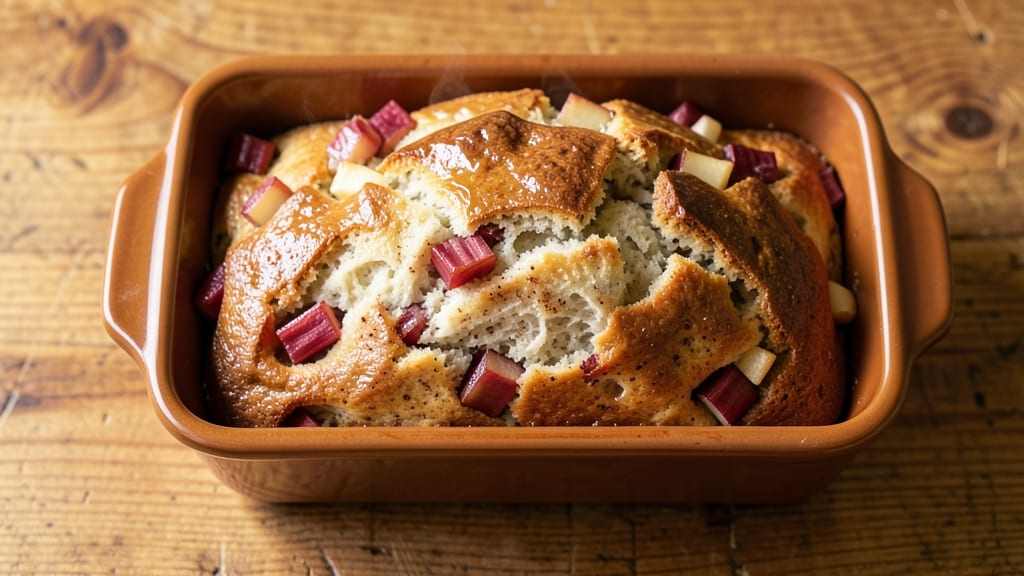
This apple rhubarb bread recipe delivers the perfect balance of tart and sweet—each bite bursts with juicy apple chunks and tangy rhubarb swirls encased in a tender, golden crust.
After years of perfecting the technique, I’ve cracked the code for achieving that restaurant-quality texture and flavor combination without a single shortcut. The secret lies in the dough’s hydration and the precise timing of folding in the fruit, which keeps it moist while developing that signature caramelized crust.
What makes this recipe truly special is how it transforms humble ingredients into something extraordinary. You’ll start with a simple yeast dough that comes together in under 30 minutes, then layer it with diced apples and finely chopped rhubarb for a harmonious blend of flavors.
The rhubarb’s natural tartness cuts through the apple’s sweetness, while the warm spices—like cinnamon and nutmeg—tie everything together into a cohesive, aromatic experience. This isn’t just bread; it’s a showstopper that pairs beautifully with butter, jam, or even a simple cup of coffee.
The baking process is where the magic happens, with a 375°F oven creating that perfect balance of a crisp exterior and a soft, pillowy interior. The fruit releases its juices as it bakes, infusing the bread with an irresistible depth of flavor that keeps it moist for days.
Whether you’re serving it fresh from the oven or reheating slices the next morning, the contrast of textures and flavors will leave everyone asking for seconds. Trust me, this bread is worth every minute of prep time.
Once baked, you have options: serve it warm with a pat of butter, drizzle with honey, or even pair it with a dollop of whipped cream for a decadent brunch treat. The leftovers? They’re even better the next day, making this the ideal recipe for meal prep or gifting.
Let’s get started on creating your own loaf of this tart-sweet masterpiece—your kitchen will smell like autumn in no time.
Ingredients for apple rhubarb bread
Four cups flour, two pounds fruit—simple ingredients that transform into golden, swirled perfection.
| Ingredient | Amount | Notes |
|---|---|---|
| All-Purpose Flour 🌾 | 4 cups | Spooning into measuring cup for accuracy |
| Granulated Sugar 🍚 | ½ cup | White sugar preferred |
| Brown Sugar 🍚 | ½ cup | Packed firmly |
| Active Dry Yeast 🍞 | 2 ¼ tsp | Ensure freshness (test in warm water) |
| Unsalted Butter 🧈 | ½ cup | Cold, cubed for easier mixing |
| Large Eggs 🥚 | 1 whole | Room temperature for best results |
| Red Apples 🍎 | 1 ½ lb | Honeycrisp or Granny Smith, peeled |
| Rhubarb 🍃 | 1 lb | Fresh, fibrous stalks only |
| Ground Cinnamon 🌶️ | 2 tsp | Freshly ground preferred |
| Ground Nutmeg 🌶️ | ½ tsp | Freshly grated for best flavor |
| Salt 🧂 | 1 ½ tsp | Kosher or sea salt preferred |
| Milk 🥛 | ¼ cup | Room temperature for yeast activation |
| Vanilla Extract 🍯 | 1 tsp | Pure extract, not imitation |
The apples and rhubarb are non-negotiable for that signature tart-sweet balance. Honeycrisp apples stay juicy while baking, but Granny Smith works too—just slice them slightly thinner. Rhubarb can be finicky; pick stalks that are firm and vibrant red, avoiding any that feel slimy or wilted. I grab mine at Whole Foods when they're in season, but regular grocery stores carry them too. For the flour, King Arthur or Gold Medal brands are my go-tos—they give that perfect light texture. And trust me, fresh yeast makes all the difference—if your packet doesn't foam in warm water within 5 minutes, toss it.
No Honeycrisp apples? Fuji or Gala hold up well too. Running short on rhubarb? Substitute 1 cup of diced pear, but you'll lose that signature tang. The vanilla extract is where I won't compromise—imitation smells like perfume. Need to swap the milk? Warm water plus 1 tsp sugar works in a pinch, but the fat content of milk helps create that tender crumb. For the spices, pre-ground is fine, but if you've got whole nutmeg, grate it fresh—game changer. And if you're worried about the dough being too sticky, add 1 tbsp more flour during mixing, but don't overdo it or the bread gets dense.
This bread keeps beautifully—3-4 days at room temperature wrapped in a towel, or 1 week in the fridge. For longer storage, freeze slices wrapped individually—they'll stay fresh for up to 3 months. The best part? It reheats perfectly. Wrap a slice in foil and microwave for 20-30 seconds, or toast straight from frozen. I always make a double batch—one loaf for the table, one for gifting. The aroma alone makes it worth every minute of prep time.
Why You'll Love This Recipe
- One loaf stretches for days: toast it, freeze slices, or reheat straight from the fridge. The butter stays soft, the fruit stays juicy, and my wallet stays happy. Between us, this is the kind of bread that makes grocery day less stressful.
- No-Fuss Dough: I swear, the yeast just works—no kneading, no fuss. Just toss the flour, butter, and sugars together, let the yeast do its magic, and fold in those tart chunks of rhubarb and sweet apples. It’s the kind of recipe that makes me feel like I’ve earned my coffee break.
- Sweet-Tart Magic: That balance? Chef’s kiss. The brown sugar caramelizes just enough to make every bite warm and rich, while the rhubarb’s tang cuts through like a bright, summery hug. Honestly, I’ve never met a loaf that makes my kitchen smell this good this fast.
- Breakfast to Brunch Hero: Serve it toasted with butter for a lazy weekend morning, or slice it for a picnic with jam—it’s that good. My kids even fight over the ends, and that’s saying something. (Yes, even on a Tuesday night.)
Step-by-step instructions for apple rhubarb bread
Let's bake this fragrant, fruit-filled loaf with layers of tart rhubarb and sweet apples—every bite will be a perfect balance.
Activate the Yeast and Prepare the Dough
In a small bowl, combine the 0.25 cup milk (warmed to 105-110°F) with 2.25 tsp active dry yeast and let it sit for 5-10 minutes until it becomes frothy. This step ensures your yeast is alive and ready to work—if it doesn't bubble, start over with fresh yeast. In a large bowl, whisk together 4 cups all-purpose flour, 0.5 cup granulated sugar, 0.5 cup brown sugar, 1.5 tsp salt, 2 tsp ground cinnamon, and 0.5 tsp ground nutmeg. Add the yeast mixture, 1 whole large egg, and 1 tsp vanilla extract to the dry ingredients.
Using a wooden spoon or dough whisk, stir until combined, then gradually add 0.5 cup cold unsalted butter, mixing until the dough begins to come together. The butter should be cubed and cold to prevent overmixing. Once the dough forms a shaggy mass, turn it out onto a lightly floured surface and knead for 8-10 minutes until smooth and elastic. You'll know it's ready when it springs back slowly when poked—this means the gluten has developed properly for a light, airy loaf.
Prepare the Fruit Filling
While the dough rests, peel and finely dice 1.5 lb red apples (Honeycrisp or Granny Smith work best) and trim 1 lb rhubarb into small, even pieces. In a medium bowl, toss the fruit with 2 tablespoons of the flour mixture (reserved from your dough) and 1 teaspoon granulated sugar to prevent browning. This step ensures the filling stays vibrant and doesn't make the bread too dense.
Set the fruit aside—it’s ready to be swirled into the dough once it’s proofed. The tartness of the rhubarb and sweetness of the apples will create a flavor explosion in every slice. Real talk: don’t skip the sugar on the fruit, or the rhubarb’s natural acidity will overpower the bread.
Proof the Dough and Shape the Loaf
Lightly grease a large bowl with oil or butter, place the dough inside, and cover with a damp towel. Let it rise in a warm spot for 1-1.5 hours, or until it has nearly doubled in size. You’ll see it puff up and look jiggly when gently pressed—this is your cue that the dough is ready. Punch it down gently to release air, then divide it into two equal portions.
Roll each portion into a 12-inch rectangle on a floured surface. Spread half of the fruit filling evenly over one rectangle, leaving a ½-inch border around the edges. Roll it up tightly like a jelly roll, then repeat with the remaining dough and filling. Place the rolls seam-side down in a 9x5-inch loaf pan, gently pressing them into the corners. Cover with a towel and let them rise for another 30-45 minutes until they’ve puffed slightly.
Bake to Golden Perfection
Preheat your oven to 375°F. Brush the tops of the loaves with a little milk or egg wash (beat the egg with 1 tablespoon milk) for a glossy finish. Bake for 35-40 minutes, until the bread is deep golden brown and sounds hollow when tapped on the bottom. If the tops brown too quickly, tent with foil to prevent over-browning.
Here’s the thing—your bread is done when the internal temperature reaches 190-200°F and the edges pull away from the pan easily. Let it cool in the pan for 10 minutes, then transfer to a wire rack. This resting time keeps the loaf from falling apart when you slice it. Once cooled, slice into ½-inch thick pieces and serve warm with butter or jam.
Store for Freshness
Wrap the cooled bread in plastic wrap or store it in an airtight container at room temperature for up to 3 days. For longer storage, freeze slices between parchment paper for up to 3 months. The flavors actually deepen over time, making this bread even more delicious the next day.
Your loaf should have a tender crumb with pockets of juicy, spiced fruit peeking through. If the fruit filling is too runny when baked, next time reduce the sugar in the filling by ½ teaspoon—this helps thicken it slightly. Enjoy your homemade apple rhubarb bread while it’s still warm!
Pro Tips For Making Apple Rhubarb Bread
- Measure Sugar Precisely: Granulated and brown sugar aren’t interchangeable here—use a kitchen scale for both. I learned this after a batch turned cloyingly sweet; the molasses in brown sugar adds moisture and depth, but too much throws off the balance.
- Soften Butter Properly: Cold butter makes tough bread; room temp butter (65°F) creates tender layers. Press it into the flour with your fingers until it looks like wet sand—no need to cream it like cake batter.
- Proof Yeast Slowly: Warm the milk to 105°F (not boiling) and let yeast sit for 5–10 minutes until foamy. If you rush it, the bread rises too fast and collapses—like overinflating a balloon.
- Fold Fruit Gently: After the first rise, fold in chopped rhubarb and apples with a spatula instead of stirring. This keeps their juices distributed evenly, preventing dense pockets and ensuring every slice has that bright, tangy burst.
Serving suggestions for apple rhubarb bread
Breakfast Brilliance
This bread is a game-changer for your morning routine. Serve warm slices with a generous pat of cultured butter (like Plugrá) and a drizzle of local honey for a simple yet elegant breakfast.
The contrast of creamy butter and floral honey enhances the bread's natural sweetness while balancing the rhubarb's tartness. For a heartier option, top with whipped cream and a sprinkle of toasted pecans—this combo feels like a dessert but works perfectly for brunch. 🍯
Afternoon Tea Elevation
Transform your tea time with this bread as the star. Cut into ½-inch thick slices and arrange on a tiered platter with clotted cream and strawberry jam for a British-inspired tea sandwich. The jam's acidity complements the rhubarb beautifully, while the cream adds richness.
For a modern twist, serve with mascarpone cheese and a drizzle of orange blossom syrup—the floral notes pair wonderfully with the warm spices in the bread.
Dessert-Worthy Pairings
Don't let the name fool you—this bread deserves dessert treatment. Pair with a scoop of vanilla bean ice cream (like Ben & Jerry's) for a no-bake dessert. The cold ice cream contrasts perfectly with the warm, spiced bread.
For coffee lovers, serve with a dark roast (like Peet's Major Dickason's Blend) and a sprinkle of cinnamon on top. The bold coffee cuts through the sweetness, creating a harmonious balance.
Gift-Worthy Presentation
This bread makes an impressive homemade gift. Wrap individual slices in parchment paper and tie with a twine ribbon for a rustic touch. Place in a basket lined with a linen cloth and add a small jar of homemade jam or a mini loaf of butter.
The presentation elevates it from everyday bread to a thoughtful gift—perfect for neighbors, teachers, or coworkers. The aroma alone makes it irresistible. 💛
Savory Contrasts
For an unexpected but delicious twist, serve with sharp cheddar cheese (like Cabot) and apple slices on the side. The salty cheese balances the sweet-tart bread beautifully.
Another great pairing is with smoked salmon and everything bagel seasoning—the smoky, briny flavors create an unexpected but delightful combination that works perfectly for a weekend brunch. The bread's texture holds up well to these savory toppings.
Seasonal Serving Ideas
Spring and summer call for lighter pairings. Serve with fresh berries (like raspberries or blackberries) and a dollop of Greek yogurt for a refreshing contrast. In autumn, pair with spiced apple cider and caramelized onions for a cozy, seasonal treat.
Winter servings shine with warm spiced cider and a sprinkle of cinnamon on top, enhancing the bread's warm spices. Each season brings new ways to enjoy this versatile loaf. ❄️
Nutrition facts
Frequently asked questions
Can I substitute rhubarb with another fruit?
Yes, but the flavor will change. Rhubarb's tartness balances the sweet apples perfectly. For a similar effect, try 1 cup of diced pear or 1 cup of tart cherry, but reduce the sugar in the filling by ½ teaspoon to account for their natural sweetness. Avoid overly sweet fruits like pineapple or mango—they'll overpower the bread's delicate flavor profile.
Why does my dough feel too sticky?
Sticky dough usually means one of two things: either the flour wasn't measured accurately (spooning instead of scooping) or the butter wasn't cold enough. For this recipe, add 1-2 tablespoons more flour during kneading if needed, but don't overdo it—too much flour makes the bread dense. Also, ensure your butter is cold and cubed before mixing. If the dough is still too sticky after adding flour, let it rest for 10 minutes before shaping.
How do I know when the bread is fully baked?
The bread is done when it reaches an internal temperature of 190-200°F and the edges pull away cleanly from the pan. Tap the bottom—it should sound hollow. The top should be a deep golden brown, not pale. If it browns too quickly, tent with foil after 20 minutes to prevent over-browning while the center finishes baking.
Can I make this bread without a loaf pan?
Shape the dough into a free-form loaf on a parchment-lined baking sheet. Brush with egg wash and bake at 375°F for 30-35 minutes, rotating halfway for even browning. For a rustic look, score the top with a sharp knife before baking. The texture will be slightly denser than pan-baked, but still delicious. Perfect for a cozy weekend breakfast!
What's the best way to reheat sliced bread?
Wrap slices in foil and warm in the oven at 350°F for 5-7 minutes for the best texture. For quick reheating, microwave for 15-20 seconds (cover with a damp paper towel to prevent drying). Toasting works too—just watch closely to avoid burning. The bread reheats best when slightly stale, so store it at room temperature for 1-2 days before reheating.