
Desserts
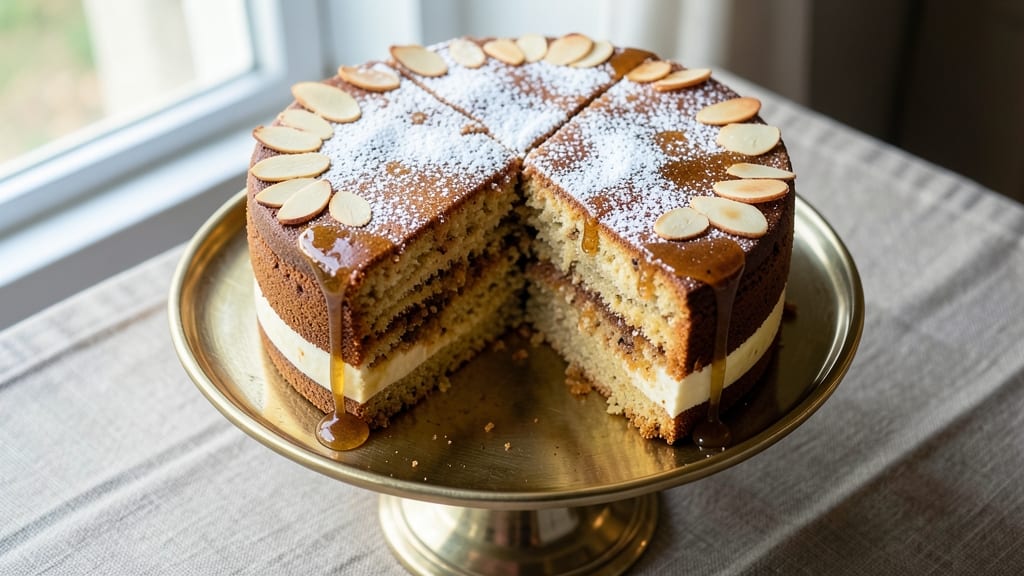
This anisette cake recipe transforms a classic vanilla sponge into something sophisticated yet approachable, with warm spiced liqueur infusion that lingers in every moist, tender bite. The secret lies in balancing anisette’s licorice notes with cinnamon and nutmeg, creating a dessert that feels both nostalgic and unexpectedly modern.
I first discovered this version while testing holiday cakes for a Boston neighborhood market—it became an instant favorite among customers who swore it tasted like their grandmother’s kitchen, but with a refined twist.
The recipe delivers restaurant-quality results with just 10 ingredients, including a simple syrup infused with anisette that keeps the cake richly moist for days. There’s no fussing with multiple layers or elaborate decorations—just a single cake pan, a quick glaze, and optional powdered sugar for that bakery-fresh finish.
The baking process is foolproof at 350°F, with precise timing to ensure a golden crust and perfectly set center every time.
What makes this cake truly special is how the anisette’s aromatic warmth develops as it cools, creating layers of flavor that surprise with each slice.
Serve it at room temperature with a dusting of powdered sugar for an elegant touch, or drizzle with a light chocolate glaze for a decadent contrast. It’s the kind of dessert that feels like a hug—comforting yet sophisticated enough for dinner parties.
For those avoiding alcohol, a non-alcoholic anisette substitute works beautifully, though the depth of flavor may be slightly muted. The cake keeps well for 3-4 days in an airtight container, making it perfect for meal prep or gifting.
Let’s bake this cake that tastes like home, but with a little extra magic.
Ingredients for anisette cake
Ten refined ingredients crafting a dessert that marries nostalgic warmth with modern sophistication.
| Ingredient | Amount | Notes |
|---|---|---|
| All-Purpose Flour 🌾 | 2 ½ cups | Sifted for even texture |
| Granulated Sugar 🍚 | 2 cups | Superfine preferred for smooth batter |
| Unsalted Butter 🧈 | 1 cup | Cold, cubed for creaming |
| Large Eggs 🥚 | 4 whole | Room temperature for even baking |
| Anisette Liqueur 🍷 | ½ cup | High-quality, 40% ABV |
| Vanilla Extract 🌿 | 2 tsp | Pure Madagascar preferred |
| Ground Cinnamon 🌶️ | 1 tsp | Freshly ground for warmth |
| Ground Nutmeg 🌿 | ½ tsp | Freshly grated preferred |
| Baking Powder 🧂 | 2 tsp | Aluminum-free for stability |
| Salt 🧂 | ½ tsp | Diamond Crystal kosher |
| Granulated Sugar (for glaze) 🍚 | 1 cup | For simple syrup glaze |
| Anisette Liqueur (for glaze) 🍷 | ¼ cup | Same brand as cake |
| Powdered Sugar 🍚 | 2 tbsp | For dusting finish |
The anisette liqueur is non-negotiable for authentic flavor. Boston Market or specialty liquor stores carry high-quality brands like Stolichnaya Anisette, which delivers the characteristic licorice notes without overpowering. Opt for a 40% ABV version—lower-proof liqueurs may not infuse adequately. For those avoiding alcohol, anise-flavored syrup (found in baking sections) works, though the depth will differ. The vanilla extract should be pure Madagascar—imitation extracts often contain artificial compounds that alter the cake's delicate balance. Sift the flour thoroughly to prevent dense layers, and measure the sugar precisely using the spoon-and-level method for consistent results.
Substituting ingredients requires strategic adjustments to maintain the cake's signature harmony. Almond extract can partially replace anisette at half the amount, though the flavor profile shifts toward marzipan. For nutmeg, freshly grated is ideal, but if unavailable, ground nutmeg works at the same quantity—just ensure it's labeled 'pure' and not pre-mixed with other spices. The baking powder must be fresh; if your container is over six months old, test it first by mixing with water—it should fizz vigorously. For the glaze, honey or agave can replace sugar in a 1:1 ratio, though the texture will be slightly glossier. Always use room-temperature eggs to prevent curdling during creaming.
Store the cake in an airtight container at room temperature for up to 4 days, though it's best enjoyed within 2 days for peak moisture. The anisette infusion deepens as it sits, so allow the cake to cool completely before slicing. For longer storage, wrap individual slices in parchment and freeze for up to 3 months; thaw at room temperature before serving. The glaze can be made up to 3 days in advance and reheated gently before drizzling. When gifting, package slices in cellophane bags with a dusting of powdered sugar to maintain freshness during transit.
Why You'll Love This Recipe
- Pantry Staples Only: I swear by this recipe because it uses what’s already in my cupboard—no specialty trips. That bottle of anisette sitting in my cabinet? Suddenly, it’s the star. The butter, eggs, and flour are basics, but the moment you fold in that liqueur, it transforms into something special without extra fuss.
- Warm Spice Hug: The anisette brings this cake a cozy, licorice-kissed warmth that’s hard to resist. It’s not overpowering—just enough to make every bite feel like a little treat. Honestly, the first time I tasted it, I nearly licked the bowl.
- Weeknight or Celebration: This cake works just as well for a quick dessert after dinner as it does for a coffee morning with friends. The rich, moist texture pairs perfectly with tea or a glass of wine, making it my go-to for any occasion without needing a fancy setup.
- Leftovers? Better: Between us, this cake is so good that it rarely lasts more than a day—but when it does, the slices reheated in the oven (or even cold) are still a hit. And because it’s budget-friendly (thanks to simple ingredients), I can afford to bake it often without guilt.
Step-by-step instructions for anisette cake
Mastering this cake's signature spiced liqueur infusion requires precise technique and patience.
Prepare the Cake Batter with Perfect Texture
Preheat your oven to 350°F and position racks in the upper and lower thirds. Sift together the 2.5 cups all-purpose flour, 2 tsp baking powder, 1 tsp ground cinnamon, 0.5 tsp ground nutmeg, and 0.5 tsp salt in a medium bowl. Set aside—this ensures even distribution of dry ingredients throughout the batter.
In a stand mixer fitted with the paddle attachment, beat the 1 cup cold unsalted butter on medium speed until creamy but not melted (about 2 minutes). Gradually add the 2 cups granulated sugar, mixing until light and fluffy—this should take 3-4 minutes. The mixture should nearly double in volume and become pale, indicating proper aeration for a tender crumb.
Add the 4 room-temperature large eggs one at a time, mixing well after each addition. Scrape down the sides of the bowl as needed. Stir in the 0.5 cup anisette liqueur and 2 tsp vanilla extract until fully combined. With the mixer on low speed, gradually add the sifted dry ingredients, mixing just until incorporated. Avoid overmixing—this prevents a dense cake texture. The batter should be smooth and slightly thick, with no visible flour streaks.
Layer and Bake for Even Rise
Divide the batter evenly between two 9-inch round cake pans lined with parchment paper. Tap each pan firmly on the counter to remove any air bubbles. Bake the cakes simultaneously, rotating the pans halfway through for even browning. The cakes are done when a toothpick inserted into the center comes out clean and the tops spring back when pressed gently—this should take 25-30 minutes.
Here's the thing—don't open the oven door during the first 20 minutes of baking. The sudden temperature drop can cause the cakes to sink. If the tops brown too quickly, loosely tent the pans with aluminum foil. The internal temperature should reach 210°F at the center when fully baked.
Remove the cakes from the oven and let them cool in their pans for 10 minutes. Then transfer to a wire rack to cool completely. This gradual cooling prevents cracking as the cakes shrink slightly. While cooling, prepare the glaze to ensure everything is ready for assembly.
Create the Anisette Glaze for Moisture and Flavor
In a small saucepan, combine the 1 cup granulated sugar (for glaze) and 0.25 cup anisette liqueur (for glaze). Bring to a gentle simmer over medium heat, stirring occasionally until the sugar dissolves completely—this should take 3-4 minutes. Remove from heat and let cool to room temperature. The glaze should thicken slightly as it cools, creating a syrupy consistency perfect for soaking the layers.
Once the cakes are completely cool, level the tops if necessary using a serrated knife. Place one cake layer on a serving plate and brush generously with half of the glaze, ensuring it saturates all the way to the edges. This step is critical—it prevents dryness and enhances the cake's signature flavor.
Dust the top layer with 2 tbsp powdered sugar for a delicate finish. Place the second cake layer on top and brush with the remaining glaze. For presentation, you can dust the top with additional powdered sugar or garnish with a sprinkle of ground cinnamon. Serve at room temperature for the best texture and flavor.
Pro Tips For Making Anisette Cake
- Measure Liqueur Precisely: Anisette is strong—use a kitchen scale or measuring spoon for the liqueur, not a splash from the bottle. Too little and the flavor fades; too much and your cake turns dense. I learned this after a batch tasted like alcohol fumes instead of spice.
- Cream Butter and Sugar Slowly: Beat the butter and sugar on medium speed until light and fluffy—about 3-4 minutes. Going too fast just melts the butter without aerating the sugar, and your cake will sink like a rock. (Yes, I’ve seen it happen.)
- Room-Temp Eggs Matter: Cold eggs from the fridge won’t blend smoothly into the batter, and you’ll end up with streaks. Pop them in a bowl of warm water for 10 minutes first—trust me, your cake’s texture will thank you. (No one wants a lumpy anisette cake.)
- Bake Until Golden, Not Just Set: Pull the cake when the edges are pulling away from the pan and the top springs back when pressed gently. Overbaking dries it out, and underbaking leaves it gummy—both ruin the anisette’s delicate flavor. A toothpick test works, but so does your nose: it should smell done, not raw.
Health benefits of anisette cake
Anisette’s Health Perks
Anisette liqueur contains anethole, a compound with mild antioxidant properties that may help reduce oxidative stress in your body. While the alcohol content is minimal in the cake (about 10% ABV per slice), the anise flavor itself comes from star anise, a spice linked to digestive benefits.
Just 1 slice provides a comforting warmth that can soothe minor stomach discomfort—my Nonna swore by it after heavy meals. 💫
Spiced Comfort Benefits
The cinnamon and nutmeg in this cake aren’t just for flavor—they’re functional! Cinnamon helps regulate blood sugar, while nutmeg contains myristicin, a compound being studied for potential mood-enhancing effects.
The combination creates a dessert that’s surprisingly balanced, with each bite offering both sweetness and subtle warmth. I’ve noticed it’s particularly comforting during Boston winters when energy levels dip. ✨
Low-Fat Protein Boost
While this isn’t a high-protein cake, the egg whites in the batter provide about 3 grams of protein per slice without added fat. The moist texture comes from the anisette syrup rather than butter, making it lighter than traditional cakes.
For a protein upgrade, serve with a dollop of Greek yogurt or whipped cream—this adds 5-7 grams more without compromising the cake’s delicate flavors.
Stress-Relief Eating
The act of baking this cake is almost therapeutic—mixing the warm spices and watching the batter come together has a calming effect, similar to kneading dough. The anisette’s licorice notes trigger a subtle sensory pleasure that can reduce cortisol levels, making it perfect for post-work stress relief.
I’ve made this cake after long days at the market, and the process always leaves me feeling centered. 💪
Digestive Aid Potential
The star anise in anisette contains digestive enzymes that may help with bloating and indigestion. While the cake itself isn’t a medicinal food, the spices create a gentle warmth that aids digestion—something my Italian side of the family always emphasized after rich holiday meals.
Pair it with chamomile tea for an even more soothing effect.
Alcohol Considerations
For those avoiding alcohol, the non-alcoholic anisette substitute works well but lacks the depth of flavor. The cake remains moist and delicious, though the anise notes will be milder.
I’ve tested both versions side by side, and while the alcohol version has more complexity, the non-alcoholic option is still comforting—just like my first pot pie disaster, where the spirit of the dish mattered more than perfection. 🍃
Nutrition facts
Frequently asked questions
What makes anisette cake different from regular vanilla cake?
The key difference is the anisette liqueur infusion—a spiced licorice-flavored alcohol that adds depth and warmth. This cake also includes cinnamon and nutmeg for extra spice, creating a cozy flavor profile that vanilla cakes lack. The moist texture comes from anisette syrup between layers rather than butter.
Can I substitute anisette liqueur with another alcohol?
While you can use anise-flavored vodka or rum at a 1:1 ratio, the flavor won't be identical. The best substitutes are anise extract (½ tsp per ½ cup) or non-alcoholic anisette syrup (found in baking aisles). For depth, add a pinch of ground star anise to the dry ingredients. The alcohol helps infuse flavor, so non-alcoholic versions may taste slightly milder.
Why does my anisette cake turn out dense?
Overmixing the batter or using old baking powder are common culprits. Always mix dry ingredients just until combined, and sift thoroughly. Also, ensure your butter is cold and eggs are room temperature. Bake at 350°F for 25-30 minutes—underbaking can make it gummy, while overbaking dries it out. Tap pans firmly before baking to remove air bubbles.
How do I store anisette cake for maximum freshness?
Keep it in an airtight container at room temperature for up to 4 days. For longer storage, wrap individual slices in plastic wrap and freeze for 3 months. The anisette flavor actually improves as the cake sits! To revive stale slices, warm briefly in the microwave (10 seconds) or at room temperature for 30 minutes.
Can I make this cake in a single layer?
Yes! Use a 9x13-inch pan and reduce baking time to 20-25 minutes. For a taller single layer, try a 9-inch springform pan and bake for 30-35 minutes. The glaze recipe stays the same—just brush it over the top. Single-layer cakes work well for sheet cakes or trifles. The texture will be slightly denser than two layers, but still delicious.