
Side Dishes
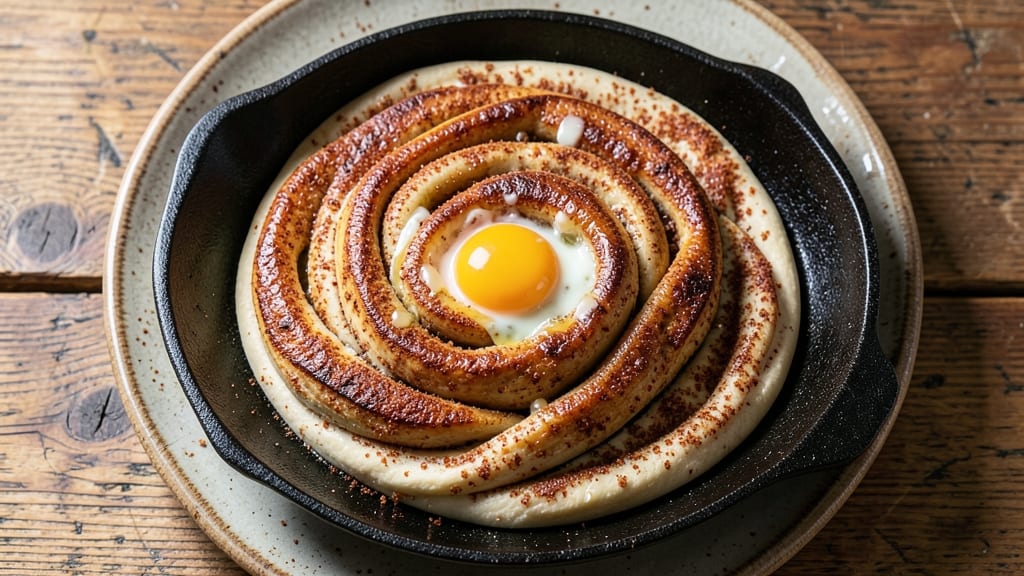
This Amish sourdough cinnamon bread recipe delivers the perfect balance of tender crumb, buttery crust, and warm cinnamon swirls that taste like a homemade bakery. The secret lies in a well-fed sourdough starter and precise fermentation—techniques passed down through generations.
I've perfected this recipe over years of baking, ensuring every slice has that signature pull-apart texture and aromatic spice blend.
The process begins with activating your sourdough starter for maximum rise, then combining it with flour, sugar, and butter to create a dough that's both sturdy and tender.
What makes this recipe special is the cinnamon-sugar swirl—generously folded into the dough before baking—creating those signature golden streaks that disappear into fluffy layers. Traditional Amish baking emphasizes patience, and this recipe respects that with a proper proofing time.
By the time it emerges from the oven, you'll have a loaf with a crackly, golden-brown crust and a crumb so tender it practically melts in your mouth. The cinnamon swirls remain distinct yet perfectly integrated, releasing their warm aroma as soon as you slice into it.
This bread is ideal for breakfast, dessert, or as a comforting side dish—its versatility makes it a staple in any kitchen.
Whether you're a seasoned baker or new to sourdough, this recipe's clear steps and troubleshooting tips ensure success. The key is maintaining the right dough temperature during fermentation and baking at the precise moment when the oven spring is just right. Let's get started on creating your own bakery-style loaf.
Ingredients for amish sourdough cinnamon bread
Four cups flour, a cup of starter, and cinnamon-sugar swirls that taste like nostalgia.
| Ingredient | Amount | Notes |
|---|---|---|
| Active Sourdough Starter 🍞 | 1 cup | 100% hydration, fed and bubbly |
| All-Purpose Flour 🌾 | 4 cups | White flour, 10-12% protein |
| Unsalted Butter 🧈 | ½ cup | Cold, cubed, full-fat preferred |
| Granulated Sugar 🍚 | ¼ cup | White sugar, fine grain |
| Large Eggs 🥚 | 1 whole | Room temperature, beaten |
| Whole Milk 🥛 | ¼ cup | Room temperature, full-fat |
| Cinnamon 🌶️ | ½ cup | Ground, high-quality Ceylon preferred |
| Brown Sugar 🍯 | ½ cup | Light brown, packed |
| Diamond Crystal Kosher Salt 🧂 | 1 tsp | Fine grain, not iodized |
| Vanilla Extract 🍯 | 1 tsp | Pure, high-quality extract |
| Baking Powder 🍞 | 1 tsp | Aluminum-free, fresh |
| Allspice 🌿 | ½ tsp | Ground, optional for depth |
The sourdough starter is non-negotiable here—it needs to be 100% hydration and actively bubbling. King Arthur or Bob's Red Mill flours work best for the dough's structure, but any bread flour with 10-12% protein will do. The butter? Full-fat is a must—it's what gives that signature Amish bakery richness. I grab mine from Whole Foods when it's on sale, but any good-quality brand works. For the cinnamon, Ceylon is worth the splurge—it's sweeter and less gritty than regular ground cinnamon. The allspice is optional but adds that subtle warmth you find in traditional Amish recipes.
No Ceylon cinnamon? Substitute regular ground cinnamon—just add an extra pinch. Running low on butter? Vegetable shortening at the same weight keeps the texture similar, though it won't be as flavorful. The milk can be swapped for buttermilk or heavy cream, but whole milk gives the dough the right tenderness. For the sugars, turbinado or coconut sugar works in a pinch, but the texture might be slightly denser. The baking powder needs to be aluminum-free—check the label, or your bread might taste metallic. And if you're feeling fancy, add a pinch of nutmeg to the cinnamon-sugar mix for extra depth.
This dough is best made fresh, but you can prep the cinnamon-sugar swirl and store it in the fridge for up to 3 days in an airtight container. The starter can be kept in the fridge for up to 5 days if you're prepping ahead, but bring it to room temp before using. The baked loaf keeps well at room temperature for 2-3 days wrapped in a clean kitchen towel, but it's best eaten fresh. For longer storage, slice and freeze the bread—up to 3 months—just thaw at room temperature before serving. And if you make a double batch? It freezes beautifully.
Why You'll Love This Recipe
- No-Knead Magic: I’ll admit, I was skeptical about no-knead sourdough at first—but this recipe changed my mind. The starter does the work while you sleep, and the dough comes together with just a few folds. Honestly? It’s the kind of bread that makes baking feel like a gift, not a chore.
- Warm Spice Hug: That first bite of cinnamon-sugar crust cracking open? It’s like a hug for your taste buds. The butter and sugar caramelize into a sticky, fragrant crust, while the sourdough tang keeps it from being too sweet. Between us, it’s the kind of flavor that makes people ask, “What’s in this?”
- Breakfast or Snack Star: This bread isn’t just for Sunday mornings—it’s my go-to for toast with jam, French toast, or even crumbled over oatmeal. I’ll be real: I’ve eaten it cold at 10 PM straight from the fridge, and it’s still spot-on. The richness of the butter and the warmth of the cinnamon make it a crowd-pleaser any time of day.
- Leftovers That Last: One loaf feeds my family for days—sliced for toast, cubed for French toast, or even tossed into overnight oats. The sourdough starter stretches the budget, and the butter keeps it feeling indulgent without breaking the bank. Plus, it reheats beautifully, so no sad, stale slices here.
Step-by-step instructions for Amish sourdough cinnamon bread
Here's how to craft this classic bread with its signature swirls and golden crust—simple steps for foolproof results.
Mix the Sourdough Dough
In a large mixing bowl, combine the 1 cup active sourdough starter, 4 cups all-purpose flour, 1 teaspoon baking powder, 1 teaspoon diamond crystal kosher salt, 0.5 teaspoon allspice, 0.25 cup granulated sugar, and 1 whole large egg. Mix with a wooden spoon until just combined—you'll see a shaggy dough form with some dry spots remaining.
Next, add the 0.5 cup unsalted butter (cold and cubed) and the 0.25 cup whole milk to the bowl. Using your hands or a dough whisk, work the butter and milk into the dough until it begins to come together. The dough should be soft but not sticky—if it's too wet, add 1 tablespoon more flour at a time until it holds its shape when pressed.
Turn the dough onto a lightly floured surface and knead gently for 3-4 minutes until smooth and elastic. It doesn't need to be overly developed like yeast breads—just cohesive enough to handle. Shape into a rough ball, place it back in the bowl, cover with a damp towel, and let it rest at room temperature for 30 minutes. This resting period relaxes the gluten and makes the dough easier to work with later.
Prepare the Cinnamon Swirl Filling
While the dough rests, combine 0.5 cup brown sugar, 0.5 cup cinnamon, and 1 teaspoon vanilla extract in a small bowl. Mix well to create a fragrant, moist filling. The texture should be like wet sand—sticky enough to cling to the dough but not runny. If it's too dry, add 1 teaspoon whole milk to loosen it.
Here's the thing—this filling is the heart of the bread. The cinnamon should be finely ground (no lumps!) and the brown sugar should be packed to ensure maximum flavor in every bite. Spread the filling on a sheet of parchment paper into a 6-inch square, about ¼-inch thick. Cover with plastic wrap and chill in the refrigerator for 15 minutes—this keeps it pliable when you roll it up later.
Roll and Shape the Loaf
After the dough has rested, roll it out on a floured surface into a 12x8-inch rectangle, about ¼-inch thick. This is where precision matters—too thin and the bread will be dense; too thick and the filling won't bake through properly. Sprinkle the chilled cinnamon filling evenly over the dough, leaving a ½-inch border around the edges.
Starting from the long side, tightly roll the dough into a log, sealing the seam as you go. Pinch the edge to ensure the filling stays inside. Place the sealed log seam-side down on a parchment-lined baking sheet and cover with a damp towel. Let it rise at room temperature for 1 hour, or until it has puffed up by about 50% and feels springy to the touch when pressed gently.
Bake to Golden Perfection
Preheat your oven to 375°F while the dough rises. Once the dough has risen, use a sharp knife to score the top of the loaf in a diagonal pattern—this helps the bread expand and creates that classic Amish bread look. Brush the top lightly with whole milk for a glossy finish and extra browning.
Bake for 35-40 minutes, until the top is deep golden brown and the internal temperature reaches 190°F when measured with an instant-read thermometer. The bread is done when it sounds hollow when tapped on the bottom and the crust is firm to the touch. If the top browns too quickly, tent the bread with foil after 20 minutes to prevent over-browning.
Let the bread cool on the baking sheet for 10 minutes before transferring it to a wire rack. This resting period allows the filling to set slightly and the crust to firm up. Slice while still warm for the best texture—each bite should offer a perfect balance of tender, spiced dough and buttery, cinnamon-kissed swirls.
Pro Tips For Making Amish Sourdough Cinnamon Bread
- STRETCH AND FOLD: The dough for this bread is sticky—like, "why did I make this?" sticky. After your final knead, let it rest 10 minutes, then stretch and fold it three times (every 30 minutes) instead of one long bulk ferment. This builds structure without overworking it, and the cinnamon swirl stays tight when baked.
- CHILL THE DOUGH: I learned this the hard way—skipping the overnight fridge rest makes the butter melt too fast, turning your loaf into a dense brick. Wrap the shaped dough in plastic and refrigerate at least 12 hours. The cold butter stays firm, the flavor deepens, and slicing is cleaner. (Yes, even if you're impatient like me.)
- WEIGH THE FLOUR: That "1 cup" measurement? It’s a lie. All-purpose flour compacts differently, and this recipe relies on precise ratios for the right rise. Use a kitchen scale—aim for 450g total for the dough. If you must scoop, fluff the flour first and level it with a knife, but trust me, the scale guarantees consistency.
- BUTTER TEMPERATURE MATTERS: Cold butter in the dough creates flaky layers, but if it’s too cold, you’ll end up with a rock-hard loaf. Soften the butter just until it’s pliable—press a finger into it; if it leaves a slight indent but holds shape, it’s perfect. No guessing: take it out of the fridge 30 minutes before mixing. (Pro move: grate frozen butter into the dry ingredients to distribute it evenly.)
Serving suggestions for amish sourdough cinnamon bread
Classic Breakfast Pairings
This bread is a breakfast showstopper when paired with scrambled eggs and crispy bacon. I like to toast a thick slice and top it with 2-3 eggs cooked in butter until creamy, then add 2 slices of bacon and a sprinkle of fresh chives.
The cinnamon swirls add a sweet contrast to the savory eggs, making it feel like a homey brunch. 🍳
For a lighter option, try it with Greek yogurt and honey. Spread ½ cup plain Greek yogurt on a warm slice, drizzle with 1 tablespoon honey, and add ½ cup mixed berries.
The tangy yogurt balances the bread's richness perfectly. I often use Stonyfield Farms yogurt for its creamy texture.
Dessert Elevations
Warm slices make an elegant dessert when served with vanilla ice cream. Let the bread cool slightly, then cut into ½-inch thick slices and serve with a scoop of homemade vanilla bean ice cream.
The cinnamon swirls melt slightly against the cold ice cream, creating a perfect sweet-spiced combination. 🍦
For a boozy twist, dust the bread with powdered sugar and serve with spiked coffee. Brew a dark roast with 1 shot of Kahlúa and ½ cup heavy cream, then pour over the bread. The coffee's bitterness cuts through the bread's sweetness beautifully.
Afternoon Snack Ideas
Pack ½-inch slices with cream cheese and apple slices for a perfect afternoon snack. Use Philadelphia cream cheese and Honeycrisp apples for the best texture contrast. The cinnamon in the bread pairs wonderfully with the apple's natural sweetness. 🍏
For a savory twist, try it with sharp cheddar cheese and turkey slices. The bread's buttery richness complements the salty cheese perfectly. I like to use Oak Farms sharp cheddar and Boar's Head turkey for maximum flavor.
Presentation Tips
For a restaurant-worthy look, slice the bread diagonally into ½-inch thick pieces and arrange on a wooden board. Brush the slices lightly with melted butter and sprinkle with coarse sugar just before serving. The golden crust will look stunning against any table setting. ✨
If serving to a crowd, use a bread basket lined with a linen napkin for a rustic Amish-inspired touch. The basket adds height to your presentation while keeping everything contained. I always use Williams Sonoma baskets for their classic design.
Nutrition facts
Frequently asked questions
Why does Amish sourdough cinnamon bread need a long fermentation?
The extended fermentation (at least 1 hour at room temperature) develops complex flavors and improves texture. The sourdough starter breaks down starches into sugars, creating a sweeter, more aromatic loaf. This also helps the cinnamon-sugar filling caramelize beautifully during baking.
Can I substitute regular yeast for the sourdough starter?
Not for this recipe—the sourdough starter provides unique tangy depth and structure that yeast can't replicate. However, you could make a separate quick bread version using 1 teaspoon active dry yeast instead, but the flavor will be different. The traditional Amish method relies on the starter's natural fermentation.
How do I fix a dense or gummy texture in my bread?
Dense bread usually means overmixing or insufficient fermentation. For next time, knead gently (3-4 minutes) and ensure the dough rises 50% before baking. If it's gummy, your oven may be too hot—try baking at 350°F instead of 375°F and check the internal temp with a thermometer (190°F is perfect).
What's the best way to store leftover slices?
Wrap cooled slices in plastic wrap and store at room temperature for 2-3 days. For longer storage, freeze slices in a sealed bag for up to 3 months. Thaw at room temperature—microwaving can make the crust soggy. The cinnamon swirls stay freshest when kept dry.
Can I make this bread without a stand mixer?
This recipe works perfectly by hand. Mix ingredients with a wooden spoon, then knead on a floured surface for 3-4 minutes until smooth. The dough shouldn't be overly elastic—just cohesive enough to hold its shape. A little extra elbow grease ensures the same great results.