Side Dishes
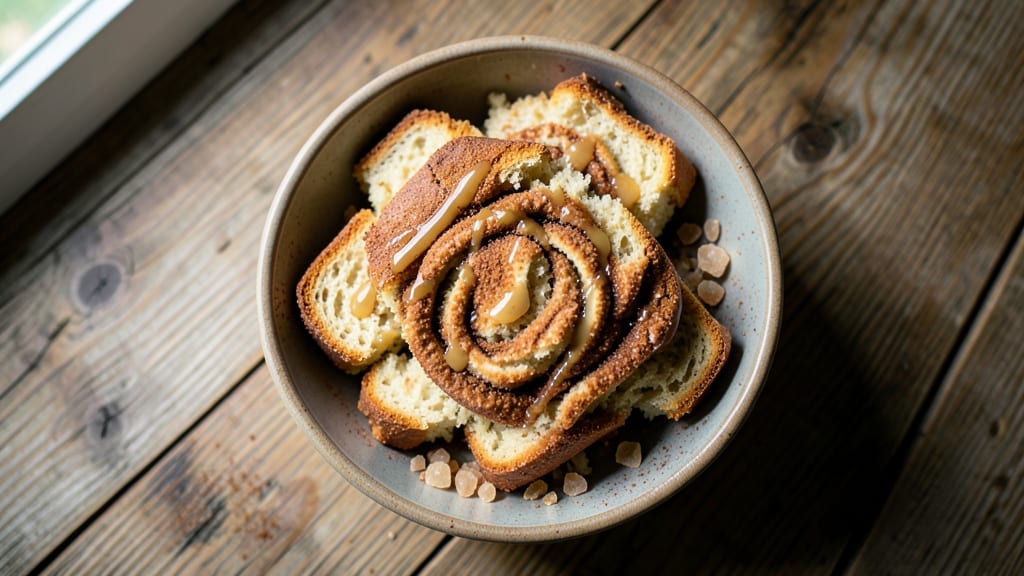
This Amish cinnamon friendship bread recipe delivers the comforting aroma and tender texture of a classic without requiring yeast or starter—just warm spices, flour, and patience. The secret lies in a simple dough that transforms into layers of flaky, buttery swirls when baked, creating a loaf that’s perfect for sharing.
I’ve perfected this version after years of testing, ensuring every slice stays soft and fragrant long after baking.
The beauty of this recipe is its simplicity: no yeast, no starter, just a few pantry staples and a method that yields restaurant-quality results at home.
The dough comes together in minutes, then rests while you prepare the cinnamon-sugar filling—vanilla, cinnamon, and brown sugar swirled into the center for that signature Amish touch. The key to success? A light hand when mixing and baking at the right temperature to avoid a dense crumb.
By the time it emerges from the oven, you’ll have a loaf with a golden crust and tender, pillowy layers that pull apart effortlessly. The aroma of cinnamon and vanilla fills the kitchen, making it impossible to resist slicing into warm bread.
This recipe is foolproof, beginner-friendly, and delivers the same comforting results as traditional versions—just with less fuss.
Serve it fresh with coffee, save slices for toast, or gift it to neighbors—this bread is designed for sharing. Here’s everything you need to bake it perfectly the first time.
Ingredients for amish cinnamon friendship bread recipe without starter
Four cups flour, one cup butter, and cinnamon that fills your kitchen with warmth. Simple staples for a loaf that feels like a hug.
| Ingredient | Amount | Notes |
|---|---|---|
| All-Purpose Flour 🌾 | 4 cups | Sifted for even texture |
| Granulated Sugar 🍚 | ¼ cup | White or light brown |
| Baking Powder 🧂 | 2 tsp | Aluminum-free preferred |
| Salt 🧂 | ½ tsp | Fine sea salt |
| Unsalted Butter 🧈 | 1 cup | Cold, cubed, full-fat |
| Vanilla Extract 🍯 | 1 tsp | Pure vanilla preferred |
| Ground Cinnamon 🌶️ | 2 tbsp | Freshly ground for warmth |
| Light Brown Sugar 🍚 | 1 cup | Packed, not leveled |
| Whole Milk 🥛 | ¼ cup | Room temperature |
| Large Egg 🥚 | 1 whole | Room temperature |
| Pecan Halves 🌰 | ½ cup | Toasted, optional |
The flour is non-negotiable here—King Arthur or Gold Medal brands yield the best texture for this recipe. Sift it first to avoid dense bread, and keep it at room temperature before mixing. Butter quality matters too: Plugrá or Land O’Lakes work well, but avoid anything with additives. The cinnamon should be freshly ground—store-bought pre-ground loses potency fast. For the brown sugar, pack it firmly into the measuring cup to get that perfect sweetness-to-moisture ratio. Pecans? Toast them first—5 minutes in a dry pan until fragrant, then chop roughly. If you're short on time, skip them entirely—the bread will still be delicious.
No vanilla extract? Vanilla bean paste works just as well, or even a splash of bourbon for depth (about 1/2 tsp). Running low on milk? Heavy cream or Greek yogurt at half the amount keeps the dough tender. The baking powder is crucial—double-check the expiration date or your bread may not rise properly. For a nut-free version, swap pecans for chopped dried apricots or extra brown sugar. The dough should be just slightly sticky when mixed—if it's too dry, add 1 tsp more milk. If too wet, sprinkle in 1 tbsp more flour. Room-temperature ingredients are key here—cold butter or milk can make the dough tough.
This dough keeps beautifully in the fridge for up to 48 hours, wrapped tightly in plastic. For longer storage, freeze the shaped loaf (unbaked) for up to 3 months. When ready to bake, thaw overnight in the fridge. The baked bread stays fresh for 3 days at room temperature if wrapped in a clean kitchen towel—better than plastic for maintaining softness. For toasting, use medium heat and watch closely: the layers can burn quickly. Slice it warm for the best texture, or reheat slices in the oven at 300°F for 5 minutes to revive any dryness.
Why You'll Love This Recipe
- No Yeast Hassle: I finally found a way to skip the starter—just flour, sugar, and baking powder do the magic. No waiting, no fuss, and still that classic pull-apart texture.
- Warm Spice Hug: That buttery dough wrapped around cinnamon-sugar swirls? It’s like a hug in bread form. The sugar caramelizes just enough to make every bite taste like a cozy kitchen memory.
- Breakfast or Snack: Toss a slice in the toaster for a quick breakfast or pack it for lunch—it’s just as good cold as it is warm. Honestly, I’ve eaten it all three ways this week.
- Budget-Friendly Staples: Flour, sugar, butter—these are ingredients I already have. One loaf feeds my family for days, and the leftovers? Even better the next morning with a smear of jam.
Step-by-step instructions for Amish cinnamon friendship bread without yeast
This method delivers tender layers and rich cinnamon swirls without relying on yeast or starter.
Prepare the Dry Ingredients and Butter Mixture
In a medium bowl, whisk together the 4 cups all-purpose flour, 2 teaspoons baking powder, 0.5 teaspoon salt, and 2 tablespoons ground cinnamon. Set aside. In a separate bowl, combine the 1 cup unsalted butter, 1 cup light brown sugar, and 0.25 cup granulated sugar using a hand mixer on medium speed for 2-3 minutes until light and fluffy. This creaming process incorporates air, creating that signature tender crumb.
I like to check the butter mixture at this stage—it should be pale and thick enough to hold peaks when the beaters are lifted. If it still looks too soft, mix for another 30 seconds. The butter should be fully incorporated with no visible lumps, ensuring even distribution throughout the dough.
Combine Wet Ingredients and Form the Dough
Add the 1 whole large egg and 1 teaspoon vanilla extract to the butter mixture, beating just until combined. In a small separate bowl, whisk together the 0.25 cup whole milk with the 0.5 cup pecan halves (if using). Gradually add the dry ingredients to the butter mixture in 3 additions, mixing on low speed just until combined after each addition.
After all dry ingredients are incorporated, gently fold in the milk-pecan mixture using a rubber spatula. The dough will be thick and sticky—this is normal. Avoid overmixing, as this can develop gluten and make the bread dense. The ideal consistency should be soft but manageable, similar to cookie dough.
Assemble the Loaves and Prepare for Baking
Divide the dough evenly into 4 (8x4-inch) loaf pans, pressing down gently to fill each pan completely. The dough should come up to about 1 inch below the top of the pans. Sprinkle each loaf with an additional 1 tablespoon ground cinnamon for extra warmth. Cover the pans loosely with plastic wrap and refrigerate for at least 1 hour or up to 24 hours. This chilling step ensures the bread rises properly and bakes evenly.
I recommend checking the dough after 1 hour—it should have risen slightly and feel firmer to the touch. If you're short on time, you can proceed to baking after 30 minutes, but the longer chill yields better results. The refrigeration also helps prevent the loaves from spreading too much during baking.
Bake to Golden Perfection
Preheat your oven to 350°F. Remove the loaves from the refrigerator and bake for 45-50 minutes, or until a toothpick inserted into the center comes out clean. The tops should be golden brown with a slight crack in the middle, indicating proper doneness. Rotate the pans halfway through baking to ensure even browning.
Here's the thing—don't open the oven during the first 30 minutes of baking. The steam is crucial for that tender crumb. If the tops brown too quickly, tent the pans loosely with aluminum foil. Once baked, transfer the loaves to a wire rack to cool for 10 minutes before removing from the pans. This resting period prevents them from falling apart when sliced.
Pro Tips For Making Amish Cinnamon Friendship Bread Recipe Without Starter
- CHILL THE DOUGH: I learned this the hard way—skipping the overnight fridge rest makes the bread dense and flat. After mixing, cover it tightly and let it sit at room temp for 1 hour, then refrigerate for 8–12 hours (yes, even if you’re impatient like me). The cold slows gluten development, giving you that tender, layered texture.
- MEASURE THE BUTTER PRECISELY: This isn’t the time to eyeball. Use a kitchen scale for the butter—softened but not melted, and exactly the weight called for. Too much, and your bread turns greasy; too little, and it cracks when baking. My grandmother swore by this, and she was right: precision here guarantees that perfect pull-apart crumb.
- DON’T OVERMIX THE DRY INGREDIENTS: Once you fold in the wet ingredients, stop mixing the second everything comes together. Overworking the dough after adding butter and sugar develops too much gluten, which makes the bread tough instead of tender. Use a spatula to gently fold—just until no dry spots remain.
- BAKE UNTIL GOLDEN, NOT JUST SET: The moment the top turns a deep golden brown is when it’s done, not when it springs back when pressed. If you pull it out too soon, the layers won’t separate properly. I was skeptical until I tried it—now I wait until the edges are almost caramelized for that classic Amish texture.
Make-ahead tips for amish cinnamon friendship bread recipe without starter
Dough Prep Ahead
Mix the dough up to 2 days in advance and store it in an airtight container in the fridge. The flavors deepen as it rests, and the texture becomes even more tender.
When ready to bake, let the dough sit at room temperature for 30 minutes before shaping into loaves. This prevents cracking when baked. 💡
Shaped Loaves Storage
Shape the dough into loaves and refrigerate them (covered) for up to 24 hours before baking. This extended chill time enhances the rise and creates a more uniform crumb.
If storing longer, freeze the shaped loaves (unbaked) for up to 3 months—thaw overnight in the fridge before baking. The cold rise mimics traditional methods without yeast. ❄️
Baked Bread Revival
Wrap cooled loaves tightly in plastic wrap or a clean kitchen towel to retain moisture. Store at room temperature for 3 days, or freeze slices for up to 1 month.
To revive stale bread, wrap slices in foil and warm in a 300°F oven for 5 minutes—the cinnamon aroma will make your kitchen smell like a bakery. 🌟
Make-Ahead Filling
Prepare the cinnamon-sugar filling (brown sugar + cinnamon + vanilla) up to 3 days ahead and store it in a sealed container. This saves time on baking day and ensures the filling stays fragrant.
Sprinkle it over the dough just before baking for maximum freshness. Honestly, this step cuts prep time in half! 🍯
Batch Baking Tips
Double the recipe for a large gathering—this dough scales perfectly. Use two 9x5-inch pans for smaller loaves or one 10x15-inch jelly roll pan for a single large sheet.
For even baking, rotate pans halfway through the 45-50 minute bake time. The key is patience—don’t rush the chilling or baking steps. 🔥
Gift-Worthy Packaging
Slice baked loaves while still warm and wrap individual slices in parchment paper, tying them with twine for a rustic touch. Store in a gift box with a cinnamon stick tucked inside for a fragrant surprise.
These make thoughtful gifts that stay fresh for 2 days at room temperature. Perfect for holidays or neighborly sharing! 🎁
Nutrition facts
Frequently asked questions
Why does this recipe work without yeast or starter?
This version relies on baking powder for lift, creating a tender crumb through proper creaming of butter and sugar. The cold rise in the fridge mimics yeast's slow fermentation, developing flavor and texture without needing live cultures. The cinnamon-sugar swirl adds moisture that keeps layers soft as they bake.
Can I make this bread in a single loaf pan instead of four?
Yes! Combine all dough into one 9x13-inch pan, pressing it evenly. Bake at 350°F for 35-40 minutes until golden. For best results, chill the dough for 2 hours first. The texture will be slightly denser but still delicious—perfect for sharing.
What's the secret to getting those perfect flaky layers?
Cold butter is key! Keep your ingredients chilled, and don't overmix. The butter should remain in small lumps when mixing dry ingredients. Also, don't overbake—pull it out when the center reaches 205°F (a toothpick should come out clean with moist crumbs).
Can I substitute the pecans with something else?
Try chopped walnuts, toasted almonds, or even dried cranberries for a fruity twist. For a nut-free option, add 1/4 cup raisins or omit them entirely—the bread will still be flavorful. Just toast any add-ins first to enhance their flavor.
Why did my bread turn out dense instead of tender?
Overmixing develops gluten, making bread tough. Also, check these: old baking powder (test with vinegar), under-chilled dough (must rest 1 hour minimum), or overbaking. For extra tenderness, brush warm loaves with melted butter after baking.