
Appetizers
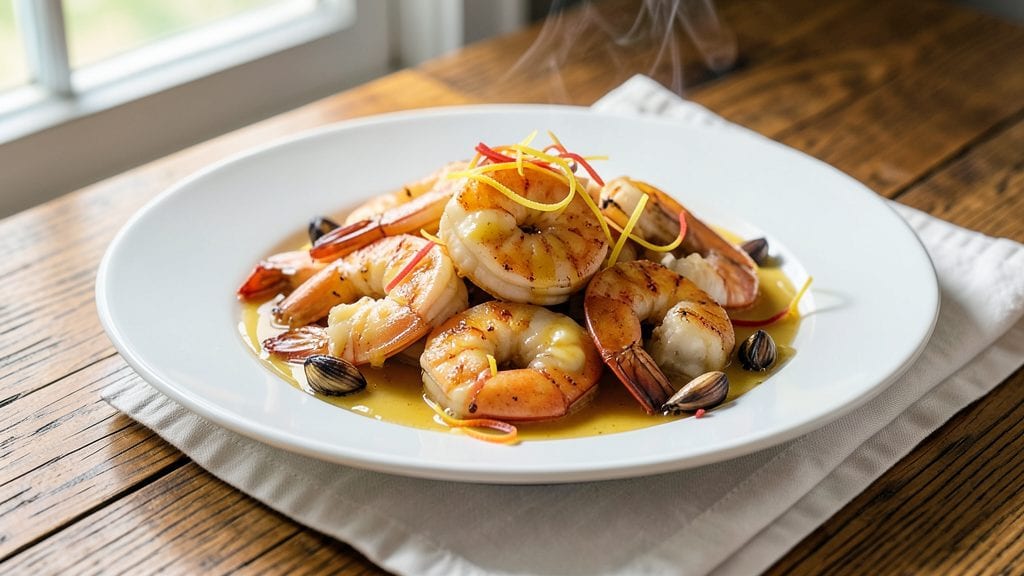
Alton Brown's shrimp scampi recipe delivers restaurant-quality buttery garlic-lemon sauce magic in under 30 minutes. The secret lies in proper shrimp cooking and sauce reduction—techniques Alton perfected for that signature velvety, aromatic finish.
I’ve recreated his method to ensure tender shrimp and a sauce so rich it clings to every bite.
This dish transforms simple ingredients—fresh shrimp, garlic, white wine, butter, and lemon—into a pescatarian masterpiece that’s perfect for weeknight dinners or special occasions.
The key is deglazing the pan with wine to capture all those flavorful browned bits, then reducing the sauce until it’s just thick enough to coat the shrimp beautifully. Crusty bread or pasta makes this a complete meal.
By the time you plate this dish, you’ll have perfectly cooked shrimp with crispy edges and tender centers, all swimming in a sauce that’s bright, garlicky, and irresistibly buttery.
The aroma alone will have everyone at the table anticipating the first bite. Whether you’re feeding a crowd or treating yourself, this recipe delivers professional results with minimal effort.
For those with dietary restrictions, gluten-free bread or pasta works just as well—just ensure your sides complement the dish without overpowering it. Let’s get cooking! The only thing left is to experience Alton Brown’s shrimp scampi magic for yourself.
Ingredients for alton brown shrimp scampi
Fresh shrimp, cold butter, and aromatic garlic transform into Alton Brown's signature scampi sauce.
| Ingredient | Amount | Notes |
|---|---|---|
| Large Shrimp, Peeled and Deveined 🦐 | 1 ½ lb | 16-20 count, tails on for presentation |
| Unsalted Butter 🧈 | ¾ cup | Cold, cut into 1-inch pieces |
| Garlic Cloves 🧄 | 8 cloves | Minced, fresh preferred |
| Dry White Wine 🍷 | ½ cup | Sauvignon Blanc or Pinot Grigio |
| Fresh Lemon Juice 🍋 | ¼ cup | From 2 medium lemons |
| Zest of 1 Lemon 🍋 | 1 tbsp | Finely grated |
| Diamond Crystal Kosher Salt 🧂 | 1 ½ tsp | For seasoning shrimp |
| Ground Black Pepper 🌶️ | ½ tsp | Freshly cracked |
| Fresh Parsley 🌿 | ¼ cup | Chopped, for garnish |
| Extra-Virgin Olive Oil 🫒 | 2 tbsp | For sautéing shrimp |
| Crusty Bread 🍞 | 8 slices | Baguette or ciabatta |
| Heavy Cream 🥛 | ¼ cup | Optional for richer sauce |
The shrimp quality is non-negotiable here—16-20 count per pound ensures even cooking and optimal texture. Look for frozen wild-caught shrimp at stores like Whole Foods or Trader Joe's if fresh isn't available, just thaw completely before using. The butter should be European-style if possible (like Plugrá), as it has higher fat content for that signature richness. Garlic cloves should be plump and firm, with no green shoots—California-grown varieties tend to have the best flavor. For wine, dry whites like Sauvignon Blanc work best, avoiding anything too oaky.
No white wine? Substitute with shrimp stock plus 1 tbsp lemon juice for acidity. Fresh garlic unavailable? Garlic powder at half the amount works, though it lacks depth. Heavy cream optional but recommended for restaurant-quality richness—substitute with Greek yogurt for tanginess if needed. The crusty bread should be lightly toasted before serving to prevent sogginess. For extra lemon flavor, zest the entire lemon before juicing—it adds aromatic complexity. If your shrimp has tails, leave them on for presentation but remove before cooking.
Fresh shrimp should be used within 2 days of purchase. Store uncooked shrimp in the coldest part of your fridge, wrapped in a paper towel. The cooked shrimp and sauce keep for 3 days in the refrigerator, though the sauce thickens further overnight. For longer storage, freeze the sauce in ice cube trays—perfect for quick pasta additions later. The crusty bread is best served immediately, but you can reheat it in a 200°F oven for 5 minutes to revive crispness. This dish reheats beautifully—simply warm the sauce and toss with previously cooked shrimp.
Why You'll Love This Recipe
- One-Pan Magic: I swear by this recipe when I’m too tired to scrub pots—just shrimp, butter, garlic, and wine in one skillet. The wine reduces into a glossy sauce that clings to everything, so you’re basically getting a restaurant-worthy meal with zero extra effort.
- Garlic-Wine Euphoria: That moment when the butter melts into the garlic, then gets deglazed with wine? Pure flavor gold. The lemon brightens it all up, but it’s the garlic’s lingering warmth that makes this dish dangerously hard to stop eating.
- Weeknight to Date Night: Serve it over pasta with a sprinkle of parsley for a 15-minute weeknight dinner, or drizzle it over crusty bread for a fancy appetizer. Honestly, I’ve pulled it off for both—no stress, just deliciousness.
- Leftover Luxury: The sauce thickens beautifully when reheated, so leftovers taste just as good the next day. I’ll be real: I’ve eaten this cold in a sandwich the morning after, and it’s still a winner. Budget-friendly, too—shrimp stretches far when you’re smart about portions.
Step-by-step instructions for Alton Brown's shrimp scampi recipe
Here's how to create Alton Brown's signature buttery garlic-lemon shrimp scampi with restaurant-quality results.
Prepare the Shrimp and Build the Flavor Base
Pat the 1.5 lb large shrimp, peeled and deveined thoroughly with paper towels to remove all moisture. Season immediately with 1.5 tsp diamond crystal kosher salt and 0.5 tsp ground black pepper, tossing gently to ensure even coating. This step is crucial—wet shrimp will steam rather than sear, resulting in a less flavorful dish.
In a large skillet, heat 2 tbsp extra-virgin olive oil over medium-high heat until shimmering. Add the shrimp in a single layer and cook undisturbed for 1-2 minutes per side until they turn opaque and slightly pink. Remove shrimp to a plate and set aside. The key here is to develop a golden crust—don't overcrowd the pan or the shrimp will steam instead of sear.
Develop the Garlic-Butter Sauce
Reduce heat to medium and add 0.75 cup unsalted butter, cut into 1-inch pieces. Allow the butter to melt completely, then add 8 cloves minced garlic cloves. Cook for 30-45 seconds until the garlic becomes fragrant but not browned—this prevents bitterness. Here's where the magic happens: the butter should foam gently, creating a luxurious base for the sauce.
Pour in 0.5 cup dry white wine and scrape up any browned bits from the pan with a wooden spoon. This deglazing step captures all the shrimp flavor that settled during cooking. Simmer the wine mixture for 2-3 minutes until reduced by half, allowing the alcohol to cook off and intensify the flavors.
Finish with Lemon and Cream
Add 0.25 cup fresh lemon juice, 1 tbsp zest of 1 lemon, and 0.25 cup heavy cream to the skillet. Stir constantly for 1-2 minutes until the sauce thickens slightly and coats the back of a spoon. The lemon zest should dissolve completely, adding bright citrus notes that cut through the richness of the butter. Taste and adjust seasoning with additional salt if needed.
Return the shrimp to the skillet and toss gently to coat them in the sauce. Cook for an additional 30 seconds to heat through completely. The shrimp should be fully opaque with a slightly pink center, and the sauce should cling beautifully to each piece. Remove from heat immediately—overcooking will turn the shrimp rubbery.
Serve with Crusty Bread
Transfer the shrimp to a serving platter and garnish generously with 0.25 cup chopped fresh parsley. Serve immediately with 8 slices crusty bread on the side for dipping. The bread should be fresh from the oven—its crisp crust contrasts perfectly with the buttery sauce. For an elevated presentation, arrange the shrimp in a circular pattern on the platter, allowing the sauce to pool attractively in the center.
This dish shines when served immediately, so don't let it sit. The sauce will continue to thicken slightly as it cools, but the shrimp will remain tender and succulent. Each bite should deliver a perfect balance of buttery richness, garlicky depth, and bright citrus acidity—exactly the kind of restaurant-quality result Alton Brown's method delivers.
Pro Tips For Making Alton Brown Shrimp Scampi
- Use Two Stages for Butter: Melt half the butter first to coat the shrimp—this locks in flavor before the garlic hits. Save the rest for deglazing so you don’t scorch the pan when adding wine. I learned this the hard way after burning three batches of garlic.
- Sear Shrimp Skin-Side Down: If your shrimp still have shells on, sear them skin-side down first for 30 seconds—it renders fat and adds depth. Skip this, and your sauce will taste flat. (Yes, even if you’re impatient like me.)
- Reduce Wine Before Adding Lemon: Let the wine simmer until it’s halfway reduced before stirring in lemon juice. This concentrates the flavor and cuts the acidity, so the dish doesn’t taste sharp. I was skeptical until I tried it—now I never skip it.
- Toss Shrimp in Butter: After cooking, lift the shrimp out and toss them in the remaining cold butter off the heat. This coats them evenly and keeps them tender. Does it look weird? Yes. Does it work? Every single time.
Storing and reheating your alton brown shrimp scampi
Refrigerator Storage
Store cooked shrimp scampi in an airtight container with a lid for up to 3 days in the refrigerator. The sauce will thicken slightly as it cools, but this actually enhances flavor—just add 1-2 tablespoons of water or white wine when reheating if it becomes too stiff.
I recommend using glass containers like Pyrex to maintain freshness and prevent odors from seeping in. 💡
Freezer-Friendly Sauce
For longer storage, freeze the sauce separately in ice cube trays—this makes it perfect for quick pasta additions later. Once frozen, transfer cubes to a ziplock freezer bag and label with the date.
The sauce keeps for up to 3 months without losing its velvety texture. Thaw overnight in the fridge before reheating gently on the stovetop.
Reheating Shrimp
To reheat shrimp scampi, place it in a skillet over medium-low heat with 1-2 tablespoons of water or white wine to prevent drying. Warm for 2-3 minutes until the sauce is bubbly and the shrimp reaches 145°F internally.
Avoid microwaving—it turns the shrimp rubbery and makes the sauce greasy. For extra richness, stir in 1 tablespoon of butter while reheating. ✨
Reviving Crusty Bread
If serving leftovers, toast the crusty bread separately in a 200°F oven for 5 minutes to restore its crispness. The bread absorbs sauce quickly, so serve it alongside rather than directly on top.
For a make-ahead meal, prepare the sauce and shrimp ahead, then assemble just before serving with freshly toasted bread. This keeps everything at its best. 🍞
Sauce Thickening Tips
If the sauce seems too thin after reheating, simmer it uncovered for 1-2 minutes to reduce. For extra body, whisk in 1 teaspoon of cornstarch mixed with 1 tablespoon of water until thickened.
The key is to keep the sauce warm but not boiling—this preserves its delicate balance of garlic, lemon, and butter. 🧈
Portioning for Meals
Divide the shrimp scampi into individual portions before storing to make reheating easier. I like using ramekins for single servings—they reheat evenly and keep the shrimp and sauce together.
Label each container with the date and reheat only what you need, keeping the rest refrigerated for up to 3 days. This method saves time and prevents waste. 💪
Nutrition facts
Frequently asked questions
Can I use frozen shrimp in Alton Brown's shrimp scampi?
Yes, but thaw them completely first by placing in a sealed bag in cold water for 10-15 minutes. Pat them very dry before cooking—any moisture will prevent proper searing. For best results, opt for wild-caught frozen shrimp labeled as "peeled and deveined" to match the recipe's texture.
What white wine works best for the sauce?
Use a dry white wine like Sauvignon Blanc or Pinot Grigio—avoid oaky Chardonnays or sweet wines. The alcohol cooks off, leaving behind bright acidity that balances the butter. A budget-friendly option is Trader Joe's "Two-Buck Chuck" (Cabernet Sauvignon works surprisingly well too).
Why did my garlic burn so quickly?
Garlic burns fast because it releases oils when minced. Cook it over medium heat for only 30-45 seconds until fragrant but not golden. For foolproof results, try smashing whole garlic cloves with the side of your knife instead of mincing—this reduces surface area and prevents burning.
Can I make this recipe gluten-free?
Skip the crusty bread and serve with gluten-free baguette slices or a side of roasted vegetables. The sauce itself is naturally gluten-free—just ensure your wine and broth (if substituting) are certified gluten-free. For extra flavor, toss cooked shrimp with gluten-free pasta and a splash of the sauce.
How do I fix rubbery shrimp?
Overcooking is the usual culprit—shrimp should cook for 1-2 minutes per side until just opaque. If yours turned rubbery, try reheating gently in a skillet with 1 tbsp butter and 1 tbsp lemon juice over low heat for 30 seconds. For future batches, use a meat thermometer—shrimp is done at 145°F internal temp.