
Sauces & Condiments
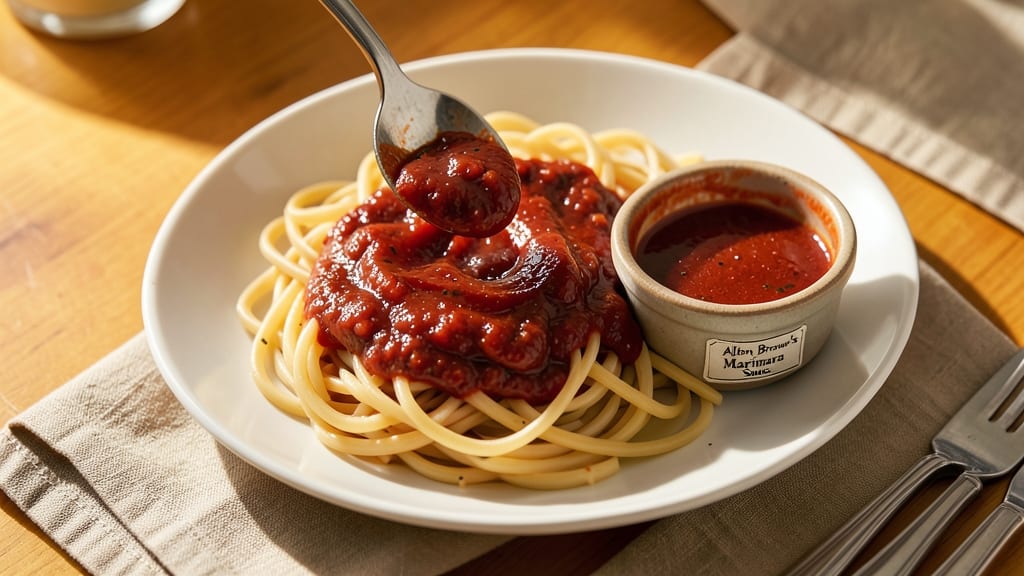
Alton Brown's marinara sauce recipe transforms simple canned tomatoes into a deeply flavorful, restaurant-quality sauce with just a few strategic techniques. The secret lies in simmering—low and slow—to develop concentrated tomato flavor while building layers of aromatic herbs.
I’ve adapted his approach to create a version that’s foolproof yet packed with professional-level depth, perfect for everything from pasta to pizza.
This sauce starts with high-quality canned tomatoes (never skip the juice!) and a simple aromatic base of garlic, onion, and celery. The real magic happens during the 30-minute simmer, where the flavors meld into a velvety, well-balanced sauce with no added sugar or preservatives.
A splash of red wine (optional but recommended) adds brightness, while fresh basil at the end ensures that vibrant, herbaceous finish. The result? A sauce that’s richer than jarred versions but still effortless to make.
What makes this marinara stand out is its versatility—use it as a quick weeknight sauce or let it develop overnight for even deeper flavor. The texture is smooth yet clingy, clinging perfectly to noodles, meatballs, or grilled vegetables.
It also freezes beautifully, making it a pantry staple for busy nights. Whether you're a home cook or a sauce enthusiast, this recipe delivers professional results without the fuss.
For those who love customization, try adding a splash of balsamic vinegar for tang or a pinch of smoked paprika for depth. The base recipe remains the same, but these tweaks open doors to endless variations—all while keeping the core technique intact.
Let’s get started on creating your own herb-infused, simmered-perfect marinara that’ll elevate every dish.
Ingredients for alton brown marinara sauce
High-quality canned tomatoes and aromatic vegetables form the foundation of this restaurant-quality marinara sauce.
| Ingredient | Amount | Notes |
|---|---|---|
| San Marzano Whole Canned Tomatoes 🍅 | 28 oz | Juice included, crushed by hand |
| Extra-Virgin Olive Oil 🫒 | ½ cup | High-quality, fruity variety |
| Yellow Onion 🧅 | 1 whole | Medium size, finely diced |
| Celery Stalks 🥬 | 2 whole | Trimmed, finely chopped |
| Garlic Cloves 🧄 | 4 cloves | Peeled, minced finely |
| Dry Red Wine 🍷 | ½ cup | Cabernet Sauvignon preferred |
| Fresh Basil Leaves 🌿 | ⅓ cup | Packed, finely chopped |
| Diamond Crystal Kosher Salt 🧂 | 1 ½ tsp | Adjust to taste |
| Freshly Ground Black Pepper 🌶️ | ½ tsp | Coarsely cracked |
| Granulated Sugar 🍚 | 1 tsp | Balances acidity |
The tomatoes are the heart of this sauce, so San Marzano cans are non-negotiable—their sweet, meaty texture and low acidity create the perfect base. Whole tomatoes allow you to control the crushing process, preserving the juice which carries vital flavor. For the aromatic vegetables, yellow onion and celery should be finely diced to create a sofrito that dissolves into the sauce. I source my tomatoes from Whole Foods Market or Trader Joe's, where they consistently maintain high standards. The garlic should be minced finely—almost paste-like—to distribute flavor evenly without bitterness. Fresh basil is essential here; even the best dried basil can't replicate its vibrant aroma.
No red wine? Substitute with additional tomato juice or vegetable broth, though you'll lose some depth. For the sugar, honey or maple syrup work in a pinch, but granulated sugar dissolves more cleanly. If you're avoiding alcohol entirely, balsamic vinegar at half the amount adds complexity. The olive oil should be extra-virgin—cheap oil will make the sauce taste flat. For the salt, Diamond Crystal kosher dissolves completely, unlike table salt which can leave grit. If you're making this ahead, reduce the sugar slightly as flavors intensify during storage.
This sauce develops beautifully over time—24 hours of refrigeration deepens the flavors dramatically. Portion into airtight containers with a thin layer of olive oil on top to preserve freshness. Keeps for 5 days refrigerated or 3 months frozen. For freezing, use glass jars with at least 1-inch headspace to prevent cracking. Thaw overnight in the fridge before reheating. The sauce thickens as it cools, so add a splash of water or tomato juice when reheating if needed. Always taste before serving—adjust salt and pepper to your preference.
Why You'll Love This Recipe
- No Chopping Chaos: I swear by this recipe because it’s the only marinara where I actually enjoy chopping the onion and celery—just three stalks each, and you’re done. No dicing, no mincing, just rough chop and go. Alton’s technique with the whole San Marzano tomatoes means you’re not drowning in seeds or skin, either. That’s 15 minutes saved right there.
- San Marzano Magic: Between us, if you’ve never used whole canned San Marzano tomatoes, you’re missing out. The flavor is clean—no mealy texture, just bright, sweet acidity that sings when simmered low. The olive oil finish? Rich but not heavy, thanks to that slow reduction. Honestly, this sauce tastes like it’s been simmering all day, even if you’re rushing.
- Pasta Party Ready: This sauce doesn’t just work for spaghetti—it’s my go-to for lazy weeknights, potlucks, or when my college-aged kids bring friends over. Double the batch, freeze half, and you’ve got a backup for when takeout feels like too much effort. (Yes, even on a Tuesday night.) The balance of garlic and onion means it plays nice with everything from meatballs to grilled chicken.
- Leftovers That Don’t Suck: I make this sauce every two weeks because it’s the only leftovers I don’t dread. The texture thickens beautifully over time, and the flavor actually deepens—no sad, watery regret. Plus, it’s budget-friendly: a single can of tomatoes stretches to four meals, and the olive oil goes a long way. That’s $3 worth of flavor that lasts.
Step-by-step instructions for alton Brown's marinara sauce
Here's the method that delivers restaurant-quality depth with every spoonful.
Sauté the Aromatic Base
Heat the 0.5 cup extra-virgin olive oil in a heavy saucepan over medium-low heat. Add the 1 whole yellow onion and 2 whole celery stalks, both finely diced from the ingredients list. Cook for 8-10 minutes, stirring occasionally, until the vegetables soften and become translucent. You'll notice the onions release their moisture and the celery loses its crisp bite.
This foundational step builds flavor through the Maillard reaction. Don't rush this phase—properly cooked aromatics form the sauce's backbone. Once the vegetables are tender, add the 4 cloves garlic cloves, minced finely, and cook for an additional 1 minute until fragrant. The garlic should just begin to color without browning—overcooking turns it bitter.
Deglaze and Incorporate Tomatoes
Pour in the 0.5 cup dry red wine, scraping the bottom of the pan with a wooden spoon to release all the browned bits. Allow the wine to simmer for 3-4 minutes until reduced by half. This deglazing step captures all the concentrated flavors you've built so far.
Add the 28 oz San Marzano whole canned tomatoes, crushed by hand as specified, along with the 1 tsp granulated sugar and 1.5 tsp Diamond Crystal kosher salt. Stir well to combine. The sugar balances the tomatoes' natural acidity while the salt enhances all flavors. Bring the mixture to a gentle simmer over medium heat and let it cook uncovered for 20 minutes, stirring occasionally.
Build Depth Through Reduction
After 20 minutes, reduce the heat to low and continue simmering for another 30-40 minutes. This slow reduction develops the sauce's complex flavor profile. You'll see the sauce thicken noticeably as moisture evaporates. Stir occasionally to prevent sticking, but avoid constant stirring which can break down the tomatoes' texture.
Here's the moment that matters: taste the sauce after 30 minutes. It should be rich and balanced, with the acidity softened but still present. If it needs more salt, add it now—you can always adjust later, but you can't remove excess salt. The sauce should coat the back of a spoon with a velvety consistency.
Finish with Herbs and Pepper
Remove the sauce from heat and stir in the 0.33 cup fresh basil leaves, chopped finely, and 0.5 tsp freshly ground black pepper. The basil adds bright, aromatic freshness that cuts through the sauce's richness. Let the mixture steep for 5 minutes off the heat to allow the basil to infuse fully.
For the perfect texture, press the basil through a fine-mesh strainer to remove any fibrous bits while keeping the vibrant green color. The finished sauce should be smooth, glossy, and deeply flavorful. If you prefer a slightly thicker consistency, simmer uncovered for an additional 5-10 minutes to reduce further. The sauce will continue thickening as it cools.
Pro Tips For Making Alton Brown Marinara Sauce
- CRANK THE HEAT FIRST: Don’t simmer the onions and celery right away—get them sizzling in that olive oil over medium-high heat until they’re deeply golden, not just soft. I used to rush this, and my sauce always tasted dull. The caramelization happens fast, so keep your eye on it and stir like you’re mad.
- SMASH THOSE TOMATOES: Skip the blender—use your hands (or a heavy spoon) to crush the San Marzano tomatoes right in the pot. This breaks the skins just enough to release flavor without turning the sauce into a puree. Yes, it’s messy, but it makes a real difference in texture and depth.
- SALT THE GARLIC WATER: When you infuse the garlic in water, toss in a pinch of salt. It keeps the cloves from sticking to the pot and mellows their sharpness as they cook. I learned this the hard way—burnt garlic water is a disaster, and salting prevents that.
- RESERVE THAT STARCHY WATER: Don’t dump that garlic-infused water down the drain—strain it and set it aside. Stir a splash back into the finished sauce at the end. It adds a subtle richness and balances acidity without overpowering the tomatoes. (Your future self will thank you.)
Wine and beer pairings for these flavors
Red Wine Pairings
A bold Chianti Classico from Tuscany is my go-to pairing for this marinara—its bright acidity and cherry notes mirror the sauce's tomato base while the earthy undertones complement the herbs.
I recommend Castello di Volpaia Chianti Classico for its balanced structure that stands up to the sauce's richness without overpowering it. Serve slightly chilled (55-60°F) to refresh your palate between bites of pasta. 🍷
Light Beer Complements
For beer lovers, a crisp Italian lager like Peroni or Birra Moretti cuts through the sauce's richness with its clean, effervescent finish. The subtle malt sweetness enhances the tomatoes' natural sugars, while the carbonation cleanses your palate.
If you prefer hoppier options, try a German wheat beer (Weissbier) like Weihenstephaner—its citrusy notes pair beautifully with the basil and garlic. 🍺
White Wine Alternatives
If you prefer white wine, a dry Vermentino from Sardinia offers the perfect balance—its mineral notes and citrus brightness elevate the sauce's herbal qualities. I love Cantina Mesu e Merus Vermentino for its crisp acidity.
For a more affordable option, Pinot Grigio from Alto Adige works well, though it lacks the depth of Vermentino. Both wines should be served slightly chilled (45-50°F) to enhance their refreshing qualities. ✨
Rosé for Versatility
A dry, food-friendly Provence rosé like Château d'Esclans Whispering Angel bridges the gap between red and white wines, offering versatility for any meal. Its strawberry and citrus notes harmonize with the sauce's tomato and basil flavors while providing a lighter option.
Serve at 50-55°F to let its delicate aromas shine through each spoonful.
Non-Alcoholic Options
For a non-alcoholic pairing, sparkling San Pellegrino Aranciata or Fever-Tree Blood Orange Soda adds a refreshing contrast. The citrus notes complement the basil and garlic, while the bubbles cleanse your palate. For a still option, try San Pellegrino Limonata—its bright lemon flavor enhances the sauce's herbal complexity. 💫
Nutrition facts
Frequently asked questions
Can I make this marinara sauce without red wine?
The red wine adds depth and acidity balance, but you can substitute with 0.5 cup tomato juice or vegetable broth. For extra brightness, add 1 tablespoon balsamic vinegar instead. The sauce will still develop rich flavor, just with slightly less complexity.
How do I adjust the thickness of the sauce?
For a thicker sauce, simmer uncovered for an extra 5-10 minutes after the initial 50-minute cook time. If it becomes too thick, thin with 1-2 tablespoons water or tomato juice. The sauce will naturally thicken as it cools, so taste before serving.
Can I use this sauce for other dishes besides pasta?
This versatile marinara works perfectly for pizza sauce, meatballs, grilled chicken, or even as a dipping sauce for crusty bread. For pizza, reduce the sauce slightly to concentrate the flavors. The herb-infused richness elevates any dish.
What's the best way to store leftovers?
Store in an airtight container with a thin layer of olive oil on top to preserve freshness. Keeps for 5 days refrigerated or 3 months frozen. For freezing, use glass jars with 1-inch headspace to prevent cracking. Thaw overnight in the fridge before reheating.
Why does my sauce taste too acidic?
This usually happens if you didn't simmer long enough or used overly acidic tomatoes. Balance with 1 tsp sugar or 1/2 tsp baking soda (a pinch!) to neutralize acidity. For future batches, extend simmering to 60 minutes total to develop deeper flavor.