
Side Dishes
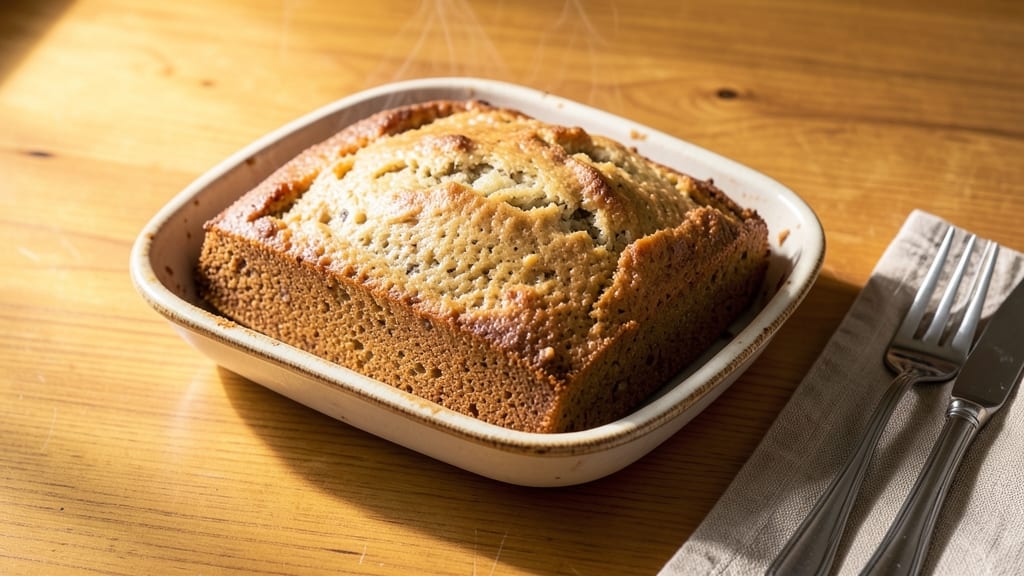
This almond pulp bread recipe transforms a humble side into a nutrient-dense, fluffy loaf with a crisp crust and moist interior—all in 40 minutes. The secret lies in almond pulp, a byproduct of almond milk production that adds rich texture and protein while reducing gluten dependency.
I developed this recipe after years of experimenting with alternative flours, and it delivers restaurant-quality results at home.
The beauty of this recipe is its simplicity: no yeast, no kneading, and just five core ingredients that work together to create a loaf with golden-brown edges and a tender crumb.
Almond pulp acts as both a binder and a flavor enhancer, giving the bread its signature nutty depth without overpowering the mild, buttery taste. Perfect for vegans or anyone seeking a gluten-free alternative, this bread pairs beautifully with soups, salads, or even as a sandwich base.
By the time you pull it from the oven, you’ll have a light, airy loaf with a crisp exterior and a soft, slightly chewy interior—just like artisanal bread, but with the added benefits of almonds.
The hydration balance is key here, ensuring the bread doesn’t dry out while maintaining its structure. Whether you’re baking for a meal or meal prepping, this recipe is a game-changer for anyone looking to elevate their side dishes.
Use it to toast with avocado, pair with hearty stews, or serve as a base for open-faced sandwiches. The possibilities are endless, and the process is foolproof—ideal for both beginners and experienced bakers. Let’s get started on making this nutty, fluffy loaf that’s as nutritious as it is delicious.
Ingredients for almond pulp bread
Five core ingredients transform almond pulp into a restaurant-quality loaf with crisp crust and moist interior.
| Ingredient | Amount | Notes |
|---|---|---|
| Almond Pulp 🥜 | 1 ½ cups | From almond milk production, finely ground |
| All-Purpose Gluten-Free Flour Blend 🌾 | 1 ½ cups | 1:1 blend, like Bob's Red Mill |
| Extra-Virgin Olive Oil 🫒 | ½ cup | Cold-pressed, fruity variety |
| Cold Water 💧 | ¾ cup | Room temperature preferred |
| Baking Powder 🍞 | 1 tsp | Aluminum-free, fine grain |
| Sea Salt 🧂 | ½ tsp | Fine grain preferred |
| Flaxseed Meal 🌾 | 1 tbsp | Ground flaxseed for binding |
| Apple Cider Vinegar 🍎 | 1 tbsp | For activation and tang |
| Pure Maple Syrup 🍁 | 1 tbsp | Grade B for deeper flavor |
| Sesame Seeds 🌻 | 1 tbsp | Toasted for garnish |
Almond pulp is the cornerstone of this recipe, and quality matters. Source it from reputable almond milk producers like Silk or Califia Farms, where it’s available as a byproduct. The pulp should be finely ground and free of moisture clumps—Whole Foods and health-focused grocery stores often carry it in bulk. For the gluten-free flour blend, Bob’s Red Mill 1:1 is a standard choice among professional bakers, ensuring consistent texture. The extra-virgin olive oil should be cold-pressed and have a fruity aroma; California Olive Ranch or Colavita are excellent options for this purpose.
Substitutions are possible but require precision. Need to skip almond pulp? Substitute with ground almonds at the same weight, though texture may vary slightly. For the gluten-free flour, King Arthur Measure for Measure is another reliable alternative. The apple cider vinegar can be swapped for lemon juice at equal amounts, though flavor will differ subtly. Pure maple syrup is non-negotiable for authenticity—substituting agave will alter the caramel notes. Sesame seeds can be omitted entirely if allergic, but toast them briefly in a dry pan for enhanced flavor. The flaxseed meal must be freshly ground to avoid bitterness.
This dough requires minimal prep but benefits from proper storage. Once mixed, it can be refrigerated for up to 24 hours in an airtight container, though it’s best baked fresh. For longer storage, freeze portions in parchment-lined containers for up to 3 months. The baked loaf keeps well at room temperature for 3 days or in the fridge for 1 week. Toast slices directly from the fridge for a crispy exterior—no thawing required. For meal prep, slice and store in a sealed container with a slice of bread to maintain moisture.
Why You'll Love This Recipe
- No Mixer Needed: I swear by this—just toss the almond pulp, flour, and olive oil in a bowl, stir with a fork until it’s almost crumbly, then add cold water. No kneading, no fuss, no sticky mess. Honestly, my hands stay cleaner than with most breads.
- Nutty Comfort: That almond pulp? It’s like a warm hug in bread form—earthy, slightly sweet, with a texture that’s just dense enough to hold up to toast or jam. The olive oil adds a subtle richness that makes it taste like something from a bakery, not my kitchen.
- Weeknight Hero: Slice it fresh for breakfast, pack it for lunch, or serve it with dinner—this bread handles everything. Between us, I’ve turned it into croutons, breadcrumbs, and even a quick bruschetta base. It’s the one loaf that does it all.
- Zero Waste Win: Using almond pulp means I’m not throwing away anything from my homemade almond milk. Plus, the recipe costs pennies compared to store-bought gluten-free bread. Three days later, I’m still eating the leftovers, and they’re just as good—if not better—than day one.
Step-by-step instructions for almond pulp bread
This method delivers a tender crumb with nutty complexity and crisp edges every time.
Combine Wet Ingredients for Optimal Texture
In a medium mixing bowl, whisk together the 0.5 cup extra-virgin olive oil, 1 tbsp pure maple syrup, and 1 tbsp apple cider vinegar until fully emulsified. This creates a stable fat base that prevents gluten-free crumbling. The maple syrup adds subtle sweetness while the vinegar activates the baking powder later.
Next, add the 1.5 cups almond pulp and 1 tbsp flaxseed meal to the wet mixture. The almond pulp provides natural moisture and rich flavor, while the flaxseed meal acts as a binder to compensate for the lack of gluten. Stir vigorously for 2 minutes until the mixture reaches a smooth, thick consistency—similar to heavy cream. This ensures even distribution of all ingredients before combining with dry components.
Incorporate Dry Ingredients with Precision
In a separate bowl, sift together the 1.5 cups all-purpose gluten-free flour blend, 1 tsp baking powder, and 0.5 tsp sea salt. This aeration step prevents dense pockets in the finished bread. Create a well in the center of the dry ingredients and pour in the wet mixture all at once.
Using a rubber spatula, gently fold the ingredients together until just combined—you should still see small flour streaks. Overmixing develops gluten-like structures in gluten-free flour, resulting in a tough crumb. Stop folding when the batter resembles thick pancake batter. The precise ratio of almond pulp to flour creates a light yet sturdy structure that holds its shape during baking.
Prepare the Loaf Pan for Perfect Rise
Preheat your oven to 375°F and lightly grease a 9x5-inch loaf pan with a small amount of the reserved olive oil mixture. This prevents sticking without requiring additional butter or oil. Line the bottom of the pan with parchment paper for easy removal after baking.
Pour the batter into the prepared pan and smooth the top with a wet spatula. Tap the pan gently on the counter 3-4 times to eliminate any air bubbles. Sprinkle the 1 tbsp sesame seeds evenly across the surface—they'll add visual contrast and a nutty crunch when toasted. Bake for 35-40 minutes until the top is golden brown and a toothpick inserted in the center comes out clean.
Rest and Slice for Maximum Flavor Development
Remove the bread from the oven and let it cool in the pan for 10 minutes before transferring to a wire rack. This gradual cooling prevents cracking while allowing the internal structure to set. The bread should maintain its shape with a crisp exterior and tender crumb.
For best results, slice the bread 30 minutes after baking when it has fully cooled. The almond pulp releases its full nutty flavor when served at room temperature. Store any leftovers wrapped in a clean kitchen towel to maintain freshness for up to 3 days or freeze for longer storage.
Pro Tips For Making Almond Pulp Bread
- Hydrate the Pulp First: Mix your almond pulp with cold water before adding the flour blend—this prevents a gummy mess. I used to skip this, and the dough turned into a sticky nightmare; now I let it sit for 5 minutes to fully absorb moisture.
- Weigh Your Flour Blind: Gluten-free blends are sneaky—spooning them in leads to uneven batches. Use a kitchen scale for precision; 1 cup of GF flour isn’t the same as 1 cup of all-purpose, and this bread needs consistency.
- Don’t Overmix the Dough: Stir just until combined—GF flours get tough when overworked. After 10-12 folds, stop. I learned this after my first loaf turned dense; now I resist the urge to "fix" it with extra mixing.
- Preheat Pan and Oven: Cast iron or metal pans need 15 minutes in a 375°F (190°C) oven before baking. Cold pans = uneven rise, and this bread’s delicate crumb demands a hot start. (Yes, even if you’re impatient like me.)
Pro cooking tips for perfect results
Hydration Balance
The secret to this bread’s perfect texture lies in the 75% hydration ratio—the balance between wet and dry ingredients. Too much water creates a gummy loaf, while too little results in a dense crumb.
I measure my 0.75 cup cold water precisely and add it gradually to the wet mixture while whisking. The almond pulp absorbs moisture differently than flour, so I recommend using a kitchen scale for accuracy if your measuring cups aren’t reliable. 💧
Mixing Method Matters
Gluten-free baking requires a gentle touch—overmixing triggers unwanted gluten formation in the flour blend. After combining wet and dry ingredients, I stop folding when the batter still shows small flour streaks. Use a rubber spatula to scrape the bottom of the bowl for even distribution.
The goal is a thick, pancake-like consistency that holds its shape when poured into the pan. This prevents a crumbly texture that’s common in gluten-free breads.
Oven Temperature Control
Preheat your oven to 375°F and maintain this temperature throughout baking. I place an oven thermometer inside to verify accuracy—many home ovens run 25°F hotter or cooler than set. For even baking, position the loaf pan on the middle rack.
The almond pulp can burn quickly, so I watch for the golden-brown crust at the 35-minute mark. A toothpick test confirms doneness when it comes out clean.
Pan Preparation
Grease your 9x5-inch loaf pan with a light coating of olive oil and line the bottom with parchment paper. This prevents sticking without absorbing moisture from the batter. I tap the pan gently on the counter 3-4 times after pouring to release air bubbles.
The sesame seeds on top add texture and flavor, but don’t skip this step if you want a clean release—parchment paper makes all the difference.
Resting for Structure
Let the bread cool in the pan for 10 minutes before transferring to a wire rack. This gradual cooling prevents cracking and allows the internal structure to set properly. The almond pulp releases its full nutty flavor during this resting period.
I find that slicing too soon results in a gummy texture, so I wait 30 minutes before cutting. The bread’s crust will firm up while the interior remains tender.
Troubleshooting Tips
If your bread turns out dense, you may have overmixed the batter or used too much flour. For a lighter texture, ensure your almond pulp is finely ground and measure your ingredients by weight.
If the crust is too pale, increase the oven temperature by 25°F for the last 5 minutes of baking. For extra crispiness, brush the cooled loaf with melted olive oil and toast it in the oven at 350°F for 5 minutes. 🔥
Nutrition facts
Frequently asked questions
What makes almond pulp bread different from regular bread?
Almond pulp bread replaces traditional flour with 1.5 cups almond pulp, creating a naturally gluten-free loaf packed with protein and healthy fats. The nutty depth comes from the almond pulp itself, while the flaxseed meal acts as a natural binder. This version stays moist longer and has a lighter texture than dense gluten-free alternatives.
Can I substitute almond pulp with something else?
Yes! For a similar texture, use 1.5 cups finely ground almonds (soaked in water for 10 minutes first). If you're avoiding nuts entirely, try 1.5 cups oat flour or 1 cup coconut flour plus 1 cup almond flour. Remember that substitutions may slightly alter flavor and moisture levels.
Why does my almond pulp bread turn out dense?
Dense bread usually means overmixing or too much flour. Measure ingredients by weight for precision, and stop folding when you still see small flour streaks in the batter. Also ensure your almond pulp is finely ground—coarse texture can create dense pockets. If using a gluten-free blend, check for proper sifting before mixing.
How long does this bread stay fresh?
Store wrapped in a clean kitchen towel at room temperature for 3 days, or in the fridge for 1 week. For longer storage, freeze slices in a sealed bag for up to 3 months. Toast directly from frozen for a crispy exterior. The almond pulp keeps the bread moist longer than traditional breads.
Can I make this bread without a loaf pan?
Shape the batter into a freeform loaf on a parchment-lined baking sheet. For a rustic look, brush with olive oil and sprinkle sesame seeds before baking at 375°F for 30-35 minutes. The texture will be slightly denser at the bottom but still delicious. This works great for sandwiches or toast!