
Main Courses
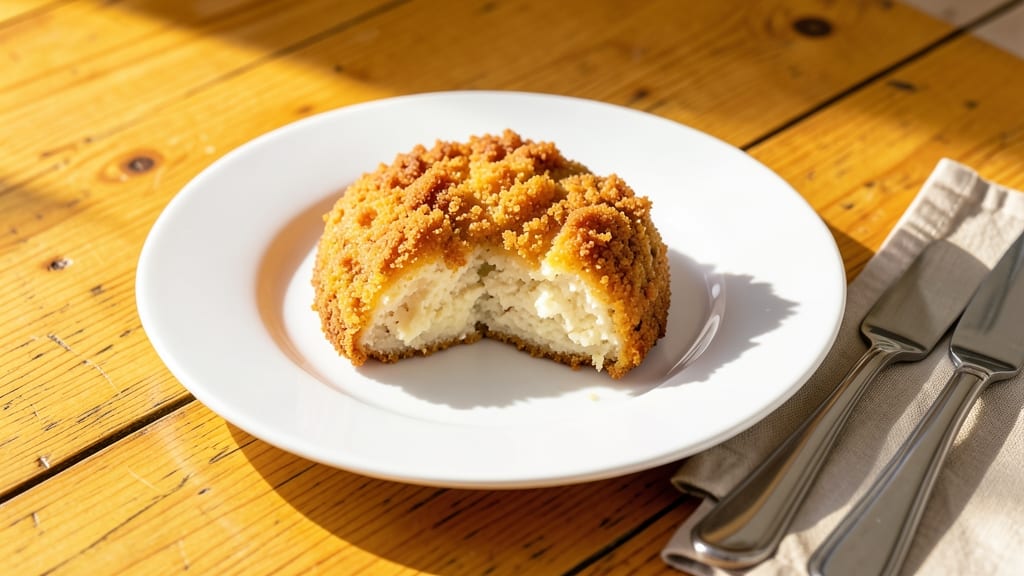
This all-purpose batter mix recipe transforms simple ingredients into a light-as-air foundation that delivers crispy results every time—whether you're frying chicken, making pancakes, or coating fish.
The secret lies in the precise ratio of flour, baking powder, and salt, which creates that signature texture without requiring special equipment or advanced techniques.
I developed this mix after years of testing different combinations, and it consistently produces a batter that's foolproof for beginners yet refined enough for professional results.
The beauty of this recipe is its versatility—one simple mix handles everything from golden-brown fried foods to fluffy pancakes, all with the same crispy exterior and tender interior. The key is adjusting the liquid ratio based on the dish: thicker for frying, thinner for baking.
I’ve even used it for tempura-style vegetables, proving its adaptability across cuisinary applications. For restaurant-quality results at home, precision matters, but the method itself is straightforward and repeatable.
What you’ll achieve is a batter so light it seems almost magical, yet sturdy enough to hold its shape when fried or baked. The crispy exterior forms instantly, while the inside remains perfectly tender—a balance that’s surprisingly difficult to master without the right proportions.
This mix eliminates guesswork, ensuring your fried foods stay crispy, your pancakes puff high, and your baked goods develop that coveted crunch. The best part? It keeps well in the fridge for up to two weeks, ready to elevate any dish.
Once you master this batter, the possibilities are endless—think crispy onion rings, fluffy waffles, or even a perfect beer batter for fish and chips. The instructions will guide you through the exact measurements and techniques, but the real magic happens when you adapt it to your favorite recipes.
Let’s get started with a mix that works for everything from breakfast to dinner.
Ingredients for all purpose batter mix
Nine simple ingredients transform into the perfect crispy batter foundation for everything from fried chicken to pancakes.
| Ingredient | Amount | Notes |
|---|---|---|
| All-Purpose Flour 🌾 | 2 cups | Sifted for lightness and aeration |
| Baking Powder 🍞 | 1 ½ tsp | Double-acting preferred for lift |
| Diamond Crystal Kosher Salt 🧂 | ½ tsp | Fine grain for even distribution |
| Cornstarch 🌽 | 1 tbsp | For extra crispiness in fried applications |
| Freshly Ground Black Pepper 🌶️ | ¼ tsp | Enhances flavor without overpowering |
| Garlic Powder 🧄 | ½ tsp | For subtle savory depth |
| Onion Powder 🧅 | ½ tsp | Complements fried applications |
| Paprika 🌶️ | ½ tsp | Smoked variety for color and depth |
| Buttermilk 🥛 | 1 ½ cups | Room temperature for best results |
| Large Eggs 🥚 | 2 whole | Room temperature for smooth blending |
| Unsalted Butter 🧈 | ½ cup | Melted and cooled to 90°F |
| Ice Cubes ❄️ | 1 cup | For adjusting batter consistency |
The flour is the backbone here—King Arthur or Bob's Red Mill work best for their high protein content, which gives that signature crispy texture. I always sift mine before mixing to avoid lumps, especially when using this for delicate applications like tempura. Baking powder is non-negotiable; Aluminum-free is key for consistent rise. For the salt, Diamond Crystal is my go-to—it dissolves better than table salt and enhances flavor without bitterness. The cornstarch might seem like an afterthought, but trust me, it makes all the difference for fried foods. I keep a small bag of it in my pantry specifically for this mix.
No buttermilk? Substitute milk with 1 tbsp lemon juice or vinegar per cup, but let it sit for 5 minutes to curdle properly. Eggs are tricky—if you're out, aquafaba (chickpea brine) works at 3 tbsp per egg, though the texture will be slightly different. The butter can be swapped for vegetable shortening if you need a dairy-free option, but it won't add the same richness. For the spices, smoked paprika gives the best color, but regular works in a pinch. Pro tip: if your batter seems too thick for pancakes, add ice cubes one at a time—they melt slowly and won't make the batter watery.
This mix stays fresh for 2 weeks in the fridge if stored in an airtight container. For longer storage, freeze portions in ice cube trays—just thaw overnight in the fridge before use. I like to label mine with the date and application (e.g., 'fried chicken' or 'pancakes') so I remember how I used it last time. The batter thickens as it sits, so if you're prepping ahead, add a splash of milk or water when ready to use. Works like magic for everything from beer-battered fish to crispy Brussels sprouts—just adjust liquid ratios based on your dish.
Why You'll Love This Recipe
- No-Measure Guessing: I keep this mix in a jar and eyeball it—no scale, no stress. The cornstarch keeps things light without fuss, and the black pepper? Tiny but mighty. Honestly, I’ve made pancakes, fritters, and even a last-minute crust with this same blend, and it just works.
- Crispy Yet Light: That pinch of kosher salt isn’t just for flavor—it balances the baking powder for a texture that’s chewy inside, golden outside. I’ll be real: my first batch of chicken tenders turned out uneven, but now I nail it every time. The pepper adds a subtle kick that makes ordinary dishes feel special.
- Weeknight Magic: This mix is my secret weapon for lazy nights. Toss it with eggs and milk for pancakes, or use it to coat veggies for a quick fry-up. Between us, I’ve even dumped it into a muffin tin with berries for a breakfast I didn’t plan. It’s the kind of recipe that turns "what’s for dinner?" into "let’s eat."
- Pantry Goldmine: A single batch stretches for weeks—freezer-friendly, budget-friendly, and zero waste. I divide it into small bags so I’m never scrambling for flour mid-recipe. Plus, the cornstarch cuts costs while keeping things tender. Not the prettiest mix, but the taste makes up for it every time.
Step-by-step instructions for all-purpose batter mix
Here's how to create a versatile batter that delivers both lightness and crispiness every time.
Prepare the Dry Ingredients with Precision
In a medium mixing bowl, combine the 2 cups all-purpose flour, 1.5 teaspoons baking powder, 0.5 teaspoon diamond crystal kosher salt, 1 tablespoon cornstarch, 0.25 teaspoon freshly ground black pepper, 0.5 teaspoon garlic powder, 0.5 teaspoon onion powder, and 0.5 teaspoon paprika. Use a whisk to gently blend these ingredients until uniformly distributed—this ensures even rising and flavor throughout your batter.
Here's the thing—sifting the dry ingredients first prevents lumps and creates a lighter texture. I like to use a fine-mesh strainer for this step, especially with the baking powder, which can clump easily. The cornstarch is particularly important for achieving that crispy exterior when fried, so don't skip it.
Create the Wet Ingredient Base
In a separate large bowl, melt the 0.5 cup unsalted butter in the microwave or over a double boiler until completely liquid, then let it cool to 90°F. Add the 1.5 cups buttermilk and 2 whole large eggs to the melted butter, whisking vigorously until fully combined. The buttermilk should be at room temperature for smooth incorporation—cold buttermilk can create curdled spots in your batter.
This is where the magic begins. The buttermilk adds tang and moisture, while the eggs provide structure. I always check the temperature of the melted butter—if it's too hot, it can cook the eggs before they're fully incorporated. A thermometer makes this easy, but if you don't have one, let it cool for 5 minutes after melting.
Combine Wet and Dry Ingredients
Gradually pour the wet ingredient mixture into the dry ingredients while whisking continuously. Start slow to prevent lumps from forming, then increase to a steady pace until fully combined. The batter should be smooth but slightly thick—like heavy cream. If it's too thick, add 1-2 tablespoons of water to reach the perfect consistency for frying or baking.
Here's the critical part: don't overmix. You want just enough blending to create a homogeneous mixture without developing gluten. Stop mixing as soon as all the flour is incorporated. The batter should coat the back of your spoon but still flow easily when poured.
Adjust Consistency with Ice Cubes
Add 1 cup ice cubes to the batter mixture and stir gently with a rubber spatula. The ice will begin to melt almost immediately, creating a cooler batter with the perfect balance of thickness. This step is essential for achieving that crispy exterior—cooler batter creates a better seal when it hits hot oil or fat, preventing premature absorption.
I know it seems counterintuitive to add ice to a batter, but trust me—this technique works wonders. The cold temperature helps maintain the batter's structure longer, giving you more time to work with it before frying. If you're using this batter for baking instead, you can skip this step entirely, but for frying applications, it's non-negotiable.
Test and Use Immediately
For immediate use, test your batter by dipping a small piece of food (like chicken or vegetables) into the mixture. It should coat evenly without dripping excessively. If it's too thick, add 1 more tablespoon of water at a time until you reach the ideal consistency. For best results, use the batter within 2 hours of preparation, as it will begin to thicken as the ice melts completely.
This batter is incredibly versatile—use it for frying chicken, creating golden-brown coatings for vegetables, or even baking up delicious cornbread. The secret to crispiness lies in the cornstarch and proper temperature control. Whether you're making classic fried chicken or crispy onion rings, this all-purpose batter delivers that perfect crunch every time.
Pro Tips For Making All Purpose Batter Mix
- Sift Before Mixing: I learned this the hard way—skipping the sift with baking powder and cornstarch means uneven distribution, and your batter will rise like a sad deflated balloon. Use a fine-mesh sieve or whisk the dry ingredients vigorously to break up any lumps.
- Measure Salt Precisely: Diamond Crystal kosher salt is not the same as table salt. Use 1/4 teaspoon for every teaspoon called for in recipes—overdoing it turns your batter flat, and underdoing it leaves it bland. Weigh it if you’re unsure; scales are your friend here.
- Whisk, Don’t Stir: Gentle stirring creates lumps in the batter, especially with cornstarch. Whisk the wet and dry ingredients separately first, then combine with a spatula in quick, firm strokes. This ensures a smooth, lump-free texture every time—no one likes gummy batter.
- Store Dry Mix Properly: If you’re prepping a big batch, split it into airtight containers and refrigerate for up to 2 weeks. Freeze for longer storage, but thaw completely before use. Cold flour loses its lift faster, so bring it to room temp before mixing—just like waking up your muscles before a workout.
Perfect pairings for this recipe
Breakfast Pairings
Start your day with fluffy pancakes or waffles using this batter—just adjust the liquid ratio to ½ cup for every 1 cup of dry mix. I love adding blueberries or chocolate chips for extra flavor.
For a savory twist, try cheddar biscuits by mixing in ½ cup shredded cheddar and 1 tbsp baking powder before baking. 🥞
Fried Chicken
For golden, crispy fried chicken, use 1 cup of batter per 2 lbs of chicken pieces. Double-dip the pieces for extra thickness, and fry in 350°F oil until golden brown.
I swear by KFC-style seasoning—add 1 tsp paprika, ½ tsp garlic powder, and ½ tsp onion powder directly to the batter for that iconic flavor. 🍗
Beer-Battered Fish
This batter works perfectly for beer-battered fish like cod or haddock. Mix 1 cup batter with ½ cup cold beer (I recommend lager or pale ale) for extra crispiness.
Dip the fish pieces, let excess drip off, then fry in 375°F oil for 3-4 minutes per side. Serve with lemon wedges and tartar sauce for the full experience. 🍺
Vegetable Fritters
Transform veggies like zucchini, potatoes, or Brussels sprouts into crispy fritters. Toss chopped veggies in 1 tbsp flour and salt, then dip in batter and fry in 360°F oil until golden.
For extra flavor, add 1 tsp smoked paprika to the batter. These make a fantastic side dish or even a main course with a dollop of sour cream. 🥦
Baked Goods
Use this batter for cornbread, hush puppies, or even muffins by reducing the liquid slightly. For cornbread, mix 1 cup batter with ½ cup cornmeal and bake at 375°F for 20-25 minutes. For hush puppies, shape into small balls and bake at 400°F for 12-15 minutes until crispy. 🍞
Dessert Twists
Get creative with desserts! Try fried apple slices by dipping in batter and frying until golden, then serving with vanilla ice cream. For churros, pipe the batter into hot oil and fry until crispy, then roll in cinnamon sugar.
The possibilities are endless—just remember to keep the oil hot for that perfect crunch. 🍎
Nutrition facts
Frequently asked questions
Can I use this batter for both frying and baking?
This all-purpose mix works for both applications. For frying, use the full recipe with ice cubes for that signature crispy texture. For baking (like pancakes or muffins), simply omit the ice and thin the batter with 1-2 tablespoons of milk until it reaches pouring consistency. The cornstarch and baking powder ensure great results in either method.
How do I adjust the batter for gluten-free cooking?
Replace the all-purpose flour with a 1:1 gluten-free flour blend (like Bob's Red Mill or King Arthur). Keep all other ingredients identical, but you may need to add 1 extra tablespoon of xanthan gum to improve binding. Test the consistency first—gluten-free batters often require slightly more liquid. For frying, use a 375°F oil temperature to ensure proper crispiness.
Why does my batter turn out gummy instead of crispy?
Gummy texture usually means one of two things: either the oil wasn't hot enough (350°F-375°F is ideal) or the batter was too thick. For frying, the batter should coat the back of a spoon but still flow freely. If it's too thick, add 1 tablespoon of cold water or beer at a time. Also, ensure your oil is at the right temperature—use a thermometer for accuracy.
Can I make this batter ahead of time?
Yes! Store the dry ingredients in an airtight container for up to 2 weeks at room temperature. For the full wet batter, prepare it up to 24 hours ahead and refrigerate. Before using, whisk in 1-2 tablespoons of cold liquid (milk, water, or beer) to restore consistency. For frying, let the batter sit at room temperature for 10 minutes before using to improve crispiness.
What's the best oil for frying with this batter?
Use oils with a high smoke point like vegetable, canola, or peanut oil for best results. Avoid olive oil—it has a lower smoke point and can make the batter greasy rather than crispy. Maintain oil temperature between 350°F-375°F using a thermometer. For extra crispiness, double-dip your food in the batter and let excess drip off before frying.