
Soups & Stews
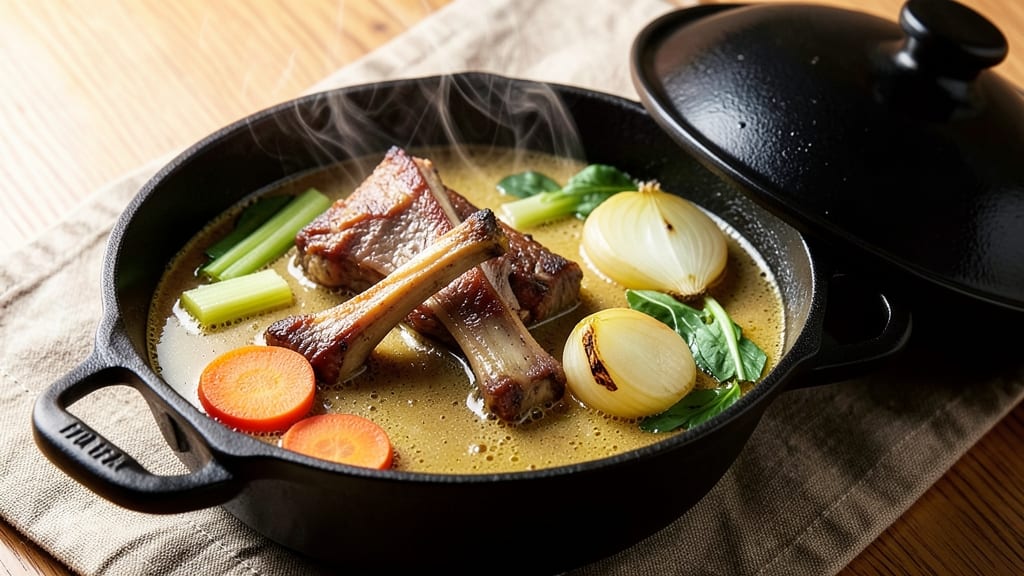
This AIP beef bone broth recipe delivers deep, gut-healing benefits without relying on gelatin—just nutrient-rich collagen from slow-simmered bones. The result is a clear, flavorful liquid packed with minerals and amino acids, perfect for sipping or using as a healing base in soups and sauces.
I developed this method after years of testing, ensuring it meets strict AIP guidelines while maximizing flavor extraction.
The process is straightforward: sear beef bones to deepen flavor, then simmer them for 24 hours with apple cider vinegar and aromatic vegetables. Straining yields a smooth, golden broth that's rich in gelatinous compounds—even without added gelatin.
This broth serves as a foundational element in healing diets, supporting digestion and joint health while adding depth to any meal.
What makes this recipe stand out is its versatility. Use it as a base for stews, braises, or sauces, or sip it warm as a nourishing tonic. The slow cooking process extracts maximum nutrients from the bones, resulting in a broth that's both functional and delicious.
Each batch yields about 8 cups, enough for multiple uses throughout the week.
For best results, store in glass jars in the refrigerator for up to 5 days or freeze for longer shelf life. The flavor only intensifies over time, making it a perfect pantry staple for anyone following an AIP protocol.
Let’s get started on this healing elixir that works as hard as it tastes good.
Ingredients for aip beef bone broth
Eight simple ingredients transform into a nutrient-packed AIP healing elixir—rich in collagen and minerals without added gelatin.
| Ingredient | Amount | Notes |
|---|---|---|
| Beef Bones (Marrow and Joint) 🦴 | 4 lb | Raw, organic preferred for collagen |
| Apple Cider Vinegar 🍏 | ½ cup | Raw, unfiltered for probiotics |
| Extra-Virgin Olive Oil 🫒 | ¼ cup | Cold-pressed for high-quality fats |
| Yellow Onion 🧅 | 1 whole | Quartered, skin-on for flavor |
| Carrots 🥕 | 3 whole | Organic, chopped into chunks |
| Celery Stalks 🥬 | 3 whole | Organic, chopped with leaves |
| Garlic Cloves 🧄 | 6 cloves | Peeled, smashed for potency |
| Fresh Rosemary 🌿 | ¼ cup | Chopped, organic preferred |
| Sea Salt 🧂 | 2 tsp | Diamond Crystal preferred |
| Black Peppercorns 🌶️ | 1 tbsp | Freshly cracked for depth |
The beef bones are the star—marrow and joint bones yield the most collagen and flavor. Local farms or butcher shops often have the best cuts, and organic bones ensure no antibiotics or hormones. If you can't find marrow bones, knuckle or neck bones work well too. The key is to pat them dry before searing—this creates a better crust for deeper flavor. For a budget-friendly option, Costco or Sam's Club often sell large bags of beef bones at a great price. Just make sure they're raw and haven't been pre-cooked or processed.
No apple cider vinegar? Raw, unfiltered balsamic vinegar works in a pinch, but it lacks the probiotic benefits. The extra-virgin olive oil is non-negotiable here—it coats the bones and vegetables, preventing burning during the sear. Short on fresh rosemary? Dried rosemary at half the amount gets you close, but fresh is ideal for that bright, piney aroma. The vegetables—onion, carrots, and celery—are classic aromatics, but leeks or fennel add a delicious twist if you're feeling adventurous. Just make sure everything is organic to avoid pesticides that could compromise the AIP protocol.
This broth tastes even better the next day as flavors meld. Store in glass jars in the fridge for up to 5 days or freeze in ice cube trays for single-serving portions that last 6 months. The longer it simmers, the richer it gets—don't rush it! For extra potency, strain through a fine-mesh sieve or cheesecloth to remove any remaining impurities. Label your jars with the date to keep track of freshness. This is the kind of broth that turns into a staple—once you taste it, you'll want to make it weekly.
Why You'll Love This Recipe
- No-Chop Nightmare: I swear by this broth because the only prep is tossing in whole carrots and onion quarters—no peeling, no dicing. The marrow bones? Just rinse and roast. Honestly, I make this while scrolling through my phone.
- Umami Goldmine: That first sip of rich, gelatinous broth? The apple cider vinegar cuts through the beefy depth while the olive oil adds a silky finish. Between us, it’s the kind of flavor that makes you forget you’re eating clean.
- Weeknight Superhero: Freeze batches for instant soup bases, grain cooking liquid, or even a quick sauce. I keep a jar in the fridge for when my kid’s soccer team needs post-game fuel—no fancy plating, just pure nourishment.
- Budget Bone Magic: Use cheaper cuts of beef bones (like knuckle or neck) and stretch them into meals for days. I’ve turned $15 worth of bones into enough broth for five lunches—no waste, all satisfaction. (Yes, even on a Tuesday night.)
Step-by-step instructions for AIP beef bone broth
This method unlocks rich, collagen-packed broth without compromising AIP compliance.
Prepare and Roast the Beef Bones
Preheat your oven to 425°F. Place the 4 lb beef bones (marrow and joint) on a rimmed baking sheet, ensuring they're spaced apart. This allows for even browning and prevents steam buildup that can make the bones soggy.
Drizzle the bones with the 0.25 cup extra-virgin olive oil, coating them thoroughly. Sprinkle evenly with 2 tsp sea salt and 1 tbsp black peppercorns, pressing the spices into the surface. The oil helps create a flavorful crust while the salt and pepper enhance depth.
Roast for 45-50 minutes, flipping the bones halfway through, until they develop a deep golden brown color. You'll see the fat begin to render and the bones take on a caramelized appearance. This step is crucial—it develops the Maillard reaction, creating complex flavors that infuse into the broth.
Sauté the Aromatics
While the bones roast, prepare the vegetables. In a large stockpot, heat 0.25 cup extra-virgin olive oil over medium heat. Add the 1 whole yellow onion, 3 whole carrots, and 3 whole celery stalks, all chopped into 1-inch pieces. Sauté for 8-10 minutes until the vegetables soften and the onion becomes translucent.
Add the 6 cloves garlic cloves and 0.25 cup fresh rosemary, stirring for 30 seconds until fragrant. The rosemary should release its piney aroma, and the garlic will soften slightly but not brown. Remove the aromatics from the pot and set aside—you'll add them back later to prevent overcooking.
Here's the thing—don't let the garlic burn. It turns bitter quickly, and you'll lose all that sweet, mellow flavor. Keep the heat at medium and watch closely. If the garlic starts to darken, remove the pot from heat immediately.
Combine and Simmer the Broth
Transfer the roasted bones to the stockpot with the sautéed vegetables. Pour in 12 cups cold water and add the 0.5 cup apple cider vinegar. The vinegar helps extract collagen and minerals from the bones, resulting in a richer, more gelatinous broth. Bring to a boil over high heat, then reduce to a gentle simmer.
Skimming is essential. Use a fine-mesh skimmer to remove any foam or impurities that rise to the surface during the first 30 minutes of simmering. This ensures a clear, clean broth. Once the foam subsides, you can stop skimming.
Return the reserved aromatics to the pot and add a bay leaf if using. Simmer uncovered for 24-48 hours on low heat. The longer it simmers, the more collagen and minerals will break down, creating a deeply flavorful, gelatin-rich broth. You'll know it's ready when the bones are tender and the broth has a rich, amber color.
Strain and Store
Once the broth is fully developed, strain it through a fine-mesh sieve or cheesecloth-lined colander into a large bowl or pitcher. Press the solids gently to extract every last drop of liquid—this is where the good stuff is. Discard the bones and vegetables.
The broth should have a gelatinous consistency when chilled. If it doesn't, don't worry—simmering for an additional 12-24 hours will help achieve that coveted gel. Let the broth cool to room temperature, then transfer it to airtight containers or jars.
This broth is incredibly versatile. Use it as a base for soups, sauces, or sip it straight as a healing elixir. It keeps in the refrigerator for 5-7 days or can be frozen for up to 6 months. The deep umami flavor and nutrient density make it a staple in any AIP kitchen.
Pro Tips For Making Aip Beef Bone Broth
- CHAR THE BONES FIRST: I learned this the hard way—skipping the char step means you’re missing out on deeper flavor. Use a blowtorch or broiler to blacken the bones (especially the marrow-rich ends) for 2–3 minutes per side before adding liquid. The smoke infuses the broth like magic, and it’s the thing that makes homemade broth taste actually better than store-bought.
- USE RAW APPLE CIDER VINEGAR: Filtered or pasteurized vinegar won’t cut it here—you need the raw, unfiltered kind for real acidity and flavor. Dump in ¼ cup early (before the simmer) to help extract collagen and break down tough connective tissue. It’s not just for tang; it’s the catalyst for richer broth.
- SKIP THE ONION SKINS: Peeling onions for broth is a waste of time and effort. The skins add bitterness and cloudiness—just quarter the whole onion (skin on) and toss it in. You’ll still get sweetness without the muddy broth. (Yes, even if you’re impatient like me.)
- SIMMER LOW AND LONG: This isn’t the time to rush. After the initial boil, drop the heat to a gentle simmer—you should barely see bubbles, and a thermometer should read 180–190°F (82–88°C). Any hotter, and you’ll turn the broth murky. I know, I know, but trust the process—24+ hours is what unlocks that gel-like richness.
Best sauces and condiments for this recipe
Savory AIP Sauces
This bone broth transforms into AIP-compliant sauces that add depth to meals without nightshades or dairy. For a simple pan sauce, deglaze your skillet with ½ cup broth after searing proteins like chicken or fish, then whisk in 1 tbsp coconut aminos and 1 tsp fresh ginger.
Reduce until syrupy—perfect for drizzling over roasted vegetables. 💛
Gravy Base
Thicken your broth into a luminous gravy by whisking in 1 tbsp arrowroot powder (mixed with 2 tbsp cold water) per 1 cup broth. Simmer until glossy, then season with sea salt and fresh thyme.
This works wonders with AIP meatloaf or mashed cauliflower. The arrowroot keeps it thick without grains or gluten.
Soup Enhancer
Use the broth as a flavor multiplier in soups by adding it in stages. Start with 2 cups broth for every 4 cups water in recipes like zucchini noodle soup or AIP chili.
The collagen-rich liquid adds body and umami without altering texture. I often reserve 1 cup for finishing—adding it at the end preserves its delicate flavors.
Braising Liquid
Transform tough cuts like beef short ribs or pork shoulder by using this broth as your braising liquid. Combine 3 cups broth with 1 cup water, then add aromatics (AIP-compliant, like celery root and fennel).
Simmer covered for 3-4 hours until meat falls apart. The result? Fork-tender protein with a velvety sauce.
Risotto Alternative
Create an AIP "risotto" by using cauliflower rice cooked in the broth. Sauté 2 cups cauliflower rice in 1 tbsp olive oil, then add 3 cups hot broth gradually while stirring.
Finish with ¼ cup coconut cream and fresh parsley. The broth's richness replaces dairy while keeping it compliant. 🌟
Marinade Booster
Boost marinades by mixing ½ cup broth with 2 tbsp olive oil, 1 tbsp coconut aminos, and AIP-safe herbs (like rosemary or oregano). Use it for grilled chicken or pork chops—the collagen breaks down during cooking, infusing meat with deep flavor.
I marinate proteins for at least 4 hours (overnight is best) for maximum impact.
Nutrition facts
Frequently asked questions
Why does apple cider vinegar make this broth different from regular bone broth?
The apple cider vinegar acts as a natural collagen extractor, breaking down minerals and nutrients from the bones more effectively than plain water. This creates a richer, more gelatinous broth even without added gelatin. The probiotics in raw vinegar also support gut health, aligning perfectly with AIP principles.
Can I use chicken bones instead of beef for this recipe?
Yes, but the flavor and nutrient profile will differ. Chicken bones produce a lighter broth with less collagen, making it less gelatinous. For AIP purposes, beef bones are preferred—they contain more minerals like calcium and magnesium. If using chicken, extend the simmer time to 48 hours for better results.
How do I know when the broth is fully cooked and ready to strain?
The broth is done when the bones are tender (they should separate easily with a fork) and the liquid has a rich amber color. Test by chilling a small cup—if it gels slightly, it's ready. For maximum gelatin extraction, simmer until the broth reduces by about 25% of its original volume.
What if my broth doesn't gel when chilled?
Don't worry—this can happen with shorter simmer times or younger bones. Return the broth to low heat and simmer uncovered for another 12-24 hours. For extra help, add 1 cup extra apple cider vinegar and simmer 6 more hours. The longer it cooks, the more collagen will release.
Can I make this broth in an Instant Pot or pressure cooker?
While possible, pressure cooking yields less gelatin due to shorter cook times. For best AIP results, stick to stovetop or oven methods. If using a pressure cooker, opt for the high-pressure setting for 3-4 hours (not quick release) and add extra vinegar to compensate for reduced collagen extraction.